Mix Tape
Mix Tape is a short-form game in which performers play scenes that shift between different emotional registers, musical genres, or tonal modes as if a host is rapidly flipping through tracks on a mix tape. Each shift is immediate and total: performers must transition from the warmth of a pop ballad to the intensity of a heavy metal scene to the wistfulness of a folk song without lag or negotiation, creating a fast-paced ensemble exercise in tonal range and rapid transformation.
Structure
Setup
The ensemble receives a scene suggestion. The host establishes that the scene will be played in multiple different emotional or musical styles, shifted on a verbal or physical cue.
Progression
The scene begins in a neutral or opening style. The host calls a genre or emotional register: "Pop ballad." Performers immediately adjust their physical, vocal, and emotional register to match -- dialogue becomes melodic, movement becomes expressive, emotional content amplifies to match the genre's conventions.
The host shifts to a new genre: "Death metal." Performers immediately transform: same scene content, completely different energy and delivery. The shifts may come rapidly in a free-for-all format or be sustained for ten to thirty seconds each.
Ending
The game ends after a satisfying range of genres have been explored, or when the host calls a final transition back to a closing style.
How to Teach It
Objectives
Mix Tape trains rapid tonal transformation, the ability to shift emotional register completely on demand, and ensemble alignment across sudden genre changes. It builds the range and responsiveness required for short-form improv that works across multiple stylistic registers.
How to Explain It
"When the genre changes, everything changes -- your body, your voice, your emotional state, how your character moves through the world. Not just what you're saying. Everything. The faster and more completely you transform, the better the game."
Scaffolding
Practice individual genre embodiments in isolation before combining them in the game. The quality of the mix tape depends on the specificity of each track; generic approximations produce a flat game.
Common Pitfalls
Performers sometimes shift the vocal register of the genre without changing the physical or emotional register, producing a surface stylistic adjustment rather than a complete transformation. Coach the group to transform from the inside out -- changing the physical state first and allowing the vocal and emotional elements to follow.
How to Perform It
Audience Intro
"We're going to play you a scene -- but this scene has a playlist. Every time I hit the button, the whole emotional track changes. Tell us what kind of scene to play, and then we'll take requests for the genres."
Cast Size
Ideal: 3 to 5 performers, with a designated host managing the transitions.
Staging
Open stage. The host stands at the side with a clearly visible call role. Performers must be positioned to respond immediately to each genre call without staging negotiation.
Wrap-Up Logic
End after four to six genre shifts, at the peak of a high-energy or emotionally resonant genre. The game's value is in the contrast between genres; ending on a call that produces a strong ensemble response is ideal.
Worth Reading
See all books →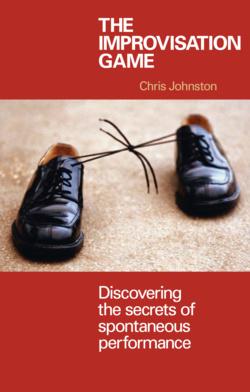
The Improvisation Game
Discovering the Secrets of Spontaneous Performance
Chris Johnston
Theater Games for Rehearsal
Viola Spolin

Drama Games and Improvs
Games for the Classroom and Beyond
Justine Jones; Mary Ann Kelley

Improvising Now
A Practical Guide to Modern Improv
Rob Norman

Group Improvisation
The Manual of Ensemble Improv Games
Peter Campbell Gwinn; Charna Halpern
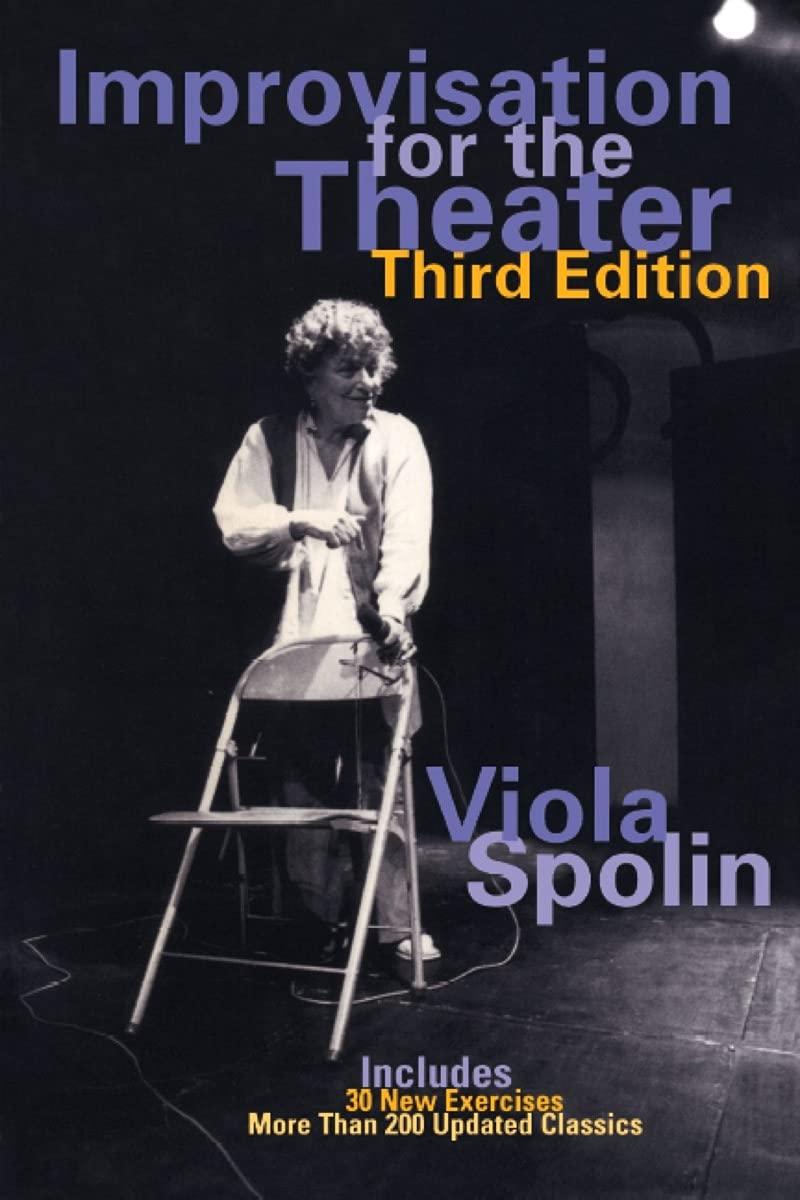
Improvisation for the Theater
A Handbook of Teaching and Directing Techniques
Viola Spolin
Related Games
Mix and Match
Mix and Match is a character and scene game in which performers combine disparate audience-suggested traits, occupations, scenarios, or styles into a single scene. The game takes two or more elements that do not naturally belong together and challenges the performers to find coherent logic within the absurd combination. A brain surgeon with a fear of blood, a cowboy at a ballet class, or a romantic comedy set in a submarine: the game rewards specificity, commitment, and the ability to ground heightened premises in recognizable human behavior.
Eight Track
Eight Track is a musical improv game structured as a compilation mixtape, in which performers create a series of short improvised songs in contrasting musical styles. Each track is a self-contained number inspired by an audience suggestion for a topic, genre, or artist. The game rewards rapid genre-shifting, musical versatility, and the ability to establish and abandon a style with commitment.
Scene Replay
Scene Replay is a short-form game in which a scene is performed once, then replayed with a significant modification such as a new genre, emotional shift, or physical constraint. The replay preserves the original scene's structure and relationship while the imposed change reveals how a single variable transforms meaning, comedy, and dynamics.
Countdown
Countdown is a short-form game and exercise in which performers replay a scene in progressively shorter time limits, compressing the action from several minutes down to seconds. Each repetition demands sharper editing, bolder physical choices, and more efficient storytelling as the available time shrinks. The game reveals the essential beats of a scene by forcing performers to strip away everything nonessential, leaving only the core moments that drive the narrative. Countdown demonstrates that the emotional truth of a scene can survive extreme compression, and that clarity improves when performers are forced to prioritize.
Mega Replay
Mega Replay is a short-form game in which a scene or series of scenes is replayed multiple times, each time in a dramatically different style, genre, or emotional register. The game demonstrates the ensemble's range and versatility by showing the same material transformed across radically different theatrical and comedic conventions -- from opera to thriller, from silent film to children's television -- rewarding specificity of style and the audience's recognition of each new frame.
Blues Jam
Blues Jam is a musical improv game in which performers sing improvised blues verses based on audience suggestions. The twelve-bar blues structure provides a reliable musical framework that supports even novice singers. The game rewards emotional commitment and the ability to find humor or pathos in everyday situations.
How to Reference This Page
The Improv Archive. (2026). Mix Tape. Retrieved September 28, 2026, from https://improvarchive.org/games/mix-tape
The Improv Archive. "Mix Tape." The Improv Archive, 2026. https://improvarchive.org/games/mix-tape.
The Improv Archive. "Mix Tape." The Improv Archive, 2026, https://improvarchive.org/games/mix-tape. Accessed September 28, 2026.
The Improv Archive is a systemically maintained repository. The archive itself acts as the corporate author.