Penguin Chairs
Penguin Chairs is a physical warm-up game in which one designated player must waddle with locked knees to reach an empty chair while the rest of the group races to block them by sitting in that chair first. The movement restriction makes the penguin slower than everyone else, forcing the group to communicate and coordinate to keep blocking. The game builds spatial awareness, teamwork, and energy while lowering inhibitions through inherently silly physicality.
Structure
Setup
Place one chair per player around the room, facing different directions with even spacing between them. One player volunteers to be the penguin and stands up, leaving their chair empty.
Progression
The penguin must move with knees locked together, creating a slow, waddling gait. The penguin's goal is to sit in the empty chair.
All other players must work together to prevent this by racing to occupy the empty chair before the penguin reaches it. When a seated player leaves their chair to block, their vacated chair becomes the new target. A player who leaves a chair cannot return to the same one.
The game creates a chain reaction: every block opens a new empty chair somewhere else in the room, and the penguin changes course to pursue it. The group must communicate quickly to keep ahead of the penguin's shifting target.
When the penguin successfully sits in a chair, the round ends. A new penguin is selected and the game restarts.
Variations
Adding a second or third penguin simultaneously increases difficulty and forces the seated players to coordinate across multiple threats. Chair arrangement also affects strategy: a tight circle creates different dynamics than chairs scattered randomly across the room.
How to Teach It
Objectives
Penguin Chairs develops spatial awareness, nonverbal communication, and group coordination under time pressure. The movement restriction on the penguin creates an inherent comedy that loosens up even reserved groups, making it an effective icebreaker for workshops and rehearsals.
How to Explain It
"One person is the penguin. The penguin must walk with knees locked together. The penguin wants to sit in the empty chair. Everyone else must stop the penguin by sitting in the empty chair before the penguin gets there. Once you leave your chair, you cannot go back to it."
Scaffolding
Start with chairs in a loose circle so sightlines are clear and the empty chair is easy to spot. Once the group understands the mechanics, scatter the chairs randomly to increase the challenge. Add a second penguin only after the group has played several rounds with one.
Common Pitfalls
The most common issue is players who focus only on the penguin and ignore where the empty chair is. Remind the group that tracking the empty chair matters more than watching the penguin.
A second issue is collisions when multiple players rush for the same chair. Establish a simple right-of-way rule: the first person to touch the seat gets it, and others return to find the next empty chair.
Worth Reading
See all books →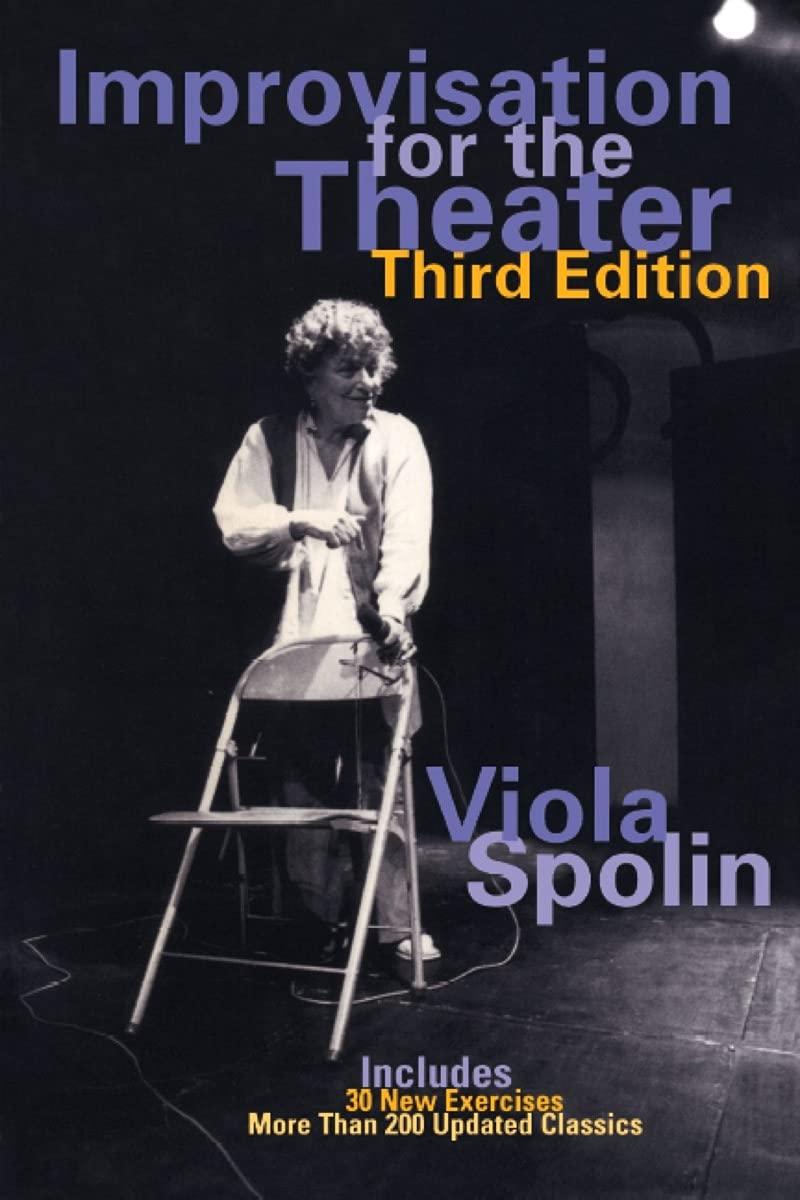
Improvisation for the Theater
A Handbook of Teaching and Directing Techniques
Viola Spolin
Theater Games for Rehearsal
Viola Spolin
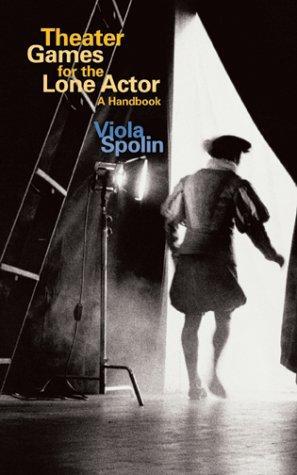
Theater Games for the Lone Actor
Viola Spolin
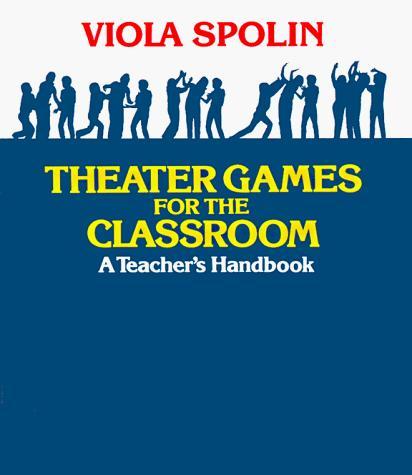
Theater Games for the Classroom
Viola Spolin
112 Acting Games
Gavin Levy

Group Improvisation
The Manual of Ensemble Improv Games
Peter Campbell Gwinn; Charna Halpern
Related Games
How to Reference This Page
The Improv Archive. (2026). Penguin Chairs. Retrieved October 15, 2026, from https://improvarchive.org/games/penguin-chairs
The Improv Archive. "Penguin Chairs." The Improv Archive, 2026. https://improvarchive.org/games/penguin-chairs.
The Improv Archive. "Penguin Chairs." The Improv Archive, 2026, https://improvarchive.org/games/penguin-chairs. Accessed October 15, 2026.
The Improv Archive is a systemically maintained repository. The archive itself acts as the corporate author.