Rash is a short-form scene game in which a performer develops an increasingly strange physical affliction during a scene, which they must justify and maintain without breaking character. The condition escalates in intensity or spreads to other performers over the course of the game. The game tests the ability to integrate absurd physical premises into a scene's emotional reality without abandoning the scene's human stakes.
Structure
Setup
Two or more performers begin a scene. A host designates one performer as the initial afflicted player, or the game begins with the affliction emerging naturally within the scene.
Game
The afflicted performer begins to manifest a physical condition: a twitch, an itch, a compulsion, a sudden paralysis, or another observable behavior. The condition is not explained or announced; it simply appears.
As the scene continues, the condition escalates. What begins as a mild itch becomes an uncontrollable scratching; what begins as a brief tremor becomes a convulsive shaking. The scene must continue despite the escalation. The afflicted performer must justify the behavior within the scene's reality , finding in-world explanations or simply absorbing the condition into the character's experience.
The condition may spread to other performers, either through contact, sympathy, or as a second condition with a different character. The host controls the pace of escalation by calling for the condition to intensify.
Conclusion
The game concludes when the condition reaches a peak that is unsustainable for further scene work, or when the host judges the escalation complete.
How to Teach It
How to Explain It
"One performer begins the scene. Partway through, they develop a rash: a physical response that disrupts their behavior but does not break the scene. The scene continues. The character manages the disruption. The rash spreads."
Objectives
Rash develops the specific skill of integrating physical disruption into scene work without abandoning the scene. The game is useful for performers who either ignore physical elements entirely or who lose scene focus when their body becomes the primary performance element. It forces a dual attention that is necessary in many aspects of performance.
Teaching the Integration Skill
The productive coaching question during Rash is not "what is your condition doing?" but "what does your character make of this condition?" The character's relationship to the affliction is the scene material. A character who is embarrassed by the condition behaves differently from one who is indifferent; one who is frightened behaves differently from one who is in denial. These distinctions are where scene work and physical game intersect.
How to Perform It
Justifying the Unjustifiable
The game's central challenge is sustaining the scene's emotional reality alongside an escalating physical absurdity. Performers who treat the condition as a performance display and abandon the scene's human stakes lose the game's productive tension. The condition must be genuinely present , felt and responded to by the character , rather than presented to the audience as a physical trick.
The most effective choices find ways to integrate the condition into the scene's meaning. A character who is itching uncontrollably during an important conversation with their parent might experience the itch as a physical manifestation of anxiety; a character convulsing during a job interview might attempt to pass the convulsions off as enthusiasm. These integrations are funnier and more dramatically rich than conditions that exist in parallel to the scene without touching it.
Escalating with Control
The condition should escalate in stages, not all at once. Each new intensity level gives the scene a moment to resettle before the next escalation. Performers who jump immediately to maximum intensity have nowhere to go and exhaust the game early.
History
No specific origin or creator of Rash is documented in published improv sources. The game belongs to the family of physical affliction games common in short-form performance, which use an escalating physical condition to test performers' ability to maintain scene work under mounting physical constraint. Similar game structures appear under different names across short-form traditions.
Worth Reading
See all books →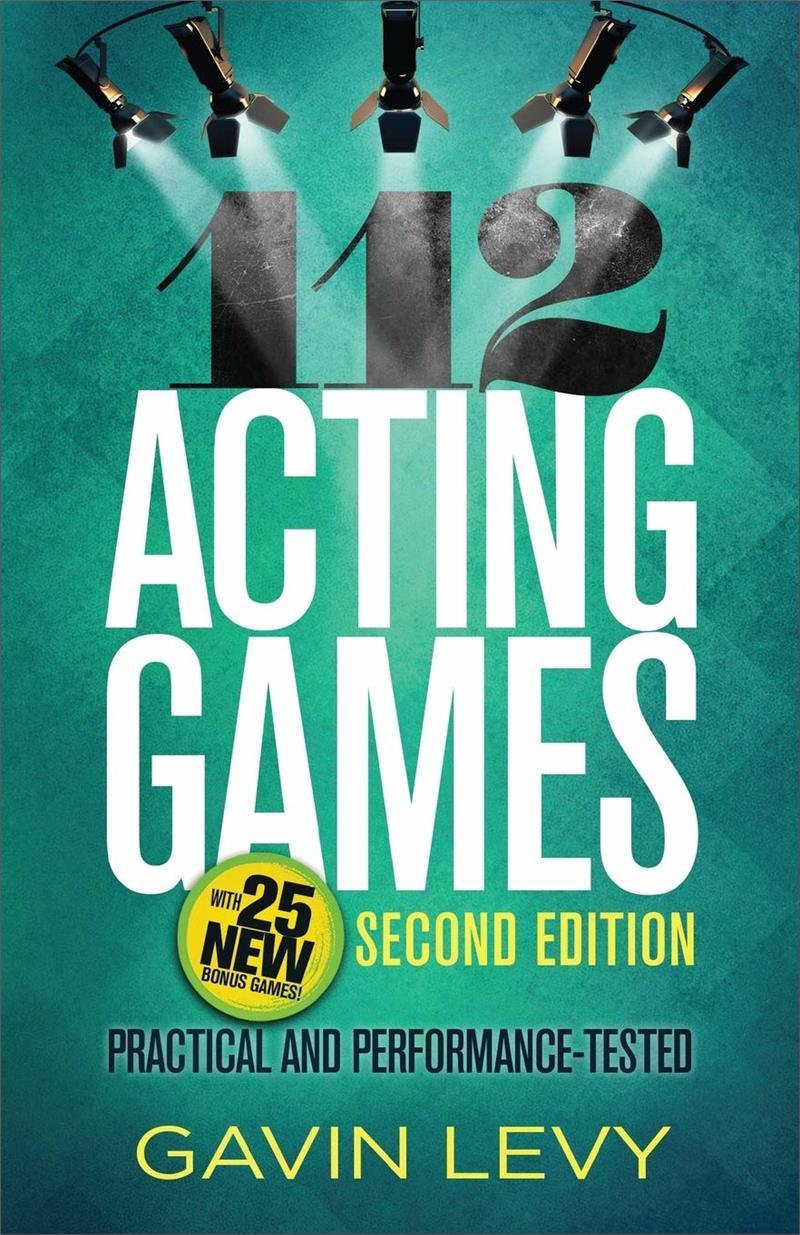
112 Acting Games
Gavin Levy
The Improvisation Game
Discovering the Secrets of Spontaneous Performance
Chris Johnston

Drama Games and Improvs
Games for the Classroom and Beyond
Justine Jones; Mary Ann Kelley
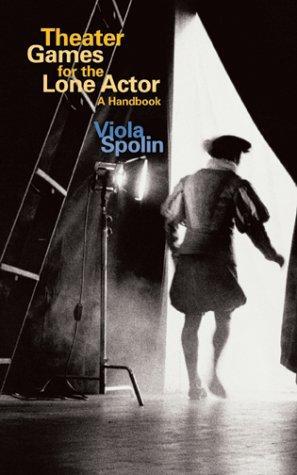
Theater Games for the Lone Actor
Viola Spolin
Theater Games for Rehearsal
Viola Spolin

Improvised Theatre and the Autism Spectrum
A Practical Guide
Gary Kramer; Richie Ploesch
Related Games
Triggers
Triggers is a scene game and exercise in which specific words, phrases, or gestures are designated before a scene begins, and whenever they occur the recipient must execute a predetermined physical or emotional response. The gap between the mundane trigger and the extreme reaction creates the comedic and theatrical engine of the game. It trains active listening, physical commitment, and justification under surprise.
Continuing Emotions
Continuing Emotions is a scene game in which performers cycle through a series of emotional states at the direction of a caller. Each emotional shift must be justified within the scene's reality rather than simply displayed, with characters finding a reason to feel the new state given what has just happened. The game trains emotional range, commitment, and the ability to sustain scene logic through rapid change.
How to Reference This Page
The Improv Archive. (2026). Rash. Retrieved September 28, 2026, from https://improvarchive.org/games/rash
The Improv Archive. "Rash." The Improv Archive, 2026. https://improvarchive.org/games/rash.
The Improv Archive. "Rash." The Improv Archive, 2026, https://improvarchive.org/games/rash. Accessed September 28, 2026.
The Improv Archive is a systemically maintained repository. The archive itself acts as the corporate author.