Continuing Emotions
Continuing Emotions is a scene game in which performers cycle through a series of emotional states at the direction of a caller. Each emotional shift must be justified within the scene's reality rather than simply displayed, with characters finding a reason to feel the new state given what has just happened. The game trains emotional range, commitment, and the ability to sustain scene logic through rapid change.
Structure
Setup
Two or more performers begin a scene from an audience suggestion. A caller (a separate performer or the host) stands to the side with a list of contrasting emotional states.
The Calls
At any point during the scene, the caller announces a new emotional state. All performers in the scene immediately adopt that emotion and find a justification for it within the scene's reality: their characters discover something, remember something, or respond to something that makes the new emotion specific and motivated. The scene's plot continues; only the emotional layer shifts.
Pacing Options
The caller can work slowly, allowing performers time to develop each emotional state and find its effect on the scene's relationships. Or the caller can work rapidly, forcing performers to make instantaneous emotional transitions that stress-test their range and commitment. Both approaches serve different teaching purposes.
Conclusion
The host wraps the scene when a natural climax is reached or after a sufficient number of emotional cycles have demonstrated the game's mechanics.
How to Teach It
Objectives
Continuing Emotions targets emotional range, commitment to emotional states, and the ability to justify external direction within a scene's internal logic. It also trains performers to let an emotional state live in the body rather than only in the face.
How to Explain It
"You're doing a regular scene, and whenever I call an emotion, everyone in the scene immediately feels that way. You don't have to stop and explain why -- find the reason in the moment. Something in the scene just happened that makes you feel this. The scene keeps going; only the emotion changes."
Scaffolding
With beginners, call states slowly and give performers time to find the physical life of each emotion before calling the next. With advanced performers, call states rapidly to develop range and speed. A useful intermediate step is asking performers to name aloud what in the scene triggered the new emotion; this makes the justification skill explicit before it is internalized.
Common Sidocoaching
- "Let the emotion live in your body before your face."
- "Find why your character feels this right now."
- "What just happened in the scene that makes this make sense?"
- "More specific. What kind of joy? Whose joy?"
Common Pitfalls
Performers who display emotions rather than inhabit them produce technically correct but emotionally hollow transitions. The emotion should change how the character relates to the other characters and to the scene's circumstances, not just how their face looks. A second pitfall is scenes where the emotional shifts become the entire subject, with performers commenting on the changes rather than living inside them.
How to Perform It
Audience Intro
"Our performers are going to play a scene, but there's a twist: I'm going to call out emotions and they have to switch instantly. Every time I call one, they find a reason to feel it right then. Let's see how many they can handle."
Cast Size
Two to four performers in the scene. One caller (host or separate performer). The host can double as caller if comfortable managing both roles.
Staging
Performers play in the standard scene area. The caller stands clearly to the side, visible to the audience but separated from the scene space.
Pacing
The game benefits from varying the speed of calls: several slow calls allow the audience to appreciate how the emotion changes the scene's meaning, while a rapid burst of calls (four or five in quick succession) creates the comedic chaos the game is also known for. Moving between slow and fast within one scene gives the game structure.
Wrap Logic
The strongest wrap is an emotional state that produces a climactic moment in the scene itself -- performers who find a state-and-scene convergence that lands a genuine beat. The host calls immediately after that peak.
Worth Reading
See all books →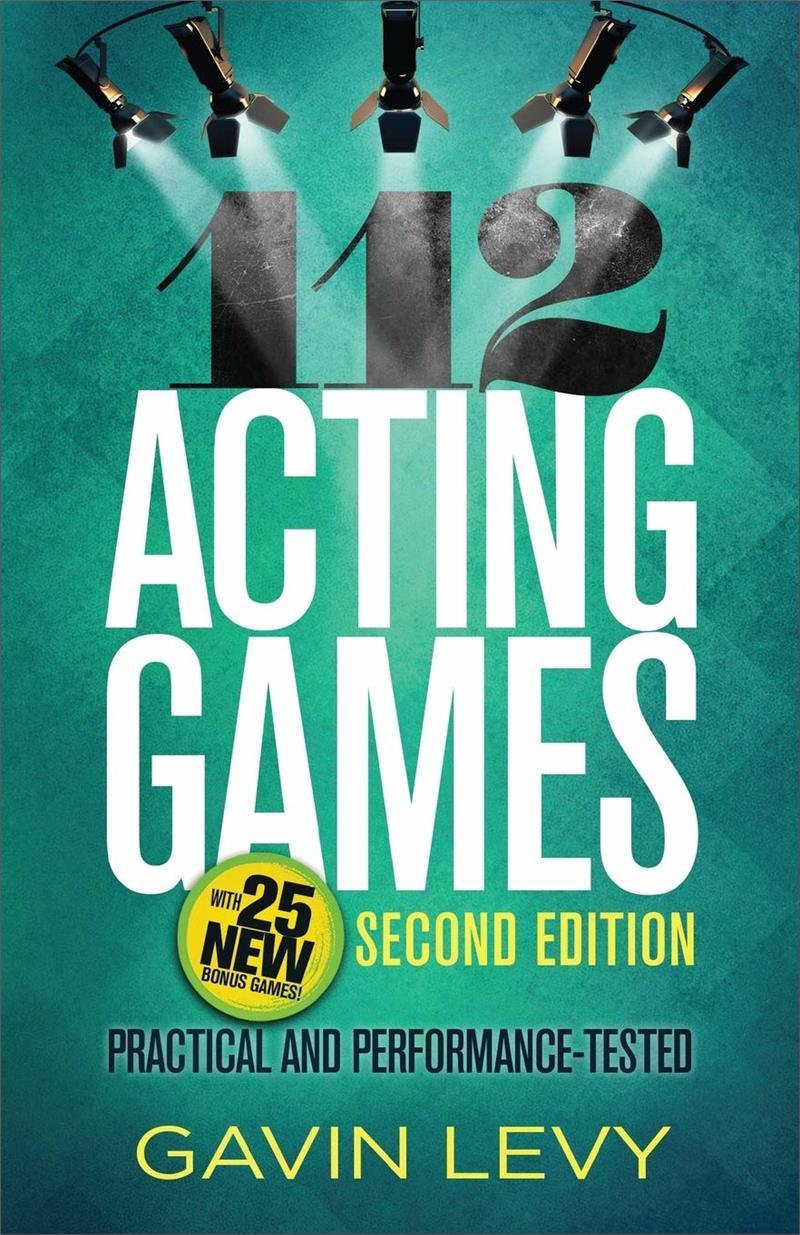
112 Acting Games
Gavin Levy

Drama Games and Improvs
Games for the Classroom and Beyond
Justine Jones; Mary Ann Kelley

Theater Games for Rehearsal
Viola Spolin
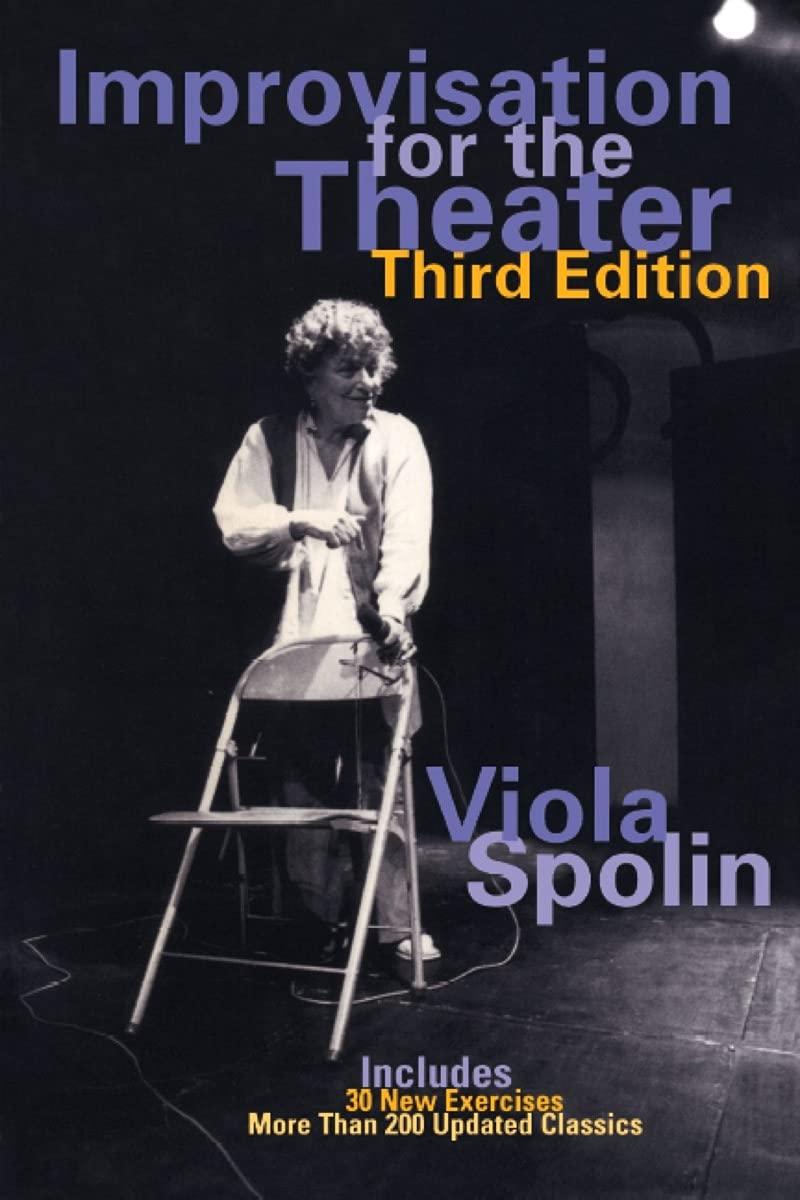
Improvisation for the Theater
A Handbook of Teaching and Directing Techniques
Viola Spolin

The Young Actor's Book of Improvisation
Dramatic Situations
Sandra Caruso; Susan Kosoff

Theatrical Improvisation, Consciousness, and Cognition
Clayton D. Drinko
Related Games
Emotion Replay
Emotion Replay is a short-form game in which a brief scene is performed once, then replayed with different emotions assigned to each performer or to the scene as a whole. The same dialogue and physical action take on new meaning when filtered through joy, rage, terror, or grief, demonstrating how emotional state transforms the experience of any situation. The game makes the effect of emotion visible and concrete.
Meanwhile
Meanwhile is a short-form game in which multiple scenes run in parallel, connected by the transitional word that gives the game its name. When a player or host calls the transition, the current scene freezes and a new scene begins in a different location, time period, or context. The game trains performers in quick context-switching, scene memory, and the ability to pick up a frozen scene exactly where it left off. Callbacks and connections between the parallel storylines elevate the game from a scene-switching exercise into a web of interlocking narratives.
3 Series
3 Series is a short-form game in which three unrelated scenes run simultaneously. The host or caller switches between the scenes, and performers must pick up each thread exactly where it left off. The game tests memory, commitment, and the ability to sustain multiple narratives at once.
How to Reference This Page
The Improv Archive. (2026). Continuing Emotions. Retrieved September 29, 2026, from https://improvarchive.org/games/continuing-emotions
The Improv Archive. "Continuing Emotions." The Improv Archive, 2026. https://improvarchive.org/games/continuing-emotions.
The Improv Archive. "Continuing Emotions." The Improv Archive, 2026, https://improvarchive.org/games/continuing-emotions. Accessed September 29, 2026.
The Improv Archive is a systemically maintained repository. The archive itself acts as the corporate author.