Shipwrecked
Shipwrecked is a scene game in which performers play survivors of a shipwreck, stranded together in a high-stakes situation that forces characters to reveal themselves under pressure. The game's survival premise naturally generates conflict over resources, leadership, and moral choices. The game rewards strong relationship work and the ability to sustain emotional stakes in an absurd premise.
Structure
Setup
A cast of three to six performers establishes the shipwreck scenario: who the survivors are, where they have washed ashore, and what resources (if any) are available. A host or facilitator may take suggestions from the audience.
Game
The survivors must contend with the practical and interpersonal demands of their situation. The scenario generates scene material organically: competition for limited resources, decisions about rescue versus survival, the collapse or assertion of pre-shipwreck social hierarchies, and the revelation of character under extreme conditions.
Tony Abbott uses a simplified raft version of this scenario as a group relationship exercise, framing a small group on a raft after a shipwreck to see how participants relate to each other under constraint.
Keller documents a thematic variant, "The Fortress," in which a group of medieval traders find themselves shipwrecked on an unfamiliar treeless land. The traders must establish a stone fortress for defense, shifting the game's focus from survival to cooperative construction under an environmental constraint.
Continuation
The game plays out until a resolution is reached (rescue, death, escape, or social collapse), until the facilitator ends it, or until the improvisational material has been fully explored.
How to Teach It
How to Explain It
"You are all survivors of a shipwreck. You are on an island. You have what was on the boat and what you can find here. Establish who you are, how you got here, and what you need. The situation is real. Play it from inside the stakes."
Objectives
Shipwrecked develops the ability to sustain scene stakes, generate conflict from character rather than from arbitrary plot, and work within a strong environmental constraint. The game is useful for groups that default to conflict-avoidant or comfortable scenes: the survival premise enforces stakes that would otherwise need to be manufactured.
Abbott on Introduction
Abbott notes the importance of how the scenario is introduced. Announcing that the class will improvise a shipwreck at the beginning of the session causes anticipatory panic and self-consciousness. Introducing the premise more gradually, or building toward it through the session, allows participants to discover the situation rather than prepare for it.
Debriefing the Game
Debriefs productively explore the question of how the survival stakes affected behavior: Did social norms break down? Who assumed leadership and on what basis? Were pre-existing relationships between characters honored or abandoned? These questions connect the game's premise to broader observations about status, ethics under pressure, and the relationship between circumstance and character.
How to Perform It
Playing the Stakes
Shipwrecked depends on performers treating the survival stakes as genuine rather than as a comedic setup. When the situation is played as absurdist premise, the game loses its primary dramatic engine. Characters who take their survival seriously and disagree specifically about how to achieve it generate richer material than characters who acknowledge the artificiality of the situation.
The survival premise tends to surface status dynamics naturally. Who takes charge? Who defers? Who exploits the situation? These questions answer themselves through behavior rather than through stated positions if performers commit to genuine need.
Using Resources as Objects
Physical specificity with imagined resources (a piece of driftwood, a canteen, a flare) grounds the game in concrete reality. Performers who treat physical objects as genuinely present , miming their weight, scarcity, and function , give their partners material to respond to and create shared reality without verbal negotiation.
Audience Intro
"These performers are survivors of a shipwreck on an island. They have limited supplies, limited space, and a complicated situation. Watch what happens when people have no choice but to be together."
History
Brian Levy documents Shipwrecked as Exercise 50 in 112 Acting Games (2005). The game belongs to the family of high-stakes scenario games in improv and drama education, in which a premise of extreme circumstances is used to strip away social convention and reveal character.
Tony Abbott uses a shipwreck-on-a-raft scenario in The Improvisation Book as a group relationship exercise: the survival constraint provides a natural pressure that makes interpersonal dynamics immediately visible. Abbott introduces the scenario organically rather than announcing it in advance, noting that announcing the full premise at the start would cause panic.
The shipwreck scenario as a dramatic premise has a long history in theatre, literature, and moral philosophy, where isolation from normal social structures is used to explore fundamental questions of human behavior. Its use in improv draws on this tradition while treating the scenario as a vehicle for character revelation rather than philosophical argument.
Worth Reading
See all books →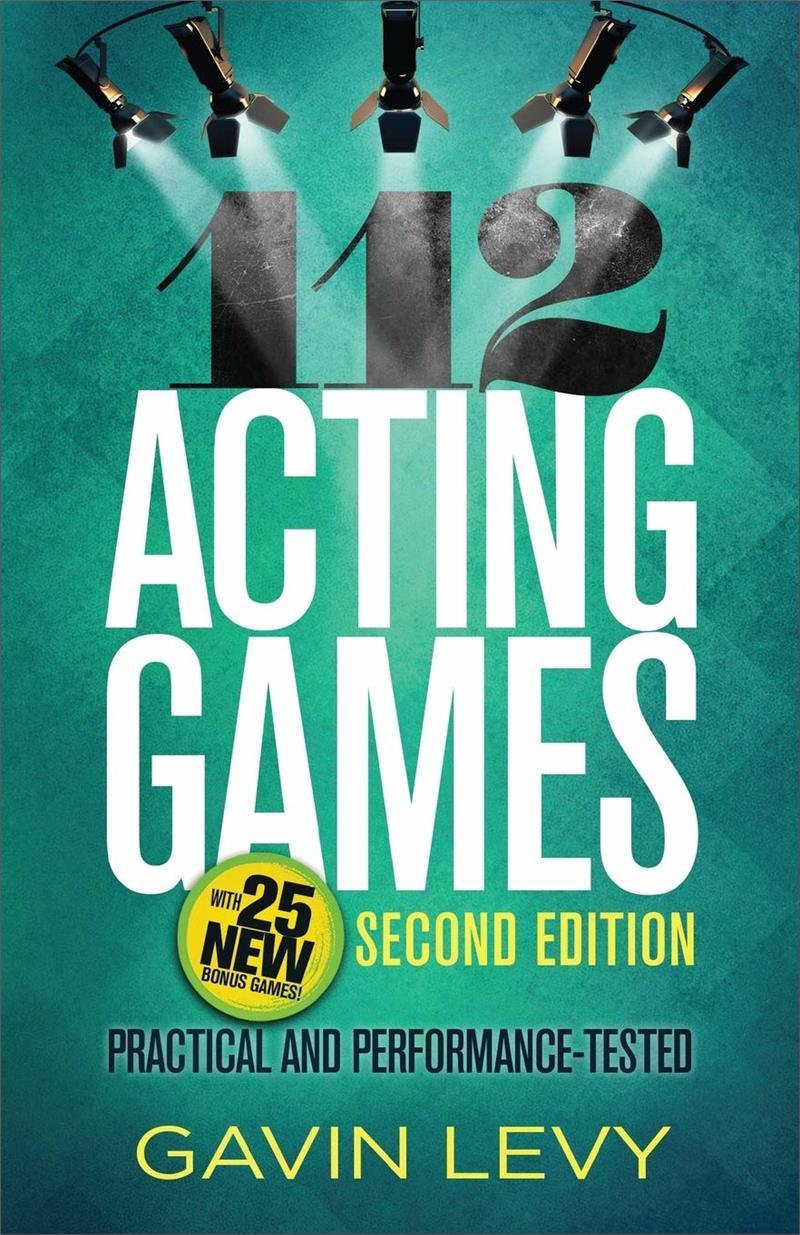
112 Acting Games
Gavin Levy

The Young Actor's Book of Improvisation
Dramatic Situations
Sandra Caruso; Susan Kosoff

Drama Games and Improvs
Games for the Classroom and Beyond
Justine Jones; Mary Ann Kelley
The Improvisation Game
Discovering the Secrets of Spontaneous Performance
Chris Johnston

Pirate Robot Ninja
An Improv Fable
Billy Merritt; Will Hines

Theater Games for the Lone Actor
Viola Spolin
Related Games
Coming Home
Coming Home is a scene game built around the dramatic premise of a character returning to a familiar place after an absence. The emotional weight of homecoming, the tension between memory and present reality, and the specifics of what has changed during the absence provide natural dramatic material without requiring an external gimmick. The game rewards grounded, emotionally honest performance, attention to the physical details of place, and the ability to build a relationship through discovered information rather than predetermined plot. Coming Home demonstrates that strong improv scenes emerge from simple, emotionally resonant premises.
Survivor
Survivor is a competitive short-form game format that adapts the structure of the reality television series for improv performance. Performers compete in improvised challenges, form alliances, and are progressively eliminated by audience vote or fellow players until one winner remains. The format layers character strategy onto improvised performance, rewarding both strong scene work and the social maneuvering of an ensemble competition.
Pillars
Pillars is a short-form game in which two or more players stand stock-still onstage as human pillars. Scene players perform a two-person scene, and whenever a scene player taps a pillar, that pillar delivers a random line of dialogue. The scene player must immediately accept and incorporate the line into the scene. The unpredictable verbal intrusions test the performer's ability to justify bizarre offers on the spot and maintain scene logic under pressure.
Through the Ages
Through the Ages is a scene game in which performers play the same characters at different stages of their lives, moving between childhood, adulthood, and old age in a single game. Each time period reveals a different facet of the relationship and character, while the performers must sustain recognizable through-lines of personality and connection across the jumps. The game rewards character consistency across age and the ability to find both comedy and pathos in the passage of time.
The Lineage
Explore the schools and structures that influenced or evolved from Shipwrecked.
112 Acting Games (Levy)
How to Reference This Page
The Improv Archive. (2026). Shipwrecked. Retrieved October 14, 2026, from https://improvarchive.org/games/shipwrecked
The Improv Archive. "Shipwrecked." The Improv Archive, 2026. https://improvarchive.org/games/shipwrecked.
The Improv Archive. "Shipwrecked." The Improv Archive, 2026, https://improvarchive.org/games/shipwrecked. Accessed October 14, 2026.
The Improv Archive is a systemically maintained repository. The archive itself acts as the corporate author.