Temple of Doom
Temple of Doom is an adventure game in which performers navigate an improvised series of physical obstacles and traps while maintaining a continuous narrative. The game rewards bold physical choices and comic timing, as each trap is invented and solved in real time.
Structure
Establishing the Temple
Performers establish the setting through narration and mime. The temple has rooms, corridors, and an ultimate objective. The physical space of the stage becomes the map.
The Traps
As the characters move through the temple, traps are introduced by the performers themselves or by a narrator. Each trap must be physically embodied and theatrically solved. The solution should be specific, committed, and often funny.
Escalation
Each new room raises the stakes. Traps become more elaborate, the objective grows more urgent, and the physical demands on the performers increase.
The Climax
The performers reach the objective, which is inevitably more complicated than anticipated. The resolution should be physically and narratively satisfying.
Button
The scene ends with a clear button that pays off the journey.
How to Teach It
Objectives
Temple of Doom develops physical storytelling, spatial awareness, and the ability to commit to invented realities. The game also trains performers to build narrative momentum through escalation.
How to Explain It
"You are explorers in a dangerous temple. As you move through it, you will encounter traps. Every trap must be physically real. You must invent the trap, inhabit it, and find a way through it. Go."
Common Pitfalls
The most common failure is performers who describe the traps instead of inhabiting them. Direct performers to stop talking about the trap and start experiencing it physically.
How to Perform It
Physical Commitment
Temple of Doom lives or dies on physical specificity. Performers who narrate traps but do not fully embody them drain the game of its energy. The audience must believe the platforms are crumbling, the snakes are real, and the boulder is actually rolling.
Trap Invention
The best traps are both surprising and logical given the established world. Avoid generic obstacles. A trap that reflects something established earlier in the scene creates a stronger payoff than a random obstacle.
Pacing
The game has a natural tempo. Too slow and it loses momentum; too fast and traps have no impact. Let each trap breathe before introducing the next one.
Worth Reading
See all books →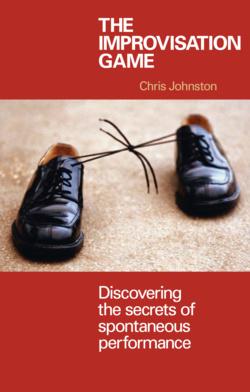
The Improvisation Game
Discovering the Secrets of Spontaneous Performance
Chris Johnston

Drama Games and Improvs
Games for the Classroom and Beyond
Justine Jones; Mary Ann Kelley

Impro for Storytellers
Keith Johnstone

Mask Improvisation for Actor Training and Performance
the compelling image
Sears A. Eldredge

The Art of Making Sh!t Up
Using the Principles of Improv to Become an Unstoppable Powerhouse
Norm LaViolette; Bob Melley
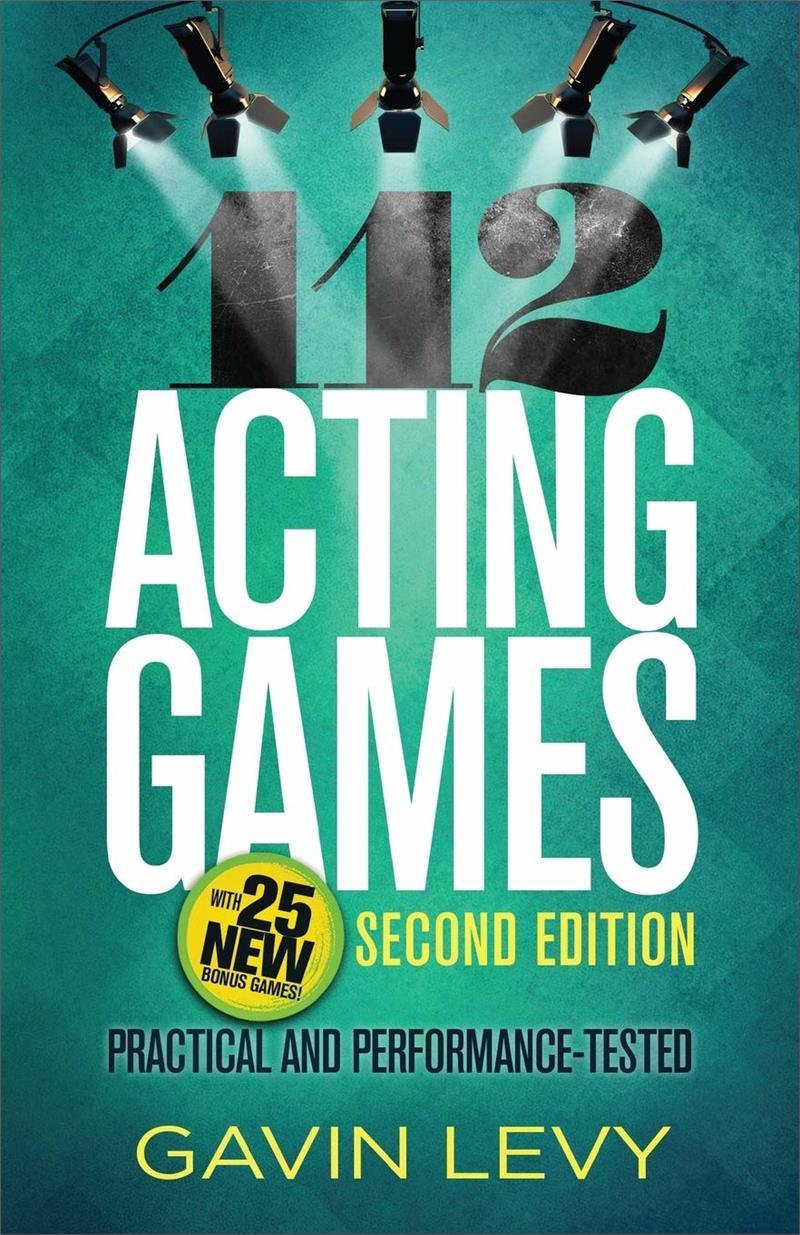
112 Acting Games
Gavin Levy
Related Games
Nuclear Bomb Chicken
Nuclear Bomb Chicken is a short-form game in which two performers play a scene with escalating stakes, each daring the other to back down from an increasingly absurd or dangerous commitment. The game functions like a comedic game of chicken: both performers raise the stakes higher and higher until one breaks, creating a climactic moment of surrender or mutual destruction.
Countdown
Countdown is a short-form game and exercise in which performers replay a scene in progressively shorter time limits, compressing the action from several minutes down to seconds. Each repetition demands sharper editing, bolder physical choices, and more efficient storytelling as the available time shrinks. The game reveals the essential beats of a scene by forcing performers to strip away everything nonessential, leaving only the core moments that drive the narrative. Countdown demonstrates that the emotional truth of a scene can survive extreme compression, and that clarity improves when performers are forced to prioritize.
Oracle
Oracle is a short-form game in which one performer plays an all-knowing figure who answers audience questions with improvised wisdom, prophecy, or absurd pronouncements. Supporting performers may embody the oracle's visions or act as attendants and interpreters. The game rewards deadpan authority, pseudo-philosophical rhetoric, and the ability to make any response sound profound regardless of its content.
How to Reference This Page
The Improv Archive. (2026). Temple of Doom. Retrieved October 14, 2026, from https://improvarchive.org/games/temple-of-doom
The Improv Archive. "Temple of Doom." The Improv Archive, 2026. https://improvarchive.org/games/temple-of-doom.
The Improv Archive. "Temple of Doom." The Improv Archive, 2026, https://improvarchive.org/games/temple-of-doom. Accessed October 14, 2026.
The Improv Archive is a systemically maintained repository. The archive itself acts as the corporate author.