Discovering vs. Inventing
The distinction between finding what a scene wants to be through careful attention and listening (discovering) versus imposing a predetermined idea onto a scene (inventing). Most improv traditions teach that discovery produces more authentic, surprising work than invention.
At the heart of most improvisation traditions lies a fundamental tension between two ways of building a scene: discovering what wants to emerge from the interaction between performers, and inventing material by imposing a predetermined idea onto the work. This distinction shapes how improvisers are trained, how scenes are coached, and how performers understand their relationship to the creative process.
Discovering, in the improvisational sense, refers to the practice of paying close attention to what is already happening in a scene and allowing the narrative, relationships, and emotional stakes to reveal themselves organically. When performers discover, they treat each offer from their scene partner as information to be explored rather than an obstacle to be managed. The scene becomes a shared investigation, with both players following the thread of what feels true in the moment. Del Close, whose work at ImprovOlympic (later iO) shaped generations of long-form improvisers, frequently emphasized that the best scenes were found rather than constructed. His teaching encouraged performers to trust the process and resist the urge to steer scenes toward clever outcomes.
Inventing, by contrast, describes the tendency to enter a scene with a fixed plan or to push the action toward a destination the performer has already decided upon. An inventing performer may ignore or override their partner's contributions in service of a joke, premise, or narrative they have privately committed to. While invention can sometimes produce impressive individual moments, it typically undermines the collaborative foundation that gives improvisation its distinctive quality. Audiences can often sense the difference; discovered scenes carry a quality of surprise and inevitability that invented scenes rarely achieve.
This concept connects directly to several other foundational ideas in improvisation. Active listening, the practice of genuinely attending to one's scene partner rather than planning ahead, is the primary mechanism through which discovery occurs. The principle of "yes, and" supports discovery by encouraging performers to accept and build on what is offered rather than redirecting toward a private agenda. The concept of "being in the moment" similarly privileges attention to what is present over speculation about what might be.
In teaching environments, coaches often address the discovering-inventing distinction by asking performers to slow down and notice more. A common exercise involves having improvisers begin a scene with no plan at all, building entirely from the physical and verbal offers that arise in the first few exchanges. When a scene feels forced or mechanical, the coaching note is frequently some variation of "stop trying to make something happen and let the scene tell you what it is." Keith Johnstone's status work and narrative exercises, developed at the Royal Court Theatre and later at Loose Moose in Calgary, approach the same territory from a different angle, training performers to respond to the dynamics already present rather than manufacturing them.
A common misunderstanding is that discovering means being passive or waiting for something to happen. In practice, discovery requires enormous active engagement; the performer must be alert, responsive, and willing to make bold choices based on what they observe. The distinction is not between action and inaction but between choices that arise from genuine attention and choices that override what the scene has established. Another pitfall involves confusing personal inspiration with discovery. A performer may feel strongly about an idea and mistake that internal conviction for a scene-driven impulse, when in fact they are inventing from enthusiasm rather than discovering from attention.
The preference for discovery over invention is not universal across all performance traditions, but it remains one of the most widely taught principles in both short-form and long-form improvisation, reflecting a broader philosophical commitment to collaboration, presence, and the belief that the collective intelligence of attentive performers will consistently produce richer work than any individual plan.
Further Reading
See all books →
Impro
Improvisation and the Theatre
Keith Johnstone
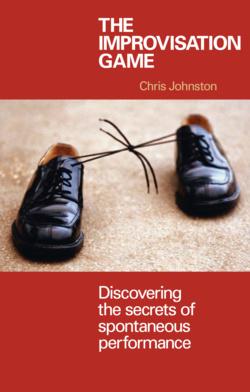
The Improvisation Game
Discovering the Secrets of Spontaneous Performance
Chris Johnston
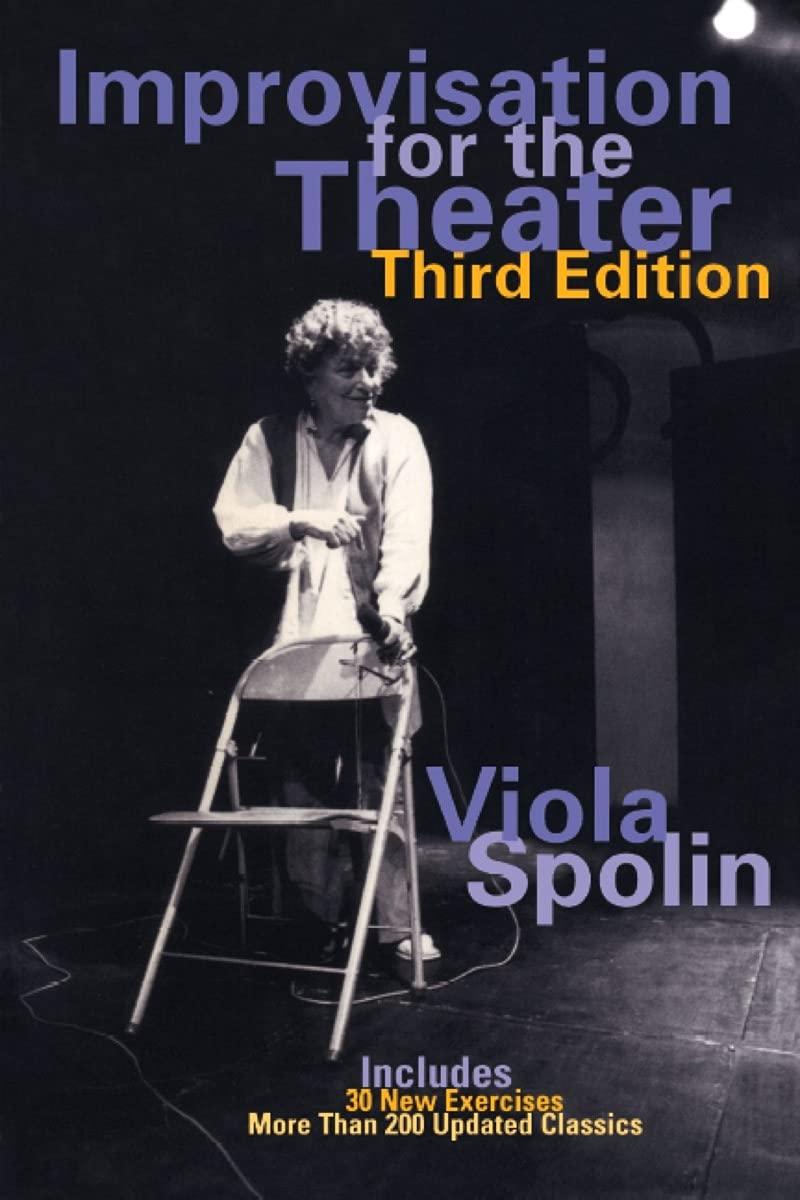
Improvisation for the Theater
A Handbook of Teaching and Directing Techniques
Viola Spolin
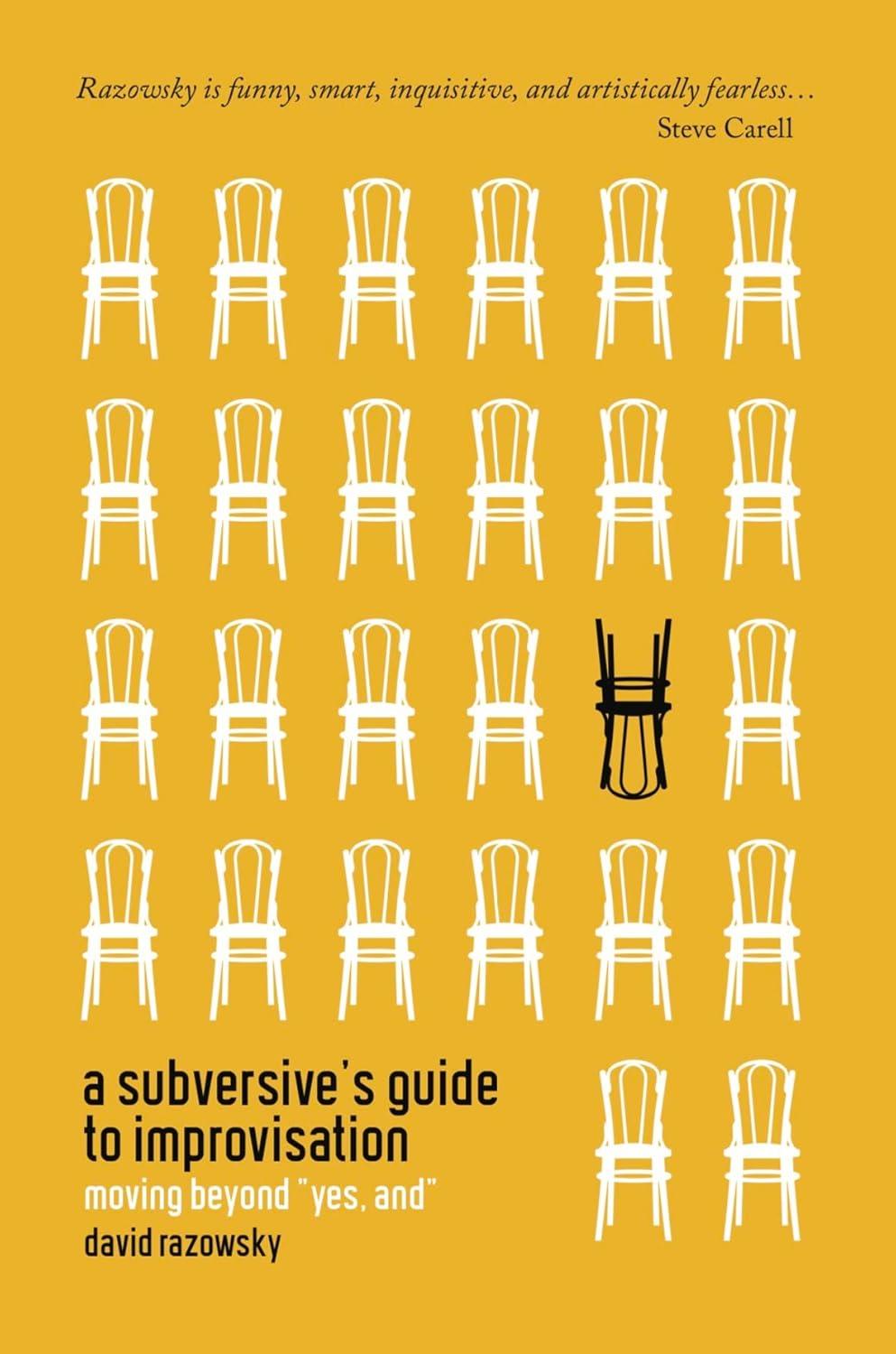
A Subversive's Guide to Improvisation
Moving Beyond "Yes, and"
David Razowsky

The Applied Improvisation Mindset
Tools for Transforming Individuals, Organizations, and Communities
Theresa Robbins Dudeck; Caitlin McClure

Improvising Now
A Practical Guide to Modern Improv
Rob Norman
How to Reference This Page
The Improv Archive. (2026). Discovering vs. Inventing. Retrieved September 28, 2026, from https://improvarchive.org/learn-improv/concepts/discovering-vs-inventing
The Improv Archive. "Discovering vs. Inventing." The Improv Archive, 2026. https://improvarchive.org/learn-improv/concepts/discovering-vs-inventing.
The Improv Archive. "Discovering vs. Inventing." The Improv Archive, 2026, https://improvarchive.org/learn-improv/concepts/discovering-vs-inventing. Accessed September 28, 2026.
The Improv Archive is a systemically maintained repository. The archive itself acts as the corporate author.