Framing
The technique of establishing context, relationships, and expectations at the top of a scene. Effective framing gives the audience the information they need to understand who the characters are, where they are, and what their relationship is, allowing the unusual behavior or game to land with greater impact.
At the top of any improvised scene, performers face a critical task: giving the audience enough information to understand who these characters are, where they exist, and what matters between them. This act of establishing context, relationships, and expectations is known as framing. When done well, framing provides the foundation that allows everything unusual, surprising, or comedic in a scene to land with full impact. Without it, even the most inventive choices can fall flat because the audience lacks the reference point needed to appreciate what is being subverted.
Framing operates on the principle that comedy and dramatic tension both depend on contrast. As Scott Randazzo observes in Funny on Purpose, audiences need "something to relate to" before subversion can work; this can be as small as an alien bounty hunter who needs coffee in the morning or as large as the entire premise of a scene. The relatable element is the frame, and the comic or dramatic payoff is what departs from it. Without "subvertable expectations," there is nothing for the audience to measure the unusual behavior against. This insight connects framing to the broader theatrical tradition described by Kristin Thompson and David Bordwell, who note how classical Hollywood cinema used techniques of framing and editing to help audiences "piece together a succession of images into an intelligible story." The same cognitive principle applies on the improv stage: audiences are constantly assembling meaning from what performers give them, and the opening moments of a scene do the heaviest lifting.
In teaching, framing is often coached as the discipline of the first few lines. Instructors encourage performers to name their relationship, ground themselves in a specific location, and reveal an emotional attitude before introducing any comedic premise or unusual behavior. The goal is efficiency: a performer who says "Mom, I told you I'm not coming home for Thanksgiving" accomplishes in one line what might otherwise take an entire minute of vague dialogue. Coaches frequently remind students that the audience cannot read minds; what feels obvious to the performers onstage is invisible until spoken or physically demonstrated.
A common pitfall is rushing past the frame to get to the funny idea. Performers eager to play a game or explore an absurd premise sometimes skip the grounding work entirely, leaving the audience confused about basic circumstances. The opposite error is also possible: over-framing a scene with so much exposition that the energy stalls before any discovery can happen. The craft lies in finding the balance, providing just enough context that the audience is oriented, then moving forward.
Framing also extends beyond individual scenes. As Jen Mark discusses in Creating Improvised Theatre, the structure of an entire short-form show involves framing choices about how to introduce games, interact with the audience, and set expectations for the evening. Bob Kulhan, in Getting to Yes And, takes the concept further still, describing "Yes, and" itself as "a framing device, a choice of framing language" that shapes how people think and respond. In this broader sense, framing is not just a scene-level technique but a cognitive tool: the deliberate selection of context that influences how information is received and interpreted.
The concept connects naturally to several other foundational ideas in improvisation. It is closely related to the practice of establishing the base reality of a scene, which provides the normality against which the game can be identified. It also intersects with the concept of gifting, since one performer's framing choice often defines the other performer's character or situation. In ensemble work, strong framing at the top of a scene is an act of generosity toward both scene partners and the audience, offering clarity that makes every subsequent choice more meaningful.
Further Reading
See all books →
Comedy and Distinction
The Cultural Currency of a 'Good' Sense of Humour
Sam Friedman

Legislative Theatre
Using Performance to Make Politics
Augusto Boal

Devising Performance
A Critical History
Deirdre Heddon; Jane Milling
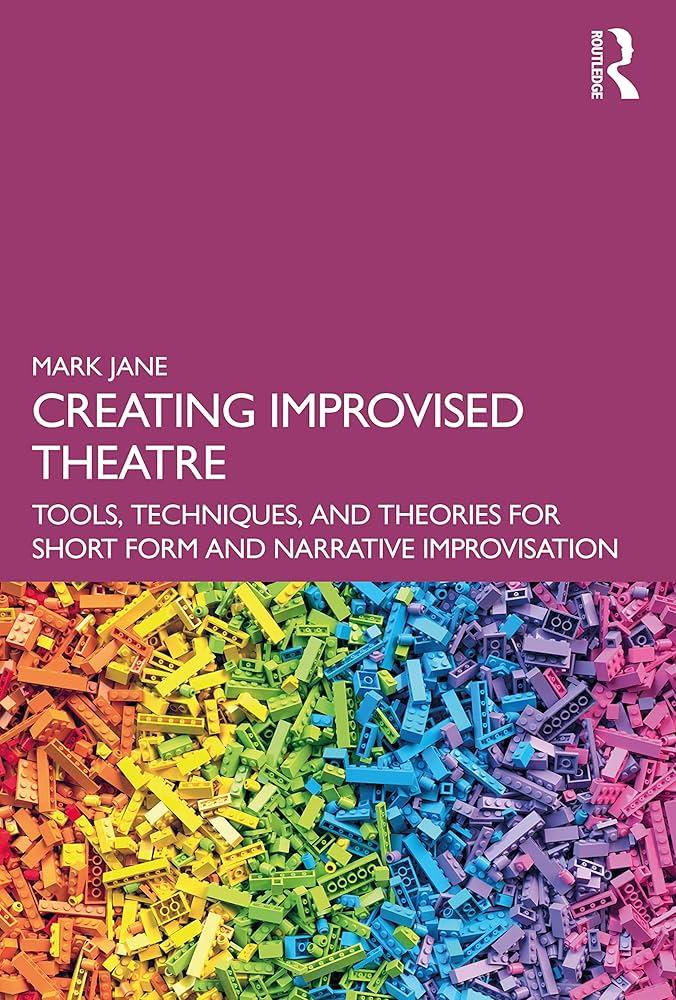
Creating Improvised Theatre
Tools, Techniques, and Theories
Mark Jane

The Routledge Companion to Improvisation in Organizations
Miguel Pina e Cunha; Dusya Vera; António Cunha Meneses
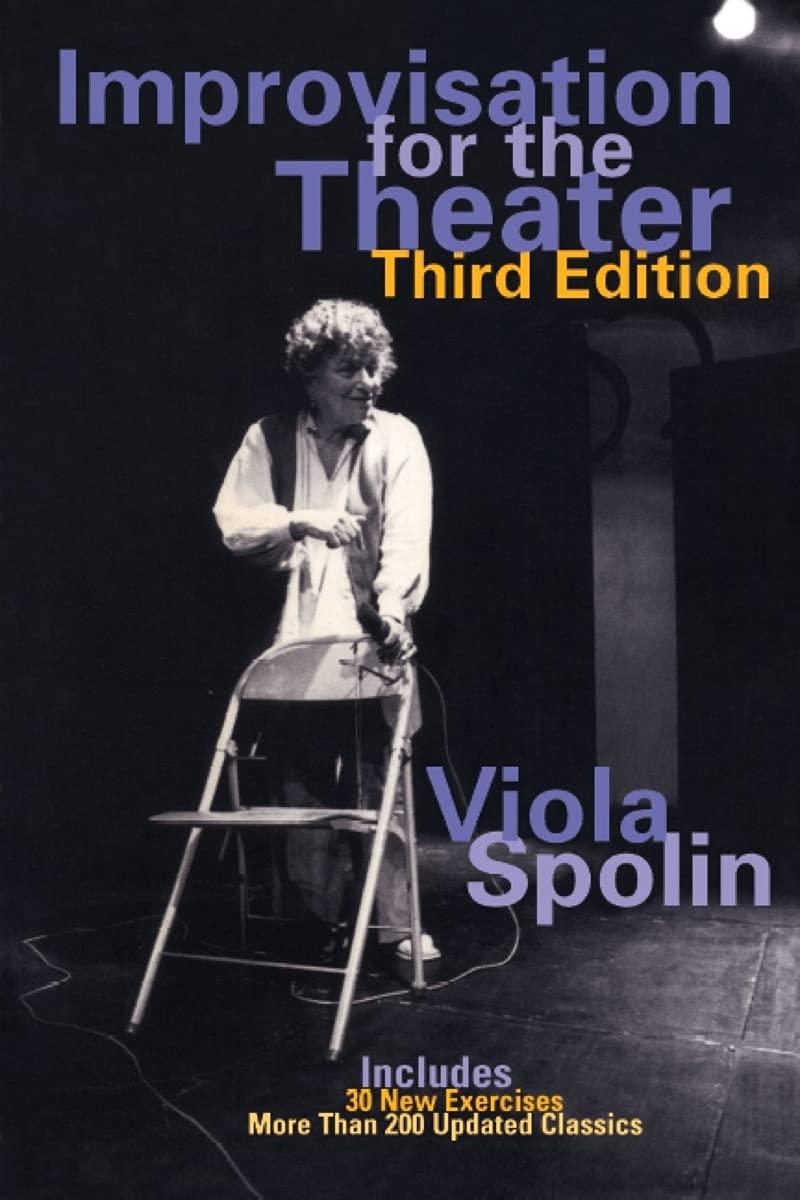
Improvisation for the Theater
A Handbook of Teaching and Directing Techniques
Viola Spolin
How to Reference This Page
The Improv Archive. (2026). Framing. Retrieved November 13, 2026, from https://improvarchive.org/learn-improv/concepts/framing
The Improv Archive. "Framing." The Improv Archive, 2026. https://improvarchive.org/learn-improv/concepts/framing.
The Improv Archive. "Framing." The Improv Archive, 2026, https://improvarchive.org/learn-improv/concepts/framing. Accessed November 13, 2026.
The Improv Archive is a systemically maintained repository. The archive itself acts as the corporate author.