Heat and Weight
A concept from TJ Jagodowski and Dave Pasquesi describing the two primary elements of compelling scenes. "Heat" is the emotional intensity between characters. "Weight" is the significance or consequence of what is at stake. Scenes with both heat and weight feel urgent and meaningful to audiences.
Coined by TJ Jagodowski and Dave Pasquesi, two of the most respected longform improvisers in Chicago, "heat and weight" describes the two essential qualities that make an improvised scene compelling. The framework emerged from their decades-long two-person show TJ and Dave, where every performance consisted of a single unbroken scene built entirely from suggestion. Their work demanded a reliable way to identify what mattered in a scene from its very first moments, and heat and weight became their shorthand for that discovery.
Heat refers to the emotional intensity and intimacy between characters. It is the charge in the relationship, the friction or tenderness or unspoken tension that makes two people on stage matter to each other. Heat is not the same as conflict, though conflict can produce it. A married couple discussing whether to sell their house can carry enormous heat without raising their voices. Two old friends reuniting after years apart can radiate heat through what they choose not to say. The key is that the characters are emotionally invested in each other, not merely exchanging information or playing for laughs.
Weight refers to the significance or consequence of what is at stake. It is the sense that something in the scene genuinely matters, that decisions carry real implications for the characters involved. Weight gives a scene gravity. Without it, even emotionally charged interactions can feel trivial or circular. A scene about whether to order pizza has little weight; a scene about whether to close the family restaurant has a great deal. Weight does not require life-or-death stakes, but it does require that the outcome matters within the world the performers have established.
At the start of a performance, Jagodowski and Pasquesi describe their process as working to identify the heat and weight of the situation. Rather than inventing a premise or forcing a narrative, they listen to each other and to the emerging reality of the scene, searching for where the emotional charge lives and what consequence hangs over it. This process of elimination, as it has been described, involves discarding possibilities that lack sufficient heat or weight until the performers locate the combination that makes the scene feel urgent.
In teaching and coaching, heat and weight offers a practical diagnostic tool. When a scene feels flat, a coach can ask whether it has heat: do these characters care about each other? If the answer is yes but the scene still lacks momentum, the question shifts to weight: does anything meaningful hang in the balance? Scenes that possess both qualities tend to hold audience attention naturally, because they create the conditions for authentic emotional stakes without relying on artificial plot devices.
A common misunderstanding is equating heat with anger or volume, and weight with melodrama. Neither quality requires extremes. Heat can be quiet, expressed through a pause or a careful choice of words. Weight can be domestic and ordinary, rooted in the small but real consequences of everyday life. The framework is closely related to other foundational improv ideas about relationship and stakes, but its particular contribution is in naming these two dimensions separately, giving performers a way to evaluate and adjust their work with precision. Scenes that burn hot but carry no weight become emotionally exhausting without payoff; scenes with weight but no heat feel like exposition. The craft lies in finding both.
Further Reading
See all books →
Improvisation at the Speed of Life
The TJ & Dave Book
T.J. Jagodowski; David Pasquesi; Pam Victor
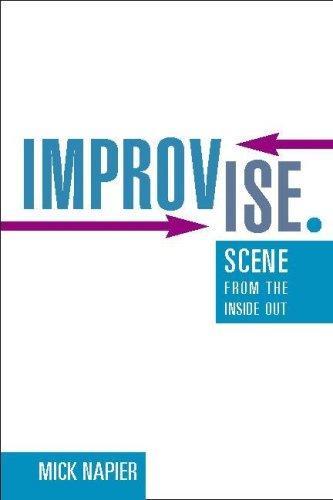
Improvise
Scene from the Inside Out
Mick Napier

Truth in Comedy
The Manual of Improvisation
Charna Halpern; Del Close; Kim Howard Johnson

The 5 Elements of Improv
How to Take Your Improv to the Next Level
Andrew M. Spragge; Karen L. Eichler
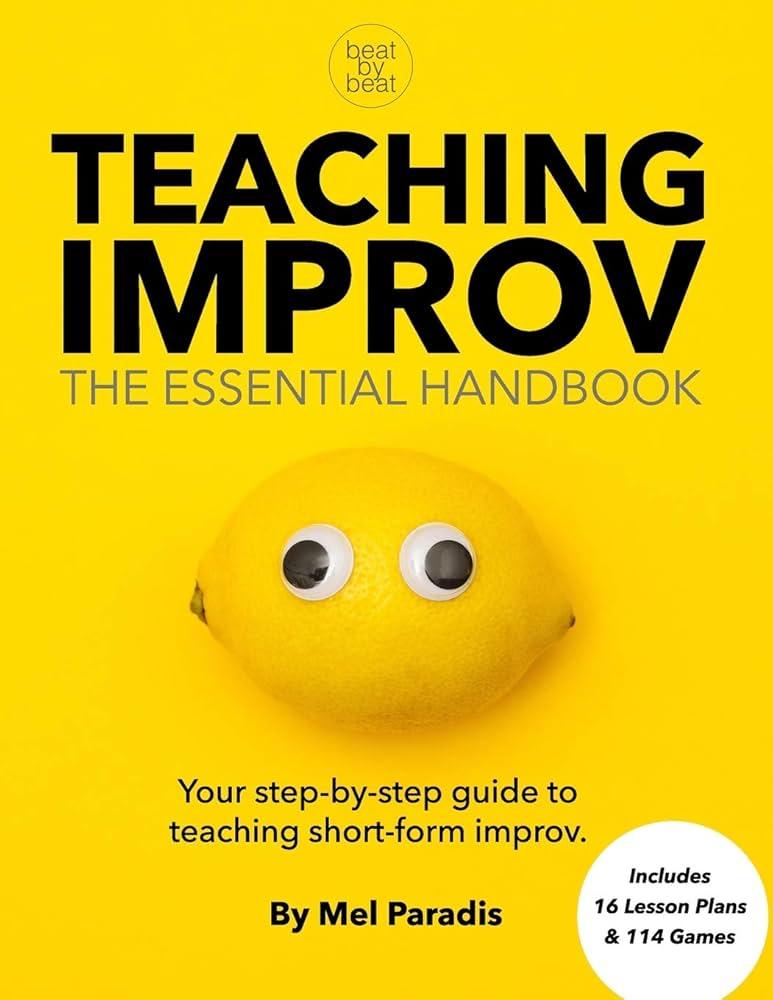
Teaching Improv
The Essential Handbook
Mel Paradis

Improvisation for the Theater
A Handbook of Teaching and Directing Techniques
Viola Spolin
How to Reference This Page
The Improv Archive. (2026). Heat and Weight. Retrieved September 28, 2026, from https://improvarchive.org/learn-improv/concepts/heat-and-weight
The Improv Archive. "Heat and Weight." The Improv Archive, 2026. https://improvarchive.org/learn-improv/concepts/heat-and-weight.
The Improv Archive. "Heat and Weight." The Improv Archive, 2026, https://improvarchive.org/learn-improv/concepts/heat-and-weight. Accessed September 28, 2026.
The Improv Archive is a systemically maintained repository. The archive itself acts as the corporate author.