Make Your Partner Look Good
The principle that each performer should focus on making their scene partners appear talented, funny, and competent rather than trying to stand out individually. When every performer in an ensemble follows this principle, the collective result is stronger than any individual effort.
At its core, this principle asks each performer to shift focus away from their own cleverness and toward the success of their scene partners. When every member of an ensemble commits to making the others appear talented, funny, and competent, the collective result is stronger than any individual effort could produce. The principle operates as both a philosophical stance and a practical technique: rather than competing for laughs or attention, performers actively give their partners whatever they need in the moment to succeed.
The concept appears across virtually every major school of improvisation pedagogy, from Chicago's Second City and iO traditions to applied improvisation in corporate and educational settings. As John Hicks notes in his history of Chicago comedy, the common denominator of improv's rules "boils down to taking care of your scene partner," with group mind essentially meaning make your partner look good. The principle connects directly to the collaborative nature of the art form, where scenes are built through mutual support rather than individual virtuosity.
In practice, making one's partner look good means listening carefully, accepting and building on offers, providing useful information through endowment, and responding with genuine attention rather than planning one's next move. Nick Raitt describes it as a "best practice that helps everybody," noting that it is easier to notice and work with a partner's reactions when one is focused outward. The performer watches for what their partner needs, whether that is space to develop an idea, a complementary emotional reaction, or simply the gift of full attention. Eye contact, as several sources emphasize, is fundamental; one's partner is half the scene.
Teaching the concept often involves side-coaching during exercises, where instructors remind performers to listen, be helpful, and maintain awareness of their partners. In applied improvisation contexts, facilitators use it to lessen social inhibitions by redirecting attention from self-consciousness toward service. The principle also functions as a corrective to the heroic impulse; as Theresa Dudeck frames it, while audiences want the hero to move courageously into the unknown, this concept asks performers to focus on the other person rather than their own journey.
Metz Napier raises an important challenge about the concept's vagueness, asking what it actually means in concrete terms: "Do you say nice things to them, do you uber-agree, do you pat them on the head?" This points to a common misunderstanding where performers interpret support as passive niceness rather than active scene-building. True support does not mean avoiding conflict within scenes or simply complimenting one's partner; it means making strong choices that give partners something substantial to react to and build upon.
The Annoyance Theatre offers a notable counterpoint to the principle, teaching instead that performers should ensure they have "something for yourself, a wish, a desire" when stepping onstage. This tension between selfless support and personal investment reflects a broader pedagogical debate: the most effective application likely involves performers who bring strong individual choices while remaining attentive to how those choices serve the ensemble. The concept sits in close relationship to "Yes, And," active listening, and group mind, forming part of the foundational framework through which improvisers learn to create collaboratively rather than competitively.
Further Reading
See all books →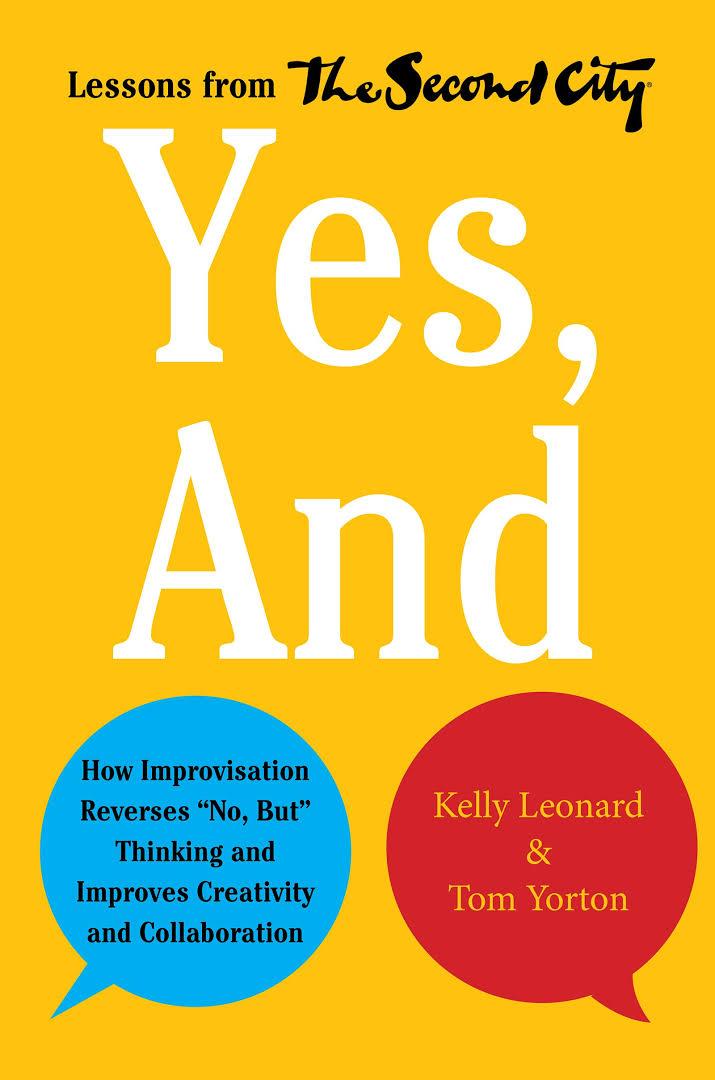
Yes, And
How Improvisation Reverses No, But Thinking and Improves Creativity and Collaboration
Kelly Leonard; Tom Yorton

Theatrical Improvisation
Short Form, Long Form, and Sketch-Based Improv
Jeanne Leep
Improvise
Scene from the Inside Out
Mick Napier
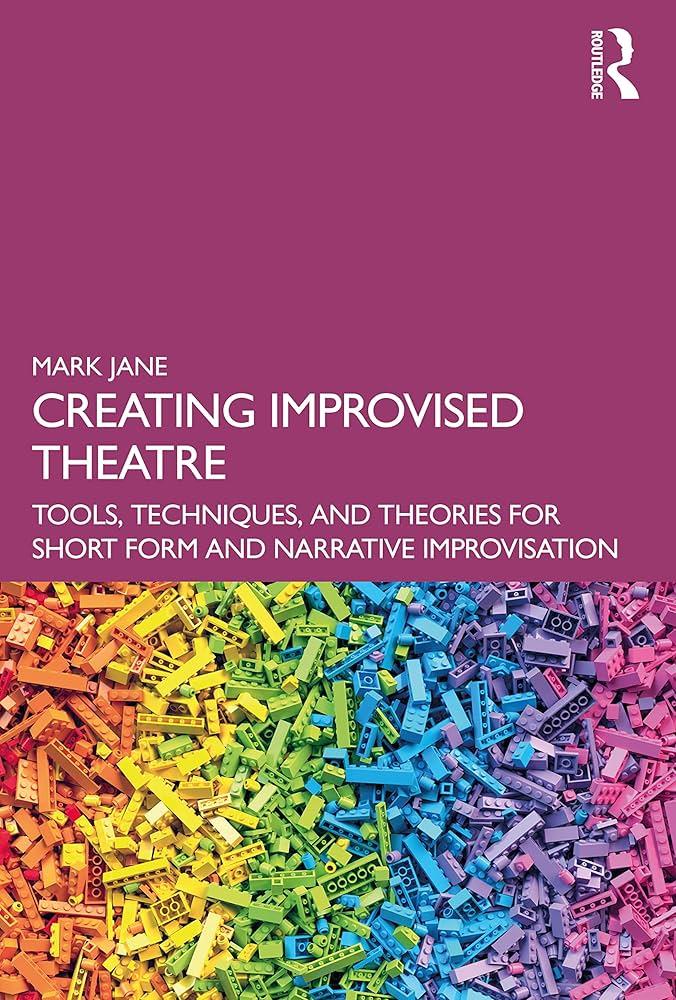
Creating Improvised Theatre
Tools, Techniques, and Theories
Mark Jane

Applied Improvisation
Leading, Collaborating, and Creating Beyond the Theatre
Theresa Robbins Dudeck; Caitlin McClure

The Applied Improvisation Mindset
Tools for Transforming Individuals, Organizations, and Communities
Theresa Robbins Dudeck; Caitlin McClure
How to Reference This Page
The Improv Archive. (2026). Make Your Partner Look Good. Retrieved September 28, 2026, from https://improvarchive.org/learn-improv/concepts/make-your-partner-look-good
The Improv Archive. "Make Your Partner Look Good." The Improv Archive, 2026. https://improvarchive.org/learn-improv/concepts/make-your-partner-look-good.
The Improv Archive. "Make Your Partner Look Good." The Improv Archive, 2026, https://improvarchive.org/learn-improv/concepts/make-your-partner-look-good. Accessed September 28, 2026.
The Improv Archive is a systemically maintained repository. The archive itself acts as the corporate author.