Offers
In Keith Johnstone's framework, any action, line, gesture, or decision that communicates information to a scene partner or audience. Every moment on stage is an offer. The fundamental choice in improvisation is whether to accept, block, or overaccept the offers being made. Johnstone's system categorizes improvisation as a series of offer transactions.
At the foundation of all improvised performance lies a deceptively simple idea: everything that happens on stage communicates something, and each of those communications is an offer. In Keith Johnstone's framework, an offer is any action, line, gesture, or decision that conveys information to a scene partner or the audience. A raised eyebrow, a shift in posture, a single word, the choice to remain silent: all of these qualify. Every moment on stage is an offer, and the fundamental work of improvisation consists of recognizing these offers and deciding how to respond to them.
Johnstone's system treats improvisation as a series of offer transactions. When one performer makes an offer, the partner can accept it (building on the information given), block it (refusing or negating it), or overaccept it (taking the offer further than the original performer intended). Acceptance is the engine of collaborative scene work; blocking tends to stall or collapse scenes. This transactional view gives improvisers a practical vocabulary for understanding why some scenes flow and others stagnate. A scene that feels stuck can almost always be traced back to offers that were ignored, contradicted, or left unacknowledged.
The concept is closely tied to several other core principles. Accepting offers is the behavioral foundation of "yes, and," the widely taught agreement principle. Offers also connect to the idea of endowments, where one performer assigns traits, relationships, or circumstances to another; an endowment is simply a specific kind of offer directed at a scene partner's character. Status transactions, another Johnstone contribution, can be understood as a subset of offers that establish or shift the power dynamic between characters.
In teaching and coaching, offers are often introduced early because they reframe how beginners perceive stage work. New improvisers frequently believe they must invent clever ideas to succeed. The offers framework redirects attention outward: instead of generating material from nothing, performers learn to notice what is already being given to them. Exercises that train this skill often involve one performer making a simple physical or verbal choice while the partner practices identifying and building on it. As the pedagogy in "Acting Through Improv" structures it, offers and blocking form their own dedicated unit of study, positioned between spontaneity work and narrative skills, reflecting how central the concept is to the progression from instinct to story.
A common pitfall is treating offers as exclusively verbal. Spoken dialogue is only one channel. Physical behavior, spatial choices, tempo changes, and even the energy a performer brings to the stage all constitute offers. Another misunderstanding is the assumption that every offer must be accepted enthusiastically. Skilled improvisers learn to accept the informational content of an offer while still making surprising choices about how to build on it. The distinction between accepting an offer and being passive is critical: acceptance is an active, creative response, not mere compliance.
In applied improvisation settings, the offers framework translates directly into collaborative work outside the theatre. As practiced in business and organizational contexts, treating a colleague's ideas and perspectives as offers to be celebrated rather than competed against fosters a more inclusive and generative team dynamic. The principle remains the same: notice what is being given, acknowledge it, and build from there.
Further Reading
See all books →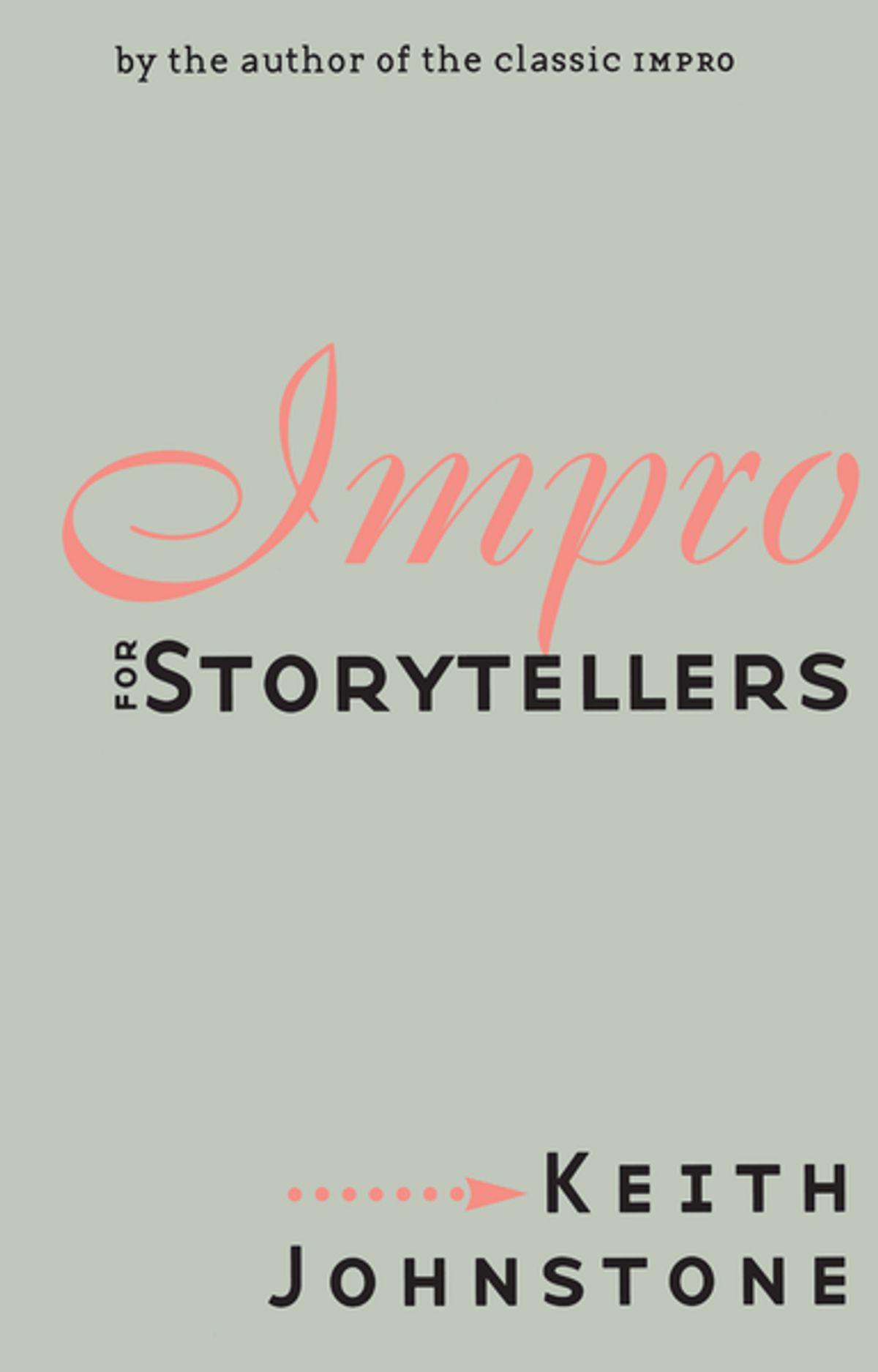
Impro for Storytellers
Keith Johnstone

Impro
Improvisation and the Theatre
Keith Johnstone
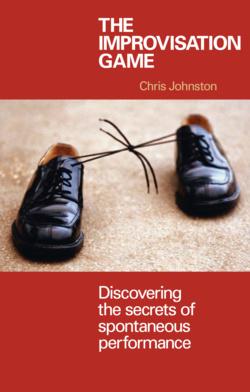
The Improvisation Game
Discovering the Secrets of Spontaneous Performance
Chris Johnston
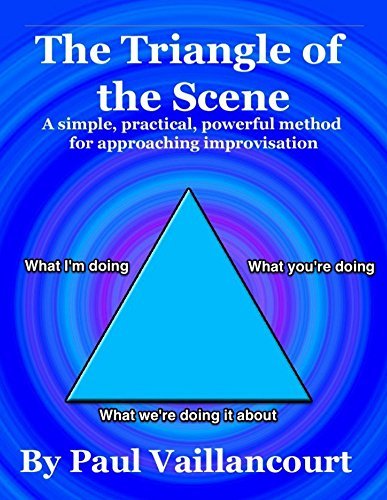
The Triangle of the Scene
A Simple, Practical, Powerful Method for Approaching Improvisation
Paul Vaillancourt
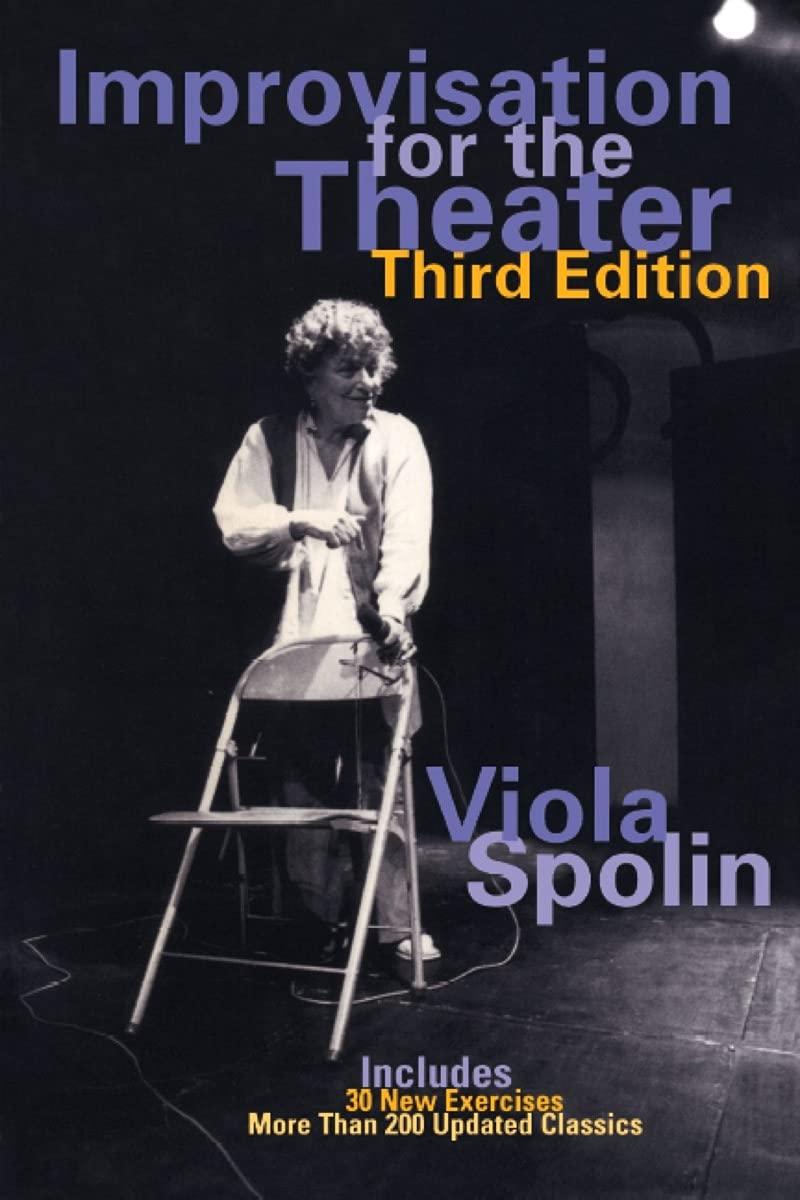
Improvisation for the Theater
A Handbook of Teaching and Directing Techniques
Viola Spolin

The 5 Elements of Improv
How to Take Your Improv to the Next Level
Andrew M. Spragge; Karen L. Eichler
How to Reference This Page
The Improv Archive. (2026). Offers. Retrieved September 28, 2026, from https://improvarchive.org/learn-improv/concepts/offers
The Improv Archive. "Offers." The Improv Archive, 2026. https://improvarchive.org/learn-improv/concepts/offers.
The Improv Archive. "Offers." The Improv Archive, 2026, https://improvarchive.org/learn-improv/concepts/offers. Accessed September 28, 2026.
The Improv Archive is a systemically maintained repository. The archive itself acts as the corporate author.