Rest of the Iceberg
The idea that a well-drawn character implies a complete human being beyond what is visible in the scene. The audience should sense that a character has a life outside the scene, opinions on subjects not discussed, and a history that informs their behavior. The "rest of the iceberg" exists beneath the surface of what is shown.
Every character who steps onto an improvisation stage carries more than what the audience sees in the moment. The concept known as "Rest of the Iceberg" refers to the principle that a well-drawn character implies a complete human being beyond the boundaries of the scene. The audience should sense that a character has a life outside the current interaction, opinions on subjects never discussed, and a personal history that informs their behavior in subtle but observable ways.
The metaphor draws from Ernest Hemingway's iceberg theory of writing, which holds that the dignity of movement of an iceberg comes from only one-eighth of it being above water. Applied to improvisation, the principle suggests that performers should develop far more about their characters than they ever explicitly reveal. What remains unseen provides weight, consistency, and believability to what is shown. A character who enters a scene worried about a job interview carries that tension in their body, their patience with others, their relationship to time, even if the interview is never mentioned aloud.
In teaching, the concept is often introduced as a contrast to the impulse many beginning improvisers have to explain everything about their character through exposition. Rather than announcing biographical details, performers learn to let specificity emerge through behavior, physical choices, and emotional responses. A teacher might coach a student to consider where their character was five minutes before the scene began, what they had for breakfast, or what keeps them awake at night. None of these details need to surface directly, but knowing them gives the performer a foundation from which to react authentically to whatever happens.
The practical application requires improvisers to trust that audiences are skilled readers of human behavior. When a character flinches at a loud noise, or lights up at the mention of a particular city, or grows quiet when a certain topic arises, the audience fills in the implied backstory. This collaborative act of imagination between performer and audience creates richer theatrical experiences than any amount of narrated explanation could achieve.
A common pitfall involves confusing the concept with withholding information for dramatic effect. Rest of the Iceberg is not about keeping secrets from scene partners or creating mysteries to be revealed later. It is about building characters with enough internal life that their responses feel grounded and surprising in equal measure. The depth exists to serve spontaneity, not to set up plot turns.
The concept connects closely to the idea of object permanence in scene work, where characters and their worlds continue to exist even when not being observed. It also relates to the principle of specificity, since the more particular and detailed a performer's internal sense of their character becomes, the more the audience perceives a full human being rather than a sketch. In ensemble work, when multiple performers each carry their own iceberg beneath the surface, scenes develop the layered quality of observed life rather than constructed narrative.
Further Reading
See all books →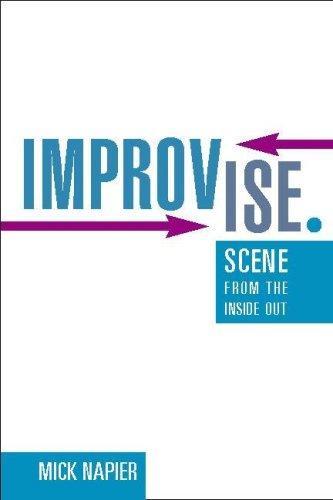
Improvise
Scene from the Inside Out
Mick Napier
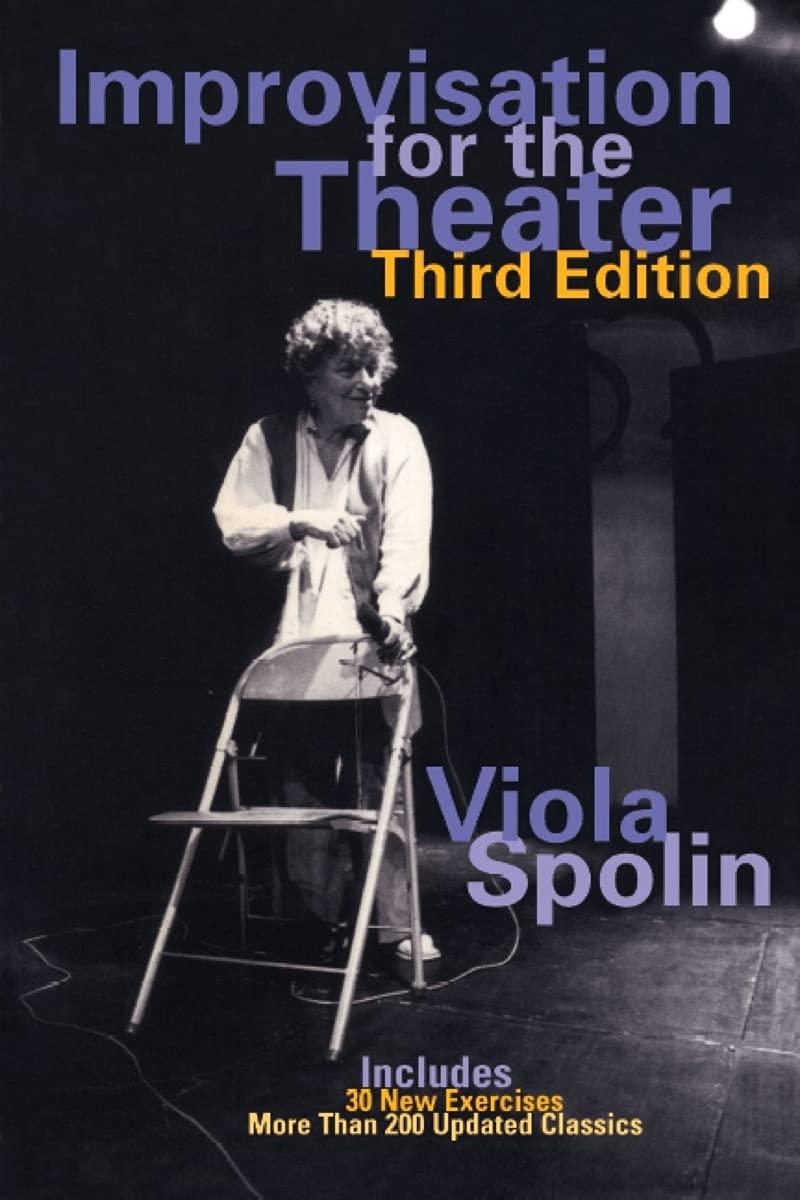
Improvisation for the Theater
A Handbook of Teaching and Directing Techniques
Viola Spolin

Spontaneous Performance
Acting Through Improv
Marsh Cassady
The Actor's Book of Improvisation
Sandra Caruso; Paul Clemens

Book on Acting
Improvisation Technique for the Professional Actor in Film, Theater & Television
Stephen Book

Impro
Improvisation and the Theatre
Keith Johnstone
How to Reference This Page
The Improv Archive. (2026). Rest of the Iceberg. Retrieved November 13, 2026, from https://improvarchive.org/learn-improv/concepts/rest-of-the-iceberg
The Improv Archive. "Rest of the Iceberg." The Improv Archive, 2026. https://improvarchive.org/learn-improv/concepts/rest-of-the-iceberg.
The Improv Archive. "Rest of the Iceberg." The Improv Archive, 2026, https://improvarchive.org/learn-improv/concepts/rest-of-the-iceberg. Accessed November 13, 2026.
The Improv Archive is a systemically maintained repository. The archive itself acts as the corporate author.