Alan Arkin
Alan Arkin (1934-2023) was an actor, director, and writer who came to national prominence through The Second City and went on to an Academy Award-winning film career spanning more than six decades. He joined the Second City ensemble in Chicago in 1960 after working with the Compass Players in St. Louis, performed in landmark early revues alongside Severn Darden, Barbara Harris, and Paul Sand, and brought the company's improvisational character work to New York in the revue From the Second City in 1961. His subsequent Tony Award win on Broadway and Oscar win for Little Miss Sunshine established him as one of the most formally distinguished performers to emerge from the American improv and sketch tradition.
Career
Arkin was working with the Compass Players in St. Louis, the improvisational cabaret company that had grown out of the University of Chicago community, when Paul Sills invited him to join Second City in Chicago in 1960. The Compass Players context was significant: it connected Arkin to the same institutional lineage that had produced Second City's founding ensemble, through the game-based improvisational work that Viola Spolin had developed and that Sills had applied in a theatrical setting.
At Second City, Arkin performed in two revues including one called Animal Fair, or Caviar to the General, appearing alongside Severn Darden, Barbara Harris, and Paul Sand. His own account of the period captures what the training produced: he arrived not funny, and the live audience process, the requirement to build characters in performance and discover through audience response what worked and what did not, taught him the craft. That account is one of the most direct first-person descriptions of what Second City's improvisational character-building method actually did for a performer who had not yet found his range.
In 1961 Arkin traveled to New York with the Second City revue From the Second City, which played off-Broadway and brought the Chicago ensemble's work to a new audience. The New York period launched his Broadway career: he won the Tony Award for Best Featured Actor in a Play for Enter Laughing in 1963, followed by Luv at the Booth Theatre in 1964.
His film career began in the mid-1960s. He received Academy Award nominations for Best Actor for The Russians Are Coming, the Russians Are Coming in 1966, for which he also won the Golden Globe for Best Actor in a Comedy or Musical, and for The Heart Is a Lonely Hunter in 1968. He won the Academy Award for Best Supporting Actor for Little Miss Sunshine in 2006 and received a further nomination for Argo in 2012. The film career extended across more than five decades and included major comedic and dramatic roles across genres.
Arkin also directed, including the Broadway production of Luv and work for film. He published fiction and children's books, and he remained a distinctive presence in American film and television until his death on June 29, 2023, in San Marcos, California, at the age of eighty-nine.
Historical Context
Arkin's historical significance to improv lies partly in the first-person testimony he left about what the Second City training process actually did. His account of arriving at Second City without comic range and building character through audience response in live performance is one of the clearest descriptions available of how the ensemble's improvisational method worked on a performer who was technically trained but not yet theatrically formed in the comic tradition.
His institutional position matters as well. He came through both the Compass Players and Second City in their formative period, the late 1950s and early 1960s when the institutions were defining their methods and their aesthetic identity. His presence in both connects him to the full arc of the post-Spolin, post-University of Chicago improvisational tradition at its origins.
His subsequent Tony and Oscar-winning career documents how the training translated into the highest levels of theatrical and screen performance in ways that neither Broadway nor Hollywood had fully anticipated from a Chicago improv alumnus. That translation remains one of the most visible demonstrations the archive can point to of what the early Second City method produced.
Key Events
Alan Arkin, Second City Original Cast Member and Academy Award Winner, Dies
Alan Arkin died on June 29, 2023 in San Marcos, California at the age of 89. Arkin performed with The Second City ensemble and appeared in its 1961 Broadway production "From the Second City." He won the Academy Award for Best Supporting Actor for "Little Miss Sunshine" in 2007 and built one of the most decorated acting careers to emerge from the Chicago improv tradition.
Teaching Philosophy
Arkin's own account of his formation at Second City is itself a teaching document. He described arriving without comic range and finding it through the live performance process: building one character, then another, with the audience teaching him through response what was funny and what failed. That account implies a specific theory of comic development, that the audience is a necessary collaborator in the formation of a performer's range, and that no amount of prior training substitutes for the live encounter in which material is tested and modified in real time. The improvisational method Arkin encountered at Second City was built on precisely that premise.
Legacy
Arkin's legacy for the improv tradition is the career he built after leaving it. Two Academy Award nominations in the 1960s, a Tony Award, and a final Oscar win in 2006 established him as one of the most formally recognized performers to have come through the early Second City ensemble. That recognition extended the archive of what the Chicago improvisational method could produce into the most prestigious categories of theatrical and screen achievement.
His account of his own formation at Second City, the description of arriving without comedy range and building it through live performance and audience response, has become a frequently cited testimonial to what the improvisational character-building process accomplishes that more conventional theatrical training does not. That testimonial remains one of the most direct and credible available from the tradition's foundational period.
For the archive, Arkin represents the generation of performers whose Second City experience preceded the institution's later fame and whose careers documented the method's potential before the lineage had been widely named or studied.
Early Life and Training
Arkin was born on March 26, 1934, in Brooklyn, New York, as Alan Wolf Arkin. His father, David Arkin, was a painter, writer, lyricist, and teacher; his mother, Beatrice Wortis Arkin, was also a teacher. The family relocated to Los Angeles in 1946, where he attended school and developed early performance interests. He studied drama at Los Angeles City College from 1951 to 1953 and then at Bennington College in Vermont from 1953 to 1954. After Bennington he pursued performance work in New York, where he struggled to find consistent work before being spotted by Paul Sills.
Personal Life
Arkin was born on March 26, 1934, in Brooklyn, New York, and grew up in Los Angeles after 1946. He was married three times: to Jeremy Yaffe (1955-1961), Barbara Dana (1964-2000), and Suzanne Newlander (2003-2023). He had three sons: Adam Arkin, Matthew Arkin, and Anthony Dana Arkin. He died on June 29, 2023, in San Marcos, California, from heart failure, at the age of eighty-nine.
Recommended Reading
Books are ordered from the strongest direct connection outward to broader relevance.

Something Wonderful Right Away
An Oral History of The Second City and The Compass Players
Jeffrey Sweet

The Art of Chicago Improv
Short Cuts to Long-Form Improvisation
Rob Kozlowski

Theatrical Improvisation
Short Form, Long Form, and Sketch-Based Improv
Jeanne Leep

The Second City Unscripted
Revolution and Revelation at the World-Famous Comedy Theater
Mike Thomas
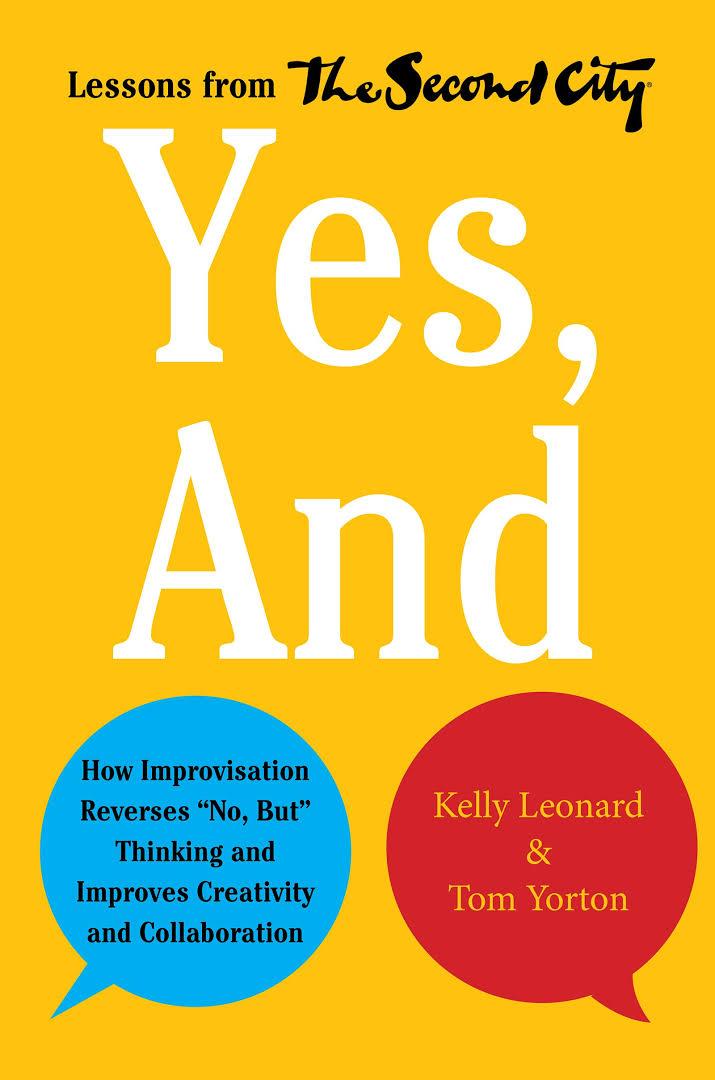
Yes, And
How Improvisation Reverses No, But Thinking and Improves Creativity and Collaboration
Kelly Leonard; Tom Yorton
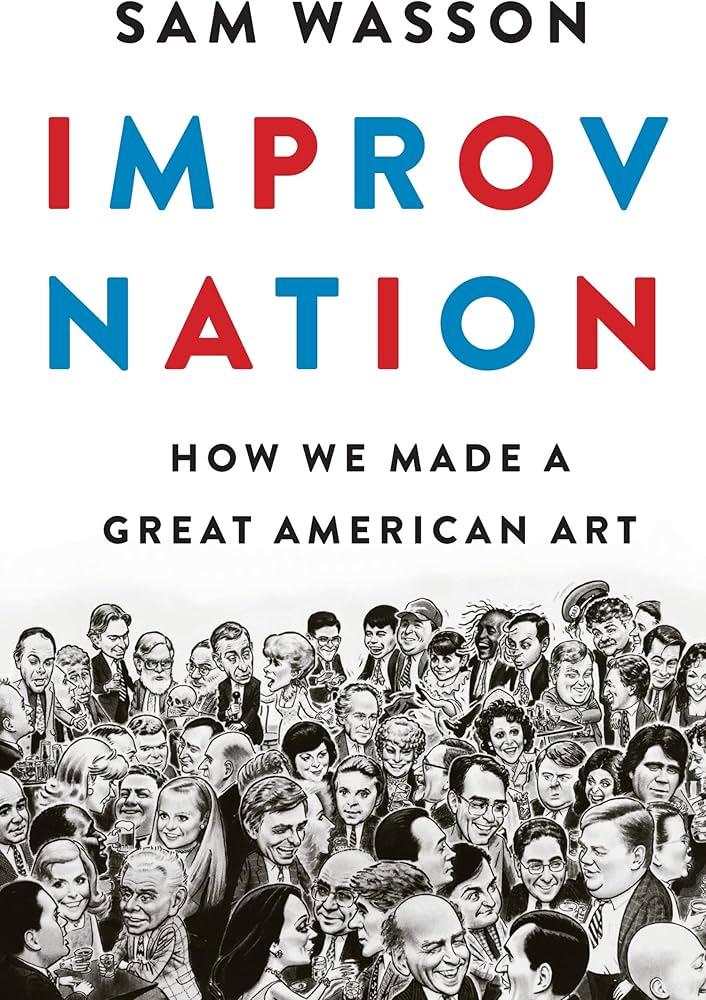
Improv Nation
How We Made a Great American Art
Sam Wasson
References
In the Archive
How to Reference This Page
The Improv Archive. (2026). Alan Arkin. Retrieved September 28, 2026, from https://improvarchive.org/people/alan-arkin
The Improv Archive. "Alan Arkin." The Improv Archive, 2026. https://improvarchive.org/people/alan-arkin.
The Improv Archive. "Alan Arkin." The Improv Archive, 2026, https://improvarchive.org/people/alan-arkin. Accessed September 28, 2026.
The Improv Archive is a systemically maintained repository. The archive itself acts as the corporate author.