David A. Miller is a theatre director, playwright, and educator whose documented professional work is in traditional theatre production, new play development, and theatre-in-education, with a career spanning institutions in New York City and the Pacific Northwest including Wagner College, Playwrights Horizons Theatre School at NYU, and Seattle Children's Theatre.
David A. Miller holds a Bachelor of Arts in Theatre Arts with concentrations in Acting and Directing from Western Washington University in Bellingham, Washington, and a Master of Fine Arts in Directing from the Mason Gross School of the Arts at Rutgers University.
His career encompasses work as a director, playwright, actor, and teaching artist across institutions in New York City and the Pacific Northwest. His New York-area teaching credits include Wagner College, Playwrights Horizons Theatre School at New York University, Manhattan College, City College of New York, and Kingsborough Community College. He served as Director of Educational Outreach at Seattle Children's Theatre, an organization dedicated to youth theatre programming.
Miller founded and led the Artful Conspirators, a new play development ensemble active from approximately 2007 to 2014. His work in new play development included directing world premieres and staged readings of new scripts. He later joined the faculty at Commonwealth University (formerly Bloomsburg University of Pennsylvania), where he teaches acting, directing, playwriting, and new play development courses, and serves as Artistic Director of Plays in Bloom: A New Play Development Program, which supports emerging playwrights through workshop processes and public readings. His practice also incorporates set design, sound design, and curriculum development for theatre training programs at the undergraduate level. Miller's career reflects a sustained engagement with new play development and educational theatre as overlapping domains, with his institutional affiliations spanning community theatre education for youth, conservatory training at the graduate level, and ongoing university faculty positions. Miller co-authored Improv Leadership: How to Lead Well in Every Moment (Zondervan, 2020) with Cory Hartman and Stan Endicott. The book applies improvisational theater principles to pastoral and organizational leadership, arguing that the foundational skills of effective improvisation (including offer acceptance, real-time listening, and support of partners) describe effective leadership behavior with the same precision that they describe effective improv scene work. The book's target audience is primarily church leaders and ministry teams in faith-based organizational contexts, where Miller's background as a theatre director, playwright, and educator in institutional settings gives his contributions a professional perspective on leadership as a performing and relational practice.
Historical Context
Miller's career trajectory from graduate training at Rutgers's Mason Gross School of the Arts through academic and institutional theater positions in New York and the Pacific Northwest reflects a professional path that is more common in traditional theatrical education than in the improv world specifically. His work at Playwrights Horizons Theatre School at NYU, Wagner College, and Seattle Children's Theatre has primarily engaged the intersection of new play development and theater-in-education rather than the improvisational performance tradition.
His co-authorship of Improv Leadership: How to Lead Well in Every Moment (2020) with Cory Hartman and Stan Endicott represents a direct engagement with the applied improv literature, specifically the strand of that literature that addresses pastoral and faith-based organizational leadership. The book translates five improvisational competencies into a framework for pastoral communication: Story Mining (derived from the improv skill of listening for the offer), Precision Praising (from the improv habit of specific acknowledgment), Metaphor Cementing (from the improviser's use of concrete images), Lobbing Forward (from offer development), and Going North (from the improv principle of advancing rather than negating). The book's publication by Zondervan, a publisher specializing in Christian literature, positions it within the faith-based leadership development market rather than the broader applied improv literature that targets secular organizational and corporate audiences.
The book's framing treats improv principles not as metaphors for good leadership behavior but as direct descriptions of the same underlying relational skills in two different contextual applications: the stage and the church or organizational setting. Miller's contribution to this framing draws on his background as a practicing theater director and educator who has spent his career applying theatrical principles to educational and institutional contexts, including theater-in-education and community performance settings that share the applied theater tradition's concern with the real-world effects of theatrical practice.
Legacy
Miller's most documented contribution to the improv-adjacent literature is his co-authorship of Improv Leadership (2020), which represents a specific application of improvisational principles to the faith-based leadership development genre. The book extends the applied improv tradition's reach into a distinct institutional sector (pastoral and ministry leadership in evangelical and mainline Protestant contexts) that had been less extensively addressed by the applied improv literature, which has primarily focused on corporate, nonprofit, and educational organizational contexts.
The Zondervan publication gives Improv Leadership access to distribution networks that reach pastoral education programs, seminary curricula, and church leadership development programs throughout North America and beyond, extending the applied improv tradition's reach into a reader community that may not encounter the secular applied improv literature through conventional channels.
His academic and theatrical career at institutions including Wagner College, Playwrights Horizons Theatre School at NYU, and Seattle Children's Theatre represents a sustained contribution to theater education and new play development across two decades of institutional engagement. His work in these settings has contributed to the training of actors, directors, and theater educators who have carried his applied theatrical and pedagogical frameworks into their own subsequent professional work.
The specific combination of theater education, new play development, and applied improv pedagogy that his career represents positions him within the tradition of theater practitioners who have extended theatrical skills and insights into educational and organizational contexts beyond the conventional theater performance world, a tradition that the broader applied improv movement has been building since the 1980s.
Recommended Reading
Books are ordered from the strongest direct connection outward to broader relevance.

Improv Leadership
How to Lead Well in Every Moment
Stan Endicott; David A. Miller; Cory Hartman

Improvisations in Creative Drama
A Program of Workshops
Betty Keller

Impro
Improvisation and the Theatre
Keith Johnstone

The Young Actor's Book of Improvisation
Dramatic Situations
Sandra Caruso; Susan Kosoff
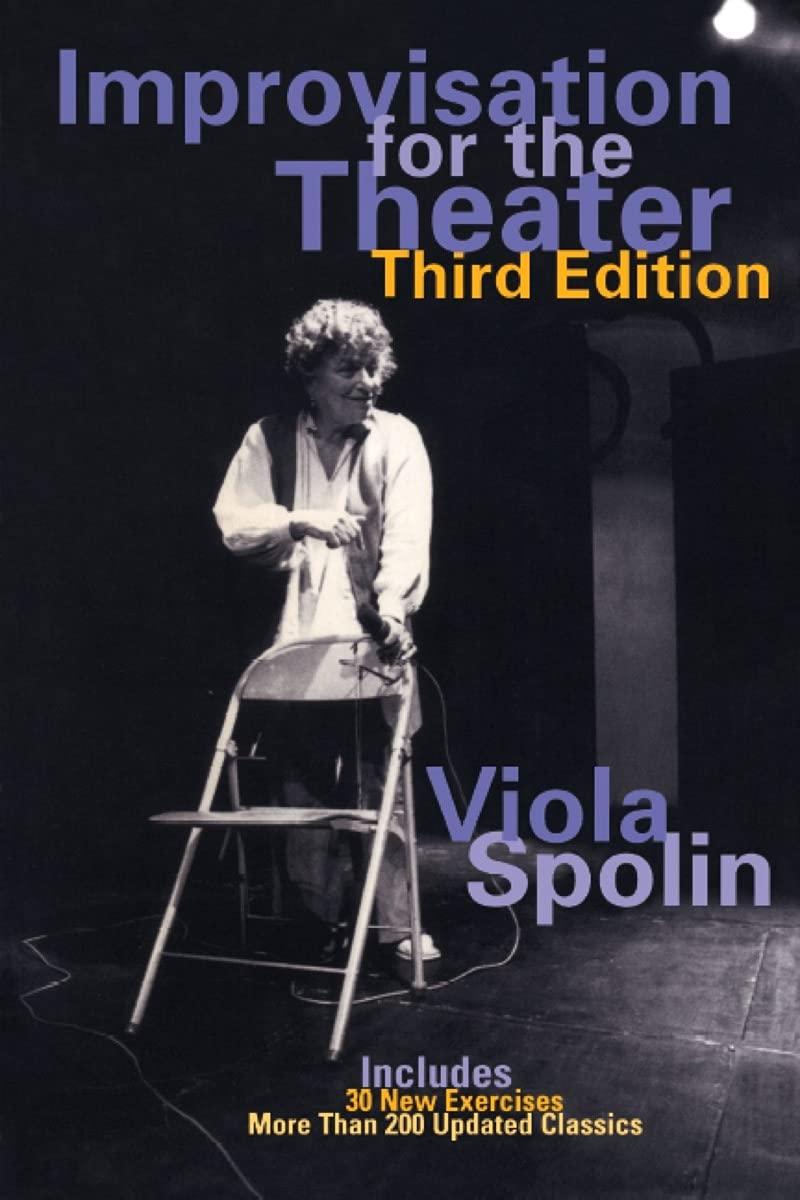
Improvisation for the Theater
A Handbook of Teaching and Directing Techniques
Viola Spolin
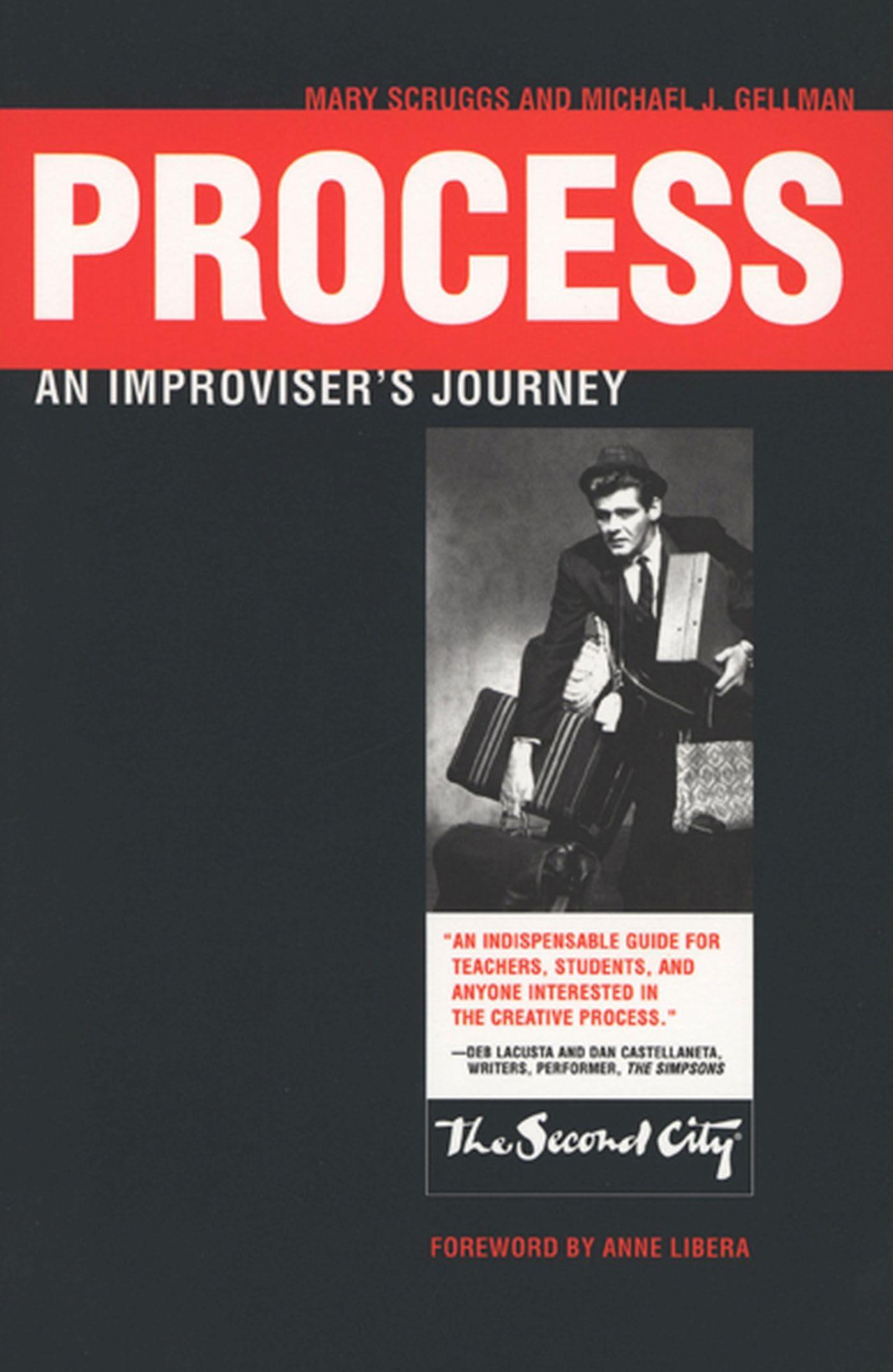
Process: An Improviser's Journey
Mary Scruggs; Michael J. Gellman
References
How to Reference This Page
The Improv Archive. (2026). David A. Miller. Retrieved September 28, 2026, from https://improvarchive.org/people/david-a-miller
The Improv Archive. "David A. Miller." The Improv Archive, 2026. https://improvarchive.org/people/david-a-miller.
The Improv Archive. "David A. Miller." The Improv Archive, 2026, https://improvarchive.org/people/david-a-miller. Accessed September 28, 2026.
The Improv Archive is a systemically maintained repository. The archive itself acts as the corporate author.