Stephen Colbert
Stephen Colbert (born May 13, 1964, Washington, D.C.) is a comedian, writer, producer, and television host who trained at The Second City in Chicago and has hosted The Late Show with Stephen Colbert on CBS since 2015. Colbert performed at the Annoyance Theatre, iO (then ImprovOlympic), and The Second City before co-creating the sketch series Exit 57 and joining The Daily Show with Jon Stewart as a correspondent (1997 to 2005). He created and hosted The Colbert Report on Comedy Central (2005 to 2014), a satirical show parodying right-wing cable news commentary. His career represents the most prominent application of Second City's improvisational and satirical traditions in contemporary American television.
Colbert was born in Washington, D.C., the youngest of eleven children in an Irish Catholic family. His father, James William Colbert Jr., was a physician and medical school dean at Yale and the Medical University of South Carolina. At age ten, Colbert lost his father and two older brothers, Peter and Paul, in the crash of Eastern Air Lines Flight 212 near Charlotte, North Carolina, on September 11, 1974. The family relocated to Charleston, South Carolina, where Colbert attended Porter-Gaud School.
Colbert enrolled at Hampden-Sydney College as a philosophy major before transferring to Northwestern University's School of Speech, where he completed a theatre degree in 1986. At Northwestern, he performed with the campus improv troupe No Fun Mud Piranhas and began performing at the Annoyance Theatre and at Del Close's ImprovOlympic, where he encountered long-form improvisation for the first time.
After graduating, a cash-strapped Colbert took a job at The Second City box office in 1987, answering phones and selling merchandise in exchange for free classes. He joined The Second City Touring Company and began performing at Second City Northwest in 1991 alongside Nia Vardalos, Ian Gomez, Jackie Hoffman, Paul Dinello, and Amy Sedaris. He moved to the e.t.c. stage and then the Mainstage in 1993, appearing in the seventy-seventh revue, Take Me Out to the Balkans, alongside Amy Sedaris and Steve Carell. His final Second City show was Are You Now, or Have You Ever Been Mellow?, which again teamed him with Carell.
Colbert, Sedaris, and Dinello co-created the Comedy Central sketch series Exit 57 (1995 to 1996), followed by a stint on The Dana Carvey Show in 1997. That same year, Colbert joined The Daily Show with Jon Stewart as a correspondent, spending eight years refining a satirical conservative persona that parodied cable news commentators through deadpan commitment to absurd positions.
In 2005, Comedy Central spun off Colbert's Daily Show persona into The Colbert Report, a half-hour show parodying right-wing punditry. The show ran for nine seasons through 2014, won two Peabody Awards and multiple Emmy Awards, and popularized the concept of "truthiness," which Merriam-Webster named its Word of the Year in 2006. The Colbert Report became one of the most influential political satire programs in American television history.
In 2015, Colbert succeeded David Letterman as host of The Late Show on CBS, transitioning from the conservative character to direct political commentary and celebrity interviews. The show earned multiple Emmy Awards including Outstanding Talk Series.
Historical Context
Colbert's training at The Second City in the late 1980s and early 1990s placed him in the company during a period that produced an extraordinary concentration of talent. His Second City cohort included Steve Carell, Amy Sedaris, and Paul Dinello, all of whom went on to significant careers in television and film. The improvisational training Colbert received at Second City, the Annoyance Theatre, and iO provided the skill set that made The Colbert Report possible: the ability to sustain a fully committed character in real time, to respond spontaneously to unexpected developments, and to find the comedic logic within absurd premises.
The Colbert Report (2005 to 2014) represented the most sustained application of improvisational character work in American television. Colbert performed every episode in character as a bombastic conservative commentator, conducting live interviews with politicians, journalists, and cultural figures while maintaining the satirical frame. The show demonstrated that the skills developed in Second City's ensemble rooms, particularly sustained character commitment and the ability to find truth through heightened absurdity, could power a nightly television program watched by millions.
Colbert's transition to The Late Show in 2015 carried Second City's influence into the most visible position in American late-night television. His interviewing style, shaped by years of improvisational training, emphasized active listening and genuine responsiveness rather than the scripted question-and-answer format that defined traditional talk shows.
Legacy
Colbert's career demonstrates the full arc from Second City box office worker to the host of the most prominent late-night show in American broadcast television. That trajectory, passing through improv stages, sketch television, political satire, and mainstream broadcasting, illustrates the range of professional outcomes that improvisational training enables.
The Colbert Report's influence on political discourse extended beyond entertainment. Academic studies found that the show increased political knowledge among viewers, and its satirical format influenced how subsequent programs approached political commentary. The concept of "truthiness" entered the language as a critique of appeals to emotion over evidence, demonstrating that improvisational character work could generate cultural concepts with lasting impact.
Colbert's Second City lineage connects him to a tradition of political satire that stretches back to the Compass Players and the earliest Second City revues. His work continued the company's founding mission of using improvisation and sketch comedy to hold a satirical mirror to American public life, extending that mission from the intimate confines of a Chicago stage to a nightly national television audience.
Recommended Reading
Books are ordered from the strongest direct connection outward to broader relevance.
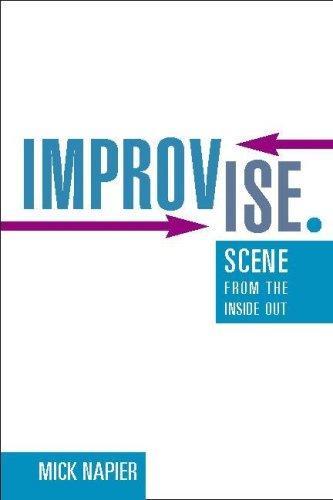
Improvise
Scene from the Inside Out
Mick Napier

Theatrical Improvisation
Short Form, Long Form, and Sketch-Based Improv
Jeanne Leep

Business Improv
Experiential Learning Exercises to Train Employees
Val Gee

The Second City Unscripted
Revolution and Revelation at the World-Famous Comedy Theater
Mike Thomas

Long Form Improvisation and American Comedy
The Harold
Matt Fotis
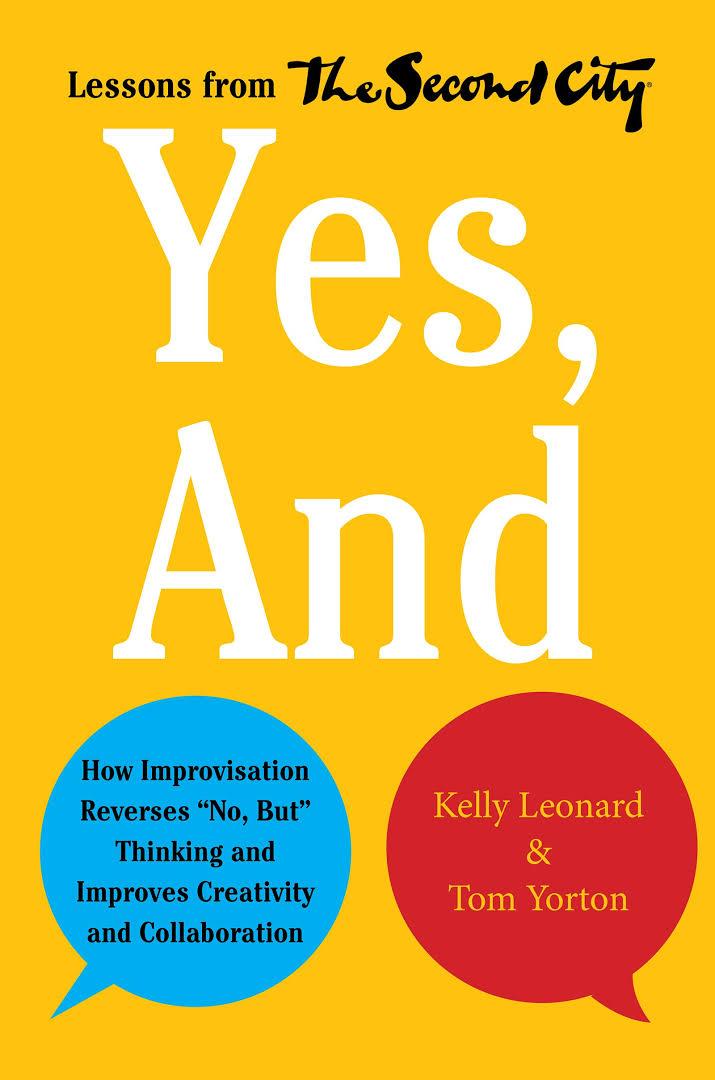
Yes, And
How Improvisation Reverses No, But Thinking and Improves Creativity and Collaboration
Kelly Leonard; Tom Yorton
References
In the Archive
How to Reference This Page
The Improv Archive. (2026). Stephen Colbert. Retrieved September 29, 2026, from https://improvarchive.org/people/stephen-colbert
The Improv Archive. "Stephen Colbert." The Improv Archive, 2026. https://improvarchive.org/people/stephen-colbert.
The Improv Archive. "Stephen Colbert." The Improv Archive, 2026, https://improvarchive.org/people/stephen-colbert. Accessed September 29, 2026.
The Improv Archive is a systemically maintained repository. The archive itself acts as the corporate author.