YouTube Channel
PVImprov
Videos
Standard-length performances, demonstrations, interviews, and instructional material.

Why 'Yes, And' is killing your scenes — and the Monty Python technique that fixes it

RULE 11 - Bring a Brick, Not a Cathedral

RULE 13 - Make Your Partner Look Like a Genius

RULE 12 - Don't Normalize the Scene
RULE 10 - Just Start in the Middle

RULE 9 - Relationships Over Objects

RULE 8 - Play off the Top of Your Intelligence
RULE 7 - Listen, Listen, Listen

RULE 6 - The mistake killing your improv #shorts #improv

RULE 5 - How to Ground your Improv Instantly

RULE 4 – Avoid Vague

RULE 3 – Establish the 'Where' (Location)

RULE 2 – Don’t Ask Questions

The #1 Rule to Avoid Denial and Blocking in Improv #ImprovTips #YesAnd

Rules in Improv? Well, kinda…

Stop Trying to Be Funny (And 12 Other Improv Rules to Actually Be Funny)
 1:22
Stuck on a character? Look in your kitchen!
A PVImprov educational clip exploring a character-building technique rooted in object work and observation. The approach uses everyday objects as archetypes to inform physicality, vocal quality, and behavioral choices, offering performers a concrete starting point for character creation.
 1:28
Chris Gethard just gave us the ultimate cheat sheet to save your improv scenes from "vague-land.
Chris Gethard outlines a three-question framework for grounding improv scenes: why these specific characters, why this particular location, and why this moment in time. The clip, shared by PVImprov, focuses on the principle of specificity and present-tense scene work as tools for avoiding vague, unfocused improvisation.
 1:08
Keegan-Michael Key just dropped the ultimate perspective shift: Improv is like walking backward.
Keegan-Michael Key offers a reframing of how improvisers should approach scene work, comparing the process to walking backward: rather than trying to steer toward a predetermined outcome, performers benefit from observing what has already been established and building from those offers. The clip, shared by PVImprov, underscores the principle of using what has been given over planning ahead.
 1:13
Stop talking about the scene and just SHOOT THE DEER!
Performer and improviser Michaela Watkins discusses the principle of committing to action rather than planning within a scene. Using the metaphor of "shooting the deer," Watkins emphasizes the value of decisive choice-making over deliberation, a foundational concept in longform improvisation. Presented by PVImprov.
 1:02
Don’t TRY to be funny #improv #improvtip #comedy
A brief lesson from PVImprov on the common pitfall of prioritizing jokes over scene integrity. The clip argues that chasing laughs undermines collaborative scene-building and that presence and commitment to the reality of the scene produce stronger results.
 13:50
GENIUS Improv Advice for 14 minutes straight
A compilation of improv advice drawn from interviews with established performers and teachers. Paul Vaillancourt curates clips featuring Tina Fey, Colin Mochrie, Matt Walsh, Amy Poehler, Ben Schwartz, Jason Mantzoukas, Pete Holmes, Dave Koechner, Michaela Watkins, and others, each offering perspective on scene work, performance mindset, and the craft of improvisation.
 7:18
This ONE LINE Can Save Your Improv Scene
Paul Vaillancourt demonstrates a single-line technique for adding emotional weight and narrative stakes to an improv scene. The lesson focuses on using references to a character's history or philosophical stance to create depth and generate organic callbacks. The video is aimed at performers looking to move beyond surface-level scene work without resorting to forced choices.
 1:26
The Secret to Powerful Improv Skills
A short instructional piece from PVImprov covering techniques and strategies used by experienced improvisers to strengthen their stage work.
 7:43
The SECRET Exercise Every Improviser Needs!
Paul Vaillancourt presents a core improvisation exercise designed to build foundational performance skills. The video walks through the exercise structure and offers guidance on how to incorporate it into regular practice. Vaillancourt is the author of The Triangle of the Scene.
 1:34
5 Improv Tools That Just Work
An installment of PVImprov's recurring series on five core improv tools. The video focuses on practical techniques for building stronger scenes through character naming, spatial detail, emotional range, recurring character patterns, and physicalization.
 1:33
5 Improv Tools That Just Work Pt. 4
Part four of PVImprov's series on foundational improv tools, continuing the discussion of naming, environment building, emotional depth, character refrains, and physical commitment in scene work.
 1:29
5 Improv Tools That Just Work Part 3
Part three of PVImprov's ongoing series on essential improv tools. This installment continues the exploration of techniques for deepening relationships, sharpening character work, and grounding scenes through physicality and environment.
 1:28
5 Improv Tools that Just Work
PVImprov presents a concise overview of five practical improvisation techniques aimed at performers across experience levels. The video covers tools applicable to both stage performance and broader communication contexts.
 7:36
5 Improv Tools That Just Work
Paul Vaillancourt of PVImprov walks through five core tools he returns to regularly in scene work: naming (characters, relationships, locations), environment work through object interaction, emotional depth, character refrains, and physicalization. Each tool is presented as a reliable technique for grounding scenes and building dimension in performance.
 4:06
Exclaim the Name: The Game-Changer for Improvisers
Paul Vaillancourt hosts guest instructor Karla Dingle, who presents a naming technique for improv scenes. The method centers on exclaiming character names as a tool for strengthening relationships, reinforcing memory of names during scenes, and initiating game-based play.
 1:40
Improv's Biggest Problem (And the Fix) #improvcomedy #tips
PVImprov addresses the ephemeral nature of improvisation as an art form and argues for recording and sharing performances online. The video frames digital distribution as a way to preserve work that otherwise vanishes after a single showing, and as a tool for growing the audience for live improv.
 1:31
Who is the FINAL judge of a GOOD/BAD Improv show? #improv #improvtips #improvcomedy
PVImprov explores how improvisers should evaluate their own work. The video argues that audience reaction is not the definitive measure of a show's quality, and that performers should assess success against their own artistic intentions and craft goals.
 1:11
Go BIG…Then KEEP going BIG! #improv #improvtips #improvcomedy
A short-form tip from PVImprov on the principle of commitment in improvisation. The clip emphasizes sustaining bold character choices, physicality, and vocal work throughout a scene rather than retreating to safer territory after an initial strong initiation.
 1:04
Yes - I said it! Check out the tip to see WHY. #improv #improvtips #improvcomedy
A brief instructional clip from PVImprov sharing a single performance tip for improv practitioners.
 1:18
This mindset change saved my improv #improv #mindset
PVImprov presents a brief lesson on a mindset shift aimed at simplifying one's approach to improvisation. The video frames the adjustment as a way to stay present and reduce overthinking in scenes.
 1:23
This three step process brought a wholeness and unity to my work. #improv #improvtips #improvcomedy
PVImprov presents a three-step process aimed at bringing cohesion and unity to an improviser's work. The short-form lesson outlines a structured approach to integrating the elements of a performance into a more unified whole.
 1:15
Most improvisers miss this environmental trick #improv #stage #comedy
A short instructional clip from PVImprov on using the physical environment to ground and enrich improv scenes. The video addresses a common oversight among improvisers: neglecting spatial and environmental details that can inform character behavior and scene dynamics.
 1:08
To avoid being overwhelmed at the top of a scene one needs know what to focus on and when. #improv
Paul Vaillancourt addresses how to manage the opening moments of an improv scene without becoming overwhelmed. The clip focuses on identifying which elements to prioritize at the top of a scene and in what order, offering a framework for building a strong scenic foundation.
 1:18
Relationship - this is one of the most important things in a scene. #improv #improvtips
Paul Vaillancourt discusses the role of relationship as a foundational element of scene work. The clip emphasizes how establishing and maintaining character relationships strengthens storytelling and audience engagement in improvised performance.
 1:26
The Improv Principle Nobody Gets Right #improv #comedy #technique
A short educational clip from the PVImprov channel in which Paul Vaillancourt identifies a commonly misunderstood improv principle and discusses how to apply it correctly in performance.
 22:15
39 Years of Improv Advice in 22 Minutes
Paul Vaillancourt distills nearly four decades of experience into an extended educational overview covering foundational improv principles. Topics include Yes, And, relationship-building, bold choices, scenic environment work, character dynamics, scenic inertia, and techniques for solo practice. The video is structured as a comprehensive guide aimed at improvisers across experience levels, drawing on Vaillancourt's long career as a performer and teacher.
 12:32
Tag-Outs Done Right | Professional Improv Technique
Paul Vaillancourt breaks down the tag-out as a longform improv technique, covering five strategies for effective execution and three common mistakes. The lesson addresses how tag-outs add variety and energy to a set while examining the risks of poor timing or execution that can disrupt scene flow. Part of the PVImprov educational series.
 4:48
MASTER Scene Starts with These 5 POWERFUL Techniques
Paul Vaillancourt, a veteran improviser and iO Chicago alumnus, presents five techniques for strengthening scene initiations. The lesson covers using emotional commitment, environment work, and giving scene partners strong offers from the first moment of a scene. Produced as part of the PVImprov educational series.
 12:29
Solo Improv Exercises That ACTUALLY Improve Your Skills
Paul Vaillancourt presents a set of solo practice exercises designed to build core improv skills without a scene partner. Topics include developing an improviser's mindset, constructing strong offers, creating characters quickly, and integrating these elements through solo scene work. The video is structured as a practical training guide, offering exercises that can be done independently to prepare for ensemble performance.
 7:10
Master Improv: Ben Schwartz’s 7 Essential Rules
Paul Vaillancourt of PVImprov examines seven principles for long-form improvisation drawn from a Washington Post feature on Ben Schwartz. The video covers topics including ensemble composition, risk-taking, audience interaction, and finding a distinct performance voice. Schwartz is known in the improv world for his long-form work, including the Netflix special series Middleditch and Schwartz with Thomas Middleditch.
 1:01
The BEST Improvisers do these 3 THINGS! #improvisation #improv #improvtips
A short educational clip from PVImprov identifying three foundational habits shared by strong improvisers, including active listening, agreement, and heightening choices within a scene.
 3:05
Want to be really BAD AT IMPROV? Start Here! Improv Tip #204 (2023)
Paul Vaillancourt takes a counterintuitive approach in this lesson, cataloguing common mistakes improvisers make as a way to illuminate better practice. The format inverts the typical instructional structure, framing bad habits to help performers recognize and correct them. This is episode 204 in his Improv Tip series on the PVImprov channel.
 4:28
Kristen Wiig + a Cupcake = Better Improv? Improv Tip #203 (2023)
Improv teacher Paul Vaillancourt analyzes Kristen Wiig's performance in the film Bridesmaids to illustrate a technique applicable to improvisation. The lesson draws on a specific moment from the film to demonstrate how performers can deepen their scene work. Vaillancourt is the author of The Triangle of the Scene. This is episode 203 in his ongoing Improv Tip series on the PVImprov channel.
 1:13:39
Improv AMA with Paul Vaillancourt and Brian James O'Connell
A long-form AMA livestream pairing Paul Vaillancourt with Brian James O'Connell, a film and television director, longform deconstruction practitioner, and member of the comedy collective Dr. God. The conversation covers their respective origin stories in comedy, regional differences across improv scenes in the United States, and audience questions on craft and career.
 5:40
Your Improv Is Missing This Critical Element - Improv Tip #202
Paul Vaillancourt examines the role of relationship as a foundational element of scene work. The tip defines what playing the relationship means in practice, explains why it matters, and offers approaches for strengthening relational dynamics between scene partners. This is tip number 202 in the PVImprov series.
 17:23
10X Your Improv Skills with the Power of Discovery 🚀 - Improv Tip #201
Guest instructor Lauren Baumbauer explores the role of authentic discovery in improvised scenes, arguing for trust and openness over pre-planning. The episode includes a demonstration of "Garden Tracks," an exercise designed to train improvisers in allowing unexpected developments to emerge organically.
 5:31
The Missing Piece in Your Improv Scenes
Paul Vaillancourt presents a technique for injecting energy and raising the stakes in scenes that feel flat or directionless. The tip targets a common performance gap where scenes have characters and a setting but lack a driving force. Part of the PVImprov tip series, the segment is aimed at performers across experience levels looking for a concrete tool to heighten their scene work.
 9:33
The Secret Ingredient to Great Improv Comedy - Improv Tip #199
Guest instructor Sean Taylor, a principal owner of Made Up Theatre in the San Francisco Bay Area, presents three techniques for deepening connection with a scene partner. The lesson centers on bringing genuine care and emotional generosity into improvised work.
 8:02
Knowing This About Improv Will TRANSFORM your scenes!
Guest instructor Llaura Hughes offers a framework for navigating the many choices improvisers face when initiating scenes. The tip addresses decision-making under pressure, a challenge common to both new and experienced performers.
 6:17
Improv Tips #197 - Top 3 Tips for Creating Characters (2023)
Paul Vaillancourt presents three techniques for building characters in improvised scenes. The lesson covers foundational character-creation methods accessible to beginning improvisers.
 4:44
The Most Unique Voice In Improv Comedy - YOURS!
Juan Velasco discusses the importance of developing and trusting one's own artistic voice in improvisation. The lesson frames improv as a vehicle for authentic self-expression and encourages performers to bring their individual perspective to the stage.
 6:32
This Changes How You Think About Improv Scenes
Rich Baker presents "Vague to Clear," an alternative framework for approaching the top of an improv scene. Rather than the conventional emphasis on establishing who, what, and where immediately, the technique encourages performers to let specificity emerge progressively through discovery.
 5:58
Jackal Ears: A great HACK for leveling up your improv!
Anthony Francis introduces "Jackal Ears," a listening framework adapted for improv scenework. The concept offers improvisers a structured approach to upgrading how they receive and respond to information from their scene partners, targeting one of the art form's most foundational skills.
 14:11
Most Improvisers Waste Their Warm-Ups (Here's Why)
Guest instructor Liam Webber examines how improvisers can extract more value from warm-up exercises. The lesson addresses the selection and execution of warm-ups as a deliberate practice tool rather than a rote pre-show ritual.
 5:20
The REAL Reason Improvisers Keep Coming Back
Shaun Landry, a veteran of the American improv and sketch comedy scene, reflects on what sustains improvisers over the course of a long career. Drawing on more than 30 years of experience, Landry speaks to the deeper motivations that keep performers returning to the art form.
 4:23
This One Improv Principle Will Transform Your Scenes
Guest instructor Mike Palma discusses the principle of prioritizing relationships at the top of a scene. The lesson emphasizes how establishing a clear interpersonal dynamic between characters strengthens scenework, particularly in long-form improv.
 4:21
Slow Down: The Power of Playing At Your Own Pace
Guest tipper Jess Napthine-Hodgkinson offers guidance on playing at a sustainable personal pace in improv scenes. The tip addresses energy management for performers with hidden conditions that may affect stamina and explores how improv communities can build more inclusive and accessible programs. Part of the ongoing tip series from PVImprov, this segment is relevant to facilitators, teachers, and coaches looking to accommodate a wider range of performers.
 9:14
Unlock Improv with These Back Pocket Games
Velvet Wells introduces the concept of "back pocket games" as a strategy for improvisers who find themselves overthinking during scenes. The tip addresses one of improv's most common challenges: getting out of one's head and returning focus to the work onstage.
 9:21
Level Up Your Improv: 3 Techniques for Strong Scene Starts!
Paul Vaillancourt presents three techniques for initiating improv scenes with greater clarity and intention. The lesson targets scene starts as a foundational skill applicable across long-form, short-form, and acting contexts.
 8:12
The Secret to Great Improv - ASK WHY
Guest tipper Gary Ware discusses the technique of asking "why" within a scene to generate energy and deepen the emotional or narrative stakes. The episode is part of PVImprov's tip series hosted by Paul Vaillancourt.
 8:44
Follow the Fun...ny to Transform Your Improv Scenes
Guest tipper Will Lurea presents his approach to scene work on PVImprov, blending elements of short form, long form, narrative, and musical improvisation under a philosophy centered on following comedic and joyful impulses within a scene.
 3:13
Get THIS One Detail Right, and Your Improv Will Soar
Paul Vaillancourt explores the concept of restraint in scene work, advocating for leaving room in a scene rather than over-establishing every detail. The lesson applies across short form, long form, and Harold-based performance.
 4:57
Most Destructive Thing Every Improviser Must STOP Doing
Joe Bill discusses a common habit that undermines improvisers' work, offering perspective on the internal struggles artists face in performance and practice. The episode is part of PVImprov's tip series hosted by Paul Vaillancourt and features commentary from David Razowsky, Jill Bernard, Mark Sutton, Mick Napier, Patti Stiles, Stacey Hallal, and Susan Messing.
 4:07
Improv Tip #182 - Don't Make Your Partner a Puppet (2021)
Paul Vaillancourt presents a tip on avoiding the impulse to control a scene partner's choices, framing it as a common habit that can drain energy from collaborative scene work. The tip encourages performers to empower their partners rather than dictating their behavior onstage.
 7:08
The Jar of Awesomeness: A New Way to Inspire Improvisers
Guest instructor Elizabeth "EB" Byland shares a motivational tool called the "Jar of Awesomeness," a practice for managing the emotional highs and lows of an improv career. Part of the PVImprov tip series hosted by Paul Vaillancourt.
 4:04
Improv Tip: Be Yourself (On Purpose)
Guest instructor Jenn Bianchi presents a technique called "Be Yourself on Purpose," a method for bringing greater authenticity to scene work. The tip encourages performers to draw on their own perspectives and personality as a deliberate creative choice. Part of the PVImprov tip series hosted by Paul Vaillancourt.
 5:07
Boost Improv Scenes with These Relationship Tips!
Paul Vaillancourt examines the interplay between relationship and activity as dual priorities in scene creation, framing their connection through the lens of "transaction and currency." The short-form teaching segment explores how these two elements work together to produce richer, more grounded scenes.
 7:49
Authentic Connections in Improv
Guest instructor Neil Curran shares techniques for building authentic connections on stage, hosted on the PVImprov channel. The segment addresses how genuine engagement between scene partners can strengthen and deepen improvisational work.
 4:52
Unlock Better Improv Scenes with THIS One Question!
Paul Vaillancourt presents a short-form teaching segment on the scenic tool "What does it mean?" The technique encourages performers to interrogate the significance of what is happening in a scene, aiming to deepen discovery and specificity in the moment.
 12:07
Unlock Your Improv Duo's Potential with These 3 Tips!
Paul Vaillancourt presents three techniques for expanding two-person improv scenes on the PVImprov channel. The episode focuses on moving duo work from flat, two-dimensional exchanges into richer, more layered scene construction.
 5:32
The One Listening Skill Every Improviser Needs
Guest tipper Roberto Lewis shares his perspective on listening as a foundational improv skill on the PVImprov channel. The segment examines how active, intentional listening strengthens scene work across all levels of experience. Hosted by Paul Vaillancourt.
 5:23
The Secret to Great IMPROV is WRITING?
Rich Talarico, a member of the long-running trio Dasariski (with Bob Dassie and Craig Cackowski), describes the practice of transcribing recorded performances as a development tool. The technique involves reviewing and writing out improvised scenes after a show, allowing performers to study their own patterns, choices, and missed opportunities on the page. The clip is hosted by Paul Vaillancourt on the PVImprov channel.
 6:45
Something Transformative Happens When Improv Spaces Become Truly Safe
Jill Bernard joins Paul Vaillancourt on the PVImprov channel to discuss the importance of creating genuinely safe environments in improv spaces. Bernard shares practical approaches for building trust and psychological safety within improv groups, framing safety as a catalyst for more transformative creative work.
 6:51
The Genius of Childlike Imagination
Guest tipper Katy Chase presents three tips on the PVImprov channel about channeling a childlike imaginative mindset in improvisation. The segment examines how approaching scene work with the uninhibited creativity of a young child can benefit performers at any level. Hosted by Paul Vaillancourt.
 7:05
This ONE Technique Separates Good From Great Online Improvisers
A PVImprov guest tip segment in which Shannon Stott offers practical strategies for performers working in online and Zoom-based improv formats. The episode covers techniques and resources for adapting scene work to a virtual environment. Hosted by Paul Vaillancourt.
 4:09
Controversial Take: Improv Should Never Be Taken Seriously
Mick Napier delivers a guest tip on the PVImprov channel arguing that treating improvisation as low-stakes frees performers to take bigger risks. The segment explores how releasing the pressure of significance can paradoxically improve the quality and boldness of scene work. Hosted by Paul Vaillancourt with Jennifer Estlin.
 4:07
Why NOT Listening Is Killing Your Scenes
Guest tipper Jordan Black discusses the role of listening in scene work on the PVImprov channel, identifying poor listening habits as a common source of weak scenes and offering practical guidance for staying present with scene partners.
 10:44
Become the Best at Improv Monologues
Guest tipper Corey Rosen shares techniques for stronger improvised monologues on the PVImprov channel. The episode covers storytelling craft as it applies to monologue-based improv forms, offering guidance for performers at all experience levels.
 5:08
The Secret to Great Improv is Organization
Guest tipper Denzel Belin discusses the importance of organizational systems for improvisers, arguing that offstage preparation and structure directly support stronger onstage performance. Published on the PVImprov channel.
 6:27
The Improv Technique Matt Besser Swears By
Matt Besser discusses the technique of grounding in improv scenes during a conversation with Paul Vaillancourt on the PVImprov channel. Besser, a co-founder of the Upright Citizens Brigade, emphasizes grounding as a foundational skill for building believable scene work, applicable to improvisers at any experience level.
 12:11
Improv Tip #165 Tools for Vulnerability (w/guest tipper Jill Eickmann) 2021
Jill Eickmann, a veteran improviser and licensed therapist, discusses vulnerability in scene work. The tip covers strategies for navigating moments when scenes become emotionally charged, as well as techniques for accessing genuine emotion in a controlled way that adds depth to performance without compromising the performer's well-being.
 6:34
Improv Tip #164 Know and Honor Your Audience (w/Stephanie Rae) (2021)
Stephanie Rae discusses the importance of identifying and honoring one's audience as an improviser. The tip addresses how awareness of who performers are playing for can shape creative choices, touching on the relationship between performer intent and audience experience.
 2:23
Improv Tip #163 My Pre-Show Ritual (w/Stephanie Courtney) (2021)
Stephanie Courtney shares her pre-show ritual for getting into the right mental state before performing. The brief tip focuses on the psychological preparation side of improvisation, addressing how performers can manage their headspace in the moments leading up to a show.
 19:01
Improv Tip #162 What you need to know about Short form vs Long form (2021)
Paul Vaillancourt examines the distinctions between short-form and long-form improvisation, outlining the structural and philosophical differences that define each approach. The discussion covers how each format serves different performance goals and skill sets, offering a framework for understanding the ongoing conversation within the improv community about the two traditions.
 9:16
Improv Tip #161 The Power of Big Choices (2021)
Paul Vaillancourt examines the value of making bold, committed choices in scene work. The episode covers how big choices benefit the performer and the scene, and concludes with a practical tool for energizing a scene that has lost momentum.
 4:41
Improv Tip #160 Be A Witness Not A Judge (w/Jonathan Nguyen) (2021)
Guest Jonathan Nguyen, a veteran improviser and teacher, presents the principle of approaching scene work as a witness rather than a judge. Part of Paul Vaillancourt's PVImprov tip series, the episode addresses the distinction between observing what is happening in a scene versus evaluating it.
 6:50
Improv Tip #159 Shed Your Social Mask (w/Liz Allen) (2021)
Guest Liz Allen, an experienced improviser and teacher, discusses the concept of shedding one's social mask during scene work. Part of Paul Vaillancourt's PVImprov tip series, the episode addresses the tendency for performers to default to guarded social behavior onstage and offers strategies for more authentic presence in scenes.
 7:14
Why You're PANICKING in IMPROV (And How to Stop) (w/Jully Lee) (2021)
Guest tipper Jully Lee joins Paul Vaillancourt to address the experience of freezing or panicking onstage during improvisation. Lee, a veteran improviser and teacher, offers practical strategies for managing performance anxiety and staying present in a scene.
 4:32
The Mind-Blowing Christmas Tree Theory Revealed!
Paul Vaillancourt introduces the Christmas Tree Theory of Scene Work, a pedagogical framework that emphasizes building strong foundational relationships in a scene before layering on additional elements such as flashbacks or heightened entrances. The metaphor positions the relationship as the trunk that supports and gives meaning to the ornamental choices performers add.
 6:46
Improv Tip #156 The Four Horsemen of the Scenic Apocalypse (w/Rob Reese) (2020)
A PVImprov guest tip from veteran improviser and teacher Rob Reese, who identifies four common scene traps he calls "The Four Horsemen of the Scenic Apocalypse." Reese offers diagnostic framing and practical strategies for recognizing and escaping these recurring pitfalls during performance.
 4:02
Improv Tip #155 Speak Subtext and Listen Viscerally (w/Melanie Chartoff) (2020)
A short-form educational tip from PVImprov featuring guest Melanie Chartoff on two complementary scene techniques: speaking subtext and listening viscerally. Chartoff discusses how performers can deepen their work by voicing what lies beneath dialogue and by engaging with scene partners on an instinctive, physical level rather than purely intellectual processing.
 23:17
Want to Master Improv Solo? - Part 4: Scene Work - Improv Tip #154
Part four of Paul Vaillancourt's solo improv practice series, focusing on scene work. Vaillancourt presents exercises designed to develop scene skills without a partner, covering techniques for building characters, relationships, and narrative while training alone. The series addresses a challenge that became especially relevant during the 2020 period of theatre closures: maintaining and sharpening performance skills outside of a group rehearsal setting.
 9:10
Improv Tip #153 Creating More Complex Characters AND Bonus Content (w/Laxmi Priya) (2020)
Guest contributor Laxmi Priya shares techniques drawn from playback theatre that she applies to building more complex and layered characters in improv. Presented as part of PVImprov's tip series, the episode highlights cross-pollination between playback theatre methodology and standard improv character work.
 12:57
Want to Master Improv Solo? - Part 3: Space Work - Improv Tip #152
The third installment in Paul Vaillancourt's solo practice series for PVImprov, dedicated to object work and space work. Vaillancourt presents several exercises for developing physicality and environmental detail without a scene partner, emphasizing consistent practice as a way to maintain foundational mime and spatial skills.
 5:02
Improv Tip #151 - The Power of Being Human in Improv (w/Jeffrey Thompson) (2020)
Guest contributor Jeffrey Thompson offers a short lesson on grounding improv work in authentic human behavior. Presented as part of PVImprov's ongoing tip series, the episode advocates for emotional honesty and recognizable human responses as tools for adding depth to scene work.
 10:55
Want to Master Improv Solo? - Part 2: Characters - Improv Tip #150
Part two of Paul Vaillancourt's solo practice series for PVImprov, focusing on character development exercises that can be performed without a scene partner. Vaillancourt, a veteran teacher and improviser, walks through a structured solo drill designed to build character range and spontaneity outside of group rehearsal.
 3:47
Improv Tip #149 Playing with Gender in Improv (w/Stephen Davidson) (2020)
Guest tipper Stephen Davidson discusses playing across the gender continuum in improvisation, encouraging performers to move beyond binary defaults when building characters. Part of the PVImprov tip series hosted by Paul Vaillancourt.
 4:03
Improv Tip #148 - Take That Risk (w/ Navaris Darson) (2020)
Guest tipper Navaris Darson discusses the value of risk-taking in improvisation, encouraging performers to push past safe choices. Part of the long-running PVImprov tip series hosted by Paul Vaillancourt.
 7:44
Mastering Scene Starters in Improv
Veteran teacher and improviser Paul Vaillancourt presents three techniques for initiating scenes effectively. The tips address common early-scene pitfalls and offer concrete approaches to establishing character, relationship, and context in the opening moments of a scene.
 5:30
Improv TIp #146 - How To Unstick Your Improv (w/Jay Sukow) (2020)
Guest tipper Jay Sukow offers advice on breaking through plateaus and sticking points in improvisation. The tip centers on returning to foundational principles when scene work stalls, a theme common across multiple pedagogical traditions referenced in the episode.
 5:36
Improv Tip #145 - The Power of No (w/ Monica Gaga) (2020)
Guest tipper Monica Gaga joins the PVImprov tip series to challenge conventional thinking about agreement in improv. The segment, hosted by Paul Vaillancourt, examines how saying no can function as a deliberate and effective choice within a scene rather than a violation of improv principles.
 3:53
Improv Tip #144 - What Happened to Your Relationship with Improv (w/ Katy Schutte) (2020)
Guest tipper Katy Schutte joins the PVImprov series to reflect on how an improviser's relationship with the art form changes over time. The short-form educational segment, hosted by Paul Vaillancourt, explores the shifting motivations and emotional connections performers experience as they progress in their practice.
 5:12
Want to Master Improv Solo? - Part 1: Solo Exercise - Improv Tip #143
Paul Vaillancourt presents a solo improv exercise designed for individual practice. The first installment of a multi-part series on the PVImprov channel, the tip outlines a structured way for performers to work on their improv skills outside of a group setting.
 4:17
Improv Tip #142 - The Power of Serving the Story First (w/ Anjali Bhimani) (2020)
Anjali Bhimani offers a short tip on prioritizing story over individual performance in improvisation. Part of the long-running PVImprov tip series hosted by Paul Vaillancourt, the segment focuses on how improvisers can reframe their role onstage as serving the narrative rather than seeking personal moments.
 5:03
Improv Tip #141 - Stay Balance and Grounded (w/ Vanessa Anton) (2020)
Guest tipper Vanessa Anton offers guidance on staying balanced and grounded during scenes. The tip focuses on using one's in-the-moment feelings to anchor both character work and scene dynamics. Part of the long-running PVImprov tip series featuring Paul Vaillancourt.
 9:05
Improv Tip #140 - Why You Must Not Be Precious About Improv (w/ David Escobedo) (2020)
Guest tipper David Escobedo offers a short lesson on the importance of not being precious about one's improv work. The tip, presented as part of Paul Vaillancourt's PVImprov tip series, encourages performers to loosen their attachment to personal creative habits and remain open to the benefits that flexibility brings.
 4:09
Improv Tip #139 - Know What's Happening (w/ Kevin Reome) (2020)
Guest tipper Kevin Reome offers a short lesson on the importance of knowing what is happening in a scene, even when the circumstances are ambiguous. The tip, part of the long-running PVImprov tip series hosted by Paul Vaillancourt, addresses a fundamental scene work skill: maintaining awareness and clarity about the reality of the scene as it unfolds.
 4:02
Improv Tip #138 - Silence (w/ Kat Kenny) (2020)
Guest instructor Kat Kenny joins Paul Vaillancourt's ongoing tip series to discuss silence as a performance tool in improvisation. Kenny examines multiple dimensions of how deliberate pauses and quiet moments function within scenes, drawing on ideas associated with several prominent improvisers and teachers including Charna Halpern, David Razowsky, Joe Bill, and Susan Messing.
 4:05
Improv Tip #137 - Online Improv (w/ Amey Goerlich) (2020)
Guest tipper Amey Goerlich joins Paul Vaillancourt to discuss performing improv online. Published during the early months of the pandemic-era shift to remote performance, the episode addresses practical considerations for adapting live improvisation to digital platforms.
 20:28
Improv Tips #136 - Set Improv Games For The Harold BONUS - The Invocation (2019)
Paul Vaillancourt presents The Invocation, a group opening for the Harold. The episode examines how this opening functions within the Harold structure, addressing the tendency among performers to focus heavily on scenic work while underserving the group game and opening segments.
 50:17
Stop Ignoring the Games That Make the Harold Work
The sixth and final installment of Paul Vaillancourt's series on set games for the Harold. At nearly 50 minutes, this concluding episode is the longest in the series, offering a comprehensive summary of group game work and its role in building a complete Harold. Vaillancourt addresses why group games are frequently neglected in Harold training and performance.
 32:54
Secrets to Mastering Set Games for The Harold - Slideshow
Part five of Paul Vaillancourt's six-part series on set games for the Harold, dedicated to the Slideshow group game. Vaillancourt walks through the structure and technique required to run a Slideshow game effectively as part of a Harold performance.
 30:57
Town Hall Meeting - The Game Every Improviser Gets Wrong
Part four of Paul Vaillancourt's six-part series on set games for the Harold, focusing on the Town Hall Meeting group game. Vaillancourt examines common mistakes improvisers make when performing this structure and offers instruction on its proper execution within a Harold.
 25:54
Mastering Set Games for The Harold - Everybody Get In Here
Part three of Paul Vaillancourt's six-part series on set games for the Harold. This installment covers "Everybody Get In Here," a group game structure used in the group scenes that connect the Harold's three-beat scene work. Vaillancourt breaks down the mechanics of the game and how it functions within the larger Harold framework.
 30:50
Mastering Set Games for The Harold - Everyday Olympics
Paul Vaillancourt demonstrates "Everyday Olympics," the second set game in his six-part series on group games for the Harold. Continuing the pedagogical approach of the series, the episode breaks down how this particular game structure works within the Harold format, offering improvisers a concrete tool for the group game beats that often receive less rehearsal attention than scene work.
 34:27
Mastering Set Games for The Harold - Movie Review
Paul Vaillancourt teaches the set game "Movie Review" as the first installment in a six-part series on group games within the Harold. The tutorial addresses a commonly underdeveloped element of Harold performance: the structured group game beats that connect and punctuate the scenic work. Vaillancourt demonstrates the game's mechanics and discusses how it functions within the larger Harold framework.
 4:45
Improv Tips #129 -Play Off The Top Of Your Intelligence (2019)
Paul Vaillancourt discusses the principle of playing at the top of one's intelligence, a foundational concept in longform improvisation that encourages performers to bring their full awareness and genuine knowledge into scenes rather than defaulting to easy choices or playing below their capacity.
 5:24
Improv Tips #128 - Be Seen (w/Doreen Calderon) (2019)
Guest contributor Doreen Calderon presents a tip on the theme of "Be Seen," connecting several threads around the principle that improvisers are actors. The episode synthesizes ideas the PVImprov channel had been exploring in preceding installments about presence and commitment on stage.
 26:03
Improv Show - Pete and Paul Explain It All (Improv Duo) - (Partial Show) (2000)
A partial recording of Pete and Paul Explain It All, a two-person longform show performed by Paul Vaillancourt and Pete Gardner around 2000. The format begins with the duo riffing on a single audience suggestion before building an extended improvised narrative populated by numerous characters.
 26:03
Improv Show - Pete and Paul Explain It All (Improv Duo) - Bee Keeping (2000)
An episode of Pete and Paul Explain It All from around 2000, built on the audience suggestion "Bee Keeping." Paul Vaillancourt and Pete Gardner perform their two-person longform format, expanding a single suggestion into a multi-character improvised world.
 26:03
Improv Show - Pete and Paul Explain It All (Improv Duo) - Knitting (2000)
An episode of Pete and Paul Explain It All from around 2000, built on the audience suggestion "Knitting." Paul Vaillancourt and Pete Gardner perform their two-person longform format, expanding a single suggestion into a multi-character improvised world.
 26:03
Improv Show - Pete and Paul Explain It All (Improv Duo) - Stock Market (w/ Lindsey Stoddart) (2009)
A full-length performance of "Pete and Paul Explain It All," the longform improv duo format starring Paul Vaillancourt and Pete Gardner, here joined by guest Lindsey Stoddart. The show opens with casual audience-facing banter riffing on a single suggestion before transitioning into an extended improvised narrative. Originally performed in 2009.
 26:03
Improv Show - Pete and Paul Explain It All (Improv Duo) - The Revenge of the Sith (2000)
A full episode of Pete and Paul Explain It All from around 2000, with the audience suggestion "The Revenge of the Sith." Paul Vaillancourt and Pete Gardner use the two-person longform format to explore the suggestion through conversational banter before weaving an extended improvised narrative with multiple characters.
 5:16
Improv Tips #127 - Q and A: 3 Ways To Build Trust (2019)
Paul Vaillancourt responds to a viewer question about building trust within an improv ensemble. He outlines three strategies for developing trust through improvisation techniques, drawing on his experience as a veteran teacher and performer.
 5:18
Improv Tips #104 - Internal Painting gift (2019)
Paul Vaillancourt teaches "internal painting," a technique for adding emotional and sensory depth to a scene. He describes how this skill moves scenework from surface-level interaction into richer, more dimensional territory.
 12:36
Improv Tips #126 - Q and A: Playing With Players of Different Styles/Schools (2019)
Paul Vaillancourt responds to a viewer question about performing alongside improvisers trained in different schools or stylistic traditions. He explores multiple interpretations of the challenge and suggests techniques for finding common ground and making the most of mixed-background ensembles.
 11:56
Improv Tips #125 - Partner Always Goes Crazy? Here's What To Do
Paul Vaillancourt tackles a viewer question about performing with a scene partner who consistently opens with high-energy, chaotic choices. He offers strategies for reframing the situation and provides actionable techniques for grounding the scene without shutting down a partner's contributions.
 5:50
Improv Tips #124 - Failure (2019)
Paul Vaillancourt addresses the inevitability of failure in improvisation. He reframes failure as a productive part of the learning process and discusses how embracing it can strengthen an improviser's long-term development.
 5:24
Improv Tips #123 - Try On A Character (w/ Jeris Donovan) (2019)
Guest instructor Jeris Donovan presents a character-building exercise: committing to a specific character and fully inhabiting it during scenework. The tip emphasizes the value of deliberate character choices as a way to deepen performance.
 6:06
Improv Tips #122 - Q and A: Great Improvisers (2019)
Paul Vaillancourt responds to a viewer question about what separates great improvisers from the rest. He discusses the qualities and habits that distinguish exceptional performers, offering his perspective as a longtime teacher and practitioner.
 3:10
Improv Tips #120 - Q and A: How To Make Your Improv Partner Shine!
Paul Vaillancourt unpacks the common improv directive to "make your partner look good." Rather than treating it as an abstract platitude, he breaks the phrase down into concrete behaviors and explains what the principle means in practical terms during scenework.
 5:55
Improv Tips #119 - Q and A: Why Changing Is Key To Great Improv
Paul Vaillancourt examines whether characters in an improv scene should undergo change or remain static. Drawing on his teaching experience, he argues that transformation is central to effective scenework and outlines specific skills improvisers can use to let their characters evolve within a scene.
 6:11
Improv Tips #118 - Q and A: How To Save A Scene That Feels Awkward
Paul Vaillancourt addresses two related viewer questions: what to do when a scene feels like it is failing, and how to proceed when the game of the scene is difficult to identify. Both situations are common performance challenges that can leave improvisers feeling stuck or self-conscious onstage. Vaillancourt offers practical recovery techniques for re-engaging with a struggling scene and finding productive footing.
 3:57
Improv Tips #117 - History and Philosophy (2019)
Paul Vaillancourt explores how improvisers can deepen scenes by drawing on a character's history and philosophical point of view. The tip presents techniques for reinforcing relationships and grounding characters through backstory and worldview rather than relying solely on present-tense action.
 25:30
Improv Tips: What Were You Thinking (w/ Paul Vaillancourt and Chris Tallman) (2019)
Paul Vaillancourt and Chris Tallman perform a two-person improv scene followed by a thorough beat-by-beat analysis in this episode of "What Were You Thinking." The format mirrors other entries in the series: a short standalone scene gives way to an extended breakdown where both performers articulate the reasoning behind their choices in the moment.
 3:25
Every Improv Group Has That ONE Person
Chris Tallman addresses team dynamics in improvisation, exploring interpersonal challenges that arise within improv ensembles. The segment, part of the PVImprov tips series, focuses on navigating difficult group dynamics, a common but seldom discussed element of sustained ensemble work. Tallman has been performing comedy since 1987.
 5:36
Improv Tips #115 - Q+A: What Do We Do When Someone Is Denying Us In A Scene? (2019)
Paul Vaillancourt tackles a viewer question about handling denial in scenes. Denial, the rejection of a scene partner's offers, is one of the most common obstacles improvisers encounter. Vaillancourt presents strategies for redirecting a scene when a partner is blocking, keeping the work moving forward without forcing a confrontation.
 5:16
Improv Tips #114 - Q+A: How To Deal With Information Overload InA Scene (2019)
Paul Vaillancourt responds to a viewer question about managing information overload during scenes. As improvisers develop and scene pacing increases, the volume of offers can become difficult to track. Vaillancourt offers techniques for filtering and prioritizing information to keep scenes grounded. While the original question is framed around long form, the strategies discussed apply broadly across formats.
 34:37
Improv Tips: What Were You Thinking (w/ Paul Vaillancourt and David Razowsky) (2019)
Paul Vaillancourt and David Razowsky perform a two-person improv scene, then deconstruct it beat by beat in this installment of the "What Were You Thinking" series. The format pairs a standalone scene with a detailed post-scene breakdown in which both improvisers walk through their in-the-moment choices, offering a window into the real-time decision-making behind longform scene work.
 4:00
Improv Tips #113 - Surrender (w/ David Razowsky) (2019)
David Razowsky joins Paul Vaillancourt's Improv Tips series to discuss the concept of surrender in improvisation. Razowsky distinguishes surrender from abandonment and offers practical guidance on recognizing when to release an idea during scene work, a skill applicable across long form, short form, and other performance contexts.
 2:50
Improv Tips #112 - The Relationship Problem Every Improviser Faces
Paul Vaillancourt addresses a viewer question about building meaningful relationships in scenes. The tip explores why improvisers often default to shallow or generic connections and offers practical approaches for grounding scene relationships in specificity and emotional weight.
 29:27
Improv Tips: What Were You Thinking (w/ Paul Vaillancourt and Nick Armstrong) (2019)
Paul Vaillancourt and Nick Armstrong perform a two-person scene, then walk through their decision-making process beat by beat. The extended breakdown reveals how each performer reads offers, makes choices, and builds the scene's trajectory in real time. This format of pairing a live scene with a detailed post-mortem gives viewers direct access to the internal logic behind improvised choices, making implicit skills explicit.
 2:42
Energy Killer vs Scene Saver: What's Your Choice?
Nick Armstrong demonstrates techniques for elevating ordinary scene choices into emotionally charged ones. The tip focuses on investing mundane offers with personal significance, a core skill for sustaining audience and scene partner engagement.
 4:46
Improv Tips #121 - The Assumption Technique Every Improviser Needs
Paul Vaillancourt explores the use of assumptions as a scene-building technique. Rather than waiting for information to be explicitly established, performers can enter a scene already holding beliefs about their relationship, environment, or circumstances. The tip demonstrates how leading with assumptions accelerates scene work by providing immediate context and giving partners rich material to affirm, expand, or complicate.
 2:44
Why Beginning Improvisers Miss This Critical Scene Ingredient
Paul Vaillancourt examines the technique of making it personal in a scene, identifying it as an element that beginning improvisers frequently overlook. The tip focuses on how connecting a scene's events to a character's emotional stakes adds depth and specificity, moving scenes beyond transactional exchanges into more meaningful territory.
 3:12
Improv Tips #109 - Scenic Inertia: The Game-Changer
Paul Vaillancourt introduces the concept of scenic inertia, the momentum that builds when a scene establishes clear direction early and maintains it through subsequent beats. The tip explores how strong initiations create forward motion that carries performers through the middle of a scene, reducing the tendency to stall or reset.
 4:01
Improv Tips #108 - Character Refrain (2019)
Paul Vaillancourt introduces the character refrain technique, a method for giving improvised characters a consistent and recognizable point of view through repeated behavioral or verbal patterns. The technique provides a structural anchor that helps performers maintain character coherence across a scene or a longer form while giving the audience a satisfying through-line to follow.
 24:41
Improv Tips: What Were You Thinking (w/ Paul Vaillancourt and Lauren Pritchard) (2019)
An episode from the "What Were You Thinking" series in which Paul Vaillancourt and guest Lauren Pritchard perform a standalone improv scene and then dissect their thought process beat by beat. The format provides a window into the moment-to-moment decisions that shape a two-person scene.
 2:47
Improv Tips #107 - Make Your Partner Look Good (w/Lauren Pritchard) (2019)
Guest contributor Lauren Pritchard discusses the principle of making your scene partner look good, a foundational concept in collaborative improv. The tip addresses why this mindset supports long-term growth and stronger ensemble work, positioning generosity on stage as a core skill rather than an abstract ideal.
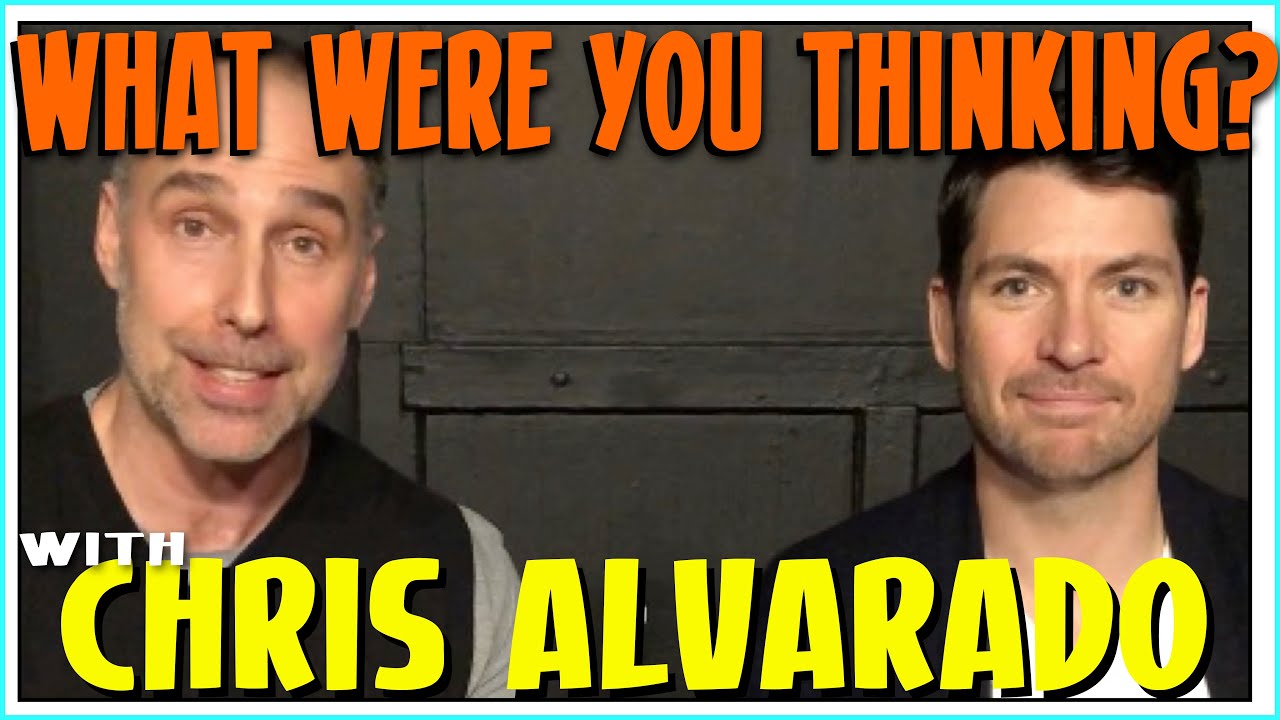 34:46
Two Improv Pros Expose Their Real-Time Decision Making
An episode from the "What Were You Thinking" series in which Paul Vaillancourt and guest Chris Alvarado perform a standalone improv scene followed by a detailed post-scene breakdown. The pair traces their in-the-moment choices beat by beat, offering insight into the real-time reasoning behind their scene work.
 1:44
Improv Tips #106 - The Selfish Move That Helps Your Partner
Guest contributor Chris Alvarado discusses how taking care of your own character and emotional needs within a scene can paradoxically benefit your scene partner. The short tip reframes what might appear to be a selfish choice as a fundamentally generous one, giving scene partners concrete material to respond to and build upon.
 32:10
Improv Tips: What Were You Thinking (w/ Paul Vaillancourt and Keia McCarty) (2019)
Paul Vaillancourt and guest performer Keia McCarty perform a standalone two-person scene, then walk through the entire piece beat by beat, revealing their individual thought processes at each moment. The format allows viewers to observe not just the choices made but the internal reasoning that guided them. At over thirty minutes, the episode provides an unusually detailed look at real-time decision-making in an unscripted scene, covering initiation, discovery, and how two performers independently build toward a shared understanding of the scene's direction.
 2:32
Improv Tips #105 - Your Perspective Is Your Superpower
Guest contributor Keia McCarty discusses the value of bringing one's own perspective and personal point of view into improvisation. The tip emphasizes authenticity and individual voice as tools for stronger scene work. Episode 105 in the Improv Tips series from PVImprov, with Paul Vaillancourt hosting.
 50:15
Improv Tips: What Were You Thinking (w/ Paul Vaillancourt and Brian O'Connell) (2019)
An extended episode from the "What Were You Thinking" series in which Paul Vaillancourt and guest Brian O'Connell perform a standalone two-person scene, then walk through their decision-making beat by beat. The breakdown format offers a detailed look at how experienced improvisers process information, make choices, and build scenes in real time across short form, long form, and Harold-based work.
 4:49
Improv Tips #103 - The Partner Reading Technique That Saves Every Scene
Paul Vaillancourt teaches the technique of reading your scene partner as a strategy for initiating scenes when no preconceived idea is available. The approach uses direct observation of a partner's physical presence and energy to generate relationship dynamics and opening moments. Episode 103 in the Improv Tips series from PVImprov.
 21:05
Improv Tips #102 - What Were You Thinking (w/Paul Vaillancourt and Amanda Blake Davis) (2018)
Paul Vaillancourt and Amanda Blake Davis perform a standalone improvised scene and then dissect it beat by beat. The extended breakdown format allows detailed analysis of the choices made throughout the scene, covering initiations, discoveries, and moment-to-moment decision-making. Episode 102 in the Improv Tips series from PVImprov.
 17:17
Improv Tips #101 - What Were You Thinking (w/Paul Vaillancourt and Zach Huddleston) (2017)
The second installment of "What Were You Thinking" from PVImprov. Paul Vaillancourt and Zach Huddleston perform an improvised two-person scene and then break it down beat by beat, examining the reasoning behind each choice in an extended post-scene analysis.
 9:50
Improv Tips BONUS - The Harold (2017)
Paul Vaillancourt delivers a comprehensive overview of the Harold, the foundational long-form structure developed by Del Close and Charna Halpern at the iO Theater. The episode traces the form's history, walks through each phase from suggestion through opening and scenic beats, and addresses the third beat, where thematic and narrative connections converge.
 7:09
Improv Tips #100 - What's The Point Of Improv? (2017)
Paul Vaillancourt responds to a viewer question about building trust within an improv ensemble, offering three strategies grounded in improv technique. The episode closes with archival footage of Del Close performing an improvised monologue on the subject of himself at The Chicago Hysterical Society in 1984, drawn from the documentary "Thank You, Del."
 2:26
Improv Tips #99 - Using The Monologue (w/Charna Halpern) (2017)
Charna Halpern, co-founder of the iO Theater, discusses how improvisers should use information drawn from monologue openings. The tip distinguishes between how performers typically mine opening material and how that material can be used more effectively in subsequent scenes.
 28:16
Solo Improv Show - Man vs Movie - I Want Your Magic Touch (2017)
Another full-length performance of Paul Vaillancourt's Man vs. Movie, a solo improvised format in which one performer creates an entire feature film from a single audience suggestion. This installment uses the prompt "I Want Your Magic Touch" and runs approximately twenty-eight minutes. The format requires the solo improviser to sustain narrative momentum, juggle a full cast of characters, and replicate cinematic structure without support from other players.
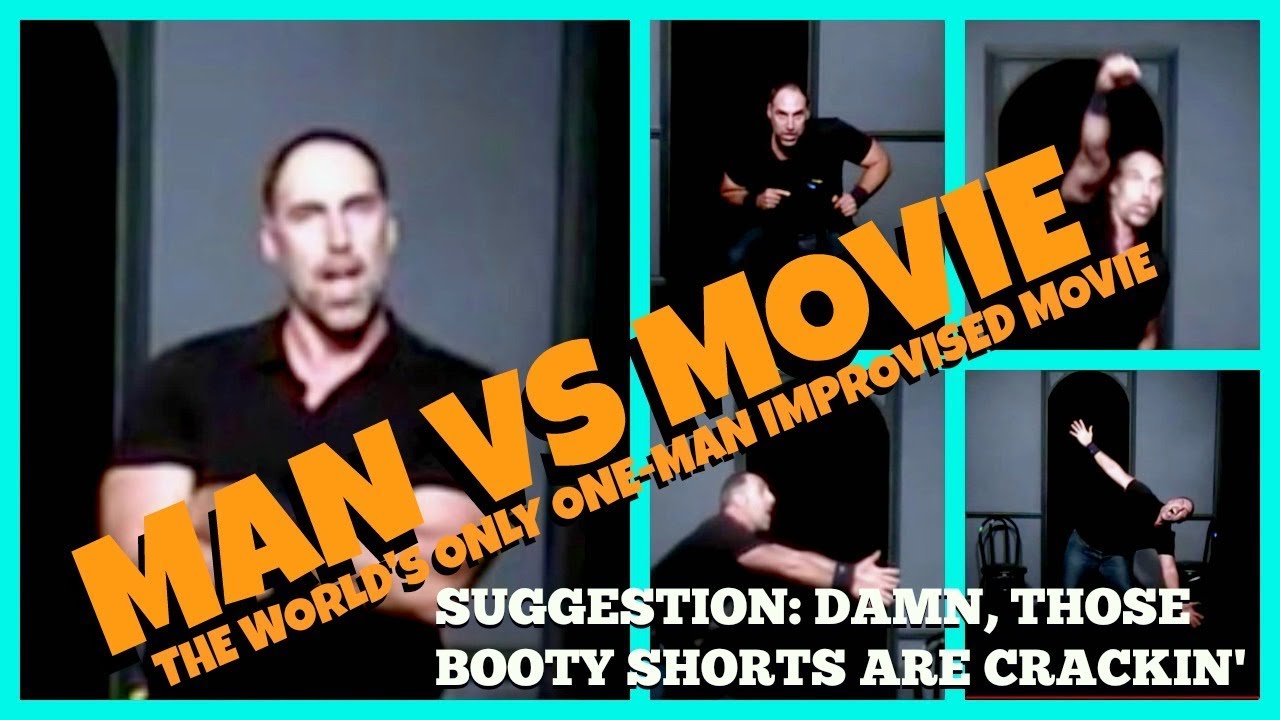 31:59
Solo Improv Show - Man vs. Movie - Damn, those booty shorts are crackin' (20
A full-length performance of Man vs. Movie, a solo improvised format created and performed by Paul Vaillancourt. The format takes a single audience suggestion, a line of poetry or song lyric, and uses it as the starting point for an entirely improvised feature film performed by one actor. Vaillancourt portrays all characters, narrates camera angles and special effects, and constructs a complete plot arc over roughly thirty minutes. The solo format draws on longform narrative improvisation techniques, requiring the performer to track multiple characters, maintain story coherence, and simulate cinematic conventions without scene partners.
 2:46
Improv Tips #66 (the lost episode) Have A Drink (w/Dave Hill) (2017)
Comedian and improviser Dave Hill guests on Paul Vaillancourt's Improv Tips series to discuss building ensemble cohesion through informal socializing. Hill suggests that something as simple as sharing a drink with scene partners can strengthen team dynamics and trust on stage.
 12:59
Improv Tips #98 - What Were You Thinking (w/Paul Vaillancourt and Dave Hill) (2017)
The first installment of the "What Were You Thinking" format from PVImprov, in which Paul Vaillancourt and Dave Hill perform a two-person scene and then deconstruct it moment by moment. The extended breakdown covers the choices each performer made and why, offering a practical window into real-time scene analysis.
 3:00
Improv Tips #97 - The 4th Wall (w/Noah Gregoropoulos) (2017)
Noah Gregoropoulos explores the concept of the fourth wall in improvisation, examining how performers can make more deliberate and effective use of this often-overlooked element of stagecraft. Part of the PVImprov tip series.
 2:45
Improv Tips #96 - Complexity Is Killing Your Scenes
Paul Vaillancourt addresses a common pitfall in scene work: overcomplication. The tip advocates for simplicity as a guiding principle, arguing that unnecessary complexity undermines scene clarity and connection between players.
 2:51
Improv Tips #95 - Keep Growing (w/ Armando Diaz) (2017)
Armando Diaz, founder of the Magnet Theater in New York, offers advice on the importance of continuous growth throughout an improviser's career. Part of the PVImprov educational tip series hosted by Paul Vaillancourt.
 4:23
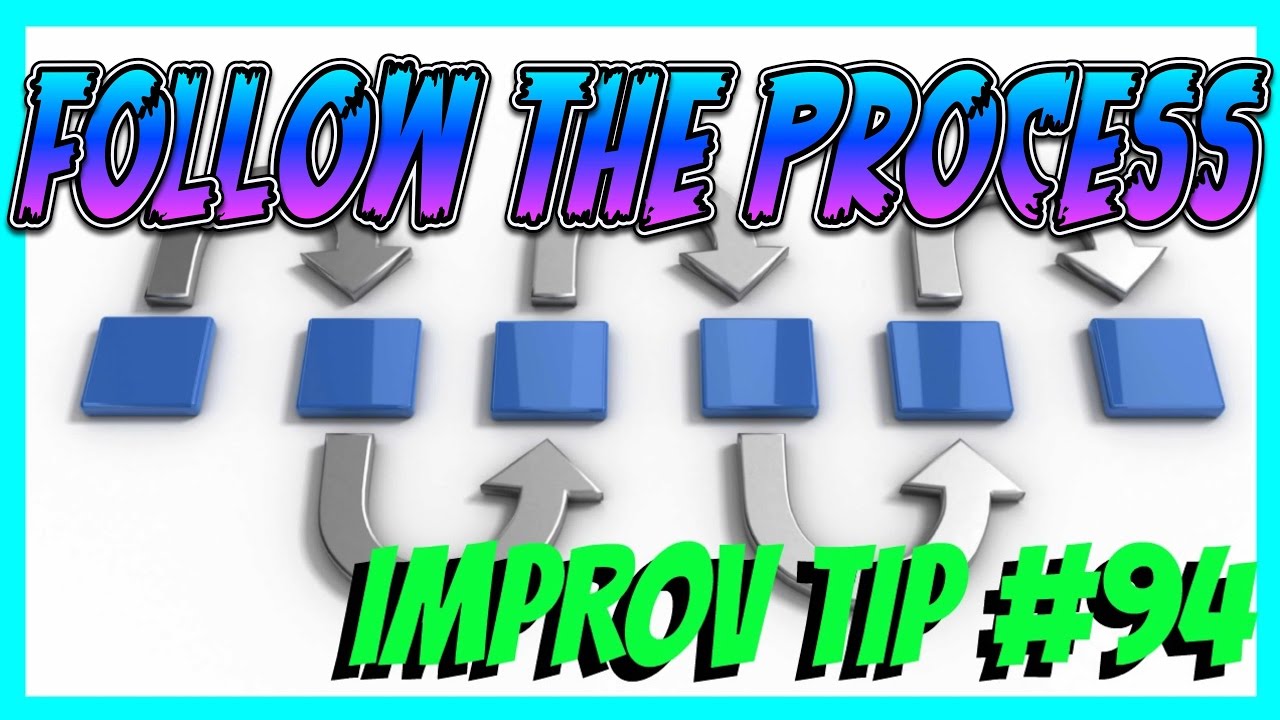
Improv Tips #94 - Follow The Process (2017)
Paul Vaillancourt discusses the discipline of following established processes in improv, with particular reference to longform structure. The tip cautions against the temptation to skip steps or take shortcuts when nerves or impatience set in, arguing that adhering to the full process is what produces the strongest results.
 3:54
Improv Tips #93 - Don't Normalize (2017)
Paul Vaillancourt warns against the impulse to normalize unusual or heightened choices in a scene. The tip identifies this pattern as a common mistake and argues that committing to bigger, more unexpected ideas produces stronger work than pulling scenes back toward the mundane.
 2:29
Improv Tips #92 - Show Don't Tell | The Game Changer
Paul Vaillancourt teaches the principle of showing rather than telling in improvisation. The tip positions physicality and demonstration over narration as a technique that brings scene work to life and gives audiences something concrete to engage with.
 2:15
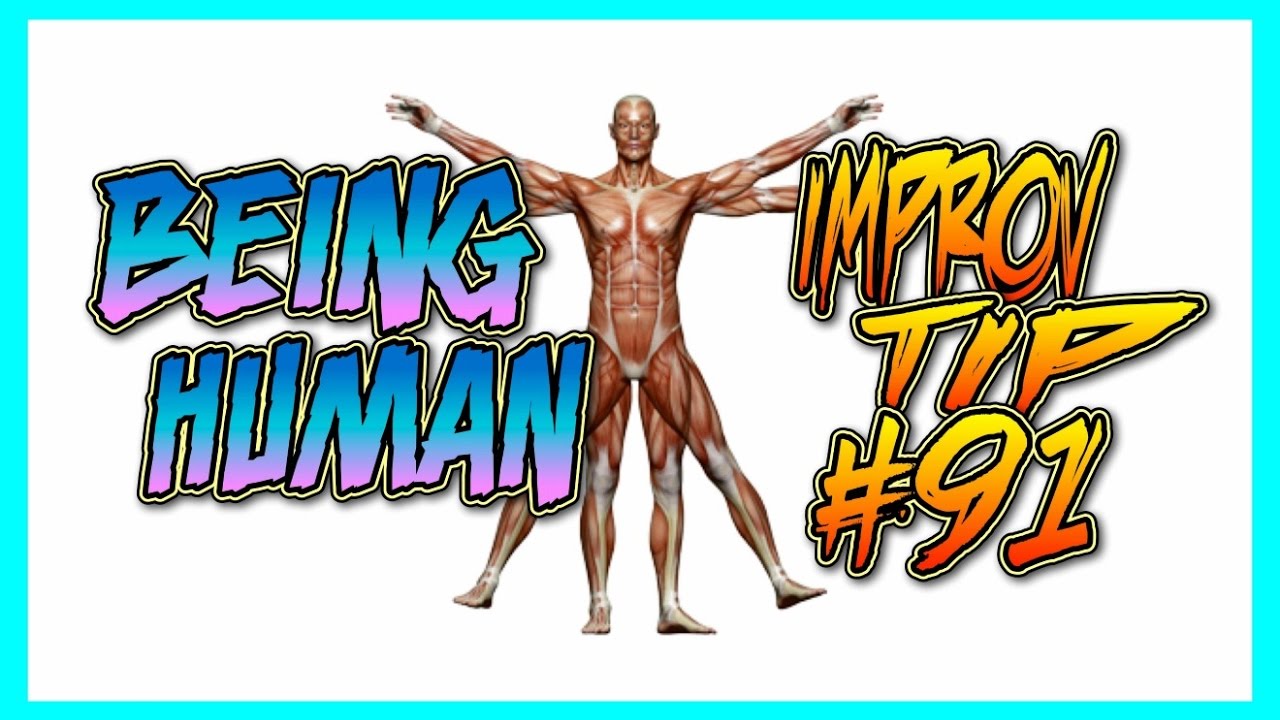
Improv Tips #91 - Being Human (2017)
Paul Vaillancourt addresses the challenge of portraying authentic human behavior on stage. The tip highlights a common paradox: improvisers effortlessly navigate complex social interactions in daily life yet often struggle to replicate that naturalness in performance.
 4:09
Improv Tips #90 - Silence Separates Beginners From Masters
Paul Vaillancourt discusses the role of silence in improvisation. The tip frames comfort with silence as a marker of mastery, distinguishing experienced performers from beginners and demonstrating how deliberate pauses can strengthen scene work.
 7:34
Improv Tips #89 - Forbidden Scenes (2017)
Paul Vaillancourt examines so-called forbidden scenes, the categories of scenes that improvisers are commonly warned away from. Rather than accepting these prohibitions at face value, Vaillancourt offers strategies for making traditionally difficult scene premises work on stage.
 6:26
Improv Tips #88 - Action Creates (w/Brian Palermo) (2017)
Guest tipper Brian Palermo explores how physical and verbal action drives scene discovery. The lesson emphasizes that initiating concrete activity on stage opens pathways that purely verbal or conceptual choices cannot, giving performers more material to build on as a scene develops.
 3:05
Improv Tips #87 - Commitment To Reality (w/ Bob Kulhan) (2017)
Bob Kulhan discusses commitment to reality as a foundational improv skill. The tip centers on the idea that improvisers can sustain scenes of any scope or intensity as long as they fully commit to the internal logic of the world they have established.
 4:33
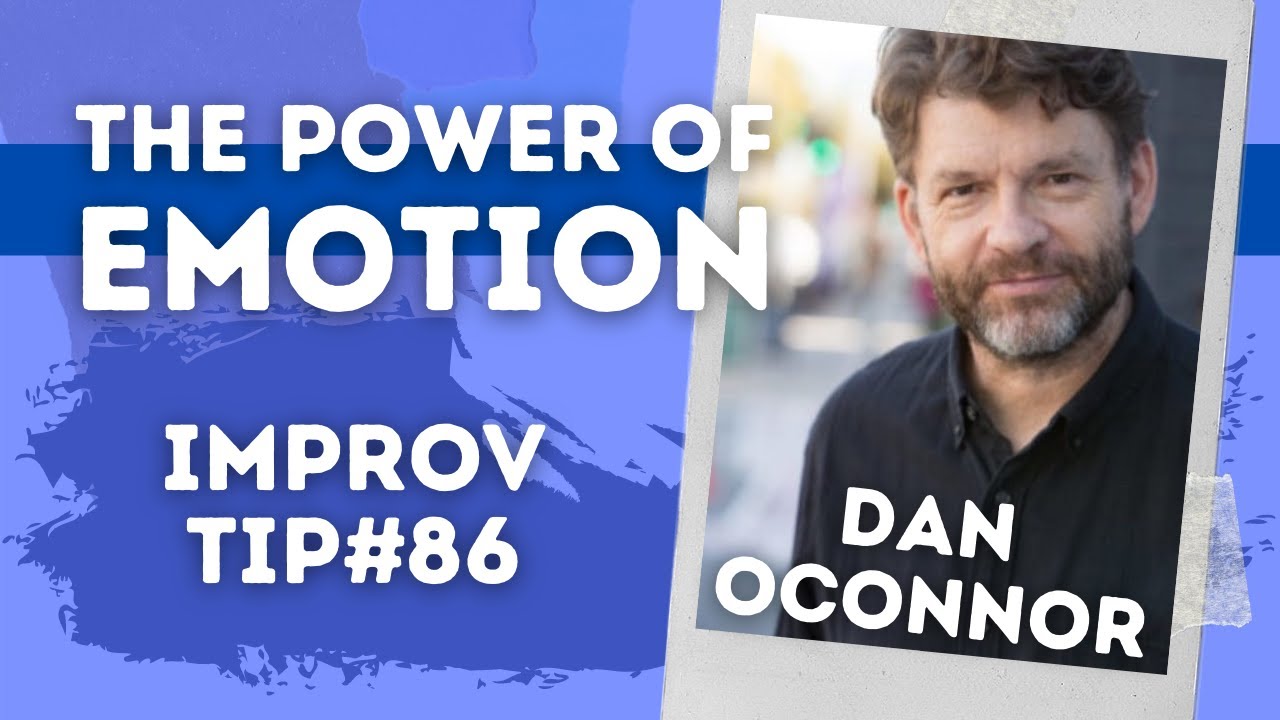
Improv Tips #86 - The Power of Emotion (w/ guest tipper Dan O'Connor) (2017)
Guest tipper Dan O'Connor discusses the importance of investing scenes with genuine emotion, arguing that real emotional commitment gives improvised scenes longer and fuller life. Part of the PVImprov educational series hosted by Paul Vaillancourt.
 8:03
Improv Tips #85 - Q and A Finding Inspiration (2017)
Paul Vaillancourt answers a viewer question about finding inspiration and moving past habitual choices in scene work. The discussion addresses how improvisers can push themselves and their teammates beyond familiar patterns and default moves.
 2:48
Improv Tips #84 - Reacting (w/ Michael Gellman) (2017)
Michael Gellman explores the skill of reacting in improv and acting, continuing a broader series theme that improvisers benefit from thinking of themselves as actors. The tip emphasizes genuine response as a core performance technique. Part of the PVImprov guest tipper series.
 5:16
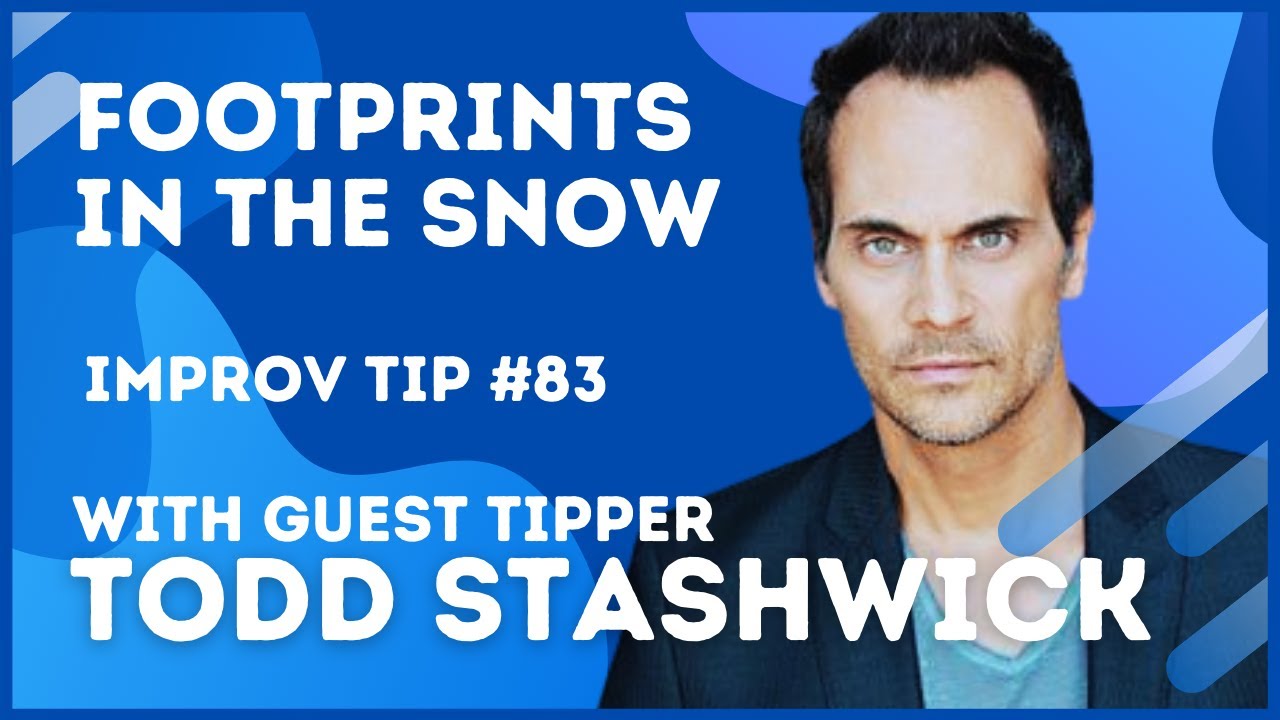
Improv Tips #83 - Footprints In The Snow (w/ Todd Stashwick) (2017)
Todd Stashwick joins the PVImprov series as Paul Vaillancourt responds to a viewer question about building trust within an improv team. Vaillancourt outlines three strategies for developing ensemble trust through improv techniques.
 6:13
Improv Tips #82 - You Can't Mess Up (w/Michael Gellman) (2017)
Michael Gellman offers a foundational mindset shift for improvisers: the idea that mistakes in improv are not truly possible. Gellman frames this as liberating advice that can free performers from the fear of failure. Part of the PVImprov guest tipper series hosted by Paul Vaillancourt.
 5:06
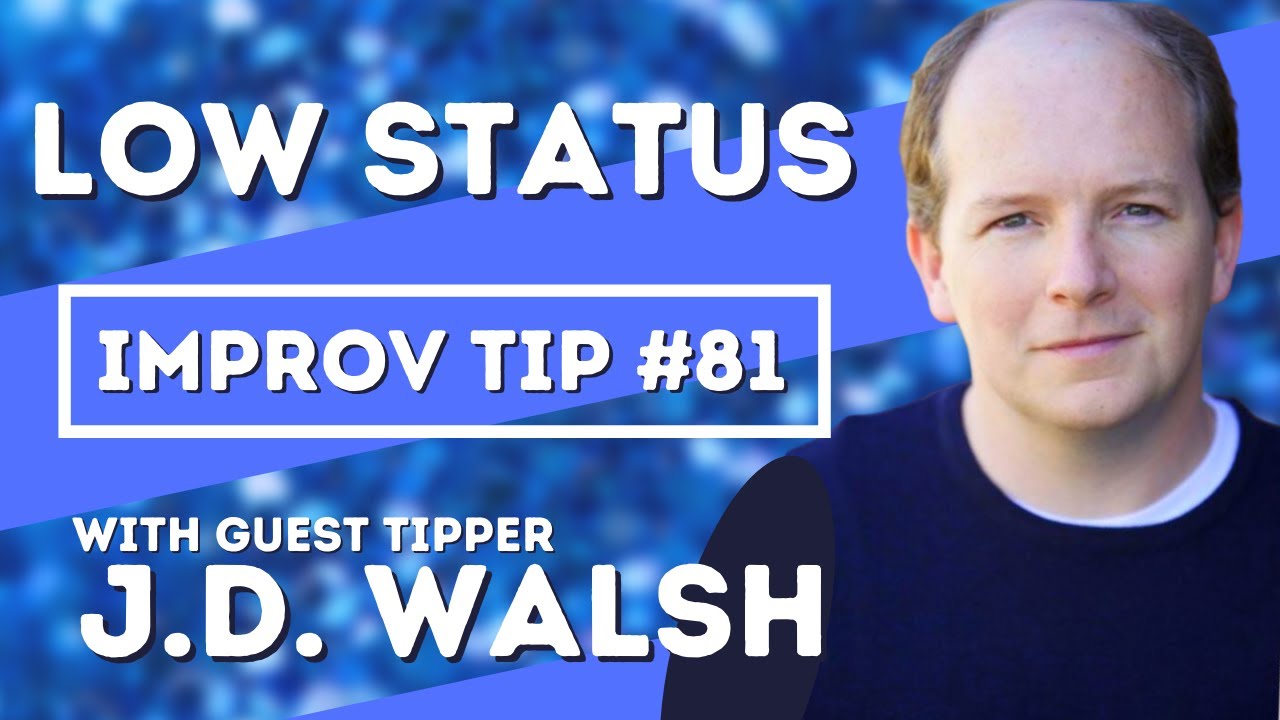
Improv Tips #81 - Low Status (w/ J.D. Walsh) (2017)
Guest tipper J.D. Walsh examines low status as a scene tool, arguing that the instinct to "win" a scene often works against the performer. Walsh demonstrates how choosing lower-status positions can yield stronger results, a theme rooted in Keith Johnstone's status work. Part of the PVImprov educational series.
 3:27
Improv Tips #80 - The Most Helpful Things New Indie Teams Need To Know (2017)
Paul Vaillancourt addresses a viewer question about the priorities new independent improv teams should focus on, offering practical guidance and pointing to additional resources. The tip draws on Vaillancourt's experience as a veteran teacher and performer.
 3:20
Improv Tips #79 - No Gap Dialogue (w/ guest tipper Kevin Mullaney) (2017)
Episode 79 of Paul Vaillancourt's Improv Tips series, again featuring Kevin Mullaney as guest tipper. Mullaney introduces the concept of no-gap dialogue, an exercise in which performers eliminate pauses between lines to build momentum and force active listening within a scene.
 7:32
Improv Tips #78 - Subtext: The Difference Between Good and Great Scenes w/ Ed Herbstman
Ed Herbstman discusses the role of subtext in improvised scenes, exploring how the gap between what characters say and what they actually mean separates competent work from memorable performance. The tip is part of the PVImprov educational series hosted by Paul Vaillancourt.
 4:17
Improv Tips #77 - Impulsive Reactions (w/ guest tipper Kevin Mullaney) (2017)
Episode 77 of Paul Vaillancourt's Improv Tips series, with guest tipper Kevin Mullaney. Mullaney presents an exercise focused on impulsive reactions, designed to bring immediate physical and emotional energy into scene work. The tip emphasizes responding instinctively rather than planning ahead.
 3:23
Improv Tips #76 - Eye Contact (w/ Josh Nicols) (2017)
Guest contributor Josh Nichols discusses the role of eye contact in improvised scenes. The tip examines how sustained visual connection between scene partners strengthens presence, builds trust, and deepens the meaning of onstage interactions.
 2:37
Improv Tips #75 - It's Okay To Be Lost (w/ guest tipper Lauren Morris) (2016)
Episode 75 of the Improv Tips series from Paul Vaillancourt's PVImprov channel, featuring guest tipper Lauren Morris. Morris addresses the common experience of feeling lost during a scene, framing it as a normal part of improvisation rather than a failure, and discusses strategies for using that uncertainty productively.
 5:02
Molly Erdman's Top Tip to Instantly Add Depth to Scenes
A follow-up episode revisiting Molly Erdman's "Therapy Improv" technique, expanding on the method's application for bringing genuine emotion into scene work. The longer format allows for deeper exploration of how performers can use the approach to add emotional layers to their improvisation.
 5:15
Improv Tips #73 - Q + A: What happens when you Play, Perform, Audition-What You Need To Know (2016)
Paul Vaillancourt fields viewer questions covering a range of practical topics: finding opportunities to perform, improving audition technique, and navigating improv jams. The Q&A format addresses common concerns for students transitioning from classroom work to stage experience.
 1:46
Improv Tips #72 - Listening (w/ guest tipper Ali Farahnakian) (2016)
Ali Farahnakian, founder of the Peoples Improv Theater (the PIT) in New York City, delivers a guest tip on listening, one of the most foundational skills in improvisation. The brief episode distills the principle into practical, stage-ready advice.
 3:57
Your Improv Scenes Aren't Landing? Try This Instead
Paul Vaillancourt responds to a viewer question about scenes that feel flat or fail to engage audiences. The tip focuses on methods for building depth and texture in scene work, moving beyond basic agreement into more compelling, layered performance.
 3:14
The Secret to Better Point of View in Improv Comedy w/ David Razowsky
David Razowsky joins Paul Vaillancourt to discuss point of view in improv comedy. The conversation explores how performers can strengthen their scenic perspective, a core skill in long-form and short-form work alike.
 7:41
Improv Tips #69 - Top 3 Tips For Students and Players (2017)
Paul Vaillancourt presents his three most essential tips for improv students and performers. At over seven minutes, the episode offers a broader survey than the series' typical format, with Vaillancourt drawing on his teaching experience to address foundational habits. Mick Napier is referenced in the discussion.
 2:39
Molly Erdman's Top Tip to Instantly Add Depth to Scenes
Guest contributor Molly Erdman introduces a technique she calls "Therapy Improv," a method for layering emotional subtext into scenes. The approach encourages performers to access deeper emotional responses within their characters, adding dimension to otherwise surface-level exchanges.
 5:20
Improv Tips #67 - Top 3 Tips For Teachers And Coaches (2016)
Paul Vaillancourt presents his top three tips for improv teachers and coaches. The episode is part of his ongoing Improv Tips series, offering practical guidance for those leading workshops, classes, and rehearsals.
 2:38
Improv Tip #65 - Making Conflict Work (2016)
Paul Vaillancourt addresses a common challenge in improvisation: how to handle conflict within a scene constructively. The tip explores techniques for using disagreement between characters as a tool to heighten scene dynamics rather than derail them.
 3:16
Stop Failing at 3 Person Improv Scenes | Here's Why
Paul Vaillancourt breaks down the mechanics of three-person scenes, a configuration that presents distinct challenges compared to standard two-person work. The tip covers strategies for managing focus, ensuring all three players contribute meaningfully, and avoiding common pitfalls such as sidelining or splitting attention.
 2:46
Improv Tip #63 - Be An Action Star (w/ guest tipper Carla Cackowski) (2016)
Guest tipper Carla Cackowski joins Paul Vaillancourt to discuss the importance of physicality and decisive action in scene work. The tip emphasizes committing to bold physical choices rather than remaining static or relying solely on dialogue.
 3:10
Improv Tip #62 - Stop Talking Yourself Out of Comedy
Paul Vaillancourt examines the tendency among improvisers to second-guess or intellectually override their comedic instincts during a scene. The tip encourages performers to trust their initial impulses rather than retreating from choices that feel risky or unconventional.
 2:14
Improv Tip #61 - Choose To Know (w/guest tipper Craig Cackowski) (2016)
Guest tipper Craig Cackowski joins Paul Vaillancourt to discuss the principle of choosing to know rather than defaulting to ignorance or ambiguity in scenes. The tip addresses how decisive character knowledge creates stronger scenic foundations and clearer relationship dynamics.
 2:35
THE WONDERFUL POWER OF BEING YOU - IMPROV TIP #60 (w/guest tipper Brian O'Connell)
Guest tipper Brian O'Connell joins Paul Vaillancourt to discuss the value of bringing one's authentic self to improvised scenes. The lesson focuses on how personal authenticity strengthens performance choices and scene work.
 2:22
The #1 Mistake Improvisers Make at Scene Start
Paul Vaillancourt identifies the most common error improvisers make when initiating scenes. The tip, aimed at beginning and intermediate performers, offers three foundational principles for strong scene openings applicable across performance and training contexts.
 3:06
Pick Better Topics - Improv Singing Hack w/ Shulie Cowen
Paul Vaillancourt and musical improviser Shulie Cowen discuss strategies for selecting stronger topics in improvised singing. The short instructional segment focuses on a practical skill central to musical improv performance.
 2:11
(DON'T) STOP IT! - IMPROV TIP #57
Paul Vaillancourt explores the impulse to shut down scenic choices and the cost of negating offers mid-scene. The tip addresses how performers can recognize and resist the habit of stopping momentum, allowing scenes to develop through sustained commitment to what has already been established.
 26:43
Improv Show - Man vs Movie - Where You Lead I Will Follow
Paul Vaillancourt performs Man vs. Movie, a solo longform format in which one improviser creates an entire feature film from a single audience suggestion. The suggestion for this performance is drawn from a line of poetry or song lyric, and Vaillancourt builds out characters, plot, and cinematic elements over roughly 27 minutes. Vaillancourt, co-founder of iO West and author of The Triangle of the Scene, developed Man vs. Movie as a one-person showcase that treats improvised narrative with the structural ambition of a scripted film.
 2:35
Improv Tip #56 - Start On The Earth (2016)
Paul Vaillancourt, co-founder of iO West, presents a short-form teaching tip on grounding scenes in concrete physical and emotional reality from the very first moment. The lesson encourages performers to establish a clear sense of place and relationship rather than launching into abstract or conceptual premises.
 3:15
Improv Tip #55 - Take The Ride (2016)
Paul Vaillancourt discusses the principle of taking the ride in improv, encouraging performers to commit fully to the direction a scene is heading rather than resisting or redirecting it. Part of the ongoing PVImprov educational tip series.
 2:40
Improv Tips #54 - Anatomy Of A Character (w/Nick Armstrong)
Paul Vaillancourt and guest Nick Armstrong break down the anatomy of character creation in improv. Armstrong is associated with Camp Improv Utopia, an intensive improv retreat program. The episode examines how improvisers can build and sustain distinct characters in scene work.
 3:39
Improv Tip #53 - Play The Problem (and contest results) (2016)
Paul Vaillancourt teaches the principle of playing the problem in improv scenes, a technique focused on identifying and engaging with the central conflict or tension rather than resolving it prematurely. The episode also includes results from a channel contest.
 6:43
Improv Tip #52 - The Moment Improvisers Break Through
Paul Vaillancourt explores the concept of breakthrough moments in an improviser's development. At nearly seven minutes, this is one of the longer installments in the PVImprov tip series, allowing for a more extended treatment of performer growth and artistic progression.
 3:49
Improv Tip #51 - Enslaved by Improv Rules? Do This Instead
Paul Vaillancourt addresses the tendency among improvisers to become overly rigid in their adherence to improv rules. The episode explores how performers can move beyond mechanical rule-following toward more organic, intuitive scene work.
 3:12
Improv Tip #50 - The Straight Man Secret Improvisers Miss
Paul Vaillancourt discusses the role of the straight man in improv scenes, a function often undervalued by less experienced performers. The episode references a related blog post by improv instructor Jimmy Carrane.
 4:43
Improv Tip #49 - 3 Proven Techniques to Elevate Your Scenes
Paul Vaillancourt presents three techniques for strengthening scene work in improvisation. Vaillancourt, co-founder of iO West and author of The Triangle of the Scene, draws on his longform teaching background to outline practical approaches improvisers can apply to their performances.
 2:59
Game of the Scene REVEALED - Improv Tip #48
Paul Vaillancourt examines the concept of game of the scene, a foundational element of longform improv in which performers identify and heighten the central comedic pattern within a scene. Part of Vaillancourt's ongoing educational series on the PVImprov channel.
 3:12
Improv Tip #47 - The Warm Up Mindset Every Improviser Needs
Paul Vaillancourt discusses the mental approach improvisers should bring to warm-up exercises before a performance, emphasizing the mindset that makes pre-show preparation most effective.
 3:40
Improv Tip #46 - Improv For Film (w/ John Lehr) (2016)
Paul Vaillancourt and guest John Lehr discuss the application of improvisation skills to film work, exploring how stage-trained improvisers can adapt their techniques for on-camera performance.
 3:23
Improv Tip #45 - Eat The Whole Apple (w/ Jean Villepique) (2016)
Paul Vaillancourt and guest Jean Villepique discuss the principle of "eating the whole apple" in improvisation, a metaphor for fully committing to and exploring a choice rather than abandoning it prematurely.
 2:31
Improv Tip #44 - Peas In A Pod (w/Amanda Blake Davis) (2016)
Paul Vaillancourt and guest Amanda Blake Davis, organizer of Camp Improv Utopia, discuss the "peas in a pod" dynamic in improvisation, a concept in which scene partners establish shared perspectives or complementary points of view.
 1:57
Improv Tip #43 - The Most Important Person (2016)
Paul Vaillancourt examines the concept of identifying and prioritizing the most important person in an improv scene.
 3:17
Improv Tip #42 | Partner Awareness
Paul Vaillancourt explores partner awareness, a foundational skill in improvisation that involves staying attuned to a scene partner's offers, emotional state, and physical choices.
 3:05
Improv Tips #41 - Your Space Isn't Working. Here's Why
Paul Vaillancourt addresses common problems with spatial work in improvisation, offering guidance on making environment and object work more grounded and useful within scenes.
 2:37
Improv Tip #40 - Hyper-Agreement (with guest tipper David Koechner) (2016)
Paul Vaillancourt, co-founder of iO West and author of The Triangle of the Scene, discusses hyper-agreement as an improvisation technique. The tip features guest David Koechner.
 3:20
Improv Tip #39 - Detail (with Mike Coleman) (2106)
Paul Vaillancourt is joined by Mike Coleman for a tip on the role of specificity and detail in scene work. The discussion covers how concrete details strengthen improvised scenes. Part of the PVImprov educational series.
 2:46
Improv Tip #38 The Ensemble (with Pat Finn) (2016)
Paul Vaillancourt and guest Pat Finn discuss ensemble dynamics in improvisation, focusing on how individual performers function within a larger group. Part of the PVImprov educational series.
 4:17
Improv Tips #37 - Being In The Where (with Pete Hulne) (2016)
Improviser Pete Hulne, known for his work with The Family, Beer Shark Mice, and other ensembles, joins Paul Vaillancourt to discuss committing to the physical environment in a scene. The tip emphasizes using the "where" as an active element and heightening physicality during performance. Part of the PVImprov educational series.
 3:17
Improv Tip #36 - A Variety Of Yesses (with Neil Flynn) (2016)
Paul Vaillancourt and guest Neil Flynn discuss the concept of varied agreement in improvisation, exploring how "yes" can take many forms beyond simple affirmation. Part of the PVImprov educational series.
 2:50
Improv Tip #35 - Why Not Be Awesome (2016)
Paul Vaillancourt offers a tip on raising the bar in scene work, encouraging improvisers to push toward bolder choices. Part of his ongoing Improv Tips series on the PVImprov channel.
 2:13
Improv Tips #34 - Space (with Bill Chott) (2016)
Paul Vaillancourt and guest Bill Chott explore the use of space in improvised scenes. The tip addresses how improvisers can more effectively establish and use their physical environment. Part of the PVImprov educational series.
 2:04
Improv Tip #33 - Get Emotional (with Lindsey Stoddart) (2016)
Paul Vaillancourt is joined by Lindsey Stoddart for a discussion on emotional commitment in improvisation. The tip focuses on the importance of accessing and expressing genuine emotion in scene work. Part of the PVImprov educational series.
 2:04
Improv Tip #32- Discovery And Decision (2016)
Paul Vaillancourt, co-founder of iO West and author of The Triangle of the Scene, discusses the relationship between discovery and decision-making in improvised scenes. Part of his ongoing Improv Tips educational series.
 1:56
Improv Tip #31 - Right Of Way | The Scene Game Changer
Paul Vaillancourt introduces the concept of "right of way" as a principle for navigating shared focus in scenes. The tip frames the idea as a practical tool for determining which player should drive the action at any given moment, helping ensembles avoid the confusion of competing initiations.
 1:56
Improv Tip #30 - What Every Improviser Gets Wrong
Paul Vaillancourt pinpoints a fundamental misunderstanding common among improvisers. The short tip, part of his ongoing educational series, distills a core lesson from his teaching at iO West into a concise corrective for performers at any level.
 2:30
Improv Tip #29 - Playing Too Polite (2016)
Paul Vaillancourt examines the tendency for improvisers to default to overly polite or agreeable behavior in scenes. The lesson explains how excessive politeness between characters can flatten conflict and reduce the dramatic stakes that drive engaging improvisation.
 2:28
Improv Tip #28 - The Biggest Do vs Don't Mistake Improvisers Make
Paul Vaillancourt identifies a recurring error in how improvisers frame their choices as prohibitions rather than active commitments. The tip explores the difference between avoiding what not to do and embracing what to do, advocating for a positive, action-oriented mindset on stage.
 1:32
Improv Tip #27 - Creating Depth with Three Worlds
Paul Vaillancourt introduces the concept of "three worlds" as a tool for creating depth in improvised scenes. The brief lesson outlines how layering multiple dimensions of reality within a scene can give it greater texture and resonance.
 2:41
Improv Tip #26 - The Problem With Being Coy in Your Improv
Paul Vaillancourt addresses the habit of being coy or evasive in scenes, where improvisers withhold information or avoid making direct statements. The tip argues that indirect choices weaken scene momentum and encourages performers to commit to clear, forthright offers.
 2:55
Picasso's 3 Rules of Art - Improv Tip #25 (2016)
Paul Vaillancourt draws on three principles attributed to Picasso and applies them to improvisational scene work. The lesson uses the framework of visual art as an analogy for building and refining choices on stage.
 1:50
Improv Tip #24 - Something New (2015)
Paul Vaillancourt, co-founder of iO West and author of "The Triangle of the Scene," shares a brief improv tip on the concept of introducing something new into a scene. Mick Napier also appears in this installment of the PVImprov tip series.
 2:02
Improv Voice: The Missing Piece
A short segment from Paul Vaillancourt's Improv Voice series titled "The Missing Piece." Vaillancourt is the co-founder of iO West and author of The Triangle of the Scene.
 3:01
Improv Tip #22 - Letting Go Of Perfectionism (w/ Jimmy Carrane) (2015)
An episode of PVImprov's Improv Tip series in which host Paul Vaillancourt is joined by Jimmy Carrane, host of the Improv Nerd Podcast and author of several books on improvisation. Carrane discusses the challenge of perfectionism in improv and the importance of releasing the need to control outcomes onstage.
 2:10
The One Status Mistake Every Improviser Makes
Paul Vaillancourt examines a common misconception about status in improvisation, distinguishing between interpersonal status (the relative power between characters) and status relative to the environment. The short lesson highlights how awareness of a character's relationship to the physical space can deepen scene work beyond the familiar high-status/low-status dynamic.
 2:07
Improv Tip #19 - The Status Secret Improvisers Miss
Paul Vaillancourt, co-founder of iO West, examines the concept of status in improvisation, highlighting an aspect of status play that performers commonly overlook. Status transactions, a concept popularized by Keith Johnstone, govern the power dynamics between characters in a scene.
 2:03
Scene Starter Secrets Revealed
Paul Vaillancourt presents three techniques for initiating improv scenes with clarity and confidence. The lesson targets a common challenge for newer improvisers: how to begin a scene in a way that establishes relationship, environment, or activity from the first moments.
 2:35
Improv Tip #17 - The Editing Game-Changer
Paul Vaillancourt addresses editing in longform improvisation, presenting an approach he frames as transformative for scene-to-scene transitions. The lesson is part of his ongoing series of short instructional videos on foundational improv skills.
 2:20
Improv Tip #16 - The First Thing (with guest Tipper Miles Stroth) (2015)
An installment in PVImprov's Improv Tip series hosted by Paul Vaillancourt, featuring guest Miles Stroth. Stroth advises improvisers to trust their first instinct, emphasizing the value of committing to the initial impulse rather than second-guessing it.
 1:53
Improv Tip #14 - Getting the Suggestion (2015)
Paul Vaillancourt covers the mechanics of getting an audience suggestion, a routine element of most improv performances that is often under-examined. The lesson offers practical guidance on soliciting and handling suggestions effectively.
 1:37
Improv Tip #21 - Giving Gifts vs Pimping (2015)
Paul Vaillancourt distinguishes between giving gifts and pimping in scene work. Giving gifts involves making offers that support a scene partner, while pimping places burdens or traps on them. The lesson clarifies a distinction central to supportive ensemble play.
 1:35
Fill Any Scene with This ONE Improv Method
Paul Vaillancourt introduces the "Have/Say/Do" method, a technique for generating scene material by prompting performers to consider what their character has, what they say, and what they do. The brief lesson offers a single, repeatable framework for filling out moments in a scene.
 2:54
Improv Tip #11- Be Vulnerable (2015)
Paul Vaillancourt, co-founder of iO West and author of The Triangle of the Scene, discusses vulnerability as a core principle in improvisation. The short lesson explores how allowing oneself to be emotionally open onstage strengthens scene work across performance and training contexts.
 1:34
Improv Tip #10 - Yes, In Spite (2015)
Paul Vaillancourt introduces "Yes, In Spite," a technique that builds on the standard "Yes And" framework by adding an element of resistance or complication. This PVImprov tip presents the concept as a way to deepen agreement work and generate more dynamic scene choices.
 2:22
Improv Tip #15 - Know Have Do (2015)
Paul Vaillancourt teaches "Know Have Do," a technique for grounding characters and scenes by clarifying what a character knows, what they have, and what they are doing. This PVImprov tip provides a structured entry point for building dimensionality in improvised work.
 1:31
Stop Doing Boring Improv Scenes | Add Depth With This Technique
Paul Vaillancourt teaches the technique of "Using The Where" to add spatial and environmental detail to improvised scenes. This PVImprov tip frames the concept as a way to move scenes from flat, dialogue-only exchanges into more fully realized physical worlds.
 2:22
Improv Tip #9 - A Bigger Yes And... (2015)
Paul Vaillancourt expands on the foundational "Yes And" principle, proposing a broader philosophical understanding of agreement in improvisation. This PVImprov tip encourages performers to move beyond a mechanical application of the concept toward a deeper integration of acceptance in scene work.
 2:31
Improv Tip #8 - Advancing The Scene (2015)
Paul Vaillancourt offers approaches to advancing scenes, addressing how improvisers can move their work forward without stalling or spinning. This PVImprov tip covers a fundamental skill relevant to both short-form games and long-form narrative.
 1:38
Improv Tip #7 - The Hammer (2015)
Paul Vaillancourt introduces "The Hammer," a technique he identifies as one of his favorites for scene work. This installment of the PVImprov tip series presents the tool as a method for giving scenes greater impact and clarity.
 1:48
Improv Tip #6 - What Pornography Teaches About Scenes
Paul Vaillancourt draws on a Ray Bradbury analogy to explore what directness and unfiltered instinct can teach improvisers about building scenes. Part of the PVImprov tip series, this short lesson uses an unexpected cultural reference to illustrate a principle about scenic commitment.
 1:38
Improv Tip #5 - Being in Your Head (2015)
Paul Vaillancourt addresses the common problem of "being in your head" during improvisation. This short lesson from the PVImprov tip series identifies the tendency to overthink as an obstacle to present-moment scene work and offers a practical reframe for performers at any level.
 1:18
Improv Tip #4 - Don't Touch Me (2015)
Paul Vaillancourt explains a technique called "Don't Touch Me," part of his ongoing series of short-form improv tips. The lesson presents a specific scenic tool applicable across improv comedy, improv games, and acting exercises.
 45:01
Astonishing Susan Messing + Sensational Paul Vaillancourt - Remarkable "Messing with a Friend"(2015)
A full-length two-person longform performance featuring Paul Vaillancourt and Susan Messing, recorded in 2015 under the title "Messing with a Friend." The set runs 45 minutes and is built from a single audience suggestion. Both performers are veterans with decades of experience. The format follows the pattern of sustained duo scenework with multiple characters and interconnected storylines.
 1:39
Improv Tip #3 - The Four Step Process (2015)
Paul Vaillancourt introduces a listening technique he calls "The Four Step Process," developed in response to audience questions about how to listen more purposefully in scenes. The lesson frames active listening as a structured, repeatable skill rather than a passive activity.
 28:01
Solo Improv Show - Man vs Movie -Nice day for a white wedding/Baby blues staring out a window (2015)
Paul Vaillancourt performs Man vs Movie, a solo long-form format in which a single improviser creates an entire feature-length narrative from one audience suggestion. The format replicates cinematic conventions including scene transitions, multiple characters, and shifting perspectives, all sustained by one performer. The suggestion for this 2015 performance is drawn from the lyric "Nice day for a white wedding." Vaillancourt, co-founder of iO West and author of The Triangle of the Scene, builds the full arc over roughly 28 minutes.
 1:34
Everything you need for a GREAT SCENE - Tip #2 (2015)
Paul Vaillancourt presents a short lesson on extracting maximum value from a scene partner's contributions. The tip focuses on using what your partner has already given you as fuel for the scene rather than introducing unrelated material, a core principle of responsive scenework.
 1:26
Playing Paranoid - This Improv Tip Will Change Your Game
Paul Vaillancourt teaches a technique he attributes to Del Close: playing "paranoid" in a scene. The concept involves treating a scene partner's lines as carrying deeper or hidden significance, actively searching for subtext and implication in even the most innocuous dialogue. The approach raises the stakes of a scene by encouraging performers to invest every line with weight and intentionality, fostering heightened listening and stronger emotional reactions between players.
 5:21
5 Minutes of Completely Improvised Comedy - No Script, No Plan
Paul Vaillancourt improvises five minutes of solo stand-up comedy from the audience suggestion "Watermelon," recorded at the 3rd Annual Los Angeles Comedy Arts Festival. Vaillancourt is co-founder of iO West and author of The Triangle of the Scene.
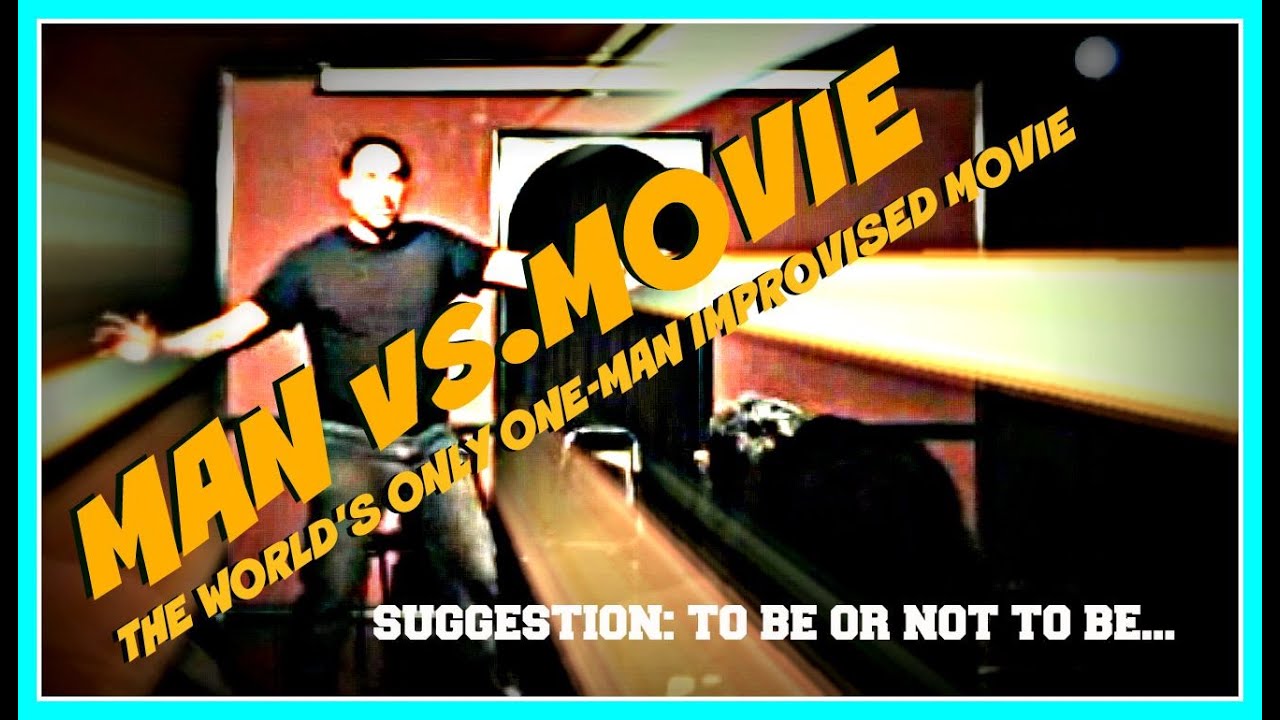 34:27
Solo Improv Show - Man vs Movie (the first one) - To Be Or Not To Be (2016)
Paul Vaillancourt performs Man vs. Movie, a solo improv format in which a single performer improvises an entire feature-length narrative from one audience suggestion. Vaillancourt takes a line of poetry or song lyric and builds a complete film on stage, rendering characters, scene transitions, and cinematic elements unassisted. This installment uses "To Be Or Not To Be" as its title.
 26:09
Solo Improv Show - Man vs Movie - I'm Never Gonna Dance Again (2016)
Another installment of Paul Vaillancourt's Man vs. Movie, a solo format in which a single improviser creates a full narrative film on stage from one audience suggestion. This performance, titled "I'm Never Gonna Dance Again," follows the same structure of improvised characters, plot, and cinematic conventions performed entirely by one person.
 44:36
Improv Show - Pete and Paul Explain It All (Improv Duo) - Bartending (2009)
A full-length performance of "Pete and Paul Explain It All," a two-person longform show performed by Paul Vaillancourt and Pete Gardner, recorded in 2009. The suggestion for this set is "Bartending." The format opens with an extended conversational riff on the audience suggestion before transitioning into longform scenework. Vaillancourt and Gardner build an interconnected narrative populated by multiple characters, a hallmark of veteran duo work requiring rapid character switching and sustained pattern tracking across a 44-minute set.
 45:24
Improv Show - Pete and Paul Explain It All (Improv Duo) - Fillopian Tubes (2009)
A full-length performance of "Pete and Paul Explain It All," the two-person longform show performed by Paul Vaillancourt and Pete Gardner, recorded in 2009. The audience suggestion for this set is "Fillopian Tubes." As with other installments of the format, the duo begins with a conversational exploration of the suggestion before moving into extended scenework. The pair constructs a multi-character narrative across the 45-minute performance.
Shorts
Vertical and short-form entries grouped separately for easier browsing.
 0:39
One Rule That Makes Improv Actually Funny #ImprovTips #ComedyTips #LevelUp
A PVImprov short on the principle of playing at the top of one's intelligence. The clip advocates for giving characters the performer's own vocabulary and reasoning ability rather than defaulting to ignorance for easy laughs, arguing that grounded, intelligent characters produce more organic comedy.
 0:48
Amy Poehler just dropped the truth bomb every new improviser needs to hear.
Amy Poehler discusses the importance of full commitment in improv performance. The clip, shared by PVImprov, emphasizes that hesitation undermines scene work regardless of the premise, and that leaning into a choice with conviction is what makes characters believable and scenes succeed.
 0:38
STOP asking questions and START making statements!
A short from PVImprov reinforcing the foundational improv principle of making declarative statements rather than asking questions in scenes. The clip references Tina Fey's advocacy of this technique and explains how questions shift creative responsibility onto a scene partner instead of contributing actively to the shared reality.
 1:00
Stop trying to be funny and start being YOU
PVImprov explores the value of authenticity over performative humor. The short encourages improvisers to bring genuine emotion to their work rather than adopting a comedic persona, citing the principle that real feeling connects with audiences more reliably than constructed cleverness.
 0:44
You don’t need ANOTHER improv class!
A short from PVImprov addressing the tendency for improvisers to over-prepare through additional classes rather than trusting their existing life experience and emotional range. The clip challenges the assumption that subject-matter expertise is necessary for convincing stage work.
 0:49
The Magic Word in Improv (and Life!)
A short educational clip from PVImprov discussing the foundational improv principle of "Yes." The video frames acceptance as the starting point for productive scene work, contrasting it with the instinct to block or deny offers.
 0:15
Get to vs. have to—which one are you? #improvtips #mindset
A short tip from PVImprov on reframing the performer's mindset by distinguishing between obligation and opportunity when approaching scene work.
 0:59
My TOP 5 Improv Tools- Pt 1 #improv #improvtips #improvcomedy
Part one of a multi-part short series from PVImprov covering five foundational scene tools. The series addresses naming characters, environment work, emotional commitment, character refrains, and physicality as core techniques for strengthening improvised performance.
 0:27
Improv Changed Everything For Me #improv #lifechanging #mindset
A short from PVImprov reflecting on the broader personal impact of improvisation, touching on how the practice fosters listening, creativity, and human connection beyond the stage.
 0:59
Improv and The Fraction of Life Theory #improv #improvtips #improvcomedy
PVImprov presents what it calls the "Fraction of Life Theory," a mental framework for managing performance anxiety. The concept: as a performer accumulates more shows, any single performance represents a smaller fraction of their total experience, reducing the weight of individual outcomes.
 0:37
Let it BE a PROBLEM! #improv #improvtips #improvcomedy
A short tip from PVImprov on sustaining conflict in scenes. The lesson warns against the common instinct to resolve problems quickly, arguing that tension and contrast are what drive compelling scene work. The video references The Odd Couple as an illustration of productive, unresolved friction.
 0:39
The uncomfortable truth about getting better at improv #improv #struggle #real
PVImprov addresses the nonlinear nature of skill development in improvisation. The video normalizes the experience of plateaus in training, framing them as a standard part of the learning curve rather than a sign of stagnation.
 0:48
Every Bold Choice Wins or Teaches #improv #lessonslearned #performance
A short lesson from PVImprov on commitment and risk-taking in performance. The core advice: choose boldness over safety, treating unsuccessful choices as productive learning rather than failure.
 0:44
Improv legends do this every single time #professionaltips #comedy #training
PVImprov advocates for cross-training across improv disciplines. The tip encourages performers to study short form, long form, musical improv, and dramatic improv as a way to strengthen core skills and develop range.
 0:57
Scene not working? You're doing it backwards #improv #tips #acting
A short tip from PVImprov on the principle of starting scenes in the middle of the action rather than building toward it. The lesson centers on environment and object work: rather than negotiating what a scene will be about, performers should establish the physical and emotional reality immediately.
 0:41
It’s NOT About You! #improv #improvtips #improvcomedy
A short instructional clip from PVImprov on the principle of making your scene partner look good. The lesson focuses on support, trust, and generosity as foundational elements of effective scene work.
 0:59
Objects Reveal Everything in a Scene #improv #improvtips #acting
A short instructional clip from PVImprov on object work in improvised scenes. The lesson emphasizes assigning meaning to physical objects rather than treating them as incidental, using the specificity of props and mimed items to reveal character relationships and scene history.
 1:29
The Solo Improv Secret Nobody Talks About #improv #improvtips #shorts
PVImprov discusses a technique for solo improvisation, a less commonly addressed format in improv pedagogy. The short explores an approach to performing without scene partners, touching on the distinct challenges of generating and sustaining material alone.
 0:43
What do we do if the scene is off track? Try this. #mprov #improvtips #improvcomedy
A 43-second short from PVImprov offering a practical approach for redirecting an improv scene that has lost its footing. The tip addresses one of the recurring challenges in unscripted performance: recognizing when a scene has drifted and intervening constructively.
 1:00
Aristotle said “Well begun is half done.” Was he talking about improv? Maybe! #improv #improvtips
A short from PVImprov connecting Aristotle's maxim "Well begun is half done" to the importance of strong initiations in improv. The video explores how the quality of a scene's opening moves can determine the trajectory of the entire performance.
 0:15
Be in the moment until that moment is done. And then be in the next moment.
A short from PVImprov on the principle of staying present in a scene. The video emphasizes committing fully to the current moment of a scene before moving on to the next beat, a foundational concept in improvisation training.
 0:11
Improvisers, You Need to See This
An 11-second teaser short from PVImprov offering general encouragement and tips for improvisers.
 0:11
Treating Ridiculous Things Seriously Changes Everything #improv #shorts
A short clip from PVImprov discussing the principle of treating absurd premises with sincerity, a foundational commitment technique in improvisation.
 0:58
3 TOP TIPS For redirecting an improv! #improvtips #improv #improvcomedy
A short from PVImprov presenting three techniques for redirecting an improv scene that has stalled or lost direction. The tips address recognition of when a redirect is needed and methods for shifting the scene's trajectory.
 1:00
ONE Simple Idea That Will REVOLUTIONIZE Your Improv Scenes NOW! #improvtips #improv #improvcomedy
Paul Vaillancourt introduces his "Christmas Tree Theory of Scene Work," a framework for prioritizing the character relationship as the structural foundation of any improv scene. The analogy positions the relationship as the tree trunk that must be solid before additional elements like flashbacks, tag-outs, or walk-ons can be layered on. Applicable across short form, longform, and narrative improv. Part of the PVImprov educational series.
 0:57
Don’t make these THREE tag-out MISTAKES #improv #improvcomedy #improvtips
PVImprov identifies three frequent errors improvisers make when performing tag-outs. The short covers common pitfalls in tag-out execution and offers corrections for cleaner scene transitions.
 0:57
Most Improvisers DON'T do this after a tag-out #improvcomedy #improv #tips
A short-form tip from PVImprov addressing a commonly overlooked step after executing a tag-out in an improv scene. The video focuses on what performers should do once they return to the original scene following a tag-out sequence.
 0:39
Tag-outs PRO TIP #improv #improvcomedy #improvtips
A follow-up tag-out tip from PVImprov offering a more advanced note on executing clean tag-outs, applicable to both shortform and longform contexts.
 0:55
Master Improv by Defying Expectations #improv #improvcomedy #skillup
PVImprov explores the principle of subverting expectations as a scene tool, discussing how unexpected choices can sharpen comedic and narrative impact in improvisation.
 0:30
🎭✨ Tag-outs can take your improv to the next level! #ImprovTips #TagOuts #improv
PVImprov introduces the tag-out, a longform technique in which a player enters to replace a scene partner and launch a new scene that recontextualizes or explores a pattern from the previous one. The short covers basic mechanics and applications.
 0:19
These 5 Tag Out Tricks Will Level Up Your Improv #improv #comedy #performance
A short-form clip from Paul Vaillancourt's PVImprov series summarizing five tag-out strategies and three pitfalls to avoid. A condensed companion to his longer lesson on the technique.
 0:40
Start your scenes STRONGER by doing THIS! #improv #improvtips #improvcomedy
A short PVImprov tutorial on scene initiations, presenting a technique for establishing stronger foundations in the opening moments of a scene.
 0:31
TRANSFORM your scene starts with THIS simple move! #improv #improvtips #improvcomedy
PVImprov demonstrates a technique for improving scene initiations, emphasizing a straightforward adjustment that can make openings more dynamic.
 0:32
SUPERCHARGE your improv scenes with THIS tool! #improv #improvtips #improvcomedy
A brief PVImprov tip introducing a single technique for elevating scene work, focused on in-the-moment decision-making and character engagement.
 0:22
5 Improv Moves That Transform Flat Scene Starts #improvtips #comedy #shorts
PVImprov presents five techniques for strengthening weak scene openings, covering ways to add momentum and specificity to the first moments of a scene.
 0:51
MASTER IMPROV characters with these 3 STEPS #improv #improvtips #soloimprov #characters
A short tutorial from PVImprov outlining a three-step approach to building improv characters, with attention to solo performance contexts.
 0:42
MASTER IMPROV using THIS essential skill! #improv #improvtips #soloimprov
A short-form clip from PVImprov identifying a core skill for solo improv practice. Part of the channel's broader series on independent training exercises.
 0:45
The solo improv secret nobody talks about #improv #comedytips #performancehacks
A short-form tip from PVImprov on a solo improv practice technique. Part of the channel's series on independent training methods for improvisers.
 0:46
Master improv with these 5 Solo improv exercises that ACTUALLY work #improv #improvtips
A short-form summary from PVImprov presenting five solo improv exercises. The clip condenses the channel's longer video on independent practice techniques for improvisers.
 0:46
Ben Schwartz, shares his 7 essential rules for mastering long-form improv. Full vid link in my bio
A short-form clip from PVImprov highlighting Ben Schwartz's seven rules for long-form improv, serving as a teaser for the channel's extended video on the subject.
 0:26
Master Improv: Ben Schwartz’s 7 Essential Rules
A short-form excerpt from PVImprov summarizing Ben Schwartz's seven principles for long-form improvisation. A condensed companion to the channel's full-length breakdown of the same material.
 0:58
Short form vs Long form
 0:29
Better WHERES in improv INSTANTLY! #improv #improvtips #improvisation
A short-form tip from PVImprov on establishing location in improv scenes. The video focuses on techniques for creating stronger "wheres," one of the foundational environmental elements that ground a scene for both players and audience.
 0:32
The One Thing Stopping You From Getting Better at Improv #improv #improvisation #tips
PVImprov identifies a single common obstacle that limits improvisers from progressing, aimed at both newer and experienced players looking to break through a plateau.
 0:55
How To END Scenes in Improv (1 AMAZING Tip) #improv #improvtips #improvisation
PVImprov addresses scene endings in improvisation, offering one core technique for identifying when and how to conclude a scene cleanly. Ending scenes with clarity and timing is a commonly undertaught skill in improv training.
 0:41
THIS simple change will INSTANTLY improve your improv. #improv #improvtips #improvisation
A brief tip from PVImprov presenting a single tactical adjustment improvisers can apply to elevate their scene work.
 0:58
CONFLICT in improv: what you’ve taught is WRONG…sorta. #improv #improvtips #improvisation
PVImprov challenges common teachings around conflict in improvisation, distinguishing between productive and counterproductive uses of conflict within a scene. The video revisits the conventional wisdom that conflict should be avoided entirely, suggesting a more nuanced understanding.
 0:49
TOUGH LOVE that will INSTANTLY make your characters and space work better. #improv #improvtips
A short lesson from PVImprov on strengthening character work and object/environment work in improv scenes, framed as direct, corrective coaching advice.
 0:37
Movie structure is backwards for improv #improv #tips
PVImprov examines how conventional movie narrative structure differs from effective scene-building in improvisation, arguing that improvisers benefit from inverting the scripted approach to create more authentic moments onstage.
 0:49
GUARANTEED way to ACE that improv audition! #improv #improvisation #improvtips
PVImprov offers audition preparation advice for improvisers, covering how to approach an improv audition with presence, spontaneity, and personality.
 0:44
THIS is going to change how you think about improv! #improv #improvisation #improvtips.
A short PVImprov lesson presenting a reframing of how improvisers approach their work, aimed at shifting fundamental assumptions about scene building and spontaneity.
 0:36
NEVER do THIS in your improv shows! (WARNING) #improvisation #improvtips #improv
PVImprov highlights a specific behavior to avoid during improv performances, framed as a cautionary tip for maintaining scene integrity and ensemble cohesion onstage.
 0:25
My DYING WORDS…about Improv. #improv #improvtips #improvisation
A brief, reflective piece from PVImprov distilling core principles of improvisation into a few parting observations for performers at any level.
 0:45
Most improvisers are doing this wrong #improv #improvtips #comedy
A short-form lesson from PVImprov identifying a common habit or technique that many improvisers default to incorrectly, with advice on how to adjust the approach.
 0:43
The BEST way to feel better about your Improv space work - GUARANTEED! #improv #improvisation
PVImprov presents a quick tip aimed at building confidence in space work, encouraging improvisers to develop stronger object and environment skills through deliberate practice.
 0:17
The BEST improvisers DON’T TRY! #improv #improvisation #improvtips
PVImprov examines the concept that skilled improvisers succeed by not forcing outcomes, letting scenes develop organically rather than pushing for results.
 0:31
This is what the BEST IMPROVISERS do when they're feeling STUCK
A short from PVImprov exploring strategies experienced improvisers use to move through moments of feeling stuck in a scene.
 0:42
What Happens When You Stop Talking in Improv #improv #comedy
A short exploration from PVImprov on the role of silence in improv scenes, examining how pausing dialogue can heighten physicality and deepen audience engagement.
 0:27
This 24/7 Improv Scene Strategy Is A Game Changer
 0:54
How Pros Actually Energize Dead Scenes #improv #scenework #technique
PVImprov offers a brief tutorial on techniques for reviving low-energy scenes, focused on practical methods improvisers can use to restore momentum during a performance.
 0:34
The space work mistake every improviser makes #improv #comedy
A short lesson from PVImprov addressing a frequent space work error, with guidance on how to correct it for more grounded physical environment work onstage.
 0:59
The SECRET to play great RELATIONSHIPS in improv!
A short-form educational clip in which Paul Vaillancourt offers a concise technique for strengthening character relationships in improv scenes. The tip applies to both long-form and short-form improvisation.
 0:56
The one thing every improv performer gets wrong #improv #improvtip #performance
A short-form educational clip in which Paul Vaillancourt identifies a widespread performance mistake among improvisers. The lesson examines why character relationships are essential to effective scene work in both long-form and short-form improv.
 0:57
How Characters Actually Relate in Improv Scenes #improv #tutorial
A short-form educational clip in which Paul Vaillancourt defines what "relationship" means in the context of improv scene work. The lesson presents a framework for how characters connect, applicable to both long-form and short-form improvisation.
 0:55
Read between the lines like your scene depends on it (because it does) #improv #comedy #acting
A short-form educational clip from PVImprov focused on subtext in improvisation. The lesson addresses how performers can identify and respond to unspoken emotional and contextual cues within a scene rather than relying solely on explicit dialogue.
 0:27
How to Keep Improv Scenes from Sucking! 4 EASY steps.
A short-form educational clip from PVImprov outlining four foundational steps for improving the quality of improv scenes.
 0:56
Put the rules aside and FLY in improv! #improv #comedy #improvcomedy
Lauren of PVImprov offers perspective on the role of improv "rules," discussing when foundational guidelines serve a scene and when performers benefit from setting them aside.
 0:48
Actors get stuck here. Emotion is the answer #improv #actingtips
 0:49
Improv made me quick thinking and I never looked back #improv #comedy #skills
Shaun of PVImprov reflects on how improv training sharpened her quick-thinking ability and why that skill keeps her committed to the art form.
 0:23
1 ingredient for strong starts to shows #improv #comedy #improvcomedy
A short tip from PVImprov on building strong openings for improv shows.
 0:52
The improv hack that makes everything bigger #comedy #improv #actingtips
A short-form educational clip from PVImprov presenting a single technique for heightening scenes, characters, and comedic moments in improvisation.
 0:40
Better improv scenes with this simple tip! #improv #comedy #improvcomedy
A short-form tip from the PVImprov channel offering a single technique for strengthening improvised scenes.
 0:58
This tip will make your scenes better instantly! #improv comedy #improv
A short-form tip from the PVImprov channel presenting a technique for immediate improvement in scene work.
 0:27
Lindsey Stoddart’s Emotional Improv Tip is Genius
Lindsey Stoddart shares a brief tip on accessing authentic emotion in improvised performance.
 0:19
The biggest improv mistake happens in your head #improv #comedy #shorts
Miles Stroth of PVImprov discusses the importance of following initial instincts in improv scenes rather than overthinking, arguing that the first impulse is often the strongest choice.