The Second City Almanac of Improvisation
The Second City Almanac of Improvisation, curated by Anne Libera, acts as both a historical repository and a practical workshop in book form. Unlike a traditional linear manual, this volume is a kaleidoscope of essays, interviews, and exercises that document the evolution of the "Chicago Style" of improvisation. It captures the oral history of The Second City, the theater that became the Mecca of American comedy, through the voices of the people who built it.
Anne Libera, the longtime Artistic Director of The Second City Training Center, organizes the chaos of fifty years of comedy into a structured exploration of the art form. The book traces the lineage of improv from the games of Viola Spolin to the satiric revues that launched the careers of Bill Murray, Tina Fey, and Stephen Colbert. It is less a step-by-step "how-to" and more of a "why-to," offering deep context on the artistic principles that underpin the work.
One of the book's greatest strengths is its polyphony. It does not present a single, unified theory of improv but rather a collection of perspectives that sometimes complement and sometimes contradict one another. Readers can find Fred Willard discussing his early days, Tim Kazurinsky offering a masterclass on object work, and Mick Napier analyzing the mechanics of long-form versus short-form. This approach reflects the nature of The Second City itself: a collaborative environment where strong individual voices merge to create something greater than the sum of its parts.
The text covers the full spectrum of the improviser's toolkit. There are sections dedicated to "The Big Three" rules (which the book examines and complicates), content generation, and the specific demands of the revue format. Tina Fey's contribution on the process of "re-improvising," or refining improvised material into sketched scenes, is a highlight, offering a rare glimpse into the writing process of professional comedy.
Ultimately, the Almanac serves as a bridge between the classroom and the stage. It validates the struggles of the student while setting a high bar for the professional. It demonstrates that the funny is rarely accidental; it is the result of rigor, awareness, and a deep commitment to the truth of the moment.
Key Concepts
The process of taking a successful improvised scene and refining it through repetition and editing to create a polished sketch.
Detailed guidance (notably by Tim Kazurinsky) on pantomime and the physical reality of the scene.
A critical examination of the classic rules, such as Don't Ask Questions, Don't Deny, Don't Tell Stories, and when to break them.
How the power dynamics between characters drive the scene forward more effectively than plot invention.
Understanding the specific structure of a Second City show, balancing satire, blackout sketches, and songs.
Who Benefits from Reading this Book
The book is a primary source document, containing first-hand accounts of the development of American comedy institutions.
For students enrolled in or emulating the Second City conservatory program, this book provides the theoretical backing to the practical curriculum.
Unlike many improv books, the Almanac bridges the gap between improv and sketch, making it invaluable for writers looking to generate material from improvisation.
Libera's curation offers a masterclass in how to look at improv not just as a game, but as a theatrical event with history and structure.
Reception & Legacy
The Second City Almanac of Improvisation is revered as a "bible" of the Chicago style. While some users find its anthology format less accessible than a linear textbook, most practitioners value it for the sheer density of wisdom it contains. It is often described as a book one "grows into," with different essays resonating at different stages of an improviser's career. It holds a unique place in the literature as one of the few books to document the transition from Spolin's educational games to the commercial stage work of The Second City.
Connections
- authorAnne Libera
Related Reading
See all books →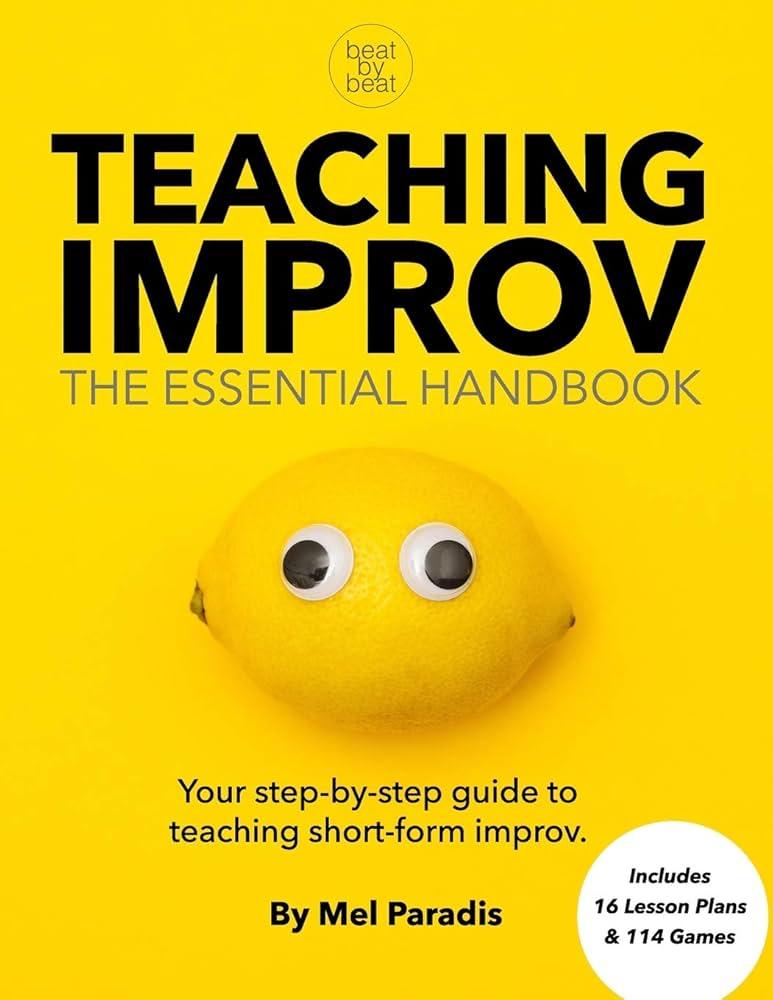
Teaching Improv
The Essential Handbook
Mel Paradis

The Second City Unscripted
Revolution and Revelation at the World-Famous Comedy Theater
Mike Thomas
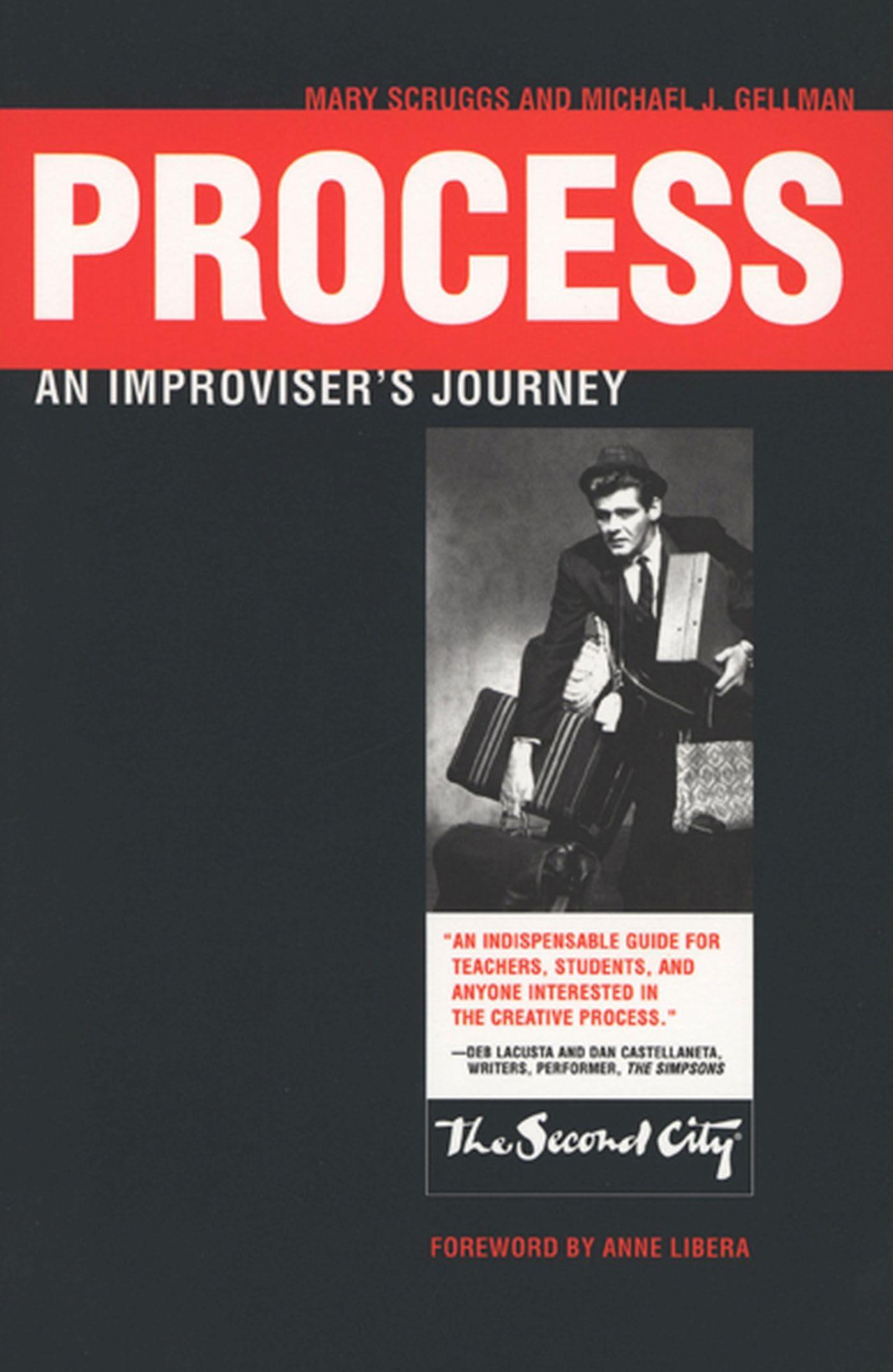
Process: An Improviser's Journey
Mary Scruggs; Michael J. Gellman

Truth in Comedy
The Manual of Improvisation
Charna Halpern; Del Close; Kim Howard Johnson

Something from Nothing
The Technique of Improvisation
Richard Goteri
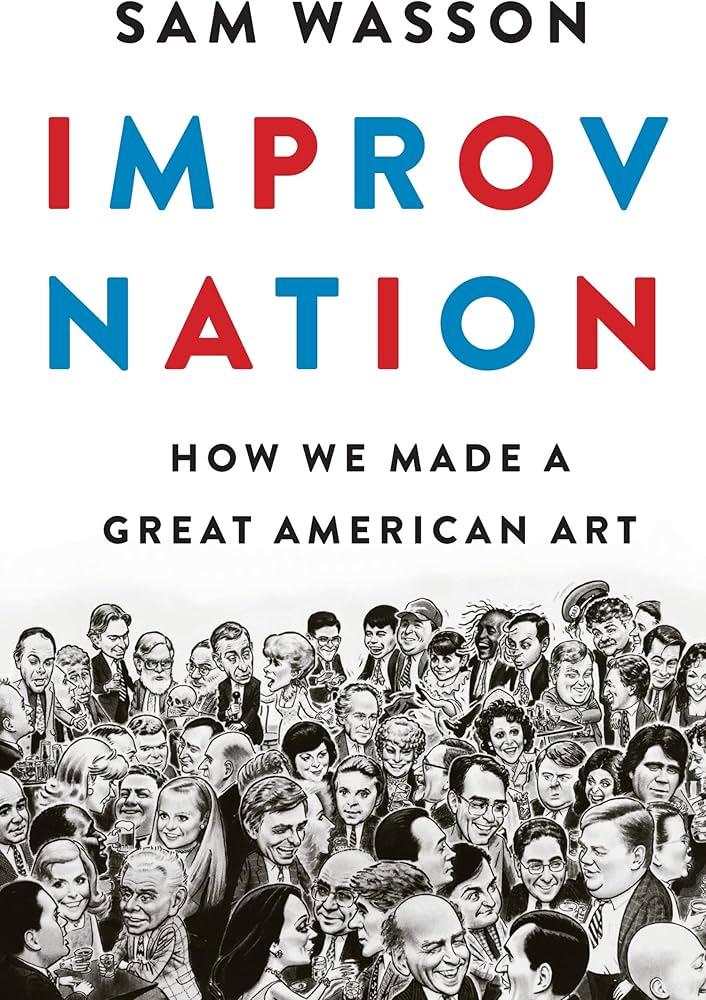
Improv Nation
How We Made a Great American Art
Sam Wasson
About This Book
How to Reference This Page
The Improv Archive. (2026). The Second City Almanac of Improvisation. Retrieved October 11, 2026, from https://improvarchive.org/books/second-city-almanac-of-improvisation
The Improv Archive. "The Second City Almanac of Improvisation." The Improv Archive, 2026. https://improvarchive.org/books/second-city-almanac-of-improvisation.
The Improv Archive. "The Second City Almanac of Improvisation." The Improv Archive, 2026, https://improvarchive.org/books/second-city-almanac-of-improvisation. Accessed October 11, 2026.
The Improv Archive is a systemically maintained repository. The archive itself acts as the corporate author.