Alphabet Soup
Alphabet Soup is a verbal exercise in which players contribute to a group story or conversation while each player's contribution must contain a word beginning with the next letter of the alphabet. The game builds verbal flexibility and listening within a shared narrative frame.
Structure
Setup
Players sit or stand in a circle. One player starts the exercise.
Progression
Players take turns adding to a shared story, conversation, or description. Each player's turn must include at least one word beginning with the next letter of the alphabet in sequence. The word does not need to be the first word of their contribution.
Players keep track of the current letter together. When a player struggles with a particularly difficult letter, the group waits briefly; the facilitator may allow a quick assist if the exercise has stalled.
Conclusion
The exercise ends after reaching Z or after the facilitator calls time. The group may restart with a new theme or topic.
How to Teach It
How to Explain It
"We're building a story together. Each time it's your turn, somewhere in what you say, use a word that starts with the next letter of the alphabet. We're at A right now. Try to keep the story going."
Objectives
This exercise trains verbal awareness, listening for narrative continuity, and comfortable risk-taking with unusual vocabulary.
Common Notes
"The alphabet letter is the game. The story is still real. Don't abandon the narrative to find the letter."
Common Pitfalls
Players sometimes pause entirely while searching for a word. Encourage them to speak first and find the letter mid-sentence rather than pre-planning before speaking.
Worth Reading
See all books →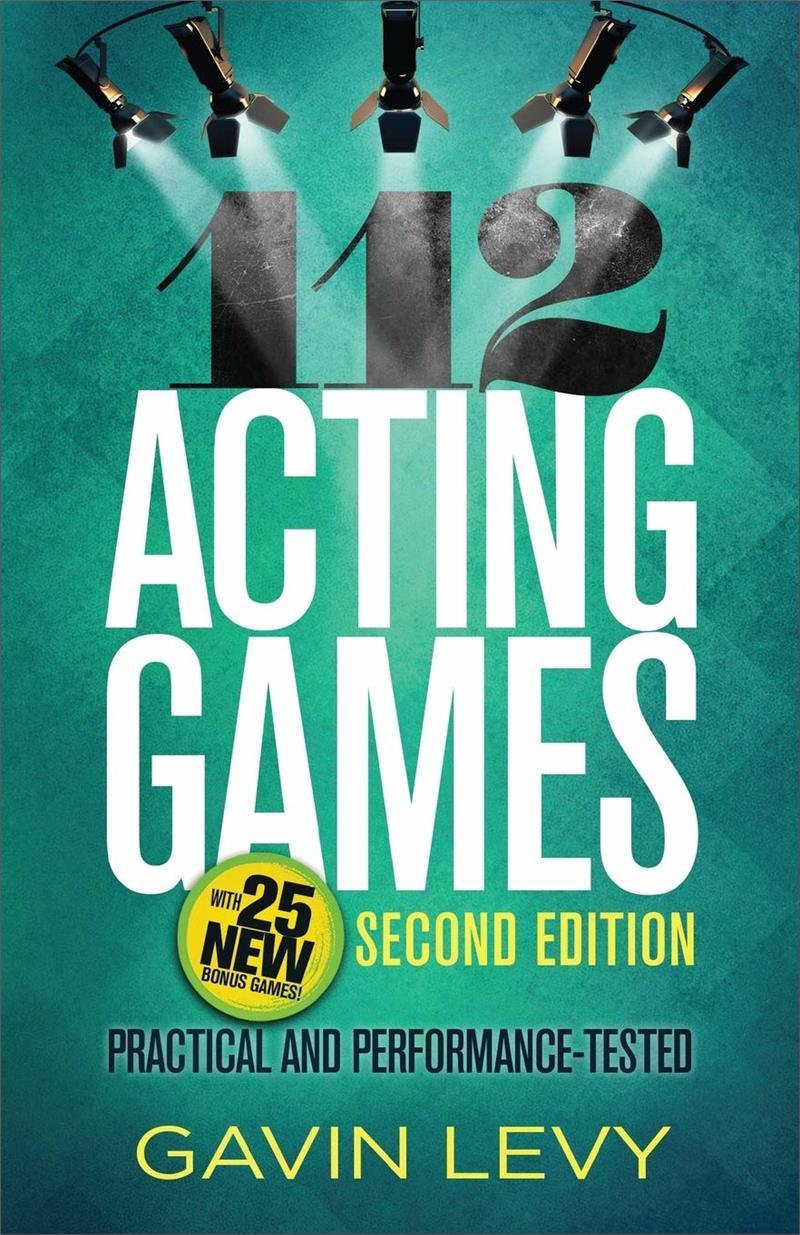
112 Acting Games
Gavin Levy

Business Improv
Experiential Learning Exercises to Train Employees
Val Gee

Playing Along
37 Group Learning Activities Borrowed from Improvisational Theater
Izzy Gesell

Group Improvisation
The Manual of Ensemble Improv Games
Peter Campbell Gwinn; Charna Halpern

Drama Games and Improvs
Games for the Classroom and Beyond
Justine Jones; Mary Ann Kelley

Improv Ideas
A Book of Games and Lists
Mary Ann Kelley; Justine Jones
Related Exercises
Alphabet Letters
Alphabet Letters is a physical exercise in which players use their bodies to form the shapes of individual letters. Working alone or in small groups, players translate abstract letter forms into physical configuration, developing spatial awareness, body control, and ensemble coordination.
Alphabet Game
Alphabet Game is a short-form scene game in which each line of dialogue must begin with the next successive letter of the alphabet. Players navigate a coherent scene while wrestling with difficult letters, making it both a verbal agility test and a shared comedic endurance challenge.
Alphabet Circle
Alphabet Circle is a focus exercise in which players stand in a circle and take turns reciting letters of the alphabet, one per person. The pace increases until errors occur, revealing lapses in concentration. Variations add physical gestures, direction changes, or simultaneous counting to increase difficulty.
Story String
Story String is a collaborative storytelling exercise in which each performer adds a sentence or beat to a shared narrative, building a continuous story that passes through the entire group. The exercise develops listening, narrative awareness, and the ability to advance rather than redirect a story.
Story Circles
Story Circles is a collaborative storytelling exercise in which small groups sit in circles and build stories together, with each person contributing a segment before passing to the next. The exercise develops listening, narrative awareness, and the ability to build on others' contributions.
Alliterations
Alliterations is a verbal constraint exercise in which players construct sentences, tell stories, or carry on conversations using words that all begin with the same letter. The restriction sharpens verbal agility, expands vocabulary under pressure, and demands creative commitment in real time.
The Lineage
Explore the schools and structures that influenced or evolved from Alphabet Soup.
112 Acting Games (Levy)
How to Reference This Page
The Improv Archive. (2026). Alphabet Soup. Retrieved September 28, 2026, from https://improvarchive.org/exercises/alphabet-soup
The Improv Archive. "Alphabet Soup." The Improv Archive, 2026. https://improvarchive.org/exercises/alphabet-soup.
The Improv Archive. "Alphabet Soup." The Improv Archive, 2026, https://improvarchive.org/exercises/alphabet-soup. Accessed September 28, 2026.
The Improv Archive is a systemically maintained repository. The archive itself acts as the corporate author.