Automatic Storytelling
Automatic Storytelling is an exercise in which a player tells a story as rapidly as possible, following the first narrative impulse that arises without planning or editing. The technique bypasses the conscious mind's desire to control and produces raw, surprising material. It trains the instinct to trust one's first offer.
Structure
Setup
- One player stands in the playing space.
- The facilitator gives a prompt or simply says "go."
- The player begins telling a story immediately, following the first narrative impulse that arrives.
The Automatic Requirement
- The player must begin speaking within one second of the prompt.
- The story follows wherever the first sentence leads, without correction or redirection.
- There is no plan. There is only the next sentence.
What the Exercise Does
- It bypasses the editing function of the conscious mind.
- The material that arrives is often more surprising, personal, and specific than anything the performer would have planned.
- The exercise builds the reflex of trusting the first offer rather than waiting for a better one.
Facilitation
- The facilitator can stop the story at any moment and have the player begin again from scratch, developing the reflex independently of any given content.
- After several rounds of automatic storytelling, the facilitator can ask: "What did you notice about where the story wanted to go?" This reveals the performer's natural narrative tendencies.
Variations
- The story is told at exactly one word per beat, with the facilitator controlling the pace.
- Multiple players build the automatic story collaboratively, each adding one sentence at full speed.
How to Teach It
How to Explain It
"Go. Right now. Tell us a story. The first word that arrives is the right word. The next sentence follows from that one. Don't pause to think. The pause is where the editing starts. There is no editing. Go."
Common Notes
- The first five seconds are the hardest. Players who survive them typically find a rhythm.
- Material that feels strange, personal, or inappropriate during the exercise is often the most useful. This is worth naming explicitly.
- Multiple rapid restarts (the facilitator calling "go" again before a story develops) train the reflex of starting, not the skill of sustaining.
Common Pitfalls
- Players pause to find a good opening line. The exercise requires a bad opening line said immediately.
- Players narrate their own confusion about what to say: "So, I'm going to tell you about..." This is performing the search rather than starting the story.
- The exercise is treated as a performance opportunity rather than a training drill. Speed and instinct are the priority, not quality.
Worth Reading
See all books →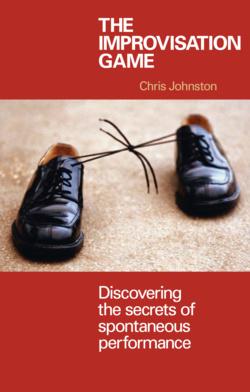
The Improvisation Game
Discovering the Secrets of Spontaneous Performance
Chris Johnston

How to Improvise a Full-Length Play
The Art of Spontaneous Theater
Kenn Adams
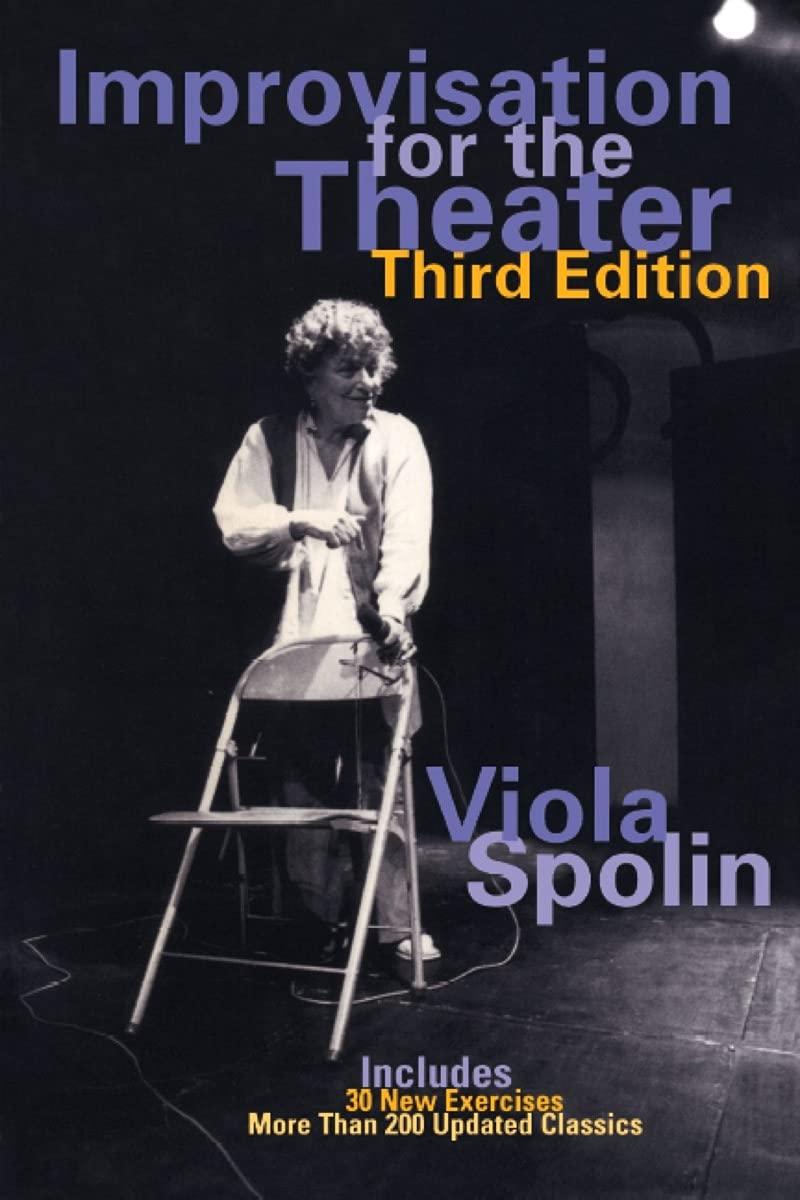
Improvisation for the Theater
A Handbook of Teaching and Directing Techniques
Viola Spolin
Theater Games for Rehearsal
Viola Spolin
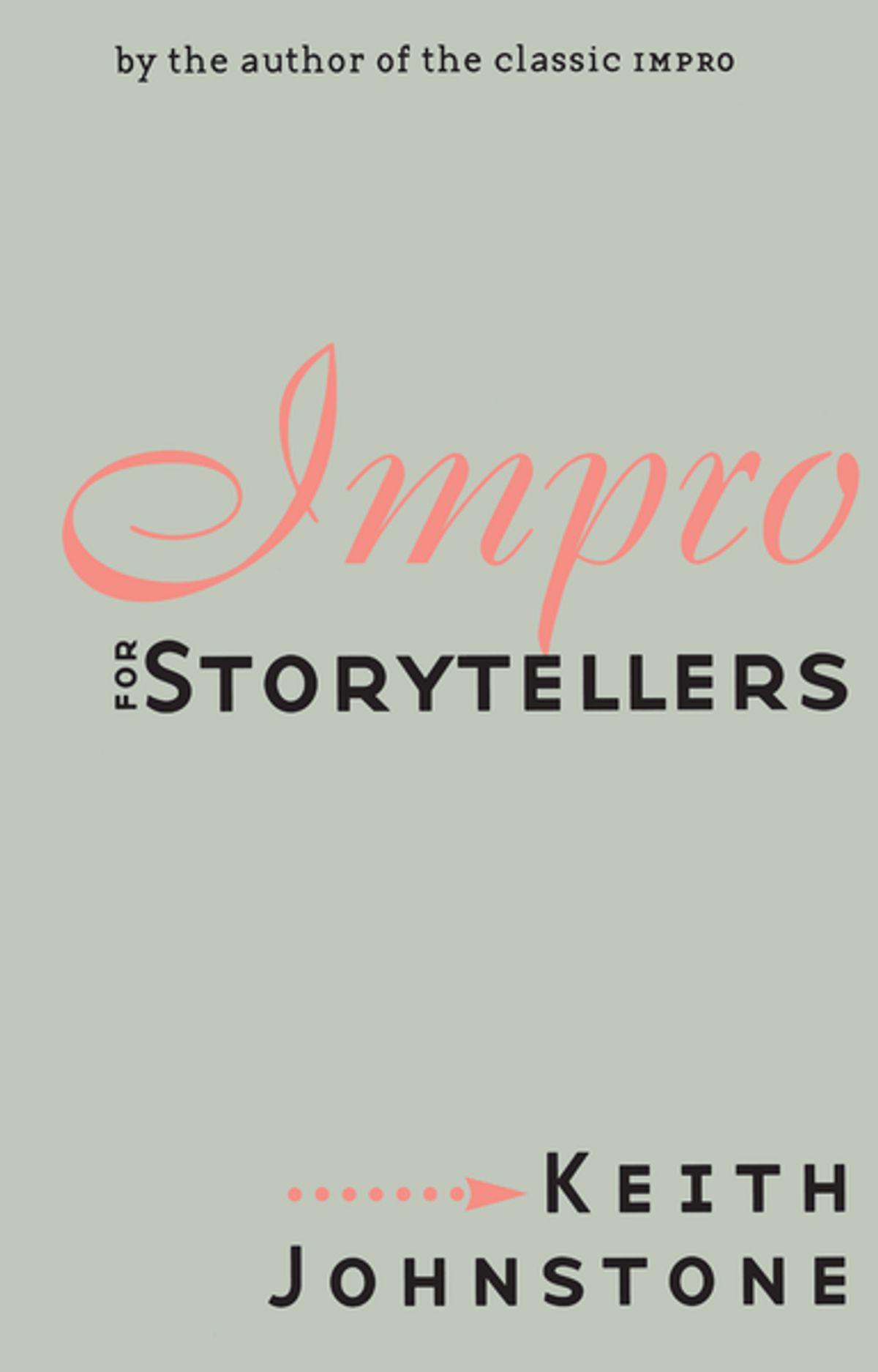
Impro for Storytellers
Keith Johnstone

Drama Games and Improvs
Games for the Classroom and Beyond
Justine Jones; Mary Ann Kelley
Related Exercises
Automatic Writing
Automatic Writing is a creative exercise in which players write continuously for a set period without stopping to edit, censor, or plan ahead. Originating in Surrealist practice, the technique bypasses the internal critic and surfaces raw associative material, making it useful as a pre-performance warm-up, a character development tool, or a solo creative practice.
Object Narrative
Object Narrative is a storytelling exercise in which a participant picks up a physical object and tells a spontaneous story inspired by or centered on that object. The object serves as a concrete anchor for narrative invention, giving the storyteller something tangible to react to rather than generating a story from nothing.
And Then
And Then is a storytelling exercise in which each contribution to a group story must begin with the phrase "and then." The connective phrase enforces forward momentum and prevents storytellers from stalling or backtracking. The exercise trains narrative drive and the habit of advancing rather than circling.
Ace
Ace (Advance, Color, Emotion) is a storytelling exercise in which one player narrates while a caller directs them to advance the plot, add descriptive color, or express emotion. The commands train improvisers to balance narrative momentum with sensory detail and emotional depth. It develops well-rounded storytelling instincts that translate directly to scene work.
Story Circles
Story Circles is a collaborative storytelling exercise in which small groups sit in circles and build stories together, with each person contributing a segment before passing to the next. The exercise develops listening, narrative awareness, and the ability to build on others' contributions.
Story String
Story String is a collaborative storytelling exercise in which each performer adds a sentence or beat to a shared narrative, building a continuous story that passes through the entire group. The exercise develops listening, narrative awareness, and the ability to advance rather than redirect a story.
How to Reference This Page
The Improv Archive. (2026). Automatic Storytelling. Retrieved September 28, 2026, from https://improvarchive.org/exercises/automatic-storytelling
The Improv Archive. "Automatic Storytelling." The Improv Archive, 2026. https://improvarchive.org/exercises/automatic-storytelling.
The Improv Archive. "Automatic Storytelling." The Improv Archive, 2026, https://improvarchive.org/exercises/automatic-storytelling. Accessed September 28, 2026.
The Improv Archive is a systemically maintained repository. The archive itself acts as the corporate author.