Automatic Writing
Automatic Writing is a creative exercise in which players write continuously for a set period without stopping to edit, censor, or plan ahead. Originating in Surrealist practice, the technique bypasses the internal critic and surfaces raw associative material, making it useful as a pre-performance warm-up, a character development tool, or a solo creative practice.
Structure
Setup
Each player needs paper and a pen or pencil. Players sit comfortably with their writing materials.
Progression
The facilitator sets a timer for three to ten minutes and gives a starting prompt or simply says "begin." Players write without stopping: no crossing out, no re-reading, no pausing to think. If nothing comes, they write "nothing" or repeat the last word until something else arrives.
The rule is continuous motion. The pen does not stop moving.
Conclusion
When time is called, players may read their writing aloud to the group or keep it private. Discussion focuses on what surprised them, what images or words appeared unexpectedly, and what felt genuinely unplanned.
How to Teach It
How to Explain It
"Write without stopping. Don't think ahead. Don't cross anything out. If your mind goes blank, write that. The pen keeps moving until I say stop."
Objectives
Automatic Writing develops access to uncensored creative material, loosens performers' relationship with self-judgment, and builds fluency in improvisational thinking transferred to the page.
Scaffolding
Start with shorter durations (three minutes) and simple prompts (a character, a place, an emotion) before extending to longer free-writing sessions. Reading aloud is optional but builds trust if done regularly.
Common Notes
"There is no wrong answer. Nonsense is allowed. The point is to keep moving."
Common Pitfalls
Players frequently pause, re-read their work, and begin editing. The most important coaching intervention is a simple reminder that the pen must keep moving.
History
Automatic Writing was developed by the Surrealist movement in the 1920s as a method for accessing the unconscious mind without rational interference. André Breton and other Surrealists used the technique as both an artistic practice and a psychological tool. Its adoption into acting and improvisation pedagogy brought it into training contexts as a method for bypassing self-censorship and generating raw character material.
Worth Reading
See all books →
Impro
Improvisation and the Theatre
Keith Johnstone
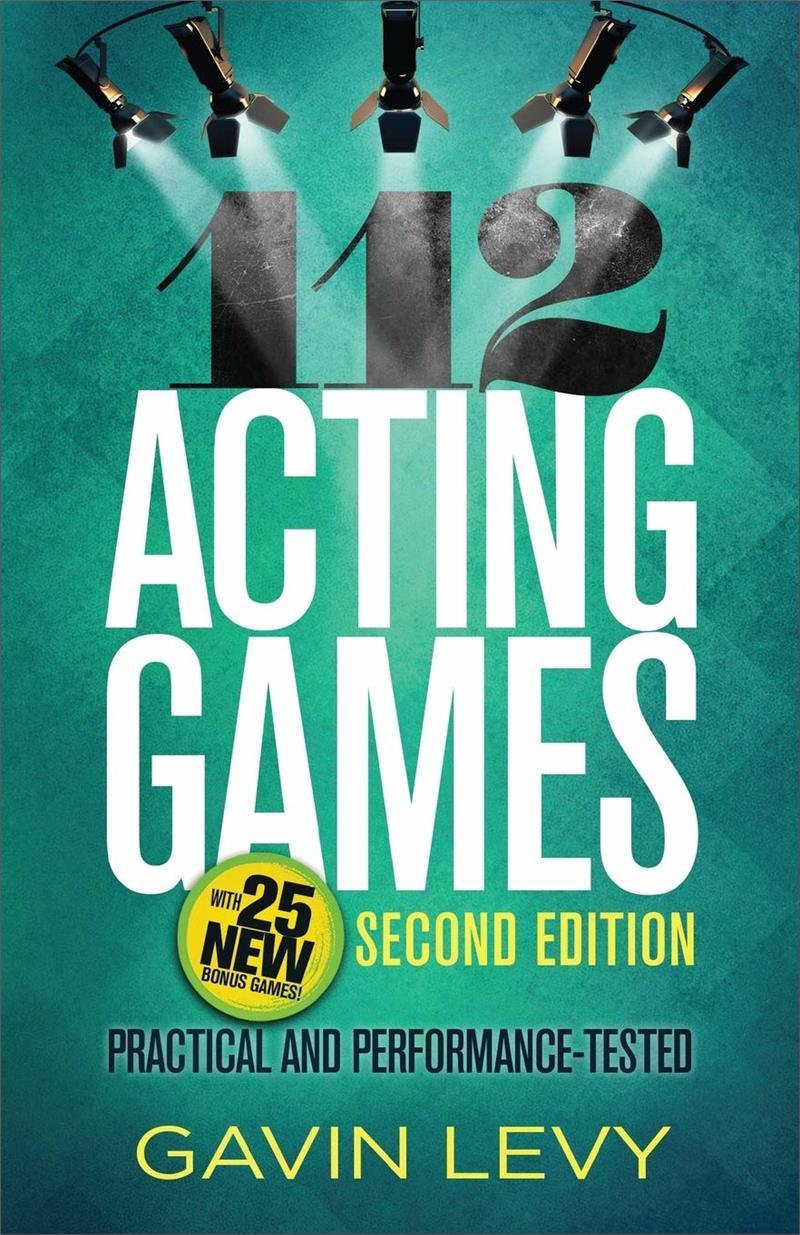
112 Acting Games
Gavin Levy

Embodied Playwriting
Improv and Acting Exercises for Writing
Hillary Haft Bucs; Charissa Menefee

Spontaneous Performance
Acting Through Improv
Marsh Cassady
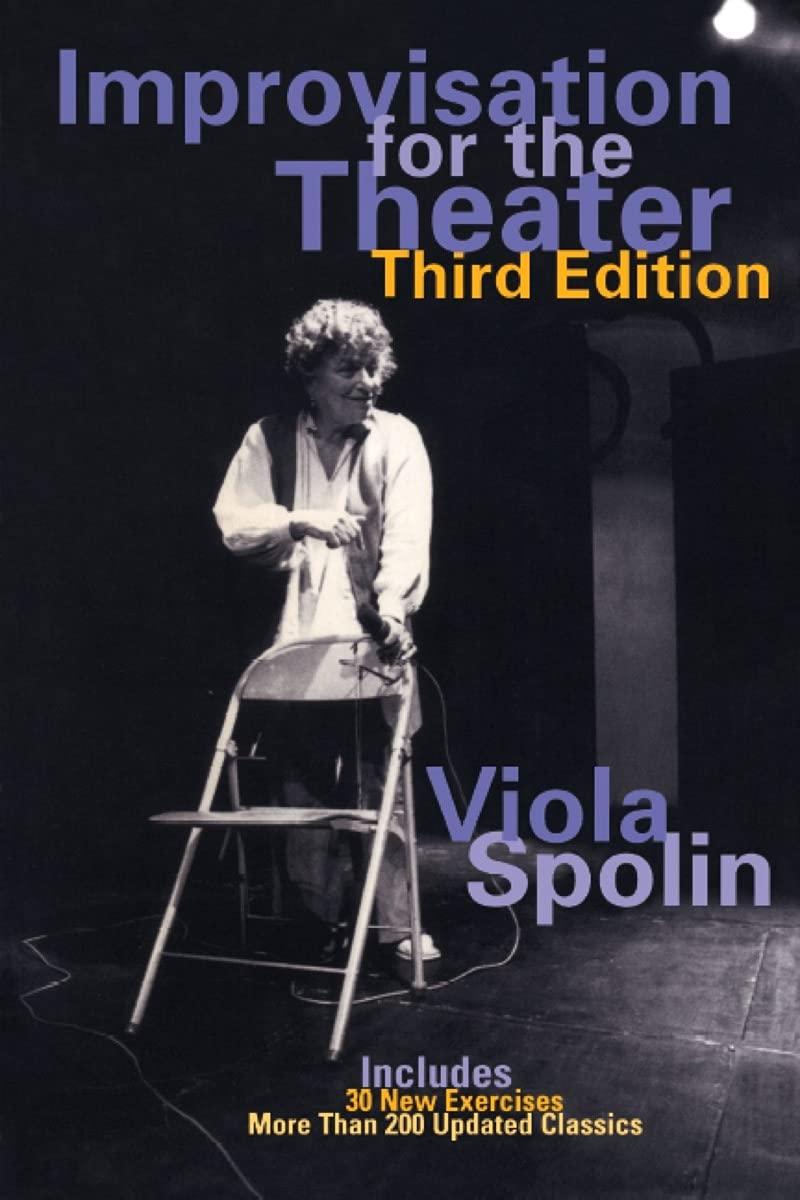
Improvisation for the Theater
A Handbook of Teaching and Directing Techniques
Viola Spolin
The Improvisation Game
Discovering the Secrets of Spontaneous Performance
Chris Johnston
Related Exercises
Automatic Storytelling
Automatic Storytelling is an exercise in which a player tells a story as rapidly as possible, following the first narrative impulse that arises without planning or editing. The technique bypasses the conscious mind's desire to control and produces raw, surprising material. It trains the instinct to trust one's first offer.
Typewriter
Typewriter is a narrative exercise in which one performer acts as a human typewriter, voicing a story that other performers physically enact. The typist controls pacing through physical typing gestures, including backspace, return, and speed adjustments, creating a collaborative storytelling loop between narrator and actors.
Random Words
Random Words is an applied improvisation exercise from Joseph A. Keefe's Improv Yourself in which partners each place ten dissimilar, unrelated words in a random pattern on paper and then compose an original story, poem, or monologue incorporating all ten words. The exercise builds the creative muscle of forging connections between unrelated concepts under constraint.
Free Association Circle
Free Association Circle is a group exercise in which players standing in a circle pass words around the circle, each player saying the first word that comes to mind in response to the word just spoken. There is no topic, no narrative, and no correct direction -- only the unfiltered associative chain between one mind and the next. The exercise develops spontaneity, the suppression of the self-editing reflex, and the awareness of how the associative mind generates material.
As You Will
As You Will is a character immersion exercise in which actors spend an extended period inhabiting their characters in an unstructured social environment. As documented by Gavin Levy in 112 Acting Games, players arrive already in character and interact freely with each other for twenty to sixty minutes without any scripted dialogue, predetermined blocking, or audience. The exercise strips away the technical demands of performance (projection, line learning, blocking) and replaces them with pure character exploration and responsive interaction. By removing the pressure of performance, As You Will allows actors to discover new dimensions of their characters through spontaneous encounter. The exercise is primarily used in conjunction with a scripted production, where it serves as a rehearsal tool for deepening character work and ensemble connection.
Last Letter Scene
Last Letter Scene is a hybrid game and exercise in which each line of dialogue must begin with the last letter of the previous line. The constraint forces performers to listen with acute precision -- not to the general content of what is said but to the exact final sound of each utterance -- while maintaining scene coherence, character, and forward momentum simultaneously.
The Lineage
Explore the schools and structures that influenced or evolved from Automatic Writing.
112 Acting Games (Levy)
How to Reference This Page
The Improv Archive. (2026). Automatic Writing. Retrieved September 29, 2026, from https://improvarchive.org/exercises/automatic-writing
The Improv Archive. "Automatic Writing." The Improv Archive, 2026. https://improvarchive.org/exercises/automatic-writing.
The Improv Archive. "Automatic Writing." The Improv Archive, 2026, https://improvarchive.org/exercises/automatic-writing. Accessed September 29, 2026.
The Improv Archive is a systemically maintained repository. The archive itself acts as the corporate author.