Bunny
Bunny is a high-energy circle exercise in which players pass a rhythmic pattern around the group through a combination of chanted sounds and synchronized gestures. The player designated as the bunny performs a central action, typically holding both hands beside the head like ears while chanting "bunny bunny," while the two players on either side perform complementary supporting gestures. The bunny then passes to another player across the circle, and the pattern repeats with increasing speed. The exercise builds group rhythm, peripheral awareness, and comfort with looking foolish. It is widely used as a warm-up in both theatrical and corporate training contexts, valued for its ability to lower inhibitions, demand focus, and generate collective energy through structured silliness.
Structure
Players form a standing circle. The facilitator demonstrates the three roles: the bunny (center position), the left supporter, and the right supporter.
The bunny places both hands beside the head, fingers pointing upward like rabbit ears, and chants "bunny bunny" repeatedly while looking at another player across the circle. The two players flanking the bunny each turn toward the bunny and perform a complementary gesture, such as making a single ear with the near hand, while chanting in rhythm.
The bunny passes by directing the chant and eye contact toward a specific player across the circle. That player immediately becomes the new bunny and begins the gesture and chant. The two players flanking the new bunny instantly adopt the supporter role.
The pace starts slowly to allow players to learn the mechanics. Once the group demonstrates competence, the facilitator calls for increased speed. The exercise continues until errors become frequent, at which point the group typically resets and begins again.
Some variations add elimination: players who hesitate, perform the wrong gesture, or fail to recognize their supporter role step out of the circle. Other variations layer additional patterns on top of the bunny pass, increasing the complexity of simultaneous tracking required.
How to Teach It
How to Explain It
"Stand in a circle. The bunny is created like this: the center person makes ears, and the people on either side make the body shape. When you are the bunny, pass it to someone across the circle. We start slow and speed up."
Introduce the exercise by demonstrating each role slowly and in isolation. Show the bunny gesture, then show the supporter gesture, then demonstrate a pass. Only after all three elements are clear should the group attempt a full round.
The most common error is supporters failing to recognize when the bunny has moved to their neighbor. Emphasize peripheral awareness: every player must track the bunny's position at all times, not just when directly involved. This makes the exercise a genuine focus drill rather than a waiting game.
Speed is the engine of this exercise. At slow speeds, the mechanics are trivial. The exercise becomes valuable only when the pace creates genuine pressure and errors become inevitable. Resist the temptation to keep the speed comfortable.
In corporate training contexts, the exercise functions as an equalizer. As described in The Improvisation Edge by Karen Hough, the exercise forces participants to look equally silly regardless of rank or title, breaking down hierarchical barriers. The goal is not perfection but full commitment.
A common pitfall is allowing the bunny to stall by repeatedly passing to the same few players. Encourage players to pass across the full circle, including to people they have not yet engaged.
Worth Reading
See all books →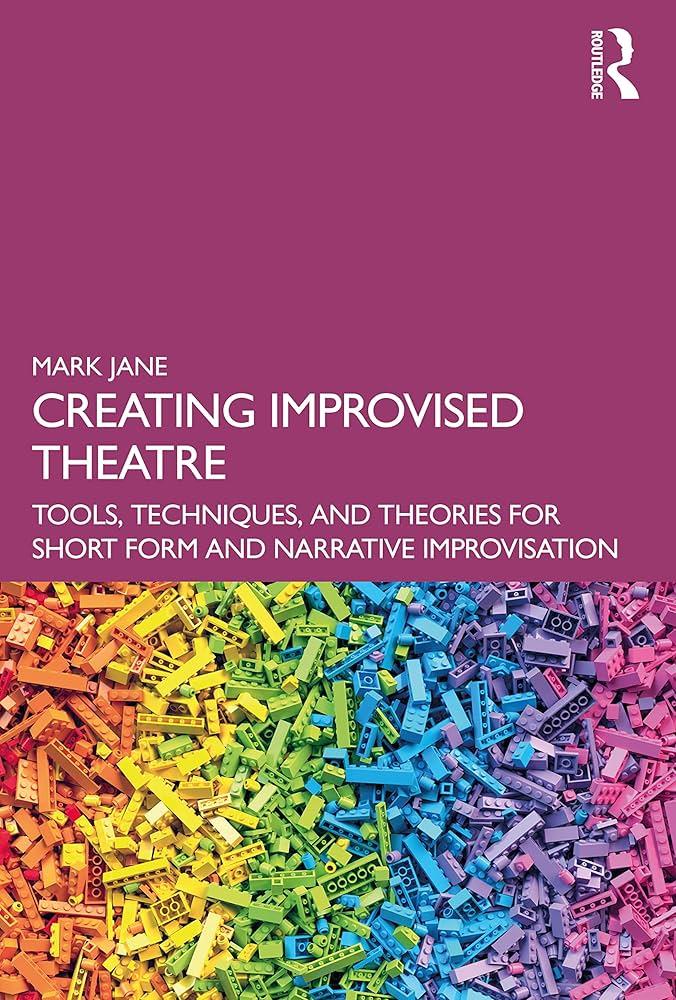
Creating Improvised Theatre
Tools, Techniques, and Theories
Mark Jane

Improvised Theatre and the Autism Spectrum
A Practical Guide
Gary Kramer; Richie Ploesch

Long Form Improvisation and American Comedy
The Harold
Matt Fotis

Improvisation for the Spirit
Live a More Creative, Spontaneous, and Courageous Life
Katie Goodman
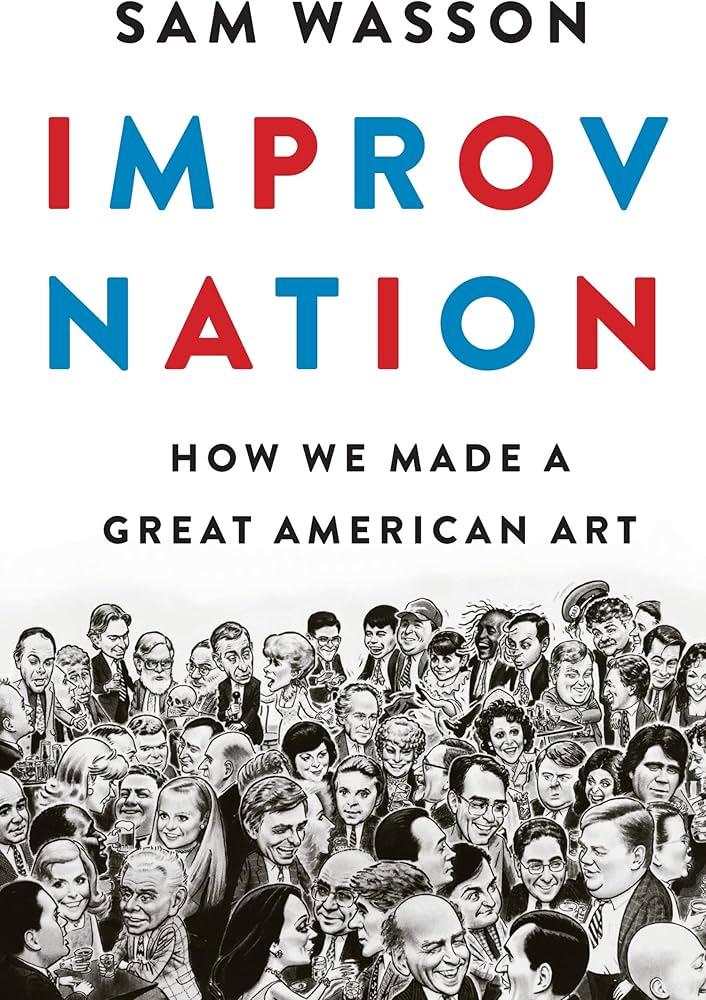
Improv Nation
How We Made a Great American Art
Sam Wasson
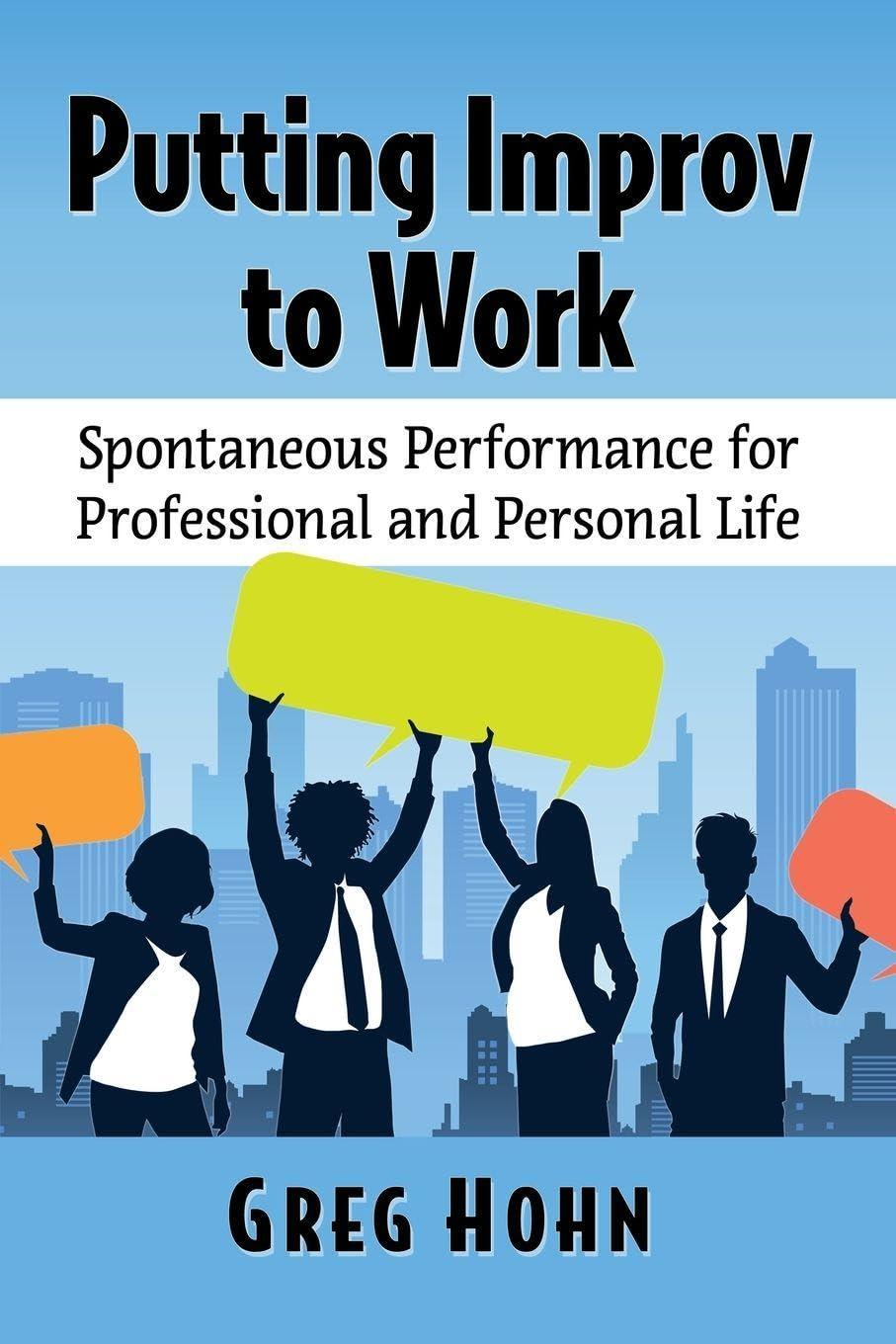
Putting Improv to Work
Spontaneous Performance for Leadership, Learning, and Life
Greg Hohn
Related Exercises
Bunny Bunny
Bunny Bunny is a rhythm and focus game in which players pass energy around a circle by chanting "Bunny Bunny" with accompanying hand gestures while neighbors provide synchronized support sounds. The pace escalates until players break rhythm and are eliminated or the group collapses in laughter. The exercise trains concentration, timing, and ensemble cohesion.
Killer Bunny
Killer Bunny is a physical attention and tag exercise in which one or more participants secretly designated as the killer bunny attempt to eliminate other players through a covert signal -- typically a wink, a pointed finger, or a specific gesture -- while the group moves through the space and attempts to identify and call out the killer before being eliminated themselves. The exercise trains sustained peripheral awareness, active observation, and the management of divided attention.
Gesture Circle
Gesture Circle is a movement and listening exercise in which each player in a circle creates an abstract, personally meaningful gesture, teaches it to the player beside them, and receives a gesture from the other side. The exercise passes gestures around the circle so that each gesture travels from person to person, being received, held, and handed on. The exercise develops listening through the body, the capacity for genuine repetition rather than imitation, and a quality of full physical attention to another person's movement.
Elephant
Elephant is a high-energy circle exercise in which a center player points to someone in the circle and calls out an animal name. The targeted player and their two immediate neighbors must quickly form a three-person physical representation of that animal before the center player finishes a count. Different animals require different configurations: the center player forms the trunk for an elephant while the neighbors create the ears, or the center player mimes holding a fishing rod while the neighbors become the fish. Incorrect or slow responses send a player to the center. The exercise builds reaction speed, peripheral awareness, physical commitment, and comfort with looking foolish.
Barney
Barney is an energy and movement warm-up exercise in which players adopt an exaggerated, lumbering physical character and interact with the group through simple, playful commands. The exercise asks participants to embody a large, slow, friendly creature (often described as a dinosaur or monster) and move through the space with maximum physical commitment and minimum self-consciousness. The inherent silliness of the character lowers inhibitions quickly, making Barney effective as an early warm-up for groups that are new to physical work or uncomfortable with large physical choices. The exercise builds comfort with exaggerated movement, vocal projection, and the willingness to look ridiculous in front of others, all foundational skills for improv performance.
Flow Circle
Flow Circle is a movement and listening exercise related to Gesture Circle, in which each player takes up the movement from where the previous player's gesture ended and creates a new movement that flows from that ending point. Rather than simply repeating or exaggerating what was received, the player begins from the physical endpoint of the previous gesture and invents a new movement that starts there. The exercise develops listening through the body, continuity of physical offer, and the creative skill of transformation rather than repetition.
How to Reference This Page
The Improv Archive. (2026). Bunny. Retrieved September 28, 2026, from https://improvarchive.org/exercises/bunny
The Improv Archive. "Bunny." The Improv Archive, 2026. https://improvarchive.org/exercises/bunny.
The Improv Archive. "Bunny." The Improv Archive, 2026, https://improvarchive.org/exercises/bunny. Accessed September 28, 2026.
The Improv Archive is a systemically maintained repository. The archive itself acts as the corporate author.