Flow Circle
Flow Circle is a movement and listening exercise related to Gesture Circle, in which each player takes up the movement from where the previous player's gesture ended and creates a new movement that flows from that ending point. Rather than simply repeating or exaggerating what was received, the player begins from the physical endpoint of the previous gesture and invents a new movement that starts there. The exercise develops listening through the body, continuity of physical offer, and the creative skill of transformation rather than repetition.
Structure
Setup
All players stand in a circle. A starting player initiates a movement -- a gesture, a body position, or a reaching motion -- and holds the end position.
Progression
The next player in the circle receives the end state of the previous movement and uses it as the starting point for a new movement. They do not repeat the gesture; they continue from where it ended and go somewhere new. Their movement ends in a new physical position, which the next player receives and transforms.
The circle continues around, each player receiving an ending and creating a new beginning, so that the physical vocabulary flows continuously without ever returning to its origin.
The exercise can run multiple laps around the circle or continue until the facilitator interrupts. A second pass around the same circle will produce very different material than the first.
Conclusion
The facilitator ends the exercise when a full lap has been completed or when the flow of the circle reaches a natural peak. The group stands briefly in their final positions before releasing.
How to Teach It
Objectives
Flow Circle develops physical listening, continuity of offer, and the practice of receiving before creating -- the fundamental sequence of improv: observe, accept, build. The exercise trains the body to watch where the previous player's movement ends before making a new choice.
How to Explain It
"Start from where the last person stopped. That's your beginning. The gesture moves through you and changes."
Scaffolding
Begin slowly, allowing each player time to see and settle into the received end position before moving. As the group develops the physical attentiveness, the pace can increase.
Common Pitfalls
Players sometimes begin a new gesture before fully receiving the end state of the previous movement -- they are already planning rather than watching. The coaching note is to arrive first: stand in the other player's ending, feel it in the body, and then move from there.
In Applied Settings
Learning Objectives
In applied settings, Flow Circle develops physical attentiveness, the practice of receiving before responding, and the capacity for continuity -- picking up where another person left off rather than starting fresh. These are directly transferable to meeting facilitation, handoff communication, and collaborative work environments where building on a colleague's contribution is more productive than restarting from one's own perspective.
Workplace Transfer
The transfer is to the communication behaviors that make collaboration coherent: paraphrasing before adding, building on the last person's point rather than introducing a new direction, and finding the thread of a conversation rather than interrupting it. Participants who have practiced Flow Circle develop a felt sense of what continuity looks like and feels like, which makes them more likely to provide it in real collaborative contexts.
Facilitation Context
Flow Circle is used in team communication workshops, creative collaboration programs, and leadership development sessions focused on listening and handoff. It works well in groups of 8 to 20 and requires a cleared physical space for comfortable movement.
Debrief Framing
Ask participants: "What did you have to do to receive the ending before you could move? When in your work do you need to find where someone left off before you can pick it up?"
Skills Developed
Worth Reading
See all books →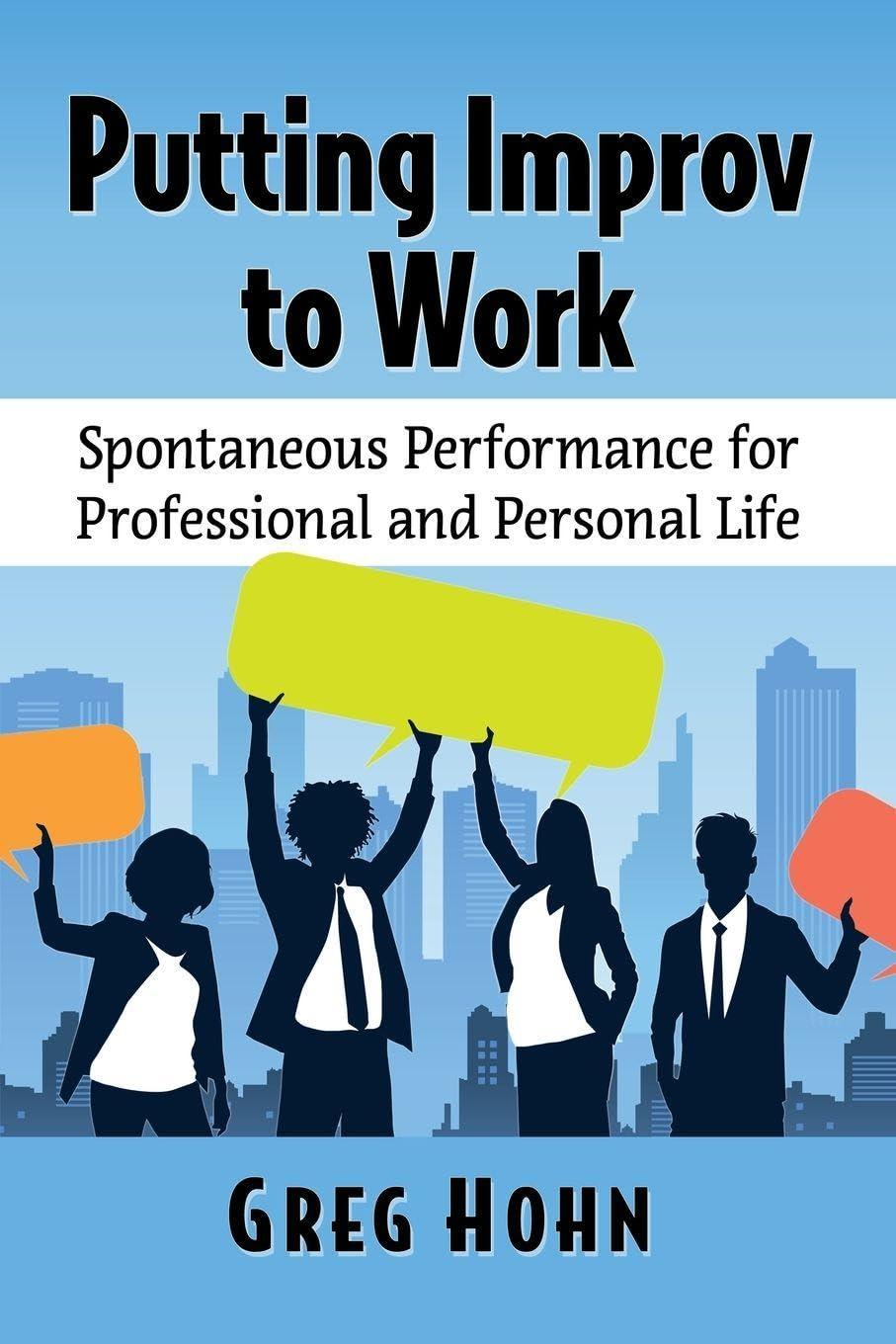
Putting Improv to Work
Spontaneous Performance for Leadership, Learning, and Life
Greg Hohn

Playing Along
37 Group Learning Activities Borrowed from Improvisational Theater
Izzy Gesell
The Improvisation Game
Discovering the Secrets of Spontaneous Performance
Chris Johnston
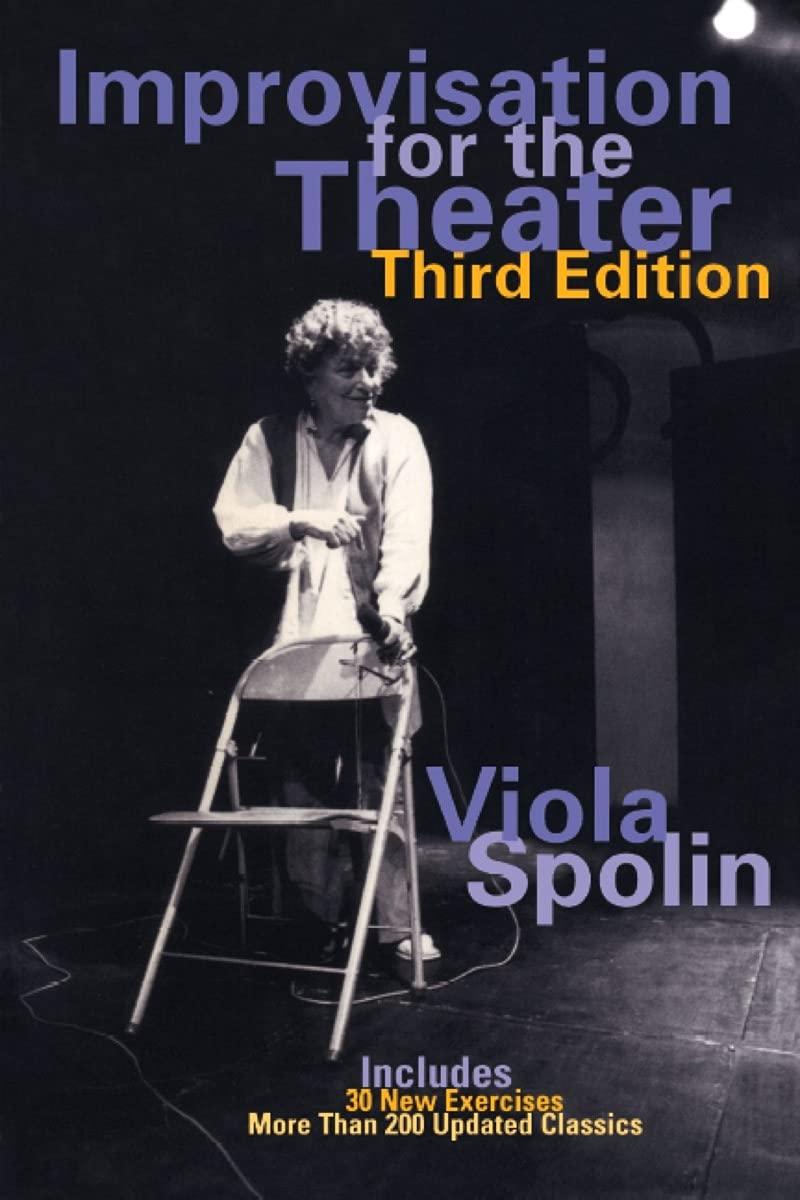
Improvisation for the Theater
A Handbook of Teaching and Directing Techniques
Viola Spolin

Business Improv
Experiential Learning Exercises to Train Employees
Val Gee

Embodied Playwriting
Improv and Acting Exercises for Writing
Hillary Haft Bucs; Charissa Menefee
Related Exercises
Gesture Circle
Gesture Circle is a movement and listening exercise in which each player in a circle creates an abstract, personally meaningful gesture, teaches it to the player beside them, and receives a gesture from the other side. The exercise passes gestures around the circle so that each gesture travels from person to person, being received, held, and handed on. The exercise develops listening through the body, the capacity for genuine repetition rather than imitation, and a quality of full physical attention to another person's movement.
Sound and Motion
Sound and Motion is a circle exercise in which participants pass abstract sounds with accompanying movements around a circle or across the space, building spontaneity, physical expressiveness, and the willingness to take creative risks without planning or rehearsing.
Accepting Circle
Accepting Circle is a warm-up exercise in which players stand in a circle and practice receiving and building on each other's offers. One player initiates a sound, gesture, or phrase; the next player accepts it fully before adding their own. The exercise reinforces the foundational improv principle of "yes, and" in its simplest physical form.
Alphabet Circle
Alphabet Circle is a focus exercise in which players stand in a circle and take turns reciting letters of the alphabet, one per person. The pace increases until errors occur, revealing lapses in concentration. Variations add physical gestures, direction changes, or simultaneous counting to increase difficulty.
Sign Pass
Sign Pass is a circle game in which participants pass focus and energy around the group through agreed-upon physical gestures and vocal sounds. Each gesture directs the flow to a specific person, requiring all players to maintain constant awareness of where the focus is traveling.
Bunny
Bunny is a high-energy circle exercise in which players pass a rhythmic pattern around the group through a combination of chanted sounds and synchronized gestures. The player designated as the bunny performs a central action, typically holding both hands beside the head like ears while chanting "bunny bunny," while the two players on either side perform complementary supporting gestures. The bunny then passes to another player across the circle, and the pattern repeats with increasing speed. The exercise builds group rhythm, peripheral awareness, and comfort with looking foolish. It is widely used as a warm-up in both theatrical and corporate training contexts, valued for its ability to lower inhibitions, demand focus, and generate collective energy through structured silliness.
The Lineage
Explore the schools and structures that influenced or evolved from Flow Circle.
Putting Improv to Work (Hohn)
How to Reference This Page
The Improv Archive. (2026). Flow Circle. Retrieved September 28, 2026, from https://improvarchive.org/exercises/flow-circle
The Improv Archive. "Flow Circle." The Improv Archive, 2026. https://improvarchive.org/exercises/flow-circle.
The Improv Archive. "Flow Circle." The Improv Archive, 2026, https://improvarchive.org/exercises/flow-circle. Accessed September 28, 2026.
The Improv Archive is a systemically maintained repository. The archive itself acts as the corporate author.