Barney
Barney is an energy and movement warm-up exercise in which players adopt an exaggerated, lumbering physical character and interact with the group through simple, playful commands. The exercise asks participants to embody a large, slow, friendly creature (often described as a dinosaur or monster) and move through the space with maximum physical commitment and minimum self-consciousness. The inherent silliness of the character lowers inhibitions quickly, making Barney effective as an early warm-up for groups that are new to physical work or uncomfortable with large physical choices. The exercise builds comfort with exaggerated movement, vocal projection, and the willingness to look ridiculous in front of others, all foundational skills for improv performance.
Structure
Players spread out across the available space. The facilitator demonstrates the Barney character: a large, slow-moving creature with exaggerated physicality. Arms are held wide, steps are heavy and deliberate, and vocalizations are low and booming.
All players adopt the Barney character simultaneously and begin moving through the space. The facilitator calls out simple commands that the group follows while maintaining the physical character: greet another Barney, stomp across the room, roar at the ceiling, or freeze in a dramatic pose.
As players warm up, the facilitator increases the intensity of the commands, asking for bigger movements, louder vocalizations, or interactions between multiple Barneys. Players may be asked to encounter each other, engage in slow-motion battles, share imaginary food, or communicate through grunts and gestures alone.
The exercise runs for five to ten minutes, with energy building progressively. The facilitator concludes by transitioning the group from the Barney character back to neutral, often through a gradual shrinking or calming sequence that brings the physical intensity down before moving to the next activity.
How to Teach It
How to Explain It
"Walk through the space. You are going to shake hands with everyone you meet. Every single person. No agenda, no conversation: just the handshake. Let it reset you physically. Feel where the other person is. Be here."
Barney is most effective at the very beginning of a session, before players have settled into their habitual physical patterns. The exercise works by making the first physical choice so absurd that subsequent physical choices in scene work feel comparatively easy.
The key coaching note is commitment. Players who perform the character halfway, keeping their movements small and their voices quiet, do not receive the exercise's benefit. The point is to be fully ridiculous. Coach players who are holding back by modeling the behavior yourself and by celebrating the most committed performers in the group.
The exercise is particularly useful for groups with new members or mixed experience levels. The shared silliness creates a bonding experience that flattens status hierarchies. Experienced improvisers and beginners look equally foolish as Barneys, which builds ensemble cohesion.
A common failure mode occurs when players treat the exercise as a joke rather than a commitment exercise. Players who laugh at themselves or break character to comment on how silly they feel are distancing rather than engaging. Coach them to commit to the character as fully as they would commit to any scene character, treating the absurdity with total sincerity.
For groups with physical limitations, adapt the exercise by focusing on vocal and facial transformation rather than full-body movement. The core skill, committing to an exaggerated character choice without apology, can be practiced at any physical intensity level.
Worth Reading
See all books →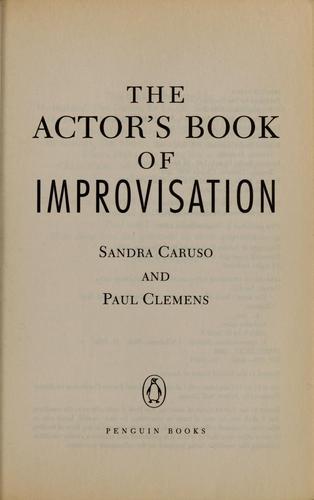
The Actor's Book of Improvisation
Sandra Caruso; Paul Clemens

The Improvisation Edge
Secrets to Building Trust and Radical Collaboration at Work
Karen Hough

Business Improv
Experiential Learning Exercises to Train Employees
Val Gee

The Young Actor's Book of Improvisation
Dramatic Situations
Sandra Caruso; Susan Kosoff
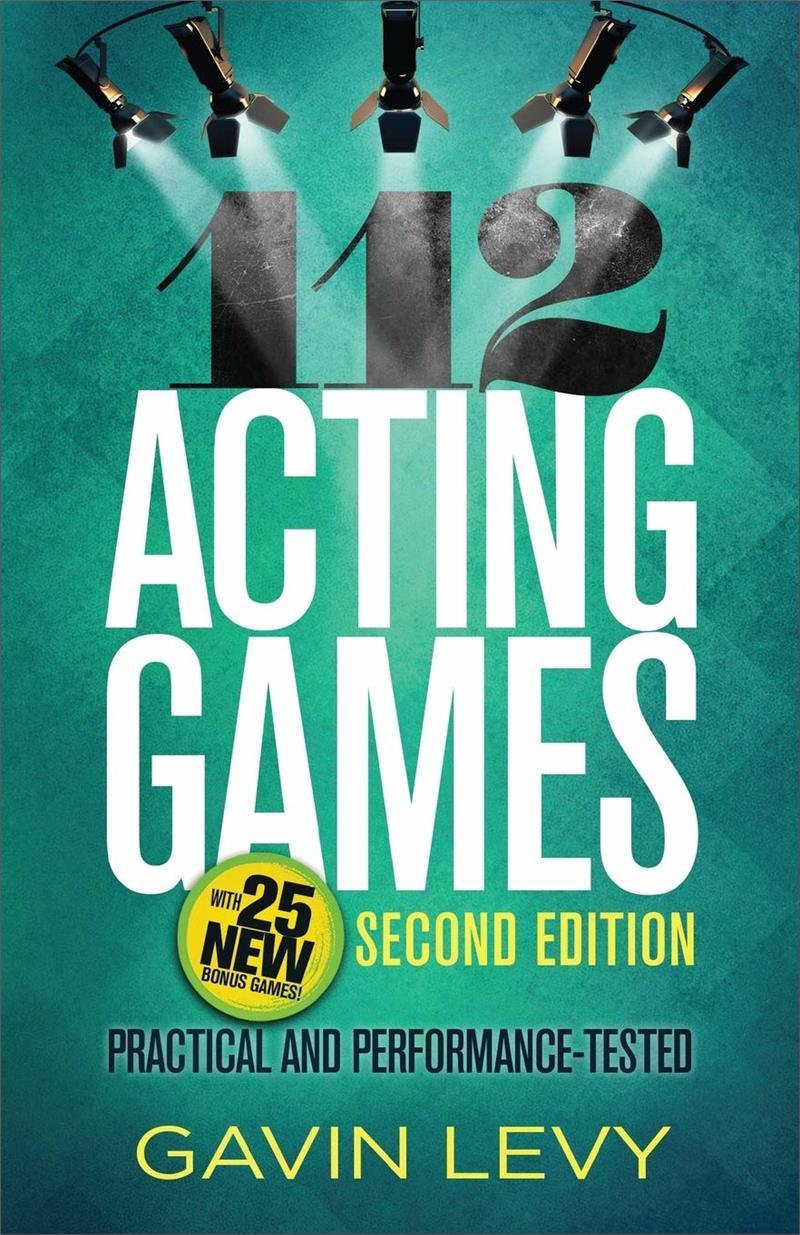
112 Acting Games
Gavin Levy

Mask Improvisation for Actor Training and Performance
the compelling image
Sears A. Eldredge
Related Exercises
Samurai
Samurai is an energetic warm-up exercise in which players stand in a circle and pass an imaginary sword strike to each other using a sharp downward motion and a vocalized sound. The recipient and their two neighbors must react in coordinated unison before the strike is redirected to another player. The exercise builds group energy, physical focus, and responsive ensemble awareness. It exists in multiple versions ranging from circle energy-passing to competitive elimination formats.
Popcorn
Popcorn is an ensemble energy exercise in which players crouch on the ground and pop up one at a time to shout a word, sound, or short phrase before dropping back down. The group must self-regulate so that pops do not overlap and the rhythm stays dynamic. The exercise builds group awareness, spontaneity, and the instinct to fill empty space without stepping on others.
Aerobics
Aerobics is a physical warm-up exercise in which one player leads the group through exaggerated, often absurd exercise movements. The leader adopts the persona of a fitness instructor and guides the ensemble through increasingly ridiculous physical routines, all performed with full commitment. Participants mirror the leader's movements and match their energy regardless of how outlandish the routine becomes. The exercise serves multiple functions in improv training: it raises the group's physical energy at the start of a rehearsal or class, breaks down self-consciousness by requiring participants to look foolish together, and establishes a shared physical vocabulary before scene work begins. Aerobics belongs to a family of physical warm-ups that draw from fitness disciplines such as yoga, tai chi, and martial arts, adapted for the specific needs of ensemble performance training.
Clingy Penguin
Clingy Penguin is a physical warm-up in which one player waddling in penguin style tries to attach themselves to another player, who must escape without breaking their own penguin walk. The absurd physical constraint makes flight and pursuit equally comic, releasing physical inhibition while building spatial awareness and commitment to an unlikely form.
Making Faces
Making Faces is a warm-up exercise in which players practice exaggerated facial expressions, cycling through emotions, mirroring a partner, or responding to facilitator prompts. The exercise loosens inhibition around physical expressiveness and helps performers discover how facial choices communicate character and emotion instantly. Many performers rely primarily on voice and words; Making Faces redirects attention to the face as a primary communication instrument. The exercise serves as an accessible entry point for physical comedy work and character creation.
Clown 12345
Clown 12345 is a clowning exercise that progresses through five numbered stages of physical and emotional exposure, developing performers' comfort with presence, visibility, and playful self-expression. Each stage increases the degree to which the performer is fully available to be seen, culminating in full clown engagement with no protective distance between the performer and the audience.
How to Reference This Page
The Improv Archive. (2026). Barney. Retrieved September 28, 2026, from https://improvarchive.org/exercises/barney
The Improv Archive. "Barney." The Improv Archive, 2026. https://improvarchive.org/exercises/barney.
The Improv Archive. "Barney." The Improv Archive, 2026, https://improvarchive.org/exercises/barney. Accessed September 28, 2026.
The Improv Archive is a systemically maintained repository. The archive itself acts as the corporate author.