Center of Gravity
Center of Gravity is a physical awareness exercise in which performers explore how shifting their center of gravity changes their movement, posture, and character presence. By leading movement from different body parts, such as the chest, pelvis, forehead, or chin, performers discover distinct physical vocabularies that translate directly into character work. The exercise trains performers to connect internal character choices to external physical expression, revealing how small postural adjustments produce dramatically different stage presences. Center of Gravity is used across acting and improvisation training traditions as a tool for generating characters from the body outward rather than from intellectual decisions alone.
Structure
Players begin by walking around the space at a neutral pace, arms relaxed at the sides. The facilitator instructs the group to imagine a point at the center of the body, typically the solar plexus, and to notice how that center influences their walk.
The facilitator then guides the group to shift the center of gravity to a specific body part. When leading from the chest, the body tips slightly forward, the chin lifts, and the stride lengthens. When leading from the pelvis, the hips push forward, the walk slows, and the posture shifts. When leading from the forehead, the body leans into each step with intellectual urgency.
Players explore each center of gravity for several minutes, noticing how the shift affects not only movement but also breathing, voice, and emotional state. The facilitator may prompt players to interact with one another while maintaining their current center, allowing them to discover how different physical leads create different relational dynamics.
The exercise concludes with a group debrief in which players share which centers produced the most surprising or useful character discoveries.
How to Teach It
How to Explain It
"Choose a part of your body: your chest, your pelvis, your forehead, your nose. That part leads you through space. Everything else follows. Walk through the room. Notice what changes about how you move, what you want, who you are."
Begin with the most accessible centers: chest, pelvis, and forehead. These produce the most dramatic and immediately recognizable physical changes. More subtle centers (knees, chin, shoulders) can be introduced in subsequent sessions once players understand the basic principle.
The most common pitfall is exaggeration. Players frequently overcommit to the physical shift, producing cartoonish walks rather than subtle, playable character choices. Coach for restraint: even a small shift in center of gravity produces a noticeable change in how a person moves and speaks. The goal is a shift that could be sustained for an entire scene, not a physical gag.
Encourage players to notice the emotional and vocal changes that accompany each physical shift, not just the movement itself. A chest-led walk often produces a more open, confident vocal quality. A pelvis-led walk frequently generates a relaxed, languid tone. These connections between body and voice are the exercise's primary pedagogical value.
Pair this exercise with scene work immediately afterward, asking players to choose a center of gravity for their character and maintain it throughout. This reinforces the connection between physical choice and character consistency.
Worth Reading
See all books →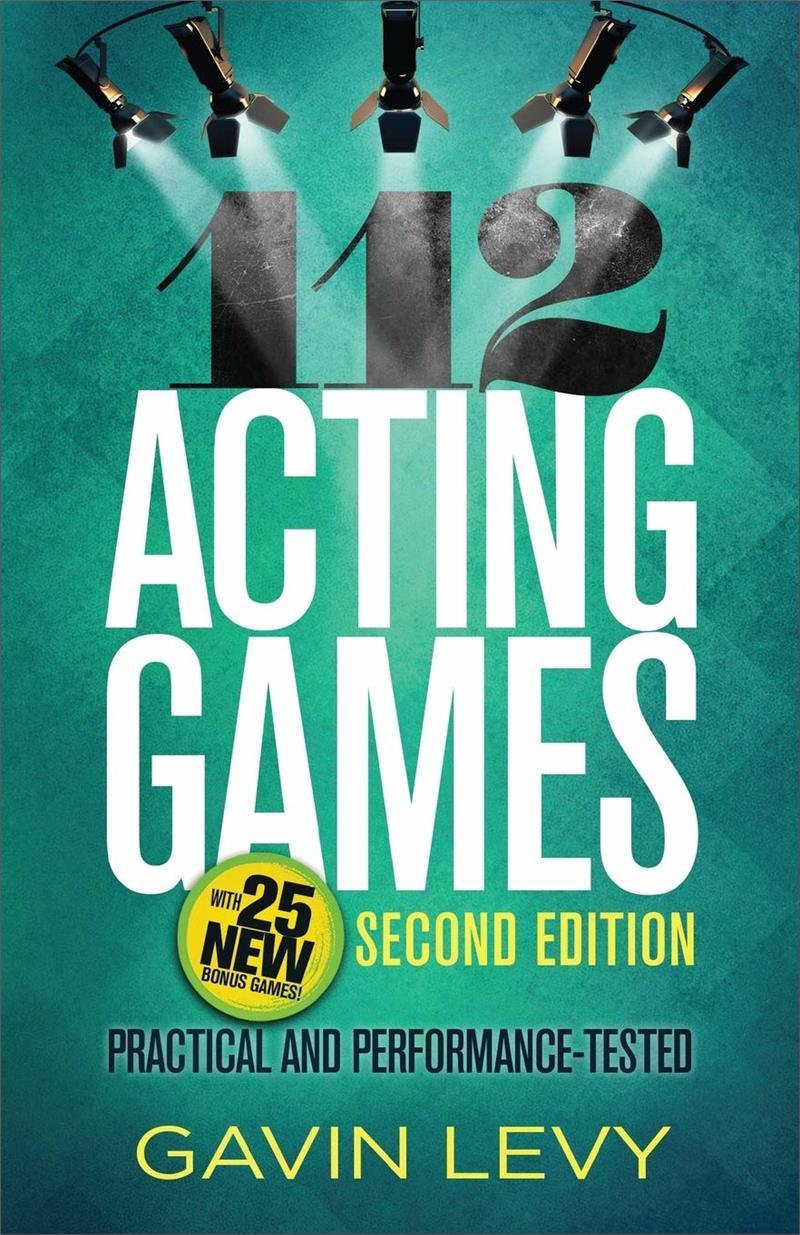
112 Acting Games
Gavin Levy
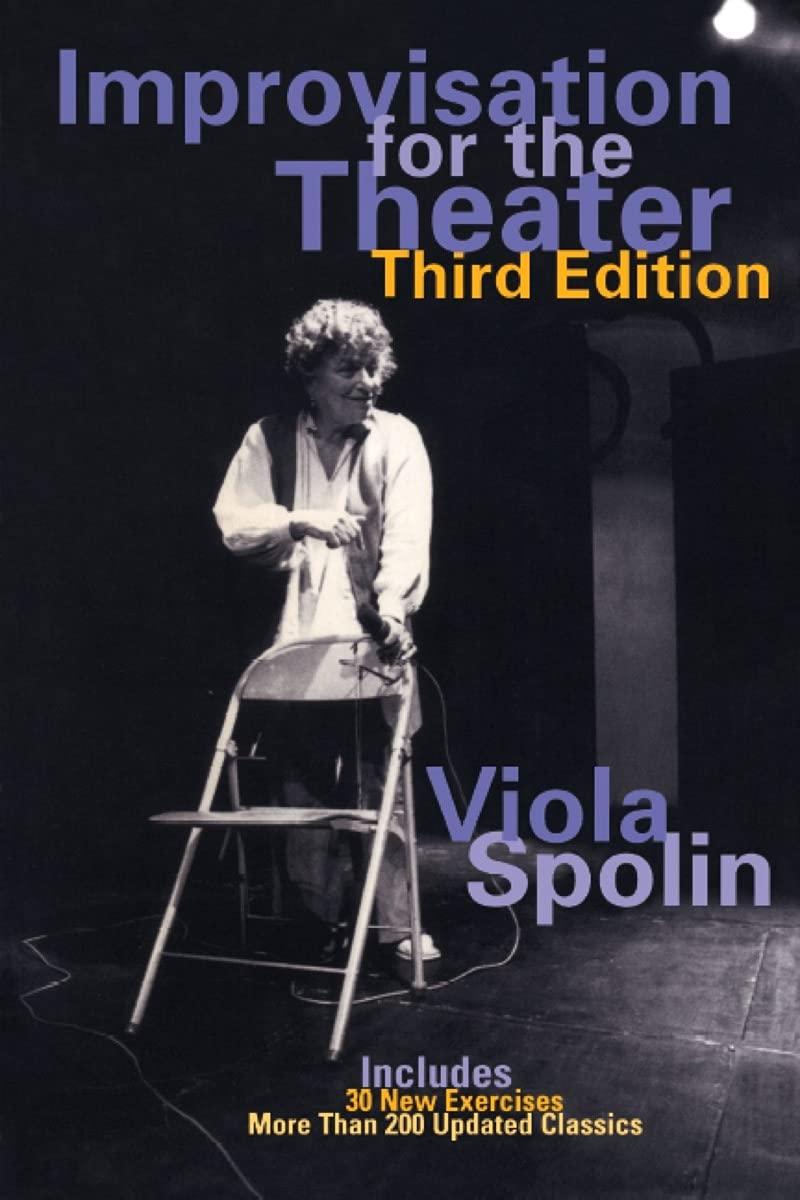
Improvisation for the Theater
A Handbook of Teaching and Directing Techniques
Viola Spolin

Embodied Playwriting
Improv and Acting Exercises for Writing
Hillary Haft Bucs; Charissa Menefee
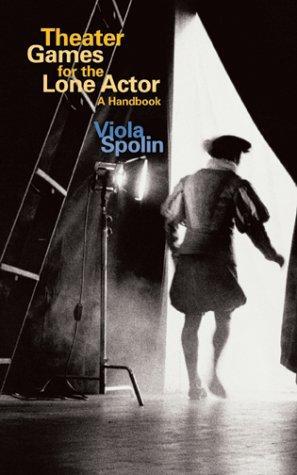
Theater Games for the Lone Actor
Viola Spolin

The Improv Illusionist
Using Object Work, Environment, and Physicality in Performance
David Raitt

Group Improvisation
The Manual of Ensemble Improv Games
Peter Campbell Gwinn; Charna Halpern
Related Exercises
Body Hide
Body Hide is a physicality exercise in which players attempt to conceal specific body parts or make themselves as small as possible within the space. The exercise heightens body awareness and encourages creative, unusual physical positions. It breaks habitual posture and builds comfort with unconventional stage movement.
Big Body Tiny Head
Big Body Tiny Head is a physicality exercise in which performers exaggerate the proportions of their body in movement, leading with an oversized physical presence while minimizing the head and face. The distortion forces players out of cerebral, face-focused performance habits and into full-body expressiveness. The exercise develops physical range and breaks self-conscious patterns.
Leading with Body Parts
Leading with Body Parts is a physical character and presence exercise in which participants walk through the space leading with a designated body part -- the nose, the chin, the chest, the knee, the pelvis -- and observe how leading with each part generates a distinct physical character, quality of movement, and emotional tone. The exercise demonstrates that character lives in the body, and that specific physical choices produce specific psychological and emotional realities.
Follow Your Nose
Follow Your Nose is a physical exploration exercise in which players literally lead with their nose as the point of initiation for all movement through the space. By designating a single body part as the physical driver, the exercise disrupts habitual movement patterns and develops kinesthetic awareness, physical specificity, and the discovery of how a small physical choice can alter an entire physical identity.
Character Mirror Circle
Character Mirror Circle is an exercise in which players stand in a circle and one player steps to the center, adopting a character through physicality and voice. The rest of the circle mirrors the character as precisely as possible. The exercise sharpens observational skills and teaches performers to read and reproduce physical character details.
Janus Dance
Janus Dance is a physical awareness and space exercise named for the two-faced Roman god of transitions, in which participants move through the space while maintaining simultaneous awareness of what lies in front of them and behind them. The exercise trains the expanded spatial attention that performers need when navigating a stage populated by multiple scene partners, objects, and audience sightlines.
The Lineage
Explore the schools and structures that influenced or evolved from Center of Gravity.
112 Acting Games (Levy)
How to Reference This Page
The Improv Archive. (2026). Center of Gravity. Retrieved September 29, 2026, from https://improvarchive.org/exercises/center-of-gravity
The Improv Archive. "Center of Gravity." The Improv Archive, 2026. https://improvarchive.org/exercises/center-of-gravity.
The Improv Archive. "Center of Gravity." The Improv Archive, 2026, https://improvarchive.org/exercises/center-of-gravity. Accessed September 29, 2026.
The Improv Archive is a systemically maintained repository. The archive itself acts as the corporate author.