Countdown
Countdown is a short-form game and exercise in which performers replay a scene in progressively shorter time limits, compressing the action from several minutes down to seconds. Each repetition demands sharper editing, bolder physical choices, and more efficient storytelling as the available time shrinks. The game reveals the essential beats of a scene by forcing performers to strip away everything nonessential, leaving only the core moments that drive the narrative. Countdown demonstrates that the emotional truth of a scene can survive extreme compression, and that clarity improves when performers are forced to prioritize.
Structure
Two or more performers play a scene based on an audience suggestion. The first version runs at full length, typically three to five minutes, establishing characters, relationships, conflict, and resolution.
The host then announces that the same scene will be replayed in half the time. The performers repeat the scene, hitting the same major beats but condensing transitions, cutting nonessential dialogue, and accelerating the pacing. The core emotional and narrative arc remains intact.
Subsequent rounds further compress the scene: two minutes, one minute, thirty seconds, fifteen seconds, five seconds. With each compression, performers must make increasingly aggressive editing choices. By the final round, the entire scene is reduced to a few words and gestures that capture its essence.
The comedy escalates through the contrast between the original scene's full development and the absurdly compressed final versions. Physical comedy naturally intensifies as performers race through familiar beats at impossible speeds.
The game concludes with the shortest version, which typically lands as the biggest laugh of the set. Some versions add a final twist: replaying the scene in slow motion or in reverse after the fastest compression.
How to Teach It
How to Explain It
"You are going to play a scene. When I call a number, that is how many more lines you have. Thirty. Play. Ten. Five. Three. Two. One. You have been compressing the entire time. The last line has to feel like an ending."
Begin by having performers play the initial scene without knowing that compression is coming. This prevents performers from planning the scene around the replay and produces more natural, organic beats in the first version.
After the first scene, ask the group to identify the five or six essential beats that define the scene. These become the checkpoints that must appear in every subsequent version. This analytical step teaches performers to distinguish between essential story elements and decorative detail.
The most common failure mode is performers trying to include every line of dialogue in the compressed versions rather than cutting to the essential beats. Coach for ruthless editing: if a moment does not advance the core story, it disappears in the next version.
Another pitfall is performers sacrificing emotional truth for speed. Even in the five-second version, the characters should display recognizable emotional states. A compressed scene that hits its beats but loses all emotional color has missed the point of the exercise.
Countdown is an excellent diagnostic tool: the beats that survive compression are the beats that actually matter. Use the exercise to teach performers to build scenes around strong, clear moments rather than gradual, unfocused development.
How to Perform It
The first scene must be strong enough to sustain multiple replays. Performers should establish clear, memorable beats: a specific entrance, a physical gag, a key line of dialogue, an emotional turning point, and a definitive ending. Scenes with vague or forgettable beats collapse under compression.
Consistency across replays is essential. The audience derives pleasure from recognizing the same beats in compressed form. Performers who change the scene significantly between versions break the game's fundamental contract with the audience.
Physical comedy becomes increasingly important in shorter versions. As dialogue disappears, the scene's story must be told through movement, gesture, and facial expression. Performers should identify the physical moments that can carry meaning at any speed.
The transition between versions should be seamless. The host announces the new time limit, and performers immediately restart. Dead time between versions kills the momentum that the game's structure naturally builds.
Worth Reading
See all books →
Theatrical Improvisation
Short Form, Long Form, and Sketch-Based Improv
Jeanne Leep
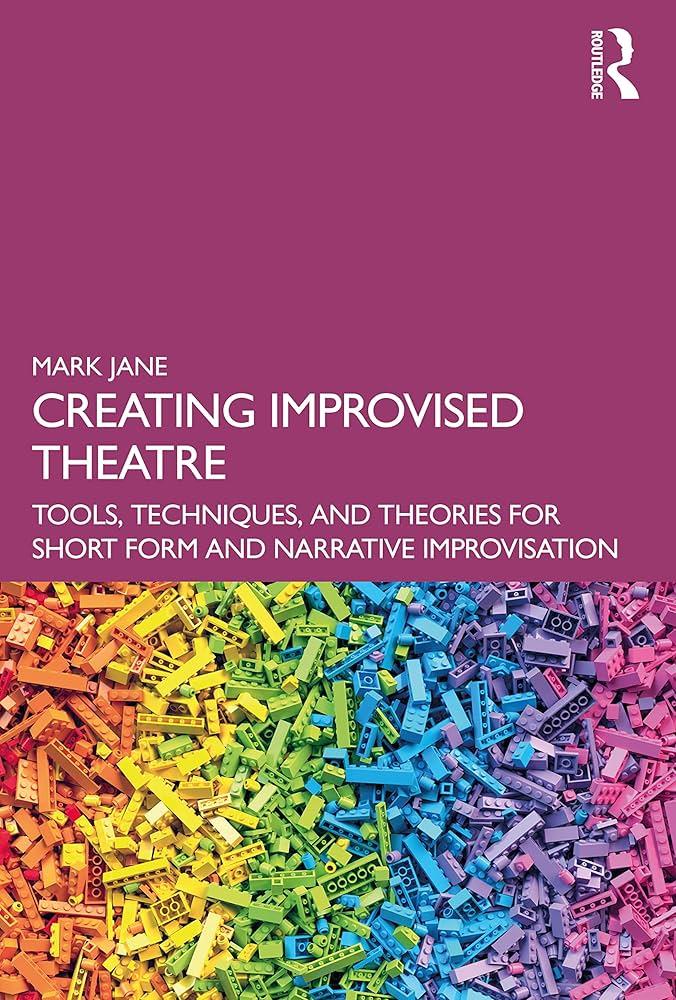
Creating Improvised Theatre
Tools, Techniques, and Theories
Mark Jane
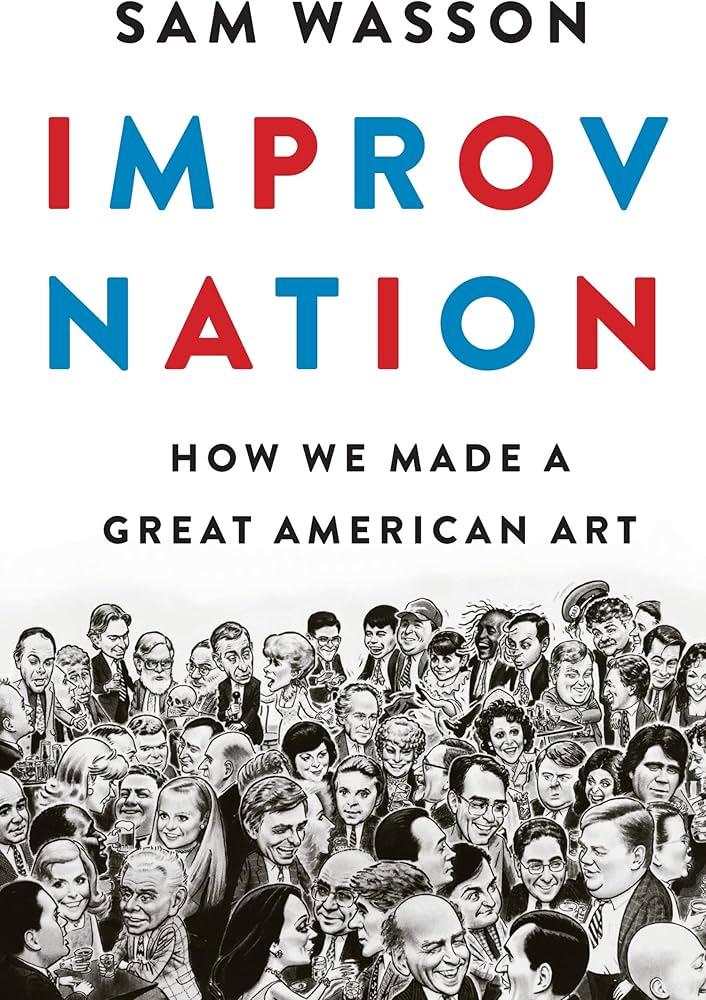
Improv Nation
How We Made a Great American Art
Sam Wasson

Improvisation for Actors and Writers
A Guidebook for Improv Lessons in Comedy
Bill Lynn
Theater Games for Rehearsal
Viola Spolin
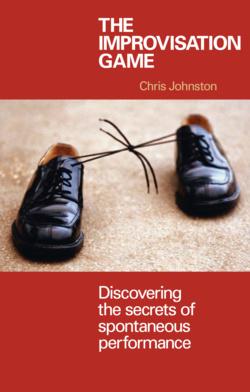
The Improvisation Game
Discovering the Secrets of Spontaneous Performance
Chris Johnston
Related Exercises
Scene Replay
Scene Replay is a short-form game in which a scene is performed once, then replayed with a significant modification such as a new genre, emotional shift, or physical constraint. The replay preserves the original scene's structure and relationship while the imposed change reveals how a single variable transforms meaning, comedy, and dynamics.
Five Four Three Two One
Five Four Three Two One is a countdown exercise in which players perform five repetitions of one activity, then four of another, then three, two, and one -- each at a progressively different pace, size, or intensity. The structure trains rapid shifting between activities, physical awareness of the number count, and the discipline of stopping precisely on the last repetition rather than continuing past it.
How to Reference This Page
The Improv Archive. (2026). Countdown. Retrieved September 28, 2026, from https://improvarchive.org/exercises/countdown
The Improv Archive. "Countdown." The Improv Archive, 2026. https://improvarchive.org/exercises/countdown.
The Improv Archive. "Countdown." The Improv Archive, 2026, https://improvarchive.org/exercises/countdown. Accessed September 28, 2026.
The Improv Archive is a systemically maintained repository. The archive itself acts as the corporate author.