Describe a Room
Describe a Room is an applied improvisation exercise in which participants practice describing spaces in vivid, specific, sensory detail, building observational skill and the ability to communicate environment through language. The exercise trains the habit of noticing and naming the particular rather than the general, developing a more precise descriptive vocabulary that transfers to written and spoken communication.
Structure
Setup
Participants sit or stand without view of the space they will describe. They are given a starting point: a specific room they know well (their workspace, their childhood bedroom, a regular meeting room), or a hypothetical space described by the facilitator.
The Description Task
Participants describe the space aloud, in real time, for two to three minutes. The instruction is to describe what they actually see in their memory or imagination: specific objects, their placement, colors, textures, light sources, smells, sounds, and how the space feels to be in. Generalities are not permitted: "a desk" must become a specific desk with specific qualities.
Partner Reconstruction
In a partner version, one participant describes while the other listens and then describes back what they understood, with both comparing notes on what was communicated clearly and what was missed.
Conclusion
The facilitator opens a brief reflection on what level of detail was required to genuinely communicate the space.
How to Teach It
Objectives
Describe a Room targets observational precision, descriptive language, and the transfer from internal imagery to verbal communication. It builds the habit of specificity in description, which is a foundation for strong storytelling, effective written communication, and clear presentation.
How to Explain It
"Describe a room you know well. Not in general terms -- tell me what you actually see. The specific chair. The exact quality of the light. What it smells like. I want to be able to paint it from your words."
Common Pitfalls
Participants default to categorical description: "there's a desk, a chair, some shelves." The intervention is to ask for the first specific object and stay with it until it is genuinely described in detail before moving to the next.
In Applied Settings
Learning Objectives
Describe a Room develops communication precision, the ability to translate internal experience into language that others can receive, and the habit of noticing the specific rather than the general. These skills transfer to written communication, presentation, storytelling, and any professional context where the ability to communicate environment, context, or experience clearly matters.
Workplace Transfer
The exercise is relevant to any professional role that requires precise communication: technical writing, instructional design, project briefing, customer communication, and presentations where the speaker needs to create a vivid shared picture rather than a schematic one. The practice of describing a physical space develops the same precision muscle needed to describe an abstract situation, a complex process, or a strategic vision.
Facilitation Context
The exercise is used in communication training programs, creative writing workshops, presentation skills development, and any applied setting where descriptive precision is a development target.
Debrief Framing
Facilitators ask: "What details did you include that you would not normally have thought to mention? What did your partner's reconstruction miss? Where did your description lose clarity? What would have helped?"
Skills Developed
Worth Reading
See all books →
The Applied Improvisation Mindset
Tools for Transforming Individuals, Organizations, and Communities
Theresa Robbins Dudeck; Caitlin McClure

Business Improv
Experiential Learning Exercises to Train Employees
Val Gee
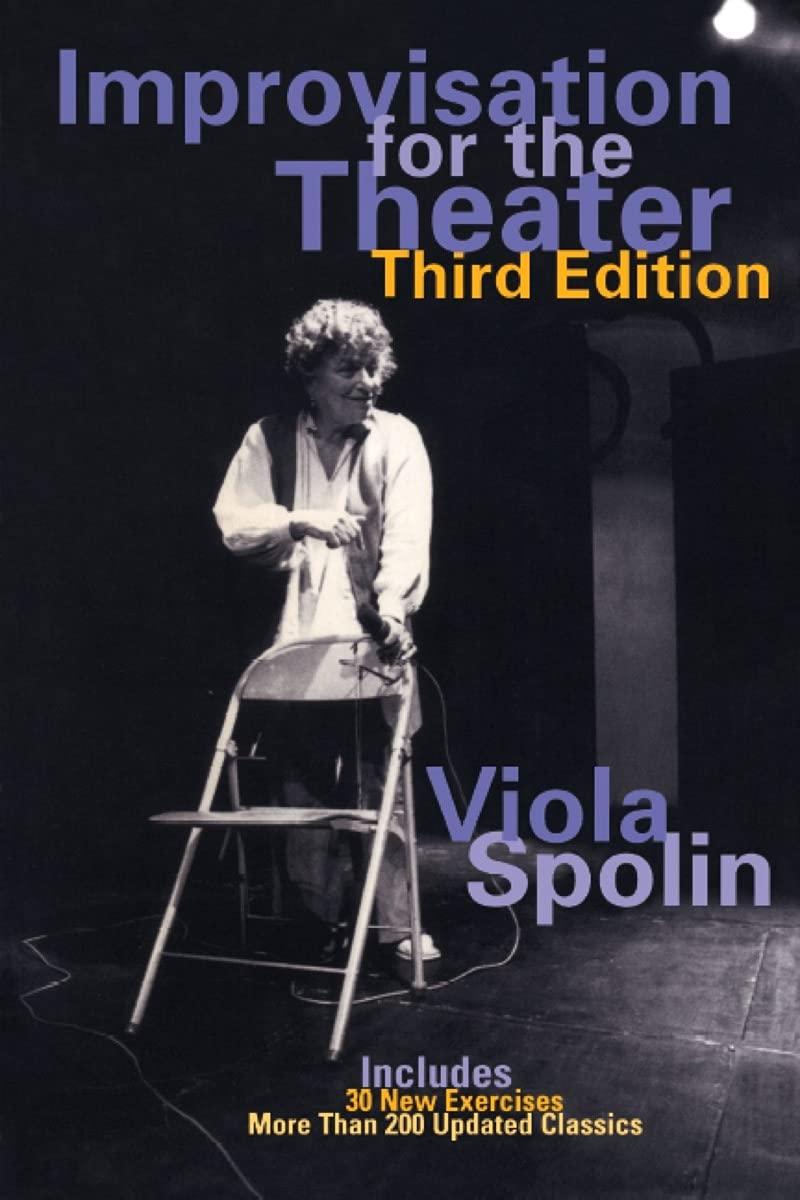
Improvisation for the Theater
A Handbook of Teaching and Directing Techniques
Viola Spolin

Action Theater
The Improvisation of Presence
Ruth Zaporah

Devising Theatre
A Practical and Theoretical Handbook
Alison Oddey

Book on Acting
Improvisation Technique for the Professional Actor in Film, Theater & Television
Stephen Book
Related Exercises
Tour of a Space
Tour of a Space is an applied exercise in which one participant leads others through an imaginary environment, describing and inhabiting the space in physical and sensory detail. The exercise trains environmental specificity, physical storytelling, and the skill of making an invisible world present for others.
Create Your Environment
Create Your Environment is an applied improvisation exercise in which participants use mime and physical specificity to build their ideal work environment one object at a time. After placing objects in the space, participants inhabit the environment through movement and character rather than description, demonstrating what the space enables them to feel and do. The exercise develops physical expressiveness, creative self-expression, and the ability to communicate through embodied action rather than verbal explanation.
Point to Things in the Room
Point to Things in the Room is a warm-up exercise in which players walk around the space and point at objects while calling out their names. In progressive variations, players deliberately mislabel objects, pointing at a chair while saying "lamp," training the brain to separate observation from habitual naming and building comfort with the disorientation that fuels improvisation.
Picture Story
Picture Story is an applied improvisation exercise in which participants create and share stories inspired by images. Players receive a photograph, illustration, or abstract image and must construct a narrative from what they see, developing the ability to find story in unexpected places and communicate ideas through vivid description.
Descriptive Story
Descriptive Story is a collaborative storytelling exercise in which the narrator focuses on vivid sensory description rather than plot advancement. Other players may contribute images, sounds, and textures to build a shared environment. The exercise trains the ability to paint a world with words and develops the "color" half of narrative craft.
Nonverbal Communication
Nonverbal Communication is an applied improvisation exercise in which participants interact, negotiate, and collaborate without spoken language, relying entirely on gesture, facial expression, body positioning, and physical presence. The exercise reveals how much information is transmitted nonverbally and trains participants to read and use body language with greater awareness and precision.
The Lineage
Explore the schools and structures that influenced or evolved from Describe a Room.
The Applied Improvisation Mindset (Dudeck & McClure)
How to Reference This Page
The Improv Archive. (2026). Describe a Room. Retrieved September 29, 2026, from https://improvarchive.org/exercises/describe-a-room
The Improv Archive. "Describe a Room." The Improv Archive, 2026. https://improvarchive.org/exercises/describe-a-room.
The Improv Archive. "Describe a Room." The Improv Archive, 2026, https://improvarchive.org/exercises/describe-a-room. Accessed September 29, 2026.
The Improv Archive is a systemically maintained repository. The archive itself acts as the corporate author.