Exposure is an applied improv exercise in which two groups stand in lines facing each other and simply look at one another in silence. Once the discomfort of sustained mutual gaze becomes visible, the facilitator invites participants to name what they are noticing in their own experience. The exercise makes vulnerability and the discomfort of being seen conscious and discussable, preparing groups for deeper collaborative or expressive work.
Structure
Setup
Participants divide into two groups of equal size and stand in parallel lines facing each other. The distance between the lines is close enough for sustained eye contact -- roughly two to three meters apart.
Progression
At the facilitator's signal, both lines look at the people across from them and maintain eye contact in silence. No instructions are given about what to feel or how to behave. The group simply stands and is seen.
The facilitator observes the group for signs of discomfort: laughter, looking away, physical self-adjustment, smiling to break the tension. After sixty to ninety seconds, the facilitator invites the group to notice what is happening in their own experience without breaking the gaze.
After two to three minutes, the facilitator brings the group together and opens a brief reflection.
Conclusion
The exercise closes with a facilitated conversation about the experience of being looked at and looking. It is typically used as a gateway exercise before more emotionally or physically exposed work.
How to Teach It
Objectives
Exposure surfaces the physical experience of vulnerability and the instinct to manage or conceal it. The exercise is not about overcoming discomfort but about recognizing it -- naming the experience of being seen as a real and common response that the group is invited to share.
How to Explain It
"Stand and look at the people across from you. That's the whole exercise. Notice what happens."
Scaffolding
Exposure should follow at least some initial warm-up work that has established basic group comfort. Running it as a first exercise with a cold group generates anxiety rather than insight. The exercise works best when the group already feels some degree of safety together.
Common Pitfalls
Some participants use humor or movement to deflect the discomfort rather than sitting with it. The facilitator's role is not to eliminate the humor but to invite participants back into the sensation after the laughter passes. The debrief is where the learning lives.
In Applied Settings
Learning Objectives
In applied settings, Exposure addresses the professional avoidance of genuine human contact. Most professional environments train people to maintain managed self-presentation -- controlled affect, strategic disclosure, regulated personal distance -- as the norm for interaction. The exercise interrupts that norm by removing the tools used to manage it: speech, task, and movement. What remains is the raw experience of being seen by another person, which is both more uncomfortable and more connecting than most participants expect.
Workplace Transfer
The workplace transfer of Exposure is the capacity for genuine presence in human interaction -- the ability to be fully available to a colleague or client without the buffer of role, agenda, or managed persona. Leaders who have experienced the discomfort of being truly seen are better prepared for the vulnerability required in authentic leadership. Teams that have shared the Exposure experience develop a kind of mutual recognition that accelerates trust and reduces the performance of professionalism at the expense of connection.
Facilitation Context
Exposure is used in leadership development programs, team trust-building workshops, and applied improv programs focused on presence and authentic communication. It is particularly effective in the early middle of a program, after the group has established basic comfort but before the most challenging collaborative work. Group sizes of 8 to 20 work best.
Debrief Framing
Ask participants: "What did you notice in your own body? What did you want to do to manage the discomfort? What happened when you stayed with it instead? When in your work do you get to be seen by another person -- and when do you avoid it?"
Skills Developed
Worth Reading
See all books →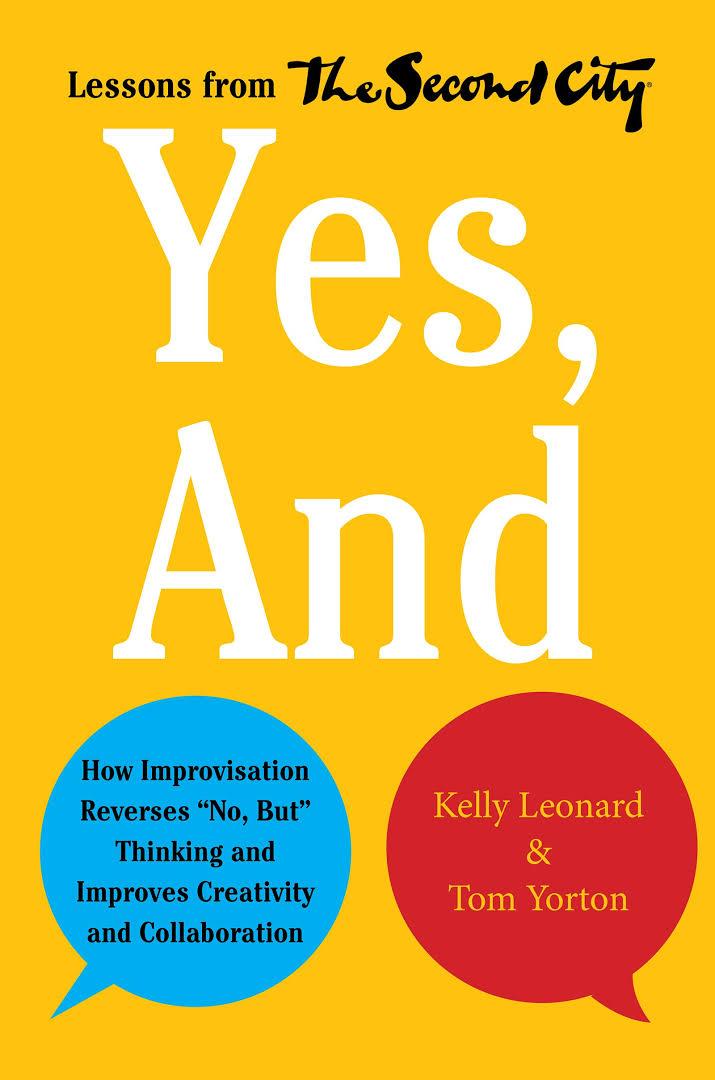
Yes, And
How Improvisation Reverses No, But Thinking and Improves Creativity and Collaboration
Kelly Leonard; Tom Yorton
The Actor's Book of Improvisation
Sandra Caruso; Paul Clemens

Comedy and Distinction
The Cultural Currency of a 'Good' Sense of Humour
Sam Friedman

Theatrical Improvisation
Short Form, Long Form, and Sketch-Based Improv
Jeanne Leep

Devising Performance
A Critical History
Deirdre Heddon; Jane Milling

The Art of Chicago Improv
Short Cuts to Long-Form Improvisation
Rob Kozlowski
Related Exercises
Observe
Observe is an applied improvisation exercise in which participants practice deliberate, sustained observation of their environment, other people, or a group dynamic without intervening, interpreting, or acting. The exercise trains the foundational skill of seeing clearly before responding -- a capacity that underpins effective leadership, facilitation, and collaborative work.
Learn to Be Looked At
Learn to Be Looked At is an applied improv exercise in which participants practice being the subject of others' attention without deflecting, performing, or withdrawing. The exercise addresses the discomfort most people feel when held in a sustained gaze and trains the capacity to remain present, open, and grounded while being observed -- a foundational skill for anyone who presents, leads, or regularly holds attention in professional or public settings.
Portrait
Portrait is an applied improvisation exercise from The Applied Improvisation Mindset in which one participant poses while others describe what they observe. The exercise develops skills of attention, descriptive precision, and the ability to notice details without projecting assumptions onto another person.
Listening Exercise (Eyes Closed)
Listening Exercise, Eyes Closed is an applied improv exercise in which participants close their eyes and attend to the full auditory environment -- ambient sounds, partner voices, silence -- without the organizing and filtering influence of visual input. By removing vision, the exercise isolates the auditory channel and trains a more complete, unmediated form of listening that can be difficult to access when visual processing is active.
Performance of an Audience
Performance of an Audience is an applied improvisation exercise that explores the reciprocal relationship between performer and spectator. Participants experience both roles, discovering how the quality of attention an audience gives shapes the performer's experience and how conscious, engaged witnessing differs from passive spectating. The exercise builds awareness that presence and attention are active contributions to any group interaction.
Jeepers Peepers
Jeepers Peepers is a sustained eye contact exercise in which participants practice maintaining direct, unbroken eye contact with one partner for an extended period. The exercise works with the discomfort most people feel when held in a steady gaze and trains performers to remain present and available in the most intimate and demanding form of on-stage connection.
The Lineage
Explore the schools and structures that influenced or evolved from Exposure.
Yes, And (Kelly Leonard & Tom Yorton)
How to Reference This Page
The Improv Archive. (2026). Exposure. Retrieved September 28, 2026, from https://improvarchive.org/exercises/exposure
The Improv Archive. "Exposure." The Improv Archive, 2026. https://improvarchive.org/exercises/exposure.
The Improv Archive. "Exposure." The Improv Archive, 2026, https://improvarchive.org/exercises/exposure. Accessed September 28, 2026.
The Improv Archive is a systemically maintained repository. The archive itself acts as the corporate author.