Jeepers Peepers
Jeepers Peepers is a sustained eye contact exercise in which participants practice maintaining direct, unbroken eye contact with one partner for an extended period. The exercise works with the discomfort most people feel when held in a steady gaze and trains performers to remain present and available in the most intimate and demanding form of on-stage connection.
Structure
Setup
Participants stand in pairs facing each other at a comfortable distance -- close enough for easy eye contact, far enough to avoid tunnel-vision focus. The facilitator sets a duration for the sustained contact, beginning with shorter intervals and extending them as comfort builds.
Progression
Participants make and hold eye contact with their partner without breaking gaze. The facilitator instructs them to simply look -- to see the person rather than to perform looking. Blinking is allowed; avoidance is not.
After each timed interval, the facilitator briefly debriefs what participants noticed before asking them to hold the gaze again for a longer duration.
Conclusion
The exercise ends after a series of progressively longer intervals, or when the group has reached a sustained period in which the discomfort of the exercise has given way to genuine presence and connection.
How to Teach It
Objectives
Jeepers Peepers targets presence and vulnerability. Eye contact is one of the primary channels for genuine human connection on stage, and it is also one of the most avoided. The exercise trains performers to stay with another person's gaze without deflecting, performing, or retreating.
How to Explain It
"Just look at them. Not at their nose, not past their shoulder -- at their eyes. See them. You don't have to do anything else. You don't have to make it funny or meaningful. Just stay there and look."
Scaffolding
Begin with ten-second intervals. Acknowledge that the exercise is uncomfortable and that discomfort is part of the point. Rotate pairs between intervals to reduce over-familiarity and maintain the edge of genuine contact. For very avoidant groups, begin with face-to-face proximity with eyes closed before opening them.
Common Pitfalls
Participants often break eye contact with a laugh, a glance away, or an expressive face that functions as a deflection from the contact itself. Coach the group to notice the deflection impulse without acting on it. The exercise is most useful precisely at the moment participants most want to look away.
Worth Reading
See all books →
Business Improv
Experiential Learning Exercises to Train Employees
Val Gee

Improvised Theatre and the Autism Spectrum
A Practical Guide
Gary Kramer; Richie Ploesch
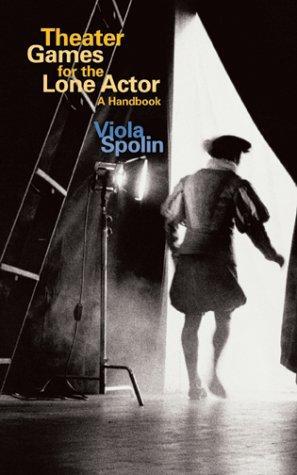
Theater Games for the Lone Actor
Viola Spolin

Mask Improvisation for Actor Training and Performance
the compelling image
Sears A. Eldredge
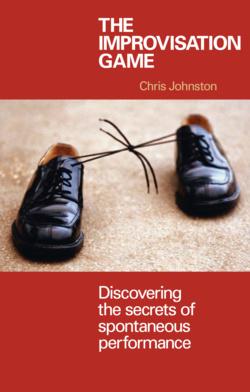
The Improvisation Game
Discovering the Secrets of Spontaneous Performance
Chris Johnston
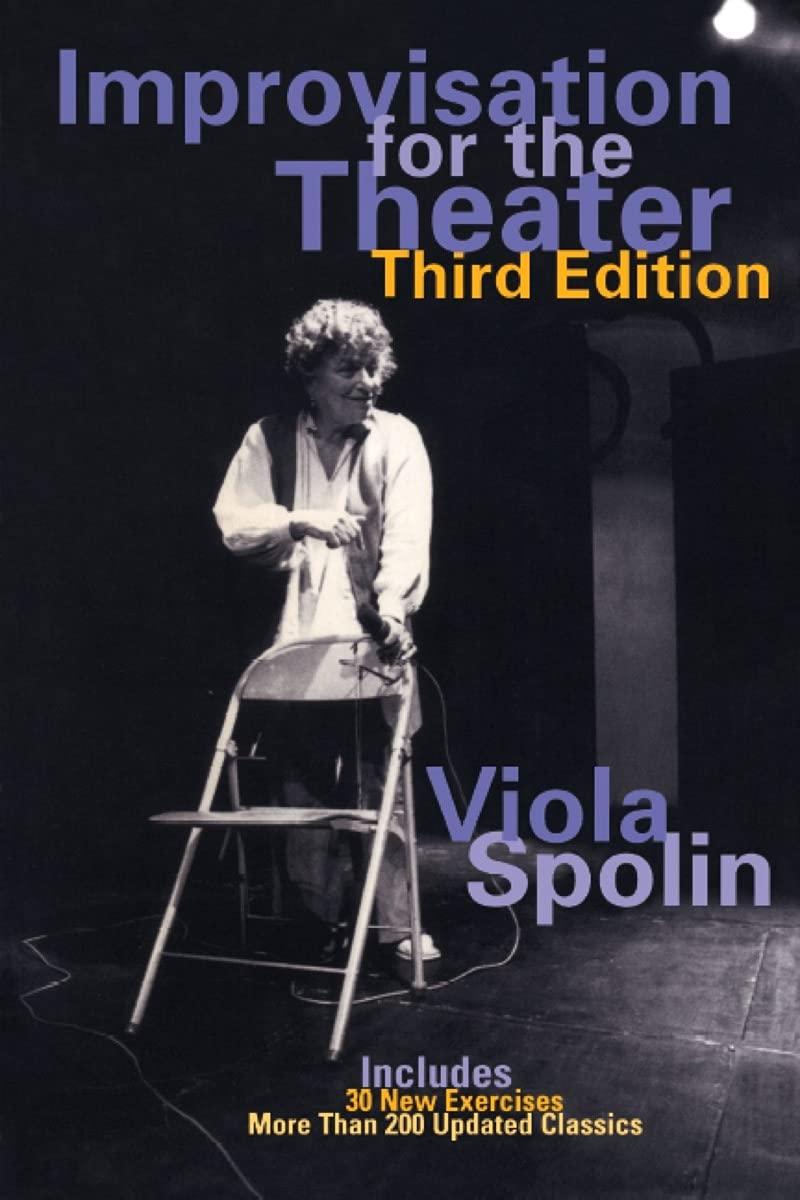
Improvisation for the Theater
A Handbook of Teaching and Directing Techniques
Viola Spolin
Related Exercises
Learn to Be Looked At
Learn to Be Looked At is an applied improv exercise in which participants practice being the subject of others' attention without deflecting, performing, or withdrawing. The exercise addresses the discomfort most people feel when held in a sustained gaze and trains the capacity to remain present, open, and grounded while being observed -- a foundational skill for anyone who presents, leads, or regularly holds attention in professional or public settings.
Exposure
Exposure is an applied improv exercise in which two groups stand in lines facing each other and simply look at one another in silence. Once the discomfort of sustained mutual gaze becomes visible, the facilitator invites participants to name what they are noticing in their own experience. The exercise makes vulnerability and the discomfort of being seen conscious and discussable, preparing groups for deeper collaborative or expressive work.
I’m Watching You Watching Me
I'm Watching You Watching Me is a presence and dual-awareness exercise in which performers practice maintaining active attention on another person while simultaneously remaining conscious of being observed themselves. The exercise trains stage presence by requiring performers to hold two layers of awareness at once -- genuine engagement with a scene partner and a live connection to the audience or room.
Observe
Observe is an applied improvisation exercise in which participants practice deliberate, sustained observation of their environment, other people, or a group dynamic without intervening, interpreting, or acting. The exercise trains the foundational skill of seeing clearly before responding -- a capacity that underpins effective leadership, facilitation, and collaborative work.
Touch to Talk and Eye Contact to Speak
Touch to Talk and Eye Contact to Speak is an applied exercise in which participants practice two distinct modes of initiating communication: physical touch as an invitation to speak, and sustained eye contact as a signal of direct address. The exercise builds precision in nonverbal communication and awareness of how physical cues shape conversational turns.
Listening Exercise (Eyes Closed)
Listening Exercise, Eyes Closed is an applied improv exercise in which participants close their eyes and attend to the full auditory environment -- ambient sounds, partner voices, silence -- without the organizing and filtering influence of visual input. By removing vision, the exercise isolates the auditory channel and trains a more complete, unmediated form of listening that can be difficult to access when visual processing is active.
How to Reference This Page
The Improv Archive. (2026). Jeepers Peepers. Retrieved September 28, 2026, from https://improvarchive.org/exercises/jeepers-peepers
The Improv Archive. "Jeepers Peepers." The Improv Archive, 2026. https://improvarchive.org/exercises/jeepers-peepers.
The Improv Archive. "Jeepers Peepers." The Improv Archive, 2026, https://improvarchive.org/exercises/jeepers-peepers. Accessed September 28, 2026.
The Improv Archive is a systemically maintained repository. The archive itself acts as the corporate author.