Fabulous Conference Calls
Fabulous Conference Calls is an applied improv exercise that uses structured activities to make virtual or phone meetings more engaging, participatory, and purposeful. The exercises divide the agenda among participants, assign roles, and use improv-derived interaction norms to replace the passive, one-directional format typical of conference calls with a shared, active participation structure.
Structure
Distributed Agenda Ownership
Rather than a single host controlling the entire call, each agenda item is owned and facilitated by a different participant. The facilitator assigns ownership before the call begins. Each item owner is responsible for framing, driving discussion, and reaching a conclusion on their item before handing off.
Improv Check-In Rounds
Calls begin with a brief structured check-in using an improv format: each participant responds to a single prompt with one sentence (word association, one-word feeling, or a quick physical gesture for video calls). This establishes active presence before the content of the call begins.
Yes-And Protocols
The group agrees to a Yes-And norm for the call: before adding a new idea or objection, the speaker must paraphrase and affirm the previous contribution. The norm is named aloud at the start and can be enforced by the call host during discussion.
Conclusion
Calls end with a structured round -- each participant states one commitment or takeaway in one sentence before the call closes.
How to Teach It
Objectives
Fabulous Conference Calls exercises target the specific dysfunctions of the distributed meeting format: passive listening, multitasking, voice dominance by a single host, and unclear conclusions. The improv tools address each dysfunction directly by creating structural accountability for participation.
How to Explain It
"Before we start, everyone on this call owns something. Your item, your question, or your contribution. We're not spectators -- we're all running this together."
Scaffolding
Introduce one structural element at a time. Start with the check-in round alone before adding distributed agenda ownership. Build the full protocol across multiple calls rather than attempting the complete format at once.
Common Pitfalls
Distributed ownership can feel chaotic when participants are unfamiliar with it. Clear handoff moments -- explicit statements like "I'm passing to [name] for the next item" -- reduce the confusion that makes the format feel disorganized rather than participatory.
In Applied Settings
Learning Objectives
In applied settings, Fabulous Conference Calls addresses one of the most common and costly meeting dysfunctions in distributed and remote work environments: the low-engagement conference call in which most participants are present in name only. The exercises apply improv principles of shared responsibility, active listening, and Yes-And building to a format that typically trains passive attendance. The outcome is a meeting structure where more participants are genuinely present and contributing.
Workplace Transfer
Teams that adopt improv-derived call structures report higher participation rates, clearer decisions, and fewer follow-up clarification conversations. Distributed agenda ownership develops facilitation skills across the team rather than concentrating them in a single host. The check-in round, even when brief, produces measurable increases in perceived connection among remote teams. The Yes-And norm, applied to virtual discussion, reduces the knee-jerk objection patterns that dominate most distributed meetings.
Facilitation Context
Fabulous Conference Calls exercises are used in remote team effectiveness programs, distributed leadership training, and communications skills workshops. They are most valuable for teams that meet regularly by phone or video and have developed habitual low-engagement call patterns. The exercises are scalable to calls of 5 to 25 participants.
Debrief Framing
Ask participants after a call run with improv norms: "What felt different about how we participated today? What did you contribute that you might not have in a standard call? What would you want to keep for future meetings?"
Skills Developed
Worth Reading
See all books →
The Improvisation Edge
Secrets to Building Trust and Radical Collaboration at Work
Karen Hough
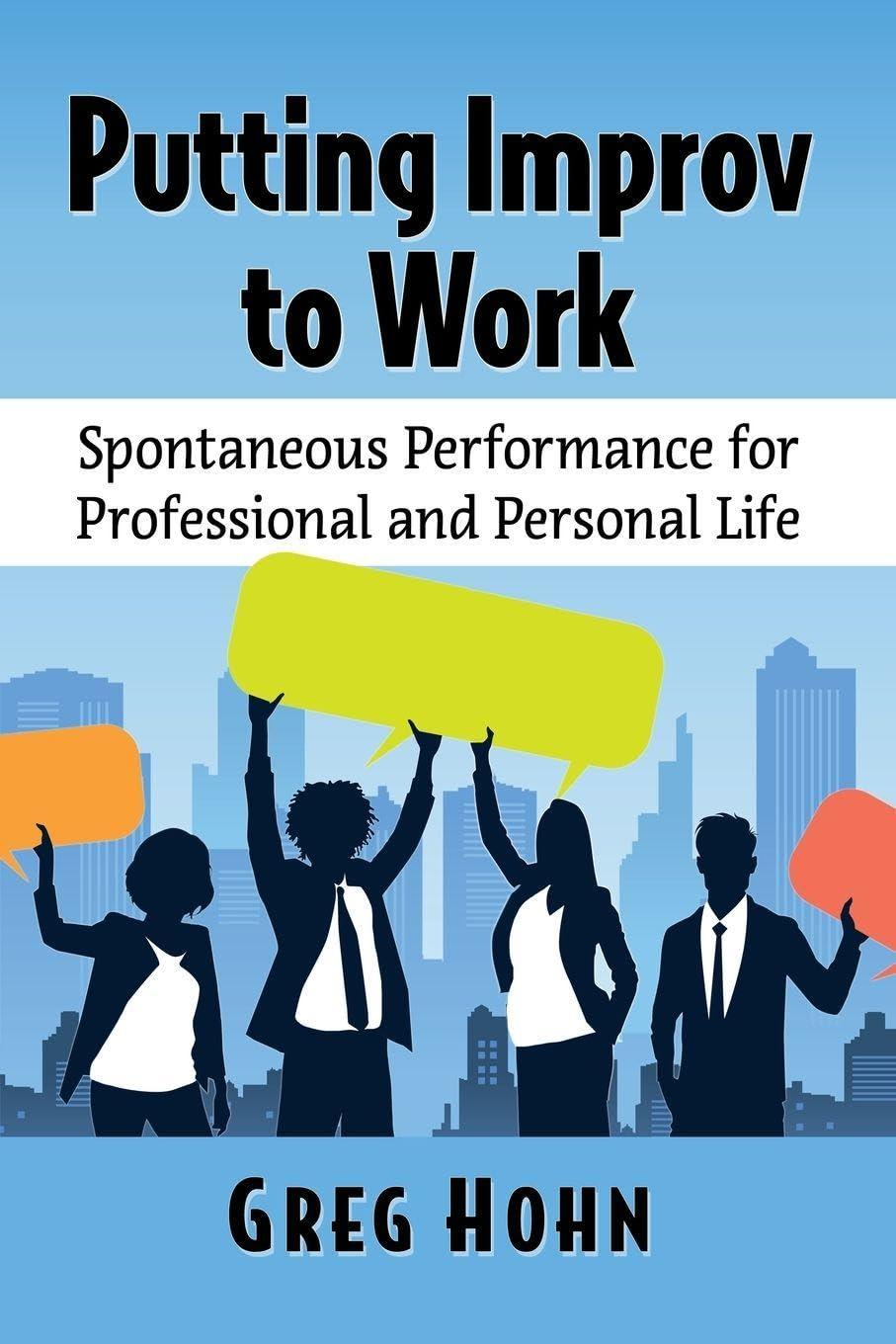
Putting Improv to Work
Spontaneous Performance for Leadership, Learning, and Life
Greg Hohn

The Improv Mindset
How to Make Improvisation Your Superpower for Success
Keith Saltojanes
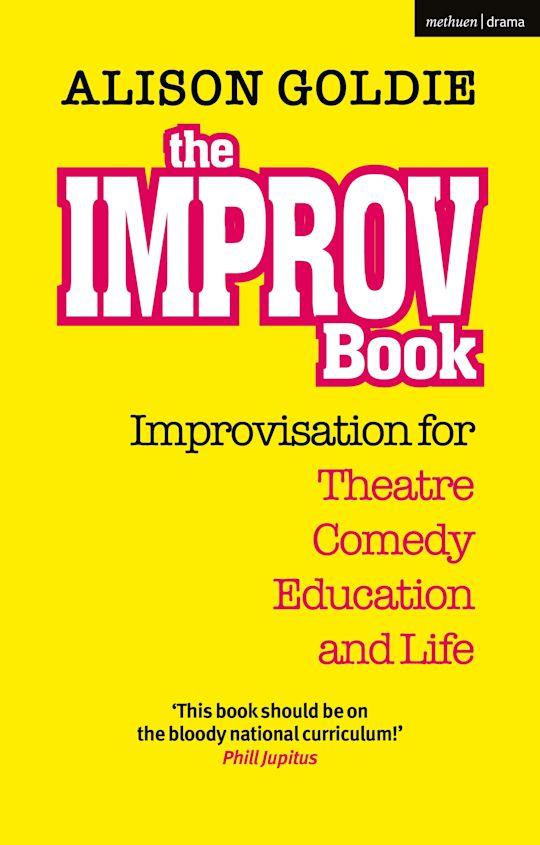
The Improv Book
Improvisation for Theatre, Comedy, Education, and Life
Alison Goldie
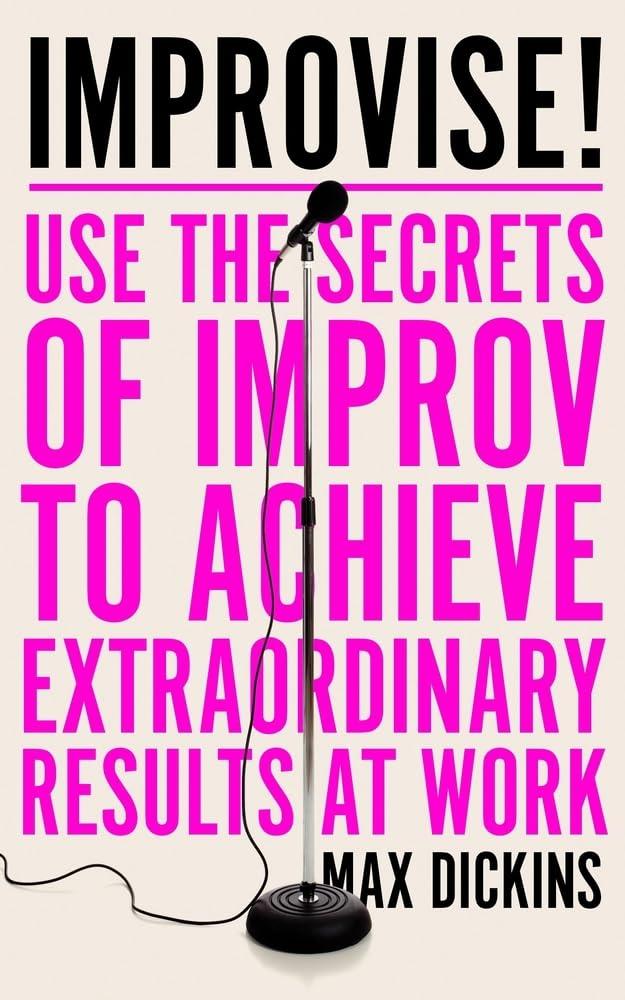
Improvise!
Use the Secrets of Improv to Achieve Extraordinary Results at Work
Max Dickins

The Art of Making Sh!t Up
Using the Principles of Improv to Become an Unstoppable Powerhouse
Norm LaViolette; Bob Melley
Related Exercises
Effective Meetings
Effective Meetings is a category of applied improv exercises that use improvisational principles to make group meetings more productive, inclusive, and engaging. The exercises target the specific dysfunctions common in professional meeting culture -- passive participation, hierarchical gatekeeping of ideas, unfocused discussion, and unconstructive pushback -- by installing collaborative improv norms in their place.
Present without Scripting
Present Without Scripting is an applied improvisation exercise from Business Improv in which participants practice delivering spontaneous presentations without prepared remarks. The exercise builds confidence in speaking from knowledge and instinct rather than from written scripts, demonstrating that authentic communication often connects more effectively than rehearsed delivery.
Meetings That Matter
Meetings That Matter is an applied improv exercise and facilitation framework in which participants practice the specific behaviors that transform routine professional meetings into focused, productive, and genuinely collaborative exchanges. The exercise uses improv principles -- agreement, active listening, present-moment attention, and collaborative building -- to address the characteristic patterns that cause meetings to lose clarity, momentum, or collective purpose.
Conch Shell
Conch Shell is an applied improvisation exercise in which a physical object serves as a speaking token: only the person holding the object may speak. The mechanic enforces one-voice-at-a-time give-and-take in group conversations, making unequal participation patterns visible and creating structured space for voices that are typically crowded out by more dominant speakers.
Building Rapport
Structured activities for establishing connection and trust with colleagues through improvisational active engagement.
Leadership
Leadership is an applied improv exercise that uses structured group movement and voluntary leader emergence to explore how leadership authority is claimed, transferred, and recognized within a group. Participants move through the space or perform actions in which any member of the group may step into a leadership role at any moment, and the group must recognize and follow the shift without verbal announcement. The exercise surfaces the dynamics of organizational leadership through an embodied, real-time demonstration.
The Lineage
Explore the schools and structures that influenced or evolved from Fabulous Conference Calls.
The Improvisation Edge (Karen Hough)
How to Reference This Page
The Improv Archive. (2026). Fabulous Conference Calls. Retrieved September 28, 2026, from https://improvarchive.org/exercises/fabulous-conference-calls
The Improv Archive. "Fabulous Conference Calls." The Improv Archive, 2026. https://improvarchive.org/exercises/fabulous-conference-calls.
The Improv Archive. "Fabulous Conference Calls." The Improv Archive, 2026, https://improvarchive.org/exercises/fabulous-conference-calls. Accessed September 28, 2026.
The Improv Archive is a systemically maintained repository. The archive itself acts as the corporate author.