Feedback is an applied improv exercise in which participants construct conversations and letters one word at a time, practicing the principles of constructive feedback delivery and reception through a collaborative word-at-a-time structure. The constraint removes defensive preparation and forces participants to co-create the feedback conversation in real time, revealing the habits, avoidances, and instincts that govern how feedback is actually given and received in professional settings.
Structure
Word-at-a-Time Feedback Conversations
Two participants construct a feedback conversation by alternating one word each, building sentences together. One participant represents the giver, one the receiver. The content emerges unpredictably, shaped by both players simultaneously, revealing how feedback conversations are co-constructed rather than delivered in one direction.
Feedback Letter Construction
Small groups compose a feedback letter one word at a time, with each group member contributing a single word in turn. The resulting letter -- sometimes coherent, sometimes absurd -- is read aloud and serves as the opening prompt for a structured debrief about what good feedback actually requires.
Yes-And Feedback Rounds
Participants practice delivering constructive feedback using the Yes-And framework: before naming what could improve, they first build on and affirm what is working. This structure forces specificity in affirmation before moving to development.
Conclusion
The exercise closes with a debrief connecting the improv experience to real professional feedback situations: what was easy, what was avoided, and what participants want to do differently.
How to Teach It
Objectives
Feedback exercises target the specific communication habits that make professional feedback ineffective: vagueness, defensiveness, over-qualification, and the avoidance of specific behavioral observation. The improv constraint makes the habit visible by removing the ability to prepare and edit.
How to Explain It
"You're going to give feedback -- one word at a time. Your partner adds a word, you add a word. See what you actually say when you can't control the whole sentence."
Scaffolding
Begin with low-stakes, fictional feedback scenarios before asking participants to engage with real work situations. The fictional frame provides distance that allows honest engagement with the exercise before the personal stakes are raised.
Common Pitfalls
Participants sometimes steer the word-at-a-time construction toward safety -- producing very general, non-specific feedback because the collaborative format gives them an excuse to avoid directness. The coaching note is to notice the avoidance and name it in the debrief: what words did you not want to say, and why?
In Applied Settings
Learning Objectives
In applied settings, Feedback exercises address the most common failure mode of organizational feedback culture: feedback that is too vague to act on, too infrequent to be useful, or too laden with hedging to communicate a clear message. The improv structure makes the feedback process itself the subject of examination, allowing participants to observe their own habits and develop more direct, specific, and constructive feedback behaviors.
Workplace Transfer
Participants who have worked through improv-based feedback exercises report greater comfort initiating feedback conversations, more precision in the behavioral language they use, and reduced defensiveness in receiving feedback. The word-at-a-time exercise specifically demonstrates that feedback is a co-created conversation -- it requires the receiver's active participation, not just the giver's delivery -- which shifts the frame from "how do I give feedback correctly" to "how do we create a feedback conversation together."
Facilitation Context
Feedback exercises are used in leadership development programs, management training, performance communication workshops, and team culture initiatives. They are particularly valuable for organizations with formal feedback processes (360 reviews, annual evaluations) that are producing consistently low-quality conversations despite significant process investment. Group sizes of 8 to 20 allow enough pairs work for meaningful practice.
Debrief Framing
Ask participants: "What did you want to say that you didn't? What made it hard to be specific? When you receive feedback at work, what makes it useful versus what makes it land badly? What do you want to do differently in your next real feedback conversation?"
Skills Developed
Worth Reading
See all books →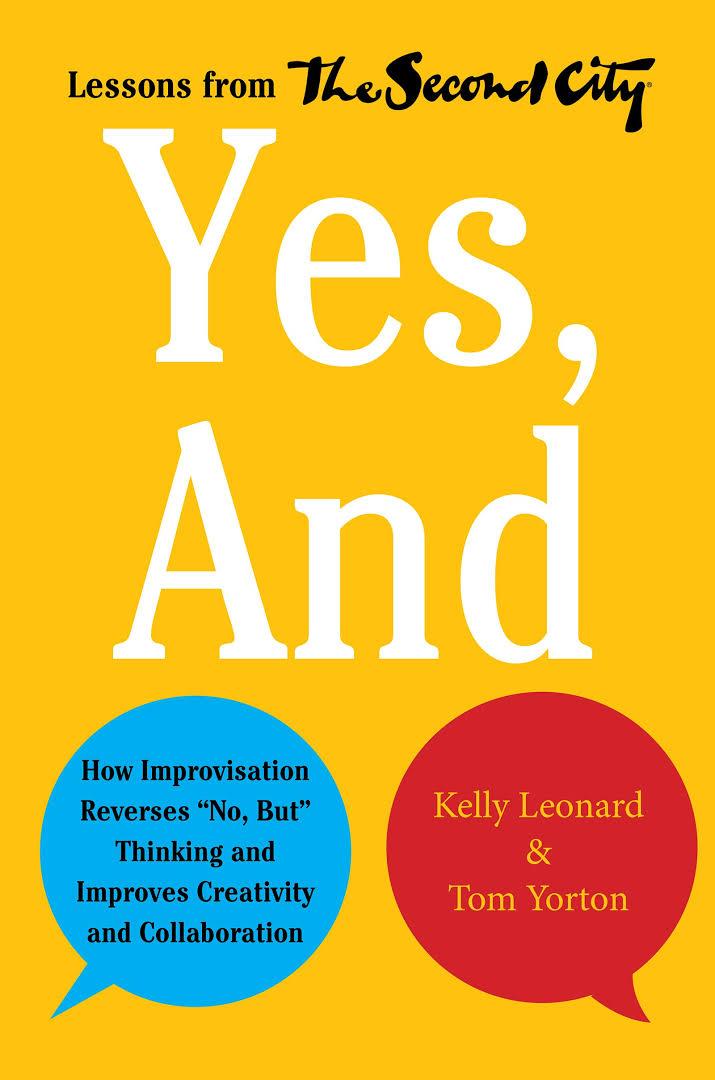
Yes, And
How Improvisation Reverses No, But Thinking and Improves Creativity and Collaboration
Kelly Leonard; Tom Yorton

Business Improv
Experiential Learning Exercises to Train Employees
Val Gee

Legislative Theatre
Using Performance to Make Politics
Augusto Boal

Theatrical Improvisation
Short Form, Long Form, and Sketch-Based Improv
Jeanne Leep

Devising Performance
A Critical History
Deirdre Heddon; Jane Milling
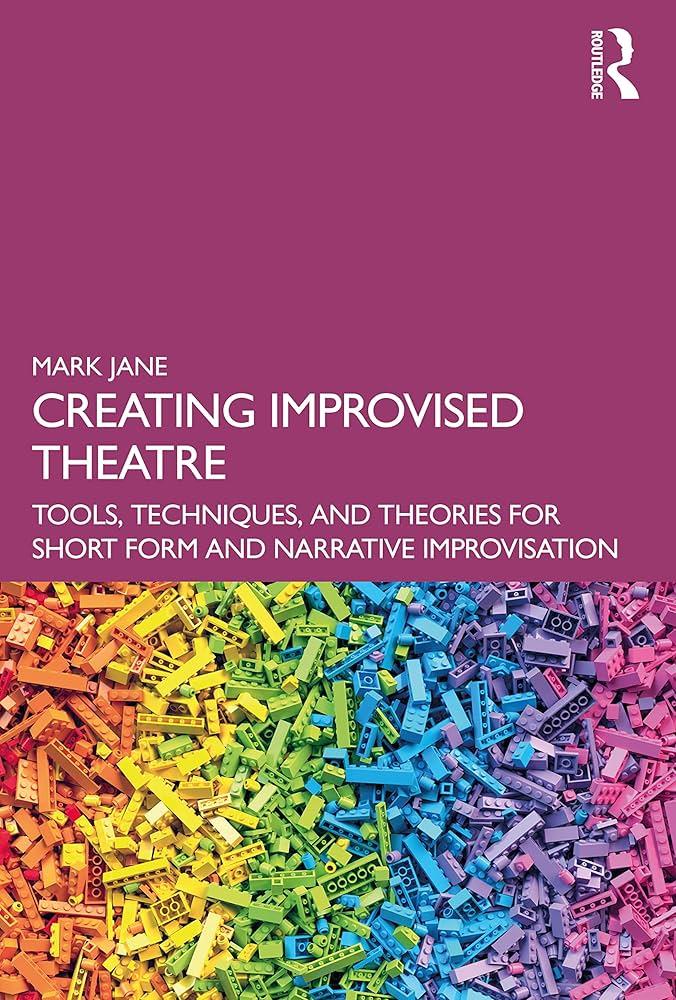
Creating Improvised Theatre
Tools, Techniques, and Theories
Mark Jane
Related Exercises
Listening Game
Listening Game is a category of applied improv exercises that use game structures -- rules, constraints, competitive elements, or playful formats -- to make the practice of active listening engaging and its requirements concrete. The Listening Game as a distinct entry encompasses the range of structured listening activities used in applied improv that do not fit a single specific technique but share the common feature of making listening the primary and explicitly tested skill of the activity.
Just Seven Words
Just Seven Words is an applied improv exercise that constrains each participant to responding with exactly seven words -- no more, no fewer. The constraint forces deliberate word choice, disrupts habitual overexplanation, and trains the ability to communicate precisely and completely within a tight limit. The exercise is used in applied improv to develop conciseness, clarity, and the discipline of editing thought before speaking.
Last Word Response
Last Word Response is an applied improv listening exercise in which each participant must begin their response with the last word spoken by the previous participant. The constraint enforces genuine end-of-utterance listening by making it physically impossible to begin a response until the previous speaker has completed their sentence. The exercise is used in applied improv to develop active listening skills in workplace and organizational settings.
Managing Change
Managing Change is an applied improv exercise that uses structured improvisation to help participants navigate and practice the psychological and behavioral responses to unexpected change in organizational contexts. The exercise creates controlled conditions of disruption and adaptation, training the specific skills of remaining present, communicating openly, and collaborating effectively when plans, expectations, or structures are suddenly altered.
Breakfast of Champions
Frame feedback with: I am giving you these comments because I have high expectations of you and I am confident you can reach them. Research shows this framing makes feedback 40% more effective.
Suspend Judgments
Suspend Judgments is a series of exercises designed to help participants notice and temporarily set aside their automatic evaluations of other people. Through structured interactions and reflection, participants develop awareness of how snap judgments affect their listening and collaboration.
The Lineage
Explore the schools and structures that influenced or evolved from Feedback.
Business Improv (Gee & Gee)
How to Reference This Page
The Improv Archive. (2026). Feedback. Retrieved September 28, 2026, from https://improvarchive.org/exercises/feedback
The Improv Archive. "Feedback." The Improv Archive, 2026. https://improvarchive.org/exercises/feedback.
The Improv Archive. "Feedback." The Improv Archive, 2026, https://improvarchive.org/exercises/feedback. Accessed September 28, 2026.
The Improv Archive is a systemically maintained repository. The archive itself acts as the corporate author.