Follow the Leaver
Follow the Leaver is a group movement exercise in which players move freely through the space and, when one player decides to leave the room or move to a specific location, all other players notice and follow -- without verbal communication or explicit announcement. The exercise develops peripheral awareness, ensemble attunement, and the ability to read and respond to a subtle behavioral cue rather than waiting for an explicit instruction.
Structure
Setup
All players move freely through an open space. The space should have a clear exit or designated follow point. No instructions are given about when to leave or how to signal.
Progression
Players move through the space in their own way. At some point, one player makes a decision to leave the room or move to a specific location -- without announcing it, raising a hand, or making deliberate eye contact with the group. The decision is expressed only through the direction and quality of their movement.
The other players must notice this decision through peripheral awareness and follow -- all moving in the same direction without explicit instruction or group discussion.
The exercise tests whether the group is genuinely watching each other or only occupying the same space. A group with high ensemble attunement follows without hesitation. A group with low attunement fragments, hesitates, or misses the leaver entirely.
Conclusion
The facilitator may run several rounds with different designated leavers or allow the exercise to continue organically until the group has followed and returned multiple times.
How to Teach It
Objectives
Follow the Leaver develops peripheral awareness, the ability to track group behavior without directly watching any one person, and the ensemble sensitivity required for group-mind in performance and rehearsal.
How to Explain It
"Move through the space. At some point, someone will leave. When they go, everyone goes. The challenge is noticing without staring."
Scaffolding
Begin by designating the leaver to the group in advance, so everyone knows who to watch. Once the group develops the awareness skill, allow the leaver to be self-selected -- whoever feels moved to leave, leaves -- and observe whether the group catches it.
Common Pitfalls
Groups frequently fragment when the leaver's decision is too subtle or when players are focused inward rather than outward. The coaching note is that peripheral awareness is a skill that requires practice: the exercise reveals how much of each player's attention is actually on the group versus on themselves.
Worth Reading
See all books →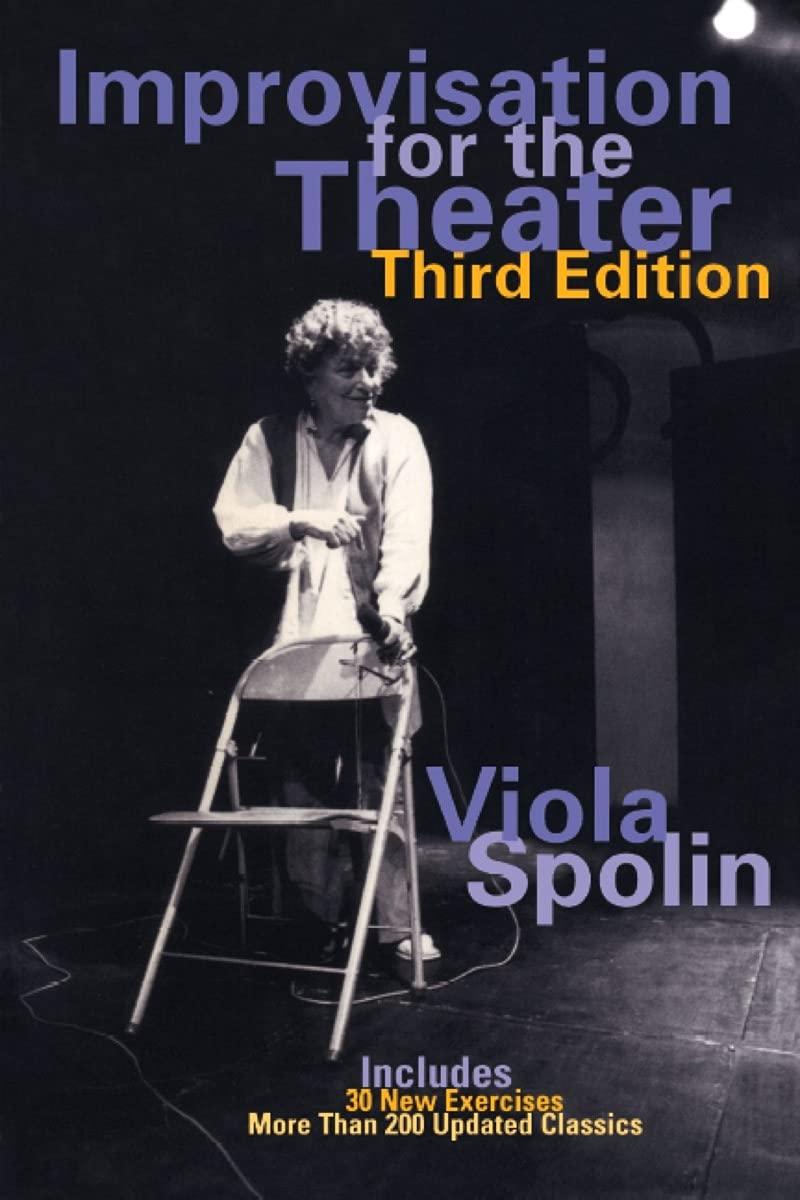
Improvisation for the Theater
A Handbook of Teaching and Directing Techniques
Viola Spolin

Playing Along
37 Group Learning Activities Borrowed from Improvisational Theater
Izzy Gesell
Theater Games for Rehearsal
Viola Spolin
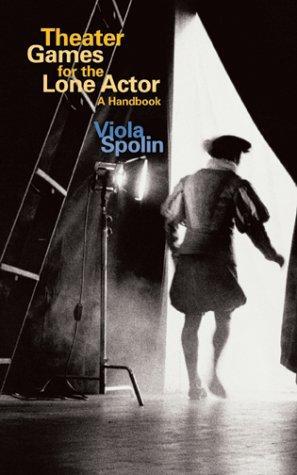
Theater Games for the Lone Actor
Viola Spolin

Business Improv
Experiential Learning Exercises to Train Employees
Val Gee
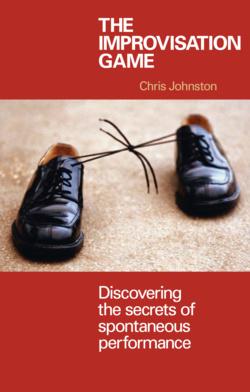
The Improvisation Game
Discovering the Secrets of Spontaneous Performance
Chris Johnston
Related Exercises
Follow the Follower
Follow the Follower is an applied improv exercise in which a group sits in a circle and simultaneously makes sounds and movements while attempting to mimic everyone else -- with no designated leader and no pre-assigned role of follower. Because everyone is following everyone at once, leadership emerges organically from small initiations that the group collectively amplifies. The exercise makes visible how group behavior self-organizes without authority, and how individual actions propagate through a collective system.
Follow Your Nose
Follow Your Nose is a physical exploration exercise in which players literally lead with their nose as the point of initiation for all movement through the space. By designating a single body part as the physical driver, the exercise disrupts habitual movement patterns and develops kinesthetic awareness, physical specificity, and the discovery of how a small physical choice can alter an entire physical identity.
Pass the Clap
Pass the Clap is a focus exercise in which players pass a synchronized clap around a circle through eye contact alone. Two players coordinate to clap at precisely the same moment, producing a single unified sound that travels from person to person. The exercise trains nonverbal communication, attentiveness, and the ability to match a partner's timing without verbal cues.
Sound Follow
Sound Follow is an exercise in which one player creates a continuous vocal sound and the rest of the group follows that sound with their bodies, allowing the sound to dictate their movement, tempo, and energy. The exercise trains the connection between auditory input and physical response.
Blind Stalker
Blind Stalker is an awareness exercise in which one blindfolded player moves through the space while others attempt to approach without being detected. The blindfolded player points toward any sound they hear, and detected players are eliminated. The exercise sharpens auditory awareness and develops the ability to move with control and intentionality.
Assassins
Assassins is a group awareness exercise in which each player secretly watches one specific person in the space. When the facilitator gives a signal, every player simultaneously points to the person they have been watching. The exercise reveals the web of attention in the room and is used to discuss group dynamics, observation, and the experience of being seen.
How to Reference This Page
The Improv Archive. (2026). Follow the Leaver. Retrieved September 28, 2026, from https://improvarchive.org/exercises/follow-the-leaver
The Improv Archive. "Follow the Leaver." The Improv Archive, 2026. https://improvarchive.org/exercises/follow-the-leaver.
The Improv Archive. "Follow the Leaver." The Improv Archive, 2026, https://improvarchive.org/exercises/follow-the-leaver. Accessed September 28, 2026.
The Improv Archive is a systemically maintained repository. The archive itself acts as the corporate author.