Sound Follow
Sound Follow is an exercise in which one player creates a continuous vocal sound and the rest of the group follows that sound with their bodies, allowing the sound to dictate their movement, tempo, and energy. The exercise trains the connection between auditory input and physical response.
Structure
Setup
One participant stands where the group can hear them clearly. The rest of the group spreads out across the space with room to move freely. The facilitator explains that the sound maker will produce a continuous vocal sound and the group must let that sound move their bodies.
The Sound
The sound maker begins with a sustained vocal sound: a hum, a drone, a vowel, a rhythm. The sound evolves over time, changing in pitch, volume, tempo, and texture. The sound maker has complete control over the group's movement through their vocal choices.
The Follow
The rest of the group allows the sound to dictate their movement. A high-pitched, fast sound might produce quick, light movements. A low, sustained drone might produce slow, heavy movements. The group does not choreograph or plan their responses. They listen and let their bodies react to what they hear.
The exercise works best when the movers release conscious control and allow the sound to move them rather than choosing movements that "match" the sound intellectually. The response should be visceral rather than analytical.
Rotation
The sound maker rotates so that each participant has the opportunity to lead with sound and to follow with movement. Different sound makers produce different movement qualities in the group, revealing how each person's vocal instincts create distinct physical landscapes.
Variations
The exercise can use instruments instead of voice, or combine multiple sound makers creating a layered soundscape. The group might be divided into sound makers and movers who interact in real time, creating a collaborative performance.
How to Teach It
Objectives
Sound Follow develops the connection between auditory perception and physical response, trains performers to respond to sound instinctively rather than intellectually, and builds comfort with movement driven by external stimuli. It serves as preparation for scene work with musical accompaniment.
How to Explain It
"One person makes a sound. Everyone else lets that sound move their body. Do not think about what movement matches the sound. Just listen and move. Let the sound be in charge of your body."
Scaffolding
Begin with simple, sustained sounds that change slowly, giving the group time to find their physical responses. As the group develops comfort, the sound maker can introduce more rapid changes. Encourage the sound maker to explore the full range of their voice: high and low, fast and slow, loud and soft.
Common Pitfalls
The most common pitfall is movers who intellectually choose movements they think "match" the sound rather than letting the sound move them organically. Coach them to close their eyes and respond from the body rather than the mind. Another issue is sound makers who produce sounds that are too complex or chaotic for the group to follow, creating confusion rather than movement.
Worth Reading
See all books →
Playing Along
37 Group Learning Activities Borrowed from Improvisational Theater
Izzy Gesell
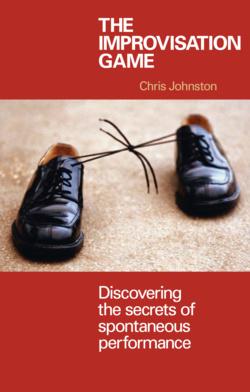
The Improvisation Game
Discovering the Secrets of Spontaneous Performance
Chris Johnston

Business Improv
Experiential Learning Exercises to Train Employees
Val Gee
Theater Games for Rehearsal
Viola Spolin
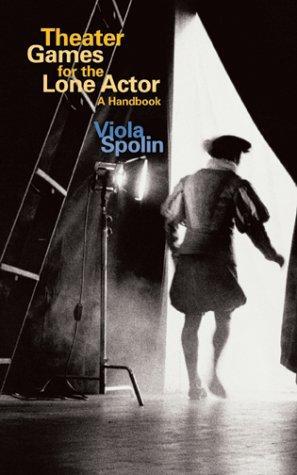
Theater Games for the Lone Actor
Viola Spolin
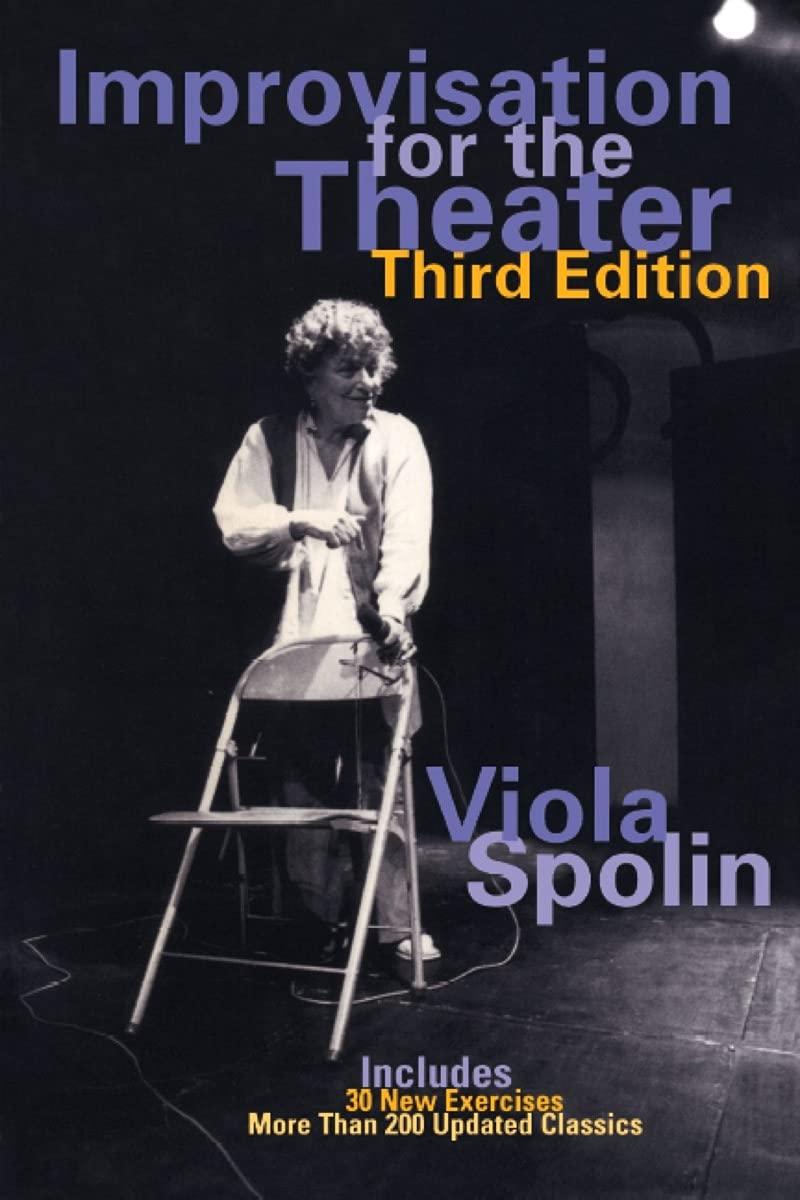
Improvisation for the Theater
A Handbook of Teaching and Directing Techniques
Viola Spolin
Related Exercises
Follow the Follower
Follow the Follower is an applied improv exercise in which a group sits in a circle and simultaneously makes sounds and movements while attempting to mimic everyone else -- with no designated leader and no pre-assigned role of follower. Because everyone is following everyone at once, leadership emerges organically from small initiations that the group collectively amplifies. The exercise makes visible how group behavior self-organizes without authority, and how individual actions propagate through a collective system.
Sound and Motion
Sound and Motion is a circle exercise in which participants pass abstract sounds with accompanying movements around a circle or across the space, building spontaneity, physical expressiveness, and the willingness to take creative risks without planning or rehearsing.
Follow the Leaver
Follow the Leaver is a group movement exercise in which players move freely through the space and, when one player decides to leave the room or move to a specific location, all other players notice and follow -- without verbal communication or explicit announcement. The exercise develops peripheral awareness, ensemble attunement, and the ability to read and respond to a subtle behavioral cue rather than waiting for an explicit instruction.
Follow Your Nose
Follow Your Nose is a physical exploration exercise in which players literally lead with their nose as the point of initiation for all movement through the space. By designating a single body part as the physical driver, the exercise disrupts habitual movement patterns and develops kinesthetic awareness, physical specificity, and the discovery of how a small physical choice can alter an entire physical identity.
Mirror/Follow the Follower
Mirror Follow the Follower is an applied improv mirror exercise in which two participants begin by mirroring each other without a designated leader, then allow leadership to shift organically as the mirror deepens. The exercise trains simultaneous attention and response, the release of the need to control group direction, and the experience of shared movement that arises when both participants follow rather than either one leading.
Rhythm Machine Part One: The Blank Machine
The Blank Machine is the first part of a three-part rhythm machine sequence in which participants build a group 'machine' by adding repeating sounds and movements one at a time. Each person contributes a distinct mechanical component, creating an interlocking system of rhythm, sound, and motion that represents the ensemble working as a unified whole.
How to Reference This Page
The Improv Archive. (2026). Sound Follow. Retrieved September 29, 2026, from https://improvarchive.org/exercises/sound-follow
The Improv Archive. "Sound Follow." The Improv Archive, 2026. https://improvarchive.org/exercises/sound-follow.
The Improv Archive. "Sound Follow." The Improv Archive, 2026, https://improvarchive.org/exercises/sound-follow. Accessed September 29, 2026.
The Improv Archive is a systemically maintained repository. The archive itself acts as the corporate author.