I Am a Tree
I Am a Tree is a group physicality and association exercise in which one player enters the space, strikes a pose, and declares "I am a tree." A second player adds to the image by joining with a related declaration ("I am a bird in that tree"); a third adds another ("I am a worm in the bird's beak"). The original player then leaves, one of the remaining players reshapes the image, and the cycle begins again. The exercise trains rapid association, physical commitment, and collaborative scene-building through spatial relationship.
Structure
Setup
All players stand at the edge of the space. One player enters the center and strikes a pose while declaring what they are: "I am a tree."
Building the Image
A second player enters, strikes a connected pose, and declares their relationship to the first element: "I am a bird in that tree." A third player enters and adds another connected element: "I am a worm in the bird's beak."
Reshaping
Once three elements are established, the original player (the tree) steps away -- back to the group. One of the two remaining players takes ownership of the image. They call out for one more player to join them, and a new player enters with a new declaration. The player who is not needed leaves. A new image is always built from the remnant of the previous one.
Continuation
The cycle repeats: enter, add, reshape, step away. The exercise continues until all players have cycled through multiple times or until the facilitator brings the group to stillness.
Conclusion
The exercise ends at a natural point of energy or when the group has developed fluency with rapid physical association.
How to Teach It
Objectives
I Am a Tree trains rapid association, physical commitment to a declared element, and collaborative scene-building through spatial and relational specificity. It develops the habit of making offers clearly -- both verbally and physically -- and of accepting and building on what others have established.
How to Explain It
"Enter the space, strike a pose, declare what you are. The next person adds to your image. Then the third. When three elements are in the image, the original player steps away and we start again from what remains. Stay specific. Stay physical. Don't think too hard."
Scaffolding
Begin with a slow pace and allow players to observe a few full cycles before participating. Once the pattern is established, increase the pace. The goal is association fast enough that the next element arrives before the previous one has been fully analyzed.
Common Pitfalls
Players sometimes choose unrelated or abstract declarations that do not connect physically to the established image. The coaching note is that the connection must be specific enough that the physical relationship is clear -- not just conceptually related, but spatially and visually connected.
In Applied Settings
Learning Objectives
In applied settings, I Am a Tree develops the willingness to make offers in a group context, build on others' contributions, and add to a shared creation rather than replacing or redirecting what others have begun. It makes visible the collaborative pattern of offer-and-build that underlies effective team ideation.
Workplace Transfer
The exercise transfers to brainstorming, collaborative design, and any group process where the quality of the outcome depends on participants building on each other's ideas rather than competing with them. Participants who have practiced I Am a Tree often report greater awareness of when they are genuinely building on a colleague's contribution versus redirecting it toward their own preferred direction.
Facilitation Context
I Am a Tree is used in creativity workshops, team-building programs, communication training, and as a warm-up for design thinking or innovation sessions. It works well with groups of 8 to 20 in open space. Participants need no prior improv experience and the pattern is intuitive after one or two observed cycles.
Debrief Framing
Ask participants: "What made it easy to build on someone else's image? When did you notice yourself wanting to replace rather than add? Where in your work do you need to build on others' contributions rather than starting fresh?"
Skills Developed
Worth Reading
See all books →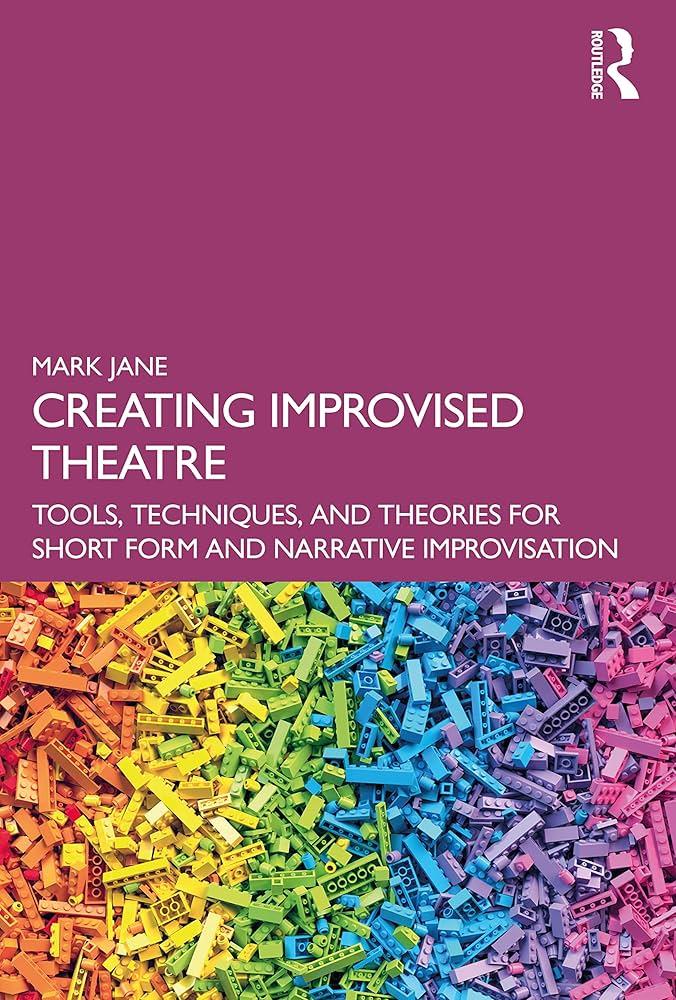
Creating Improvised Theatre
Tools, Techniques, and Theories
Mark Jane

Embodied Playwriting
Improv and Acting Exercises for Writing
Hillary Haft Bucs; Charissa Menefee

Applied Improvisation
Leading, Collaborating, and Creating Beyond the Theatre
Theresa Robbins Dudeck; Caitlin McClure
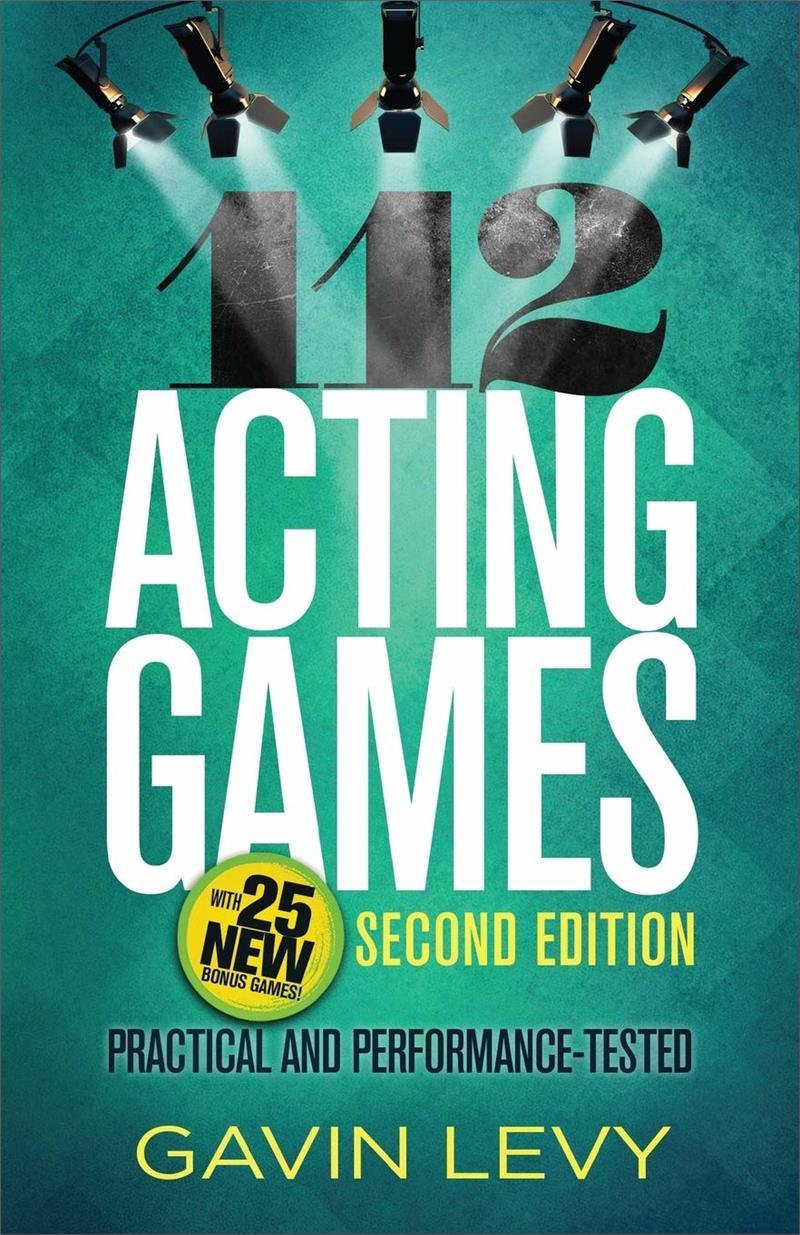
112 Acting Games
Gavin Levy
Theater Games for the Lone Actor
Viola Spolin

The Improv Illusionist
Using Object Work, Environment, and Physicality in Performance
David Raitt
Related Exercises
I'm a Piece of Cheese
I'm a Piece of Cheese is a group physicality exercise -- also known as Three in a Circle, I Am a Whisk, or similar names -- in which one player names an object, strikes a pose representing it, and others add spatially connected objects to build a larger scene or tableau. Each player declares their object and takes a physical position in relation to what is already in the space. When the tableau is complete, the first player steps away, the image resets around the remaining elements, and a new cycle begins.
Strike a Pose
Strike a Pose is a physical exercise in which players assume strong, committed physical positions and use each pose as a starting point for character, scene, or interpretive discovery. The exercise demonstrates that physical choices precede and inform emotional and character choices, rather than following from them. Multiple documented variants use the same core mechanic of striking and holding a pose to develop ensemble responsiveness, scene inspiration, and interpretive skill.
Introducing Association
Introducing Association is a name-learning exercise that combines self-introduction with word association. Each player introduces themselves by name and adds a word, image, or gesture that they associate with their name. Subsequent players repeat all previous names and associations before adding their own. The exercise simultaneously learns names and warms up the associative thinking required for improvisation, building memory through the concrete links that association provides.
Cheers I’m an Alien
Cheers I'm an Alien is a warm-up exercise in which one player approaches others with an enthusiastic greeting while adopting an alien persona. The exercise breaks social inhibitions and encourages playful, uninhibited physical and vocal choices. It warms up the group's willingness to commit to the absurd.
Associatioin Chain
Association Chain is a circle exercise in which each player says a word inspired by the previous player's word, building a rapid chain of free associations. The exercise trains spontaneous, uncensored responses and reveals the connective leaps that drive improvised scene work. Speed is essential to prevent intellectual filtering.
Association Jump
Association Jump is a variation on word association in which players physically move or jump to a new position in the space each time they offer a new word. The physical action reinforces the mental leap between ideas and keeps energy high. The exercise connects verbal spontaneity with full-body commitment.
The Lineage
Explore the schools and structures that influenced or evolved from I Am a Tree.
Applied Improvisation (Dudeck & McClure)
How to Reference This Page
The Improv Archive. (2026). I Am a Tree. Retrieved September 28, 2026, from https://improvarchive.org/exercises/i-am-a-tree
The Improv Archive. "I Am a Tree." The Improv Archive, 2026. https://improvarchive.org/exercises/i-am-a-tree.
The Improv Archive. "I Am a Tree." The Improv Archive, 2026, https://improvarchive.org/exercises/i-am-a-tree. Accessed September 28, 2026.
The Improv Archive is a systemically maintained repository. The archive itself acts as the corporate author.