Association Jump
Association Jump is a variation on word association in which players physically move or jump to a new position in the space each time they offer a new word. The physical action reinforces the mental leap between ideas and keeps energy high. The exercise connects verbal spontaneity with full-body commitment.
Structure
Setup
- Players spread through the space.
- One player says a word and physically moves to a new position.
- The next player says the first associated word that comes to mind and moves to a new position.
- The exercise continues until the facilitator ends it.
The Physical-Verbal Integration
- Each word must be accompanied by a movement: the verbal leap and the physical leap happen simultaneously.
- Players should not plan their new position before they have their word. The body and the word arrive together.
- Stationary players are not participating in the full exercise.
How It Differs from Circle Association
- The physical movement reinforces the mental leap: the body helps the brain make the associative jump.
- Moving to a new position also shifts the performer's physical relationship to other players, which generates new associations.
- The energy of the exercise is higher because physical commitment is required.
What It Trains
- Verbal spontaneity linked to full-body commitment.
- The spatial relationship between performers as a source of creative material.
- Speed of association without sacrificing specificity.
How to Teach It
How to Explain It
"Say a word and move. At the same time. The word and the movement are one thing. When you arrive at your new position, you are saying your word. Don't plan where you're going. Let the word take you there."
Common Notes
- Players who move after saying the word have separated the two elements. The combination is what the exercise trains.
- Watch for players who move to the same area repeatedly. Variety in spatial position generates variety in association.
- The exercise should feel energetic. Players who are moving slowly or carefully are not in the spirit of the exercise.
Common Pitfalls
- Players move without saying a word, or say a word without moving.
- The physical moves are tentative and small, defeating the "jump" quality of the exercise.
- Players begin making thematic sense of the associations rather than responding purely to instinct.
Worth Reading
See all books →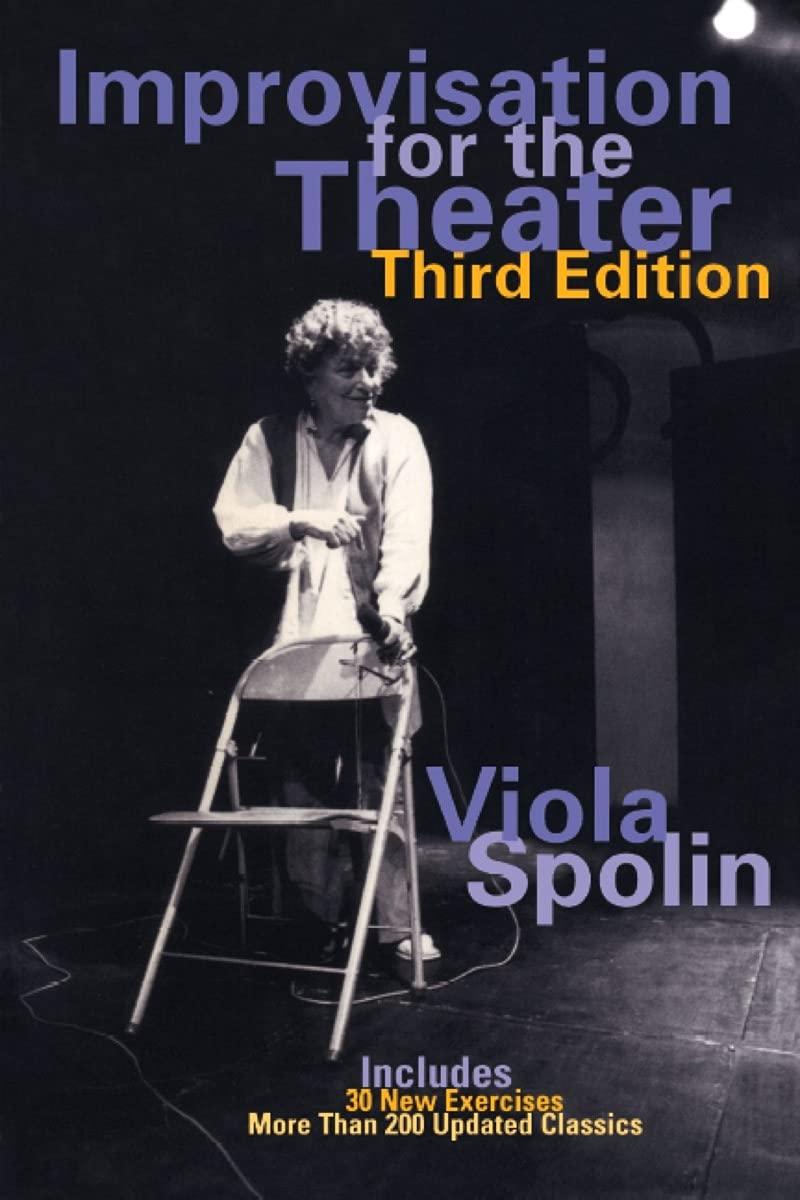
Improvisation for the Theater
A Handbook of Teaching and Directing Techniques
Viola Spolin

Business Improv
Experiential Learning Exercises to Train Employees
Val Gee
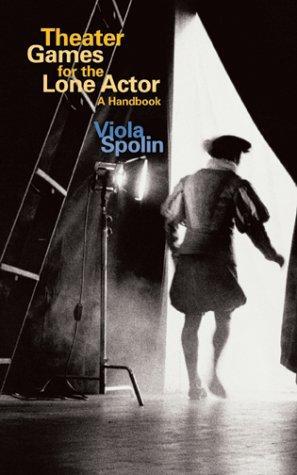
Theater Games for the Lone Actor
Viola Spolin

Playing Along
37 Group Learning Activities Borrowed from Improvisational Theater
Izzy Gesell

Action Theater
The Improvisation of Presence
Ruth Zaporah

Group Improvisation
The Manual of Ensemble Improv Games
Peter Campbell Gwinn; Charna Halpern
Related Exercises
Associatioin Chain
Association Chain is a circle exercise in which each player says a word inspired by the previous player's word, building a rapid chain of free associations. The exercise trains spontaneous, uncensored responses and reveals the connective leaps that drive improvised scene work. Speed is essential to prevent intellectual filtering.
Introducing Association
Introducing Association is a name-learning exercise that combines self-introduction with word association. Each player introduces themselves by name and adds a word, image, or gesture that they associate with their name. Subsequent players repeat all previous names and associations before adding their own. The exercise simultaneously learns names and warms up the associative thinking required for improvisation, building memory through the concrete links that association provides.
Jump
Jump is a focus and commitment exercise in which one player initiates an action and the rest of the group simultaneously joins in. The exercise trains the ability to recognize and support a group choice instantly without waiting for confirmation. It builds the reflex of jumping in that drives ensemble improv.
Free Association Circle
Free Association Circle is a group exercise in which players standing in a circle pass words around the circle, each player saying the first word that comes to mind in response to the word just spoken. There is no topic, no narrative, and no correct direction -- only the unfiltered associative chain between one mind and the next. The exercise develops spontaneity, the suppression of the self-editing reflex, and the awareness of how the associative mind generates material.
Clap Snap Association
Clap Snap Association is a word association exercise that adds a rhythmic structure of alternating claps and snaps. Players must produce associations in time with the beat, and falling off rhythm results in elimination. The dual demand of rhythm and spontaneity trains performers to think freely under structured pressure.
Free Association
Free Association is a foundational improv exercise in which players say the first word that comes to mind in response to the previous word. The exercise trains the spontaneous, uncensored response that forms the basis of all improvisation. Speed is critical: hesitation reveals the internal censor at work, and the exercise's purpose is to bypass that censor entirely. Free Association develops the mental agility to generate offers without pre-planning and builds trust in the unfiltered creative impulse. The exercise is widely used in both theatrical improv training and applied improvisation contexts, where it builds rapid ideation skills and breaks down overthinking.
How to Reference This Page
The Improv Archive. (2026). Association Jump. Retrieved September 29, 2026, from https://improvarchive.org/exercises/association-jump
The Improv Archive. "Association Jump." The Improv Archive, 2026. https://improvarchive.org/exercises/association-jump.
The Improv Archive. "Association Jump." The Improv Archive, 2026, https://improvarchive.org/exercises/association-jump. Accessed September 29, 2026.
The Improv Archive is a systemically maintained repository. The archive itself acts as the corporate author.