I Love You
This exercise takes its name from the three-word declaration at the heart of every scene it generates. Performers say the title phrase to each other in as many contexts, relationships, and emotional registers as possible, discovering the vast range of meaning the words carry depending on delivery, history, and circumstance. The same phrase spoken between parent and child, between rivals, between strangers, or between lifelong partners produces entirely different scenes. The exercise builds emotional range, comfort with vulnerability onstage, and the ability to invest familiar words with specific, truthful feeling.
Structure
Two performers face each other. The facilitator assigns a relationship or context: siblings at an airport, former partners at a reunion, a parent and a teenager, colleagues on a last day of work. The performers play a short scene in which the title phrase must be spoken at least once, with the delivery shaped by the assigned relationship and the scene's emotional circumstances.
The exercise repeats with new pairings and new contexts. Each round explores a different shade of meaning: the phrase spoken as a farewell, as a confession, as a weapon, as a comfort, as an apology, or as a reflex. The same three words produce radically different emotional experiences depending on who says them, to whom, and why.
Advanced variations remove the assigned context. The performers begin with no information and must discover the relationship and circumstances that lead to the phrase emerging naturally within the scene. The phrase is not forced but arrives at the moment it is most needed.
Other variations include the phrase spoken without words (communicated entirely through physical behavior), the phrase repeated with escalating intensity, and group versions in which the ensemble builds a scene toward a collective moment of the declaration.
The exercise runs through six to ten rounds, with the facilitator selecting contexts that maximize emotional variety across the full set.
How to Teach It
How to Explain It
"Two players will play a scene together. At some point, one of you says 'I love you' to the other. The relationship and context are up to you: romantic, familial, between rivals, between strangers. The only requirement is that when you say it, you mean it. No jokes, no deflection."
The exercise confronts performers with emotional directness that many find uncomfortable. Saying the title phrase with genuine feeling to a scene partner requires vulnerability that verbal cleverness cannot replace. This discomfort is the exercise's purpose: performers who can deliver those three words truthfully can handle any emotional moment in a scene.
Coach for specificity in delivery. The phrase spoken with a catch in the voice communicates something different from the phrase spoken with a steady gaze and quiet certainty. The physical and vocal choices surrounding the words determine their meaning. Performers who deliver the phrase identically in every round have not yet engaged with the exercise's depth.
The most common failure is performers deflecting the emotional weight with humor. A performer who says the phrase sarcastically or as a punchline is avoiding the exercise's core challenge. Humor is a valid choice in some contexts (the phrase spoken to a pet, or to a sandwich), but the exercise must also include rounds of genuine emotional risk.
The exercise teaches a principle that applies to all scene work: the meaning of words depends entirely on context, relationship, and delivery. Performers who understand this principle write scenes with their behavior rather than their dialogue.
Worth Reading
See all books →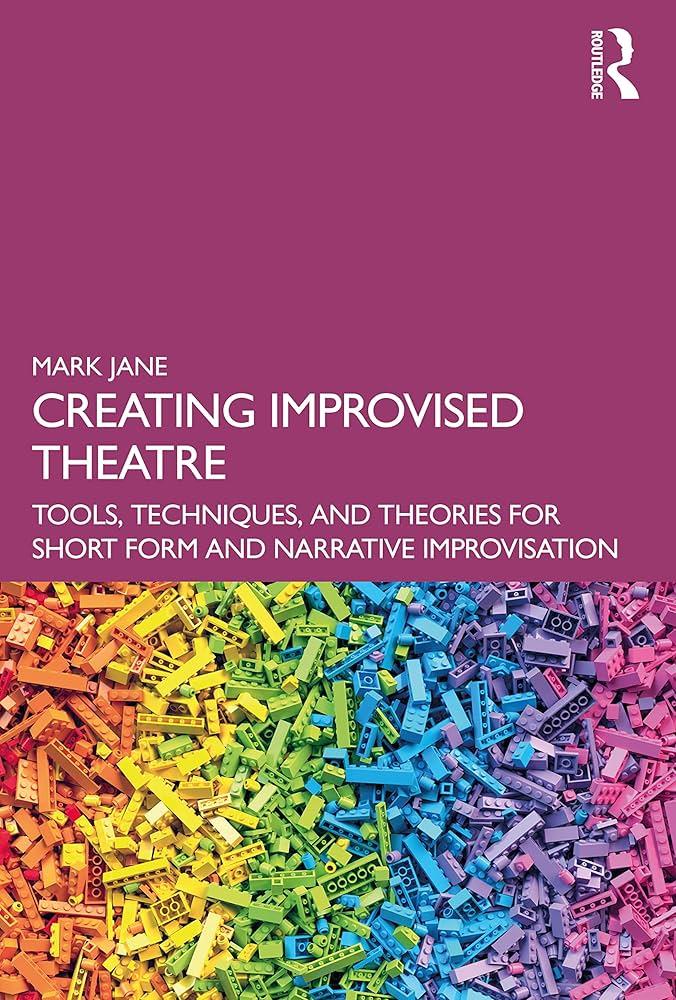
Creating Improvised Theatre
Tools, Techniques, and Theories
Mark Jane
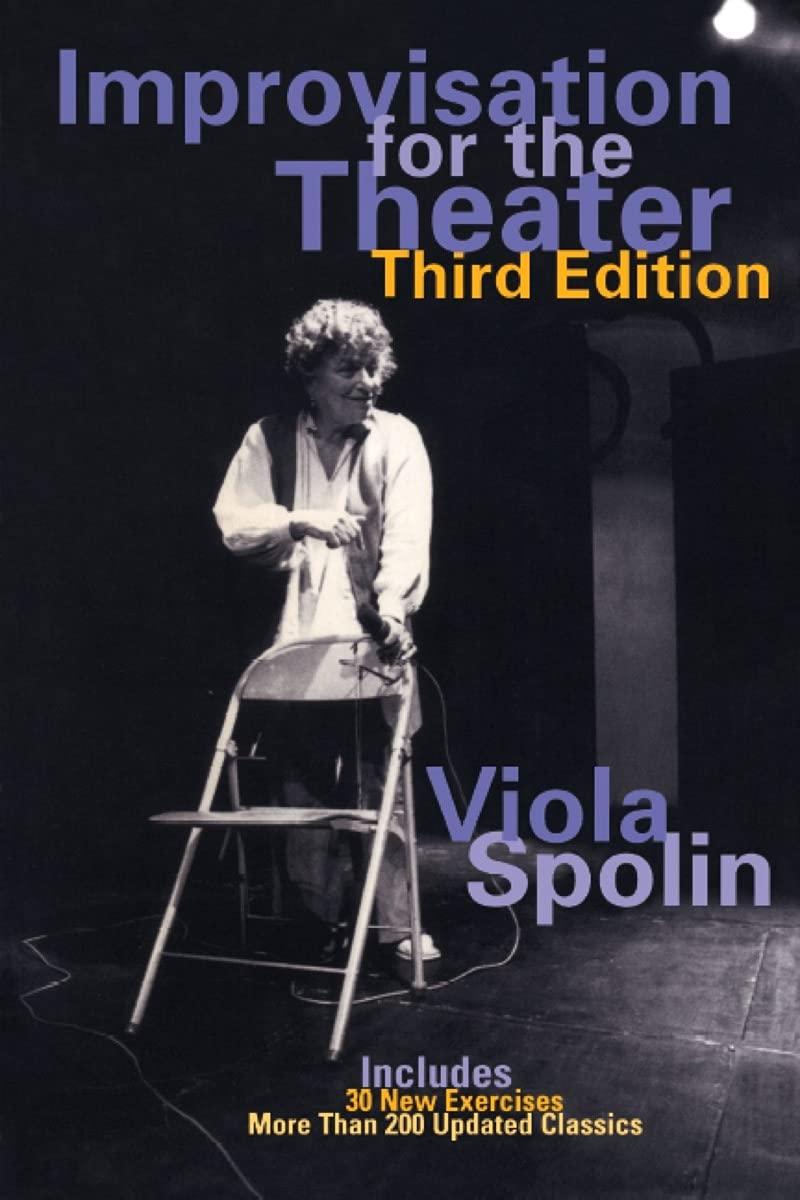
Improvisation for the Theater
A Handbook of Teaching and Directing Techniques
Viola Spolin

Impro
Improvisation and the Theatre
Keith Johnstone

Long Form Improvisation and American Comedy
The Harold
Matt Fotis

Improve
How I Discovered Improv Comedy and Conquered Social Anxiety
Alex Graudins
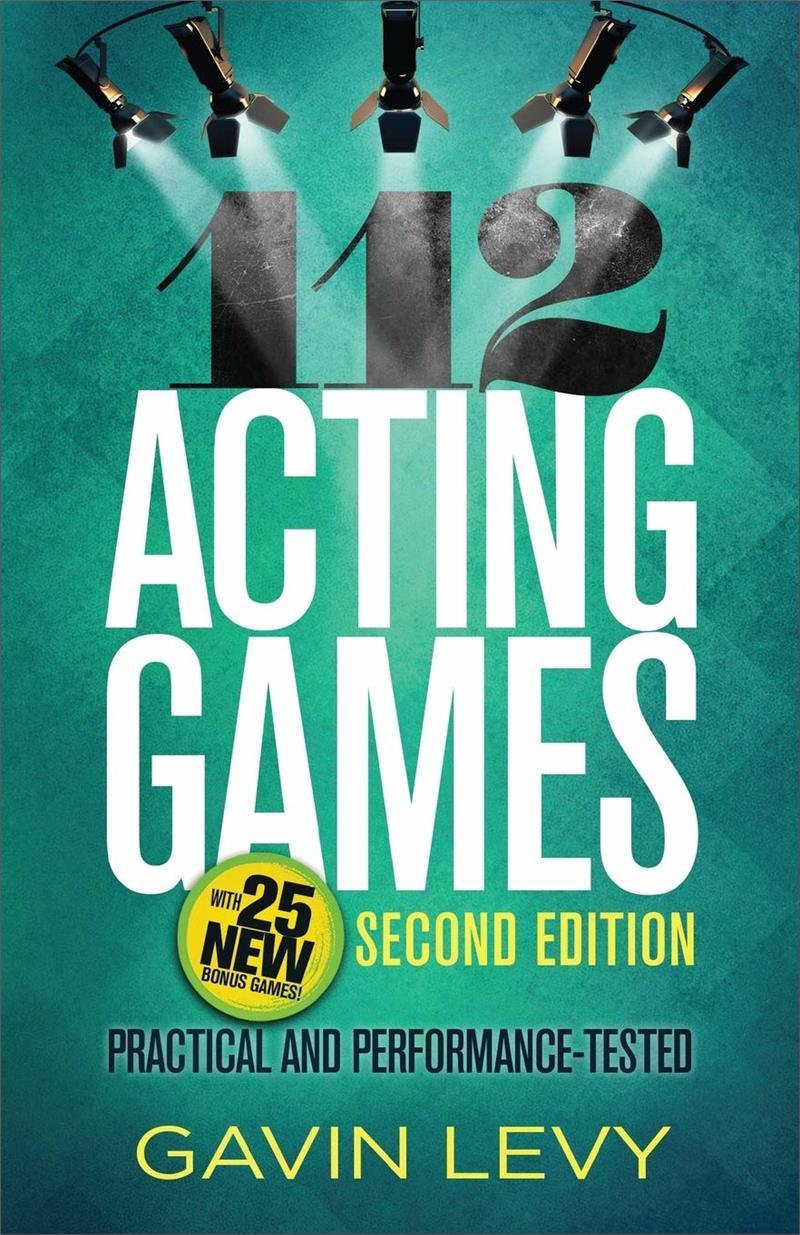
112 Acting Games
Gavin Levy
Related Exercises
Love You
Love You is a scene exercise in which performers practice expressing love in all its forms: romantic, familial, platonic, competitive, reluctant, and unexpected. The exercise builds emotional courage and the ability to play genuine affection onstage without ironic distance. Most improv defaults to conflict, sarcasm, or comedic hostility because these emotions feel safer to perform. Love You confronts this tendency directly, requiring performers to invest scenes with authentic warmth, vulnerability, and care. The exercise develops the emotional range that produces the most affecting and memorable scene work.
I Love You, I Hate You
I Love You, I Hate You is an emotional range exercise in which performers rapidly alternate between expressing love and hatred toward the same person or object. The exercise builds emotional agility, the ability to shift between extreme states without losing commitment, and the physical experience of how quickly emotional reality can transform. It demonstrates that emotional truth in performance is not about feeling -- it is about full physical and vocal commitment to the declared state.
Hello
Hello is a simple greeting exercise in which players practice making contact through the single word "hello," varying their delivery to express different emotions, characters, and relationships. The exercise demonstrates the range of meaning a single word can carry. It builds vocal variety and the ability to communicate intention through tone.
It’s Tuesday
This exercise, attributed to Keith Johnstone, trains the skill of overaccepting: treating any mundane statement as if it carries enormous emotional significance. A simple declaration about the day of the week becomes the catalyst for an entire scene when performers invest it with meaning through their reactions. The exercise demonstrates that the emotional weight of any line depends entirely on how the performers receive it and that ordinary language can generate extraordinary scenes when played with full commitment.
Paraphrase
Paraphrase is a partnered exercise in which each line of dialogue must first reiterate the essence of the scene partner's previous statement before adding new information. The reiteration functions as a literal version of "yes" and the new information serves as the "and." The exercise trains active listening by making it structurally impossible to ignore what a partner has just said, and it reveals how much richer scenes become when performers genuinely hear and acknowledge each other's contributions.
How to Reference This Page
The Improv Archive. (2026). I Love You. Retrieved September 28, 2026, from https://improvarchive.org/exercises/i-love-you
The Improv Archive. "I Love You." The Improv Archive, 2026. https://improvarchive.org/exercises/i-love-you.
The Improv Archive. "I Love You." The Improv Archive, 2026, https://improvarchive.org/exercises/i-love-you. Accessed September 28, 2026.
The Improv Archive is a systemically maintained repository. The archive itself acts as the corporate author.