In Someone Else's Shoes
In Someone Else's Shoes is an empathy and perspective exercise in which players adopt the viewpoint, physicality, and emotional state of a person very different from themselves. The exercise builds emotional range and challenges performers to step outside their habitual perspective. It develops the empathetic imagination that fuels authentic character work.
Worth Reading
See all books →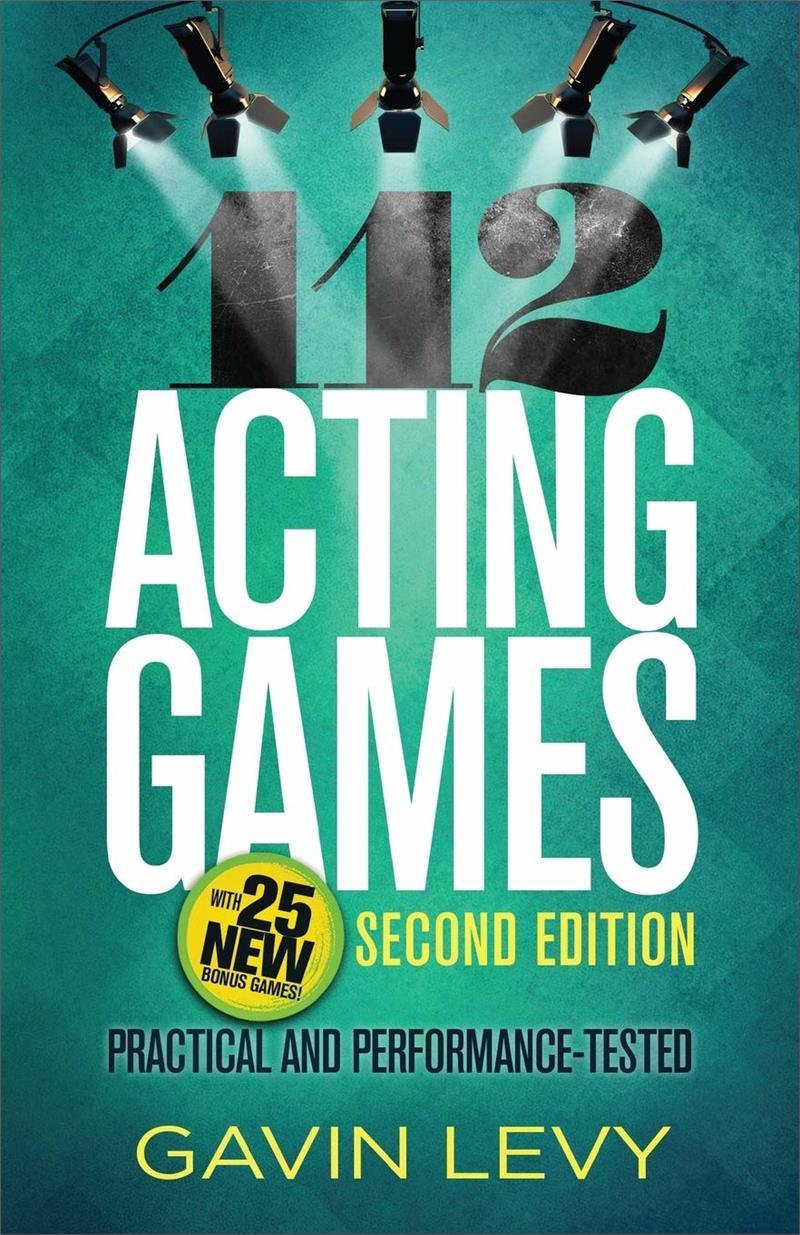
112 Acting Games
Gavin Levy
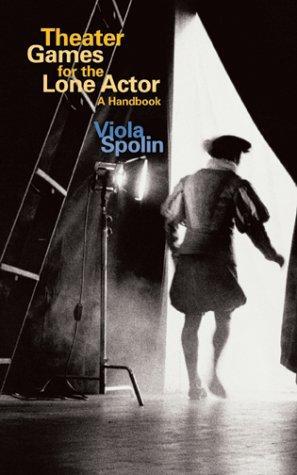
Theater Games for the Lone Actor
Viola Spolin

Something from Nothing
The Technique of Improvisation
Richard Goteri
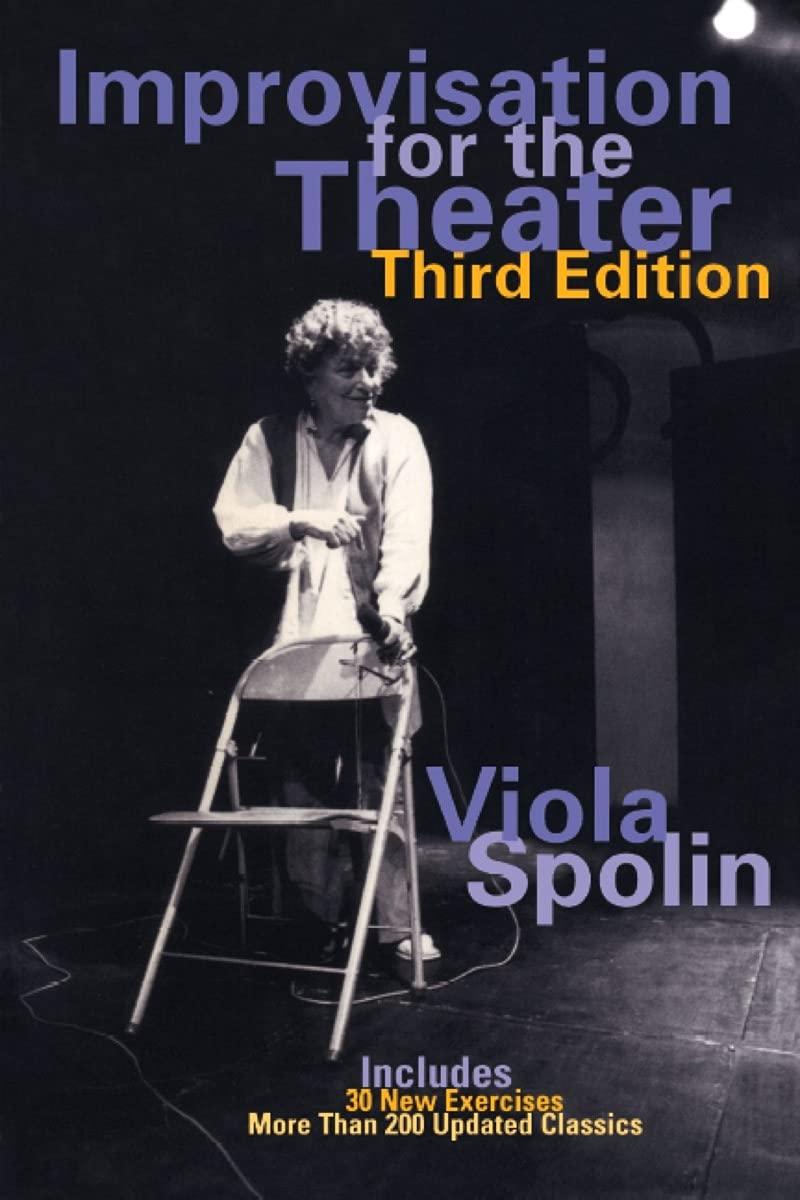
Improvisation for the Theater
A Handbook of Teaching and Directing Techniques
Viola Spolin

The Young Actor's Book of Improvisation
Dramatic Situations
Sandra Caruso; Susan Kosoff

Business Improv
Experiential Learning Exercises to Train Employees
Val Gee
Related Exercises
If This Person Were a Shoe
If This Person Were a Shoe is an observation and creativity exercise in which players study a person and describe them as though they were an object, such as a shoe, a car, or a building. The metaphorical thinking produces surprising insights and builds the associative muscles that drive strong improvised offers.
Emotional Mirror
Emotional Mirror is a mirroring exercise focused on emotional states rather than physical movement. One player establishes an emotion through face, body, and vocal tone; the partner mirrors not the specific gestures but the underlying feeling. The exercise trains emotional empathy and the ability to read and reflect a partner's inner state.
Foot Soldiers
Foot Soldiers is a physicality exercise in which performers focus attention on their feet and how different footwork patterns create distinct characters. Changes in stride, weight, tempo, and contact with the floor transform a player's entire presence. The exercise demonstrates that character begins from the ground up.
Empathy
Empathy is a category of applied improv exercises designed to develop perspective-taking and emotional understanding of others' experiences, viewpoints, and situations. The exercises use improvisational role-play, embodiment, and listening structures to move participants beyond intellectual acknowledgment of another person's experience toward felt, experiential understanding. They are used in organizational, educational, and therapeutic settings to build the capacity for genuine human connection across difference.
Point of View
Point of View is a scene exercise in which players perform or re-perform the same event from the perspective of different characters, revealing how subjective experience shapes what each participant notices, values, and remembers. The exercise trains character consistency, empathy, and the improv principle that every scene contains multiple valid truths simultaneously -- none of which is objectively correct.
Imitate
Imitate is an observation exercise in which players study and reproduce the specific physical mannerisms, vocal patterns, and behavioral habits of another person in the group. The exercise sharpens observational detail and builds the ability to embody external characteristics with precision. Close observation reveals how much personality is communicated through small, habitual movements: the way someone shifts weight, the rhythm of their speech, the angle of their head when listening. Imitate develops the skill set needed for character work grounded in real-world observation rather than invention.
The Lineage
Explore the schools and structures that influenced or evolved from In Someone Else's Shoes.
112 Acting Games (Levy)
How to Reference This Page
The Improv Archive. (2026). In Someone Else's Shoes. Retrieved October 14, 2026, from https://improvarchive.org/exercises/in-someone-elses-shoes
The Improv Archive. "In Someone Else's Shoes." The Improv Archive, 2026. https://improvarchive.org/exercises/in-someone-elses-shoes.
The Improv Archive. "In Someone Else's Shoes." The Improv Archive, 2026, https://improvarchive.org/exercises/in-someone-elses-shoes. Accessed October 14, 2026.
The Improv Archive is a systemically maintained repository. The archive itself acts as the corporate author.