Empathy is a category of applied improv exercises designed to develop perspective-taking and emotional understanding of others' experiences, viewpoints, and situations. The exercises use improvisational role-play, embodiment, and listening structures to move participants beyond intellectual acknowledgment of another person's experience toward felt, experiential understanding. They are used in organizational, educational, and therapeutic settings to build the capacity for genuine human connection across difference.
Structure
Role Reversal Scenes
Participants play scenes in which they inhabit the perspective, role, or viewpoint of a person whose experience is different from their own -- a colleague in a different department, a customer with a different need, a leader facing a different set of pressures. The physical act of speaking and moving from another's position generates understanding that analytical description cannot produce.
Active Listening Pairs
One participant shares a genuine experience while their partner listens without interrupting, advising, or problem-solving. The listener's only task is to reflect back what they heard, in the speaker's own terms. The structure trains the distinction between listening to respond and listening to understand.
Walking in Their Shoes
Participants receive background cards describing a colleague or stakeholder's role, challenges, and goals, then improvise a scene or conversation from inside that perspective. Debrief focuses on what was understood that was not understood before the exercise.
Conclusion
Empathy exercises close with structured debrief that invites participants to name one specific thing they understand now that they did not before the exercise.
How to Teach It
Objectives
Empathy exercises target perspective-taking, the reduction of assumption-based communication, and the development of genuinely other-focused attention. The improv frame makes empathy experiential rather than conceptual -- participants do not discuss empathy, they practice it.
How to Explain It
"Your job is to understand this person from the inside. Not to judge, not to advise -- just to know what it's like to be them. Start from there and see what happens."
Scaffolding
Begin with perspectives that are professionally adjacent -- a colleague's role, a customer's situation -- before moving toward more significant experiential differences. The closer the initial perspective, the more accessible the first round of role work.
Common Pitfalls
Participants sometimes narrate another person's experience from the outside rather than speaking from within it. The coaching note is that empathy in this context is embodied -- not "they probably feel..." but "I feel..." said from inside the role. The shift from third-person description to first-person inhabitation is the core skill the exercise is building.
In Applied Settings
Learning Objectives
In applied settings, empathy exercises address a specific and costly organizational deficit: the inability of individuals and teams to genuinely understand the perspective and experience of colleagues, customers, or partners whose situation differs from their own. This deficit shows up as poor cross-functional collaboration, customer service failures, communication breakdowns in diverse teams, and leadership that is experienced as disconnected from the people it leads. The exercises do not prescribe empathy as a value; they practice it as a skill.
Workplace Transfer
Empathy trained through improv role-play transfers to real situations because it is built from embodied experience rather than conceptual instruction. Participants who have inhabited a customer's frustration interact with actual customers differently. Leaders who have played a direct report navigating unclear expectations give feedback differently. The exercises surface assumptions that analytical work cannot reach, making them particularly valuable in design thinking, customer experience work, and any context where understanding the user or stakeholder experience is essential.
Facilitation Context
Empathy exercises are used in customer experience training, leadership development, team communication programs, and diversity and inclusion work. They are appropriate for groups of 6 to 30 and work best when the group has established basic psychological safety before the more vulnerable role-play elements are introduced.
Debrief Framing
Ask participants: "What did you understand from the inside of that experience that you didn't understand from the outside? What surprised you? What assumption did you carry into the exercise that the exercise changed?"
Skills Developed
Worth Reading
See all books →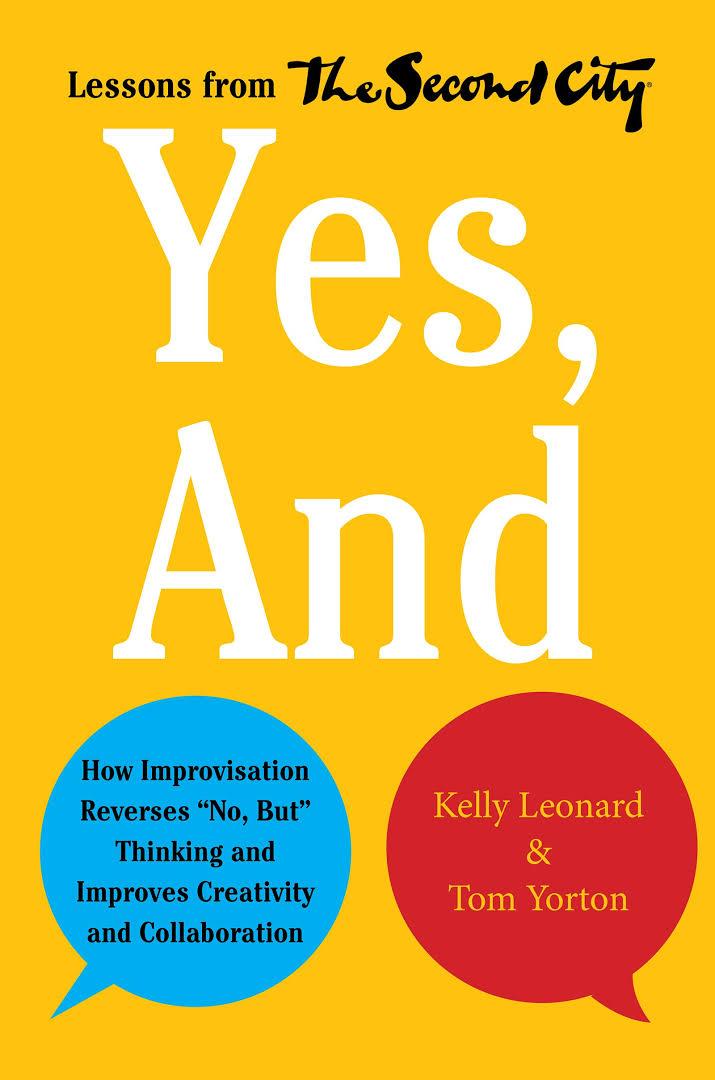
Yes, And
How Improvisation Reverses No, But Thinking and Improves Creativity and Collaboration
Kelly Leonard; Tom Yorton

Business Improv
Experiential Learning Exercises to Train Employees
Val Gee

Comedy and Distinction
The Cultural Currency of a 'Good' Sense of Humour
Sam Friedman

Legislative Theatre
Using Performance to Make Politics
Augusto Boal

The Young Actor's Book of Improvisation
Dramatic Situations
Sandra Caruso; Susan Kosoff
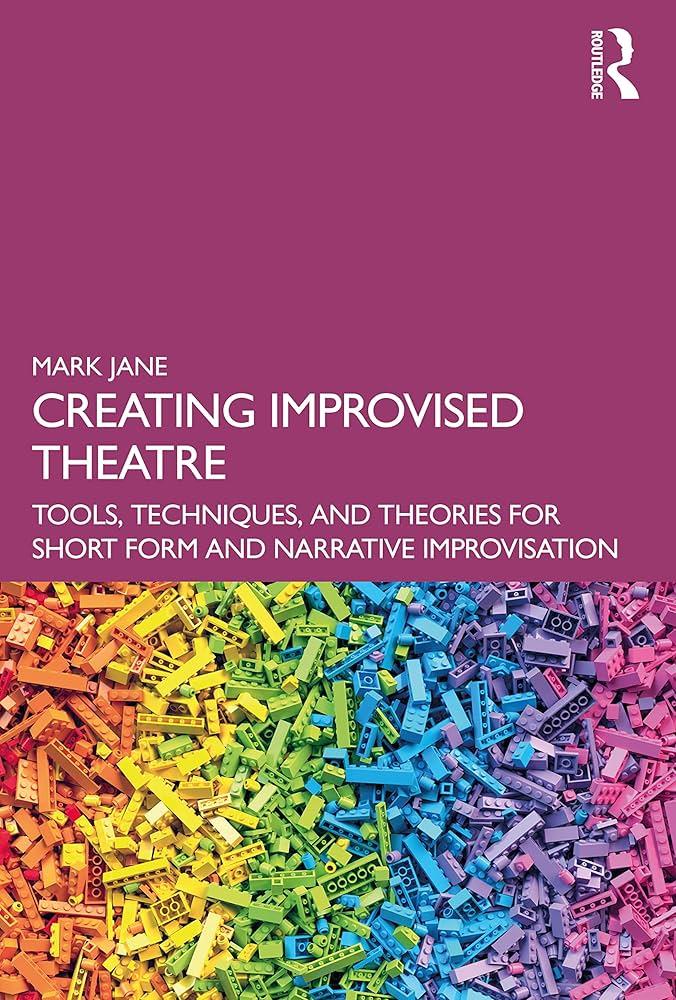
Creating Improvised Theatre
Tools, Techniques, and Theories
Mark Jane
Related Exercises
Empathy and Organizational Awareness
Empathy and Organizational Awareness is a category of applied improv exercises that develops sensitivity to the dynamics, power structures, unwritten rules, and lived experiences of people at different levels and functions within an organization. The exercises use improv role-play, perspective-taking, and scenario simulation to help participants understand the organizational landscape they operate in -- and the experiences of colleagues who navigate it differently.
Open Improv Scenes
Open Improv Scenes is an applied improvisation exercise in which participants perform unscripted scenes drawn from workplace or professional scenarios, using improv principles to navigate realistic situations they encounter in their jobs. Unlike traditional improv scenes that prioritize entertainment, Open Improv Scenes prioritizes transfer -- the scenes serve as behavioral rehearsals for real professional interactions.
Portrait
Portrait is an applied improvisation exercise from The Applied Improvisation Mindset in which one participant poses while others describe what they observe. The exercise develops skills of attention, descriptive precision, and the ability to notice details without projecting assumptions onto another person.
Observe
Observe is an applied improvisation exercise in which participants practice deliberate, sustained observation of their environment, other people, or a group dynamic without intervening, interpreting, or acting. The exercise trains the foundational skill of seeing clearly before responding -- a capacity that underpins effective leadership, facilitation, and collaborative work.
Listen to Learn
Listen to Learn is an applied improv exercise in which participants practice listening with the explicit purpose of gaining new information rather than confirming what they already believe, preparing a rebuttal, or identifying opportunities to speak. The exercise reframes the goal of listening as learning -- arriving at the end of an exchange knowing something that was not known before -- and trains the kind of open, genuinely curious attention that this purpose requires.
Point of View Post-It Notes
Point of View Post-It Notes is a scene exercise in which performers receive sticky notes with written character perspectives, attitudes, or emotional stances that they must embody throughout an improvised scene. The exercise separates point of view from plot, training performers to let a strong perspective drive their choices rather than relying on narrative invention.
The Lineage
Explore the schools and structures that influenced or evolved from Empathy.
Business Improv (Gee & Gee)
How to Reference This Page
The Improv Archive. (2026). Empathy. Retrieved September 28, 2026, from https://improvarchive.org/exercises/empathy
The Improv Archive. "Empathy." The Improv Archive, 2026. https://improvarchive.org/exercises/empathy.
The Improv Archive. "Empathy." The Improv Archive, 2026, https://improvarchive.org/exercises/empathy. Accessed September 28, 2026.
The Improv Archive is a systemically maintained repository. The archive itself acts as the corporate author.