Je Taadore Language
Je T'adore Language is a vocal exercise in which players communicate using the sounds and rhythms of foreign languages, real or invented, while relying on tone, gesture, and expression to convey meaning. The exercise frees performers from the constraints of English and opens up new vocal and physical possibilities. It builds confidence in communicating beyond words.
Worth Reading
See all books →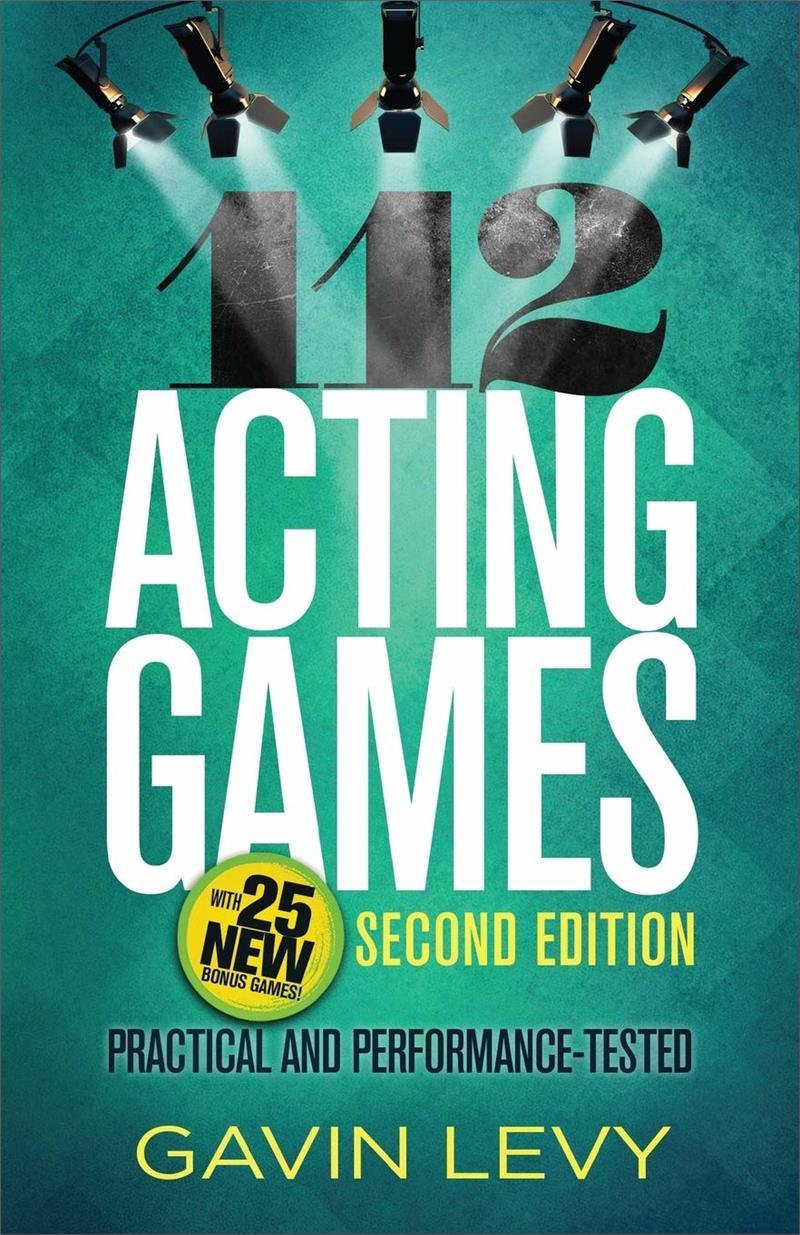
112 Acting Games
Gavin Levy

Semiotics and Pragmatics of Stage Improvisation
Domenico Pietropaolo; Paul Bouissac

Improvised Theatre and the Autism Spectrum
A Practical Guide
Gary Kramer; Richie Ploesch

Action Theater
The Improvisation of Presence
Ruth Zaporah
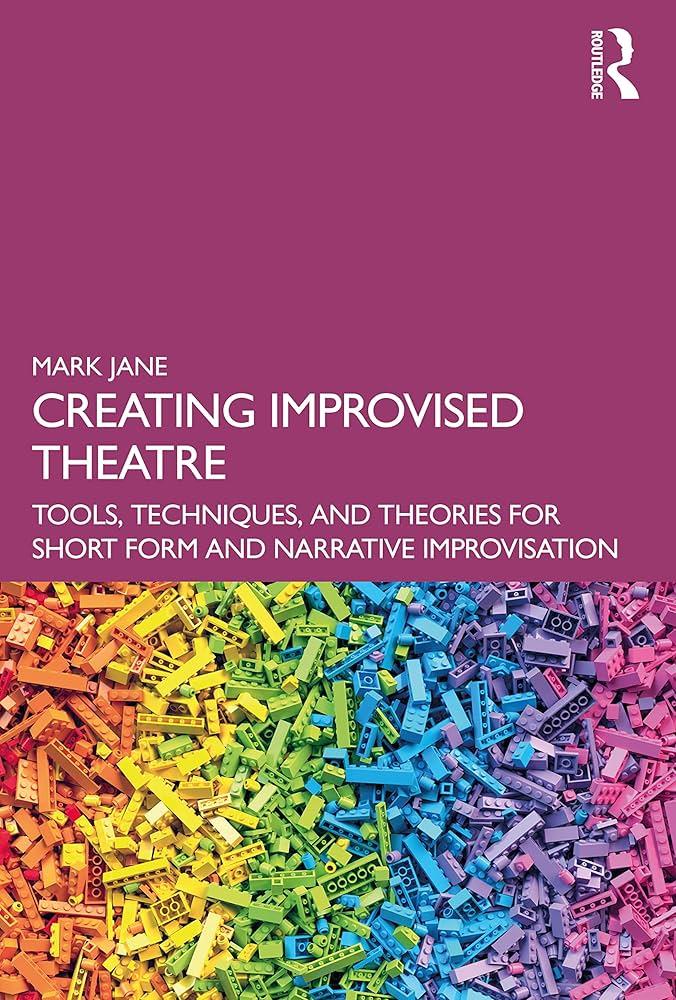
Creating Improvised Theatre
Tools, Techniques, and Theories
Mark Jane

Embodied Playwriting
Improv and Acting Exercises for Writing
Hillary Haft Bucs; Charissa Menefee
Related Exercises
Action Syllables
Action Syllables is an exercise in which players pair a distinct physical movement with each syllable of a word or phrase. The activity connects vocal rhythm to full-body expression and breaks habitual patterns of stillness during speech. It builds awareness of how physicality and language reinforce each other onstage.
Touch to Talk
Touch to Talk is a scene exercise in which performers may only speak while physically touching another player or an object in the environment. The constraint forces players to make physical contact meaningful and teaches the connection between physical engagement and verbal expression.
Gibberish Games
Gibberish Games is an applied exercise in which two participants hold a conversation entirely in made-up, invented language -- gibberish -- while a third person translates for the rest of the group. The exercise trains attention to nonverbal cues: tone, rhythm, gesture, facial expression, and physical presence carry the meaning that words normally would. Participants learn to read and respond to a speaker's full communicative body rather than filtering attention through vocabulary alone.
Move and Speak
Move and Speak is an exercise exploring the relationship between physical movement and dialogue. Players alternate between moving without speaking and speaking without moving, learning to separate and then integrate the two channels. The exercise reveals how movement informs vocal delivery and helps performers make more deliberate choices about when to let their bodies lead.
Hello
Hello is a simple greeting exercise in which players practice making contact through the single word "hello," varying their delivery to express different emotions, characters, and relationships. The exercise demonstrates the range of meaning a single word can carry. It builds vocal variety and the ability to communicate intention through tone.
Mantra
Mantra is a vocal and mental exercise in which performers select and repeat a single word or short phrase, gradually shifting its rhythm, volume, pitch, and emotional intensity. The repetition strips away self-consciousness and helps players discover how meaning transforms through delivery alone. The same word spoken softly becomes a prayer; spoken forcefully becomes a command; spoken rapidly becomes a plea. Mantra prepares performers for emotionally committed scene work by building comfort with vocal extremes and sustained focus. The exercise draws on meditation practices adapted for theatrical training.
The Lineage
Explore the schools and structures that influenced or evolved from Je Taadore Language.
112 Acting Games (Levy)
How to Reference This Page
The Improv Archive. (2026). Je Taadore Language. Retrieved September 29, 2026, from https://improvarchive.org/exercises/je-taadore-language
The Improv Archive. "Je Taadore Language." The Improv Archive, 2026. https://improvarchive.org/exercises/je-taadore-language.
The Improv Archive. "Je Taadore Language." The Improv Archive, 2026, https://improvarchive.org/exercises/je-taadore-language. Accessed September 29, 2026.
The Improv Archive is a systemically maintained repository. The archive itself acts as the corporate author.