Action Syllables
Action Syllables is an exercise in which players pair a distinct physical movement with each syllable of a word or phrase. The activity connects vocal rhythm to full-body expression and breaks habitual patterns of stillness during speech. It builds awareness of how physicality and language reinforce each other onstage.
Structure
Setup
- Players stand with enough space to move freely.
- Each player chooses a short word or phrase (or receives one from the facilitator).
- Players assign a distinct physical movement to each syllable of their word.
Building the Action-Syllable Pair
- The word is broken into syllables.
- Each syllable receives a specific, committed physical gesture or movement.
- The movements should be distinct from each other and clearly visible.
- Players practice the word repeatedly, combining the syllables and movements into a unified sequence.
Group Application
- The group can practice everyone's word together, creating a choreographed ensemble section.
- The facilitator calls a player's word and that player performs their sequence while the group echoes.
- Words can be performed in sequence to create a longer composite movement.
What It Trains
- The connection between vocal rhythm and physical expression.
- Full-body engagement with language.
- Breaking the habit of stillness during speech.
Variations
- Players create action-syllable pairs for lines of text from a scripted scene.
- The exercise is used with a line from an improvised scene that just ended, creating movement from the scene's language.
How to Teach It
How to Explain It
"Break your word into syllables. Give each syllable its own movement. They don't have to make sense. They just have to be distinct. Then say the whole word while doing all the movements. Say it again. Say it faster."
Common Notes
- The movements should be committed enough to be visible. Small, tentative movements do not break the habit of stillness during speech.
- Speed is a variable. Running the word slowly builds awareness; running it fast integrates the habit.
- Players who struggle to assign distinct movements to each syllable should be coached to choose physical extremes: one gesture fully up, the next fully out, the next fully down.
Common Pitfalls
- Players assign similar movements to adjacent syllables, making the sequence a single movement rather than a series.
- Players speak the word without the movements or move without speaking, separating the elements the exercise is meant to unite.
- The exercise becomes a performance piece rather than a training drill. The goal is integration, not entertainment.
Worth Reading
See all books →
Action Theater
The Improvisation of Presence
Ruth Zaporah

Embodied Playwriting
Improv and Acting Exercises for Writing
Hillary Haft Bucs; Charissa Menefee
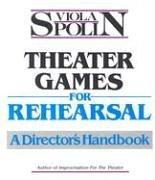
Theater Games for Rehearsal
Viola Spolin
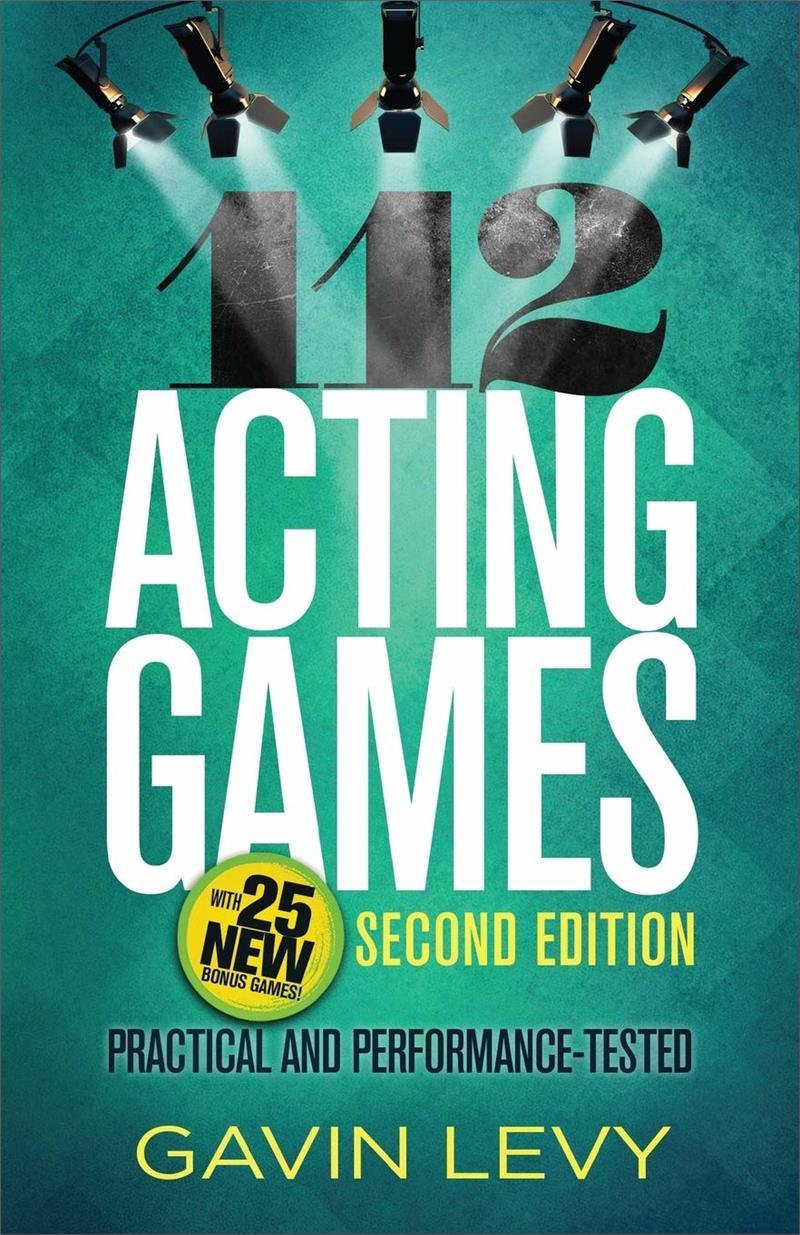
112 Acting Games
Gavin Levy
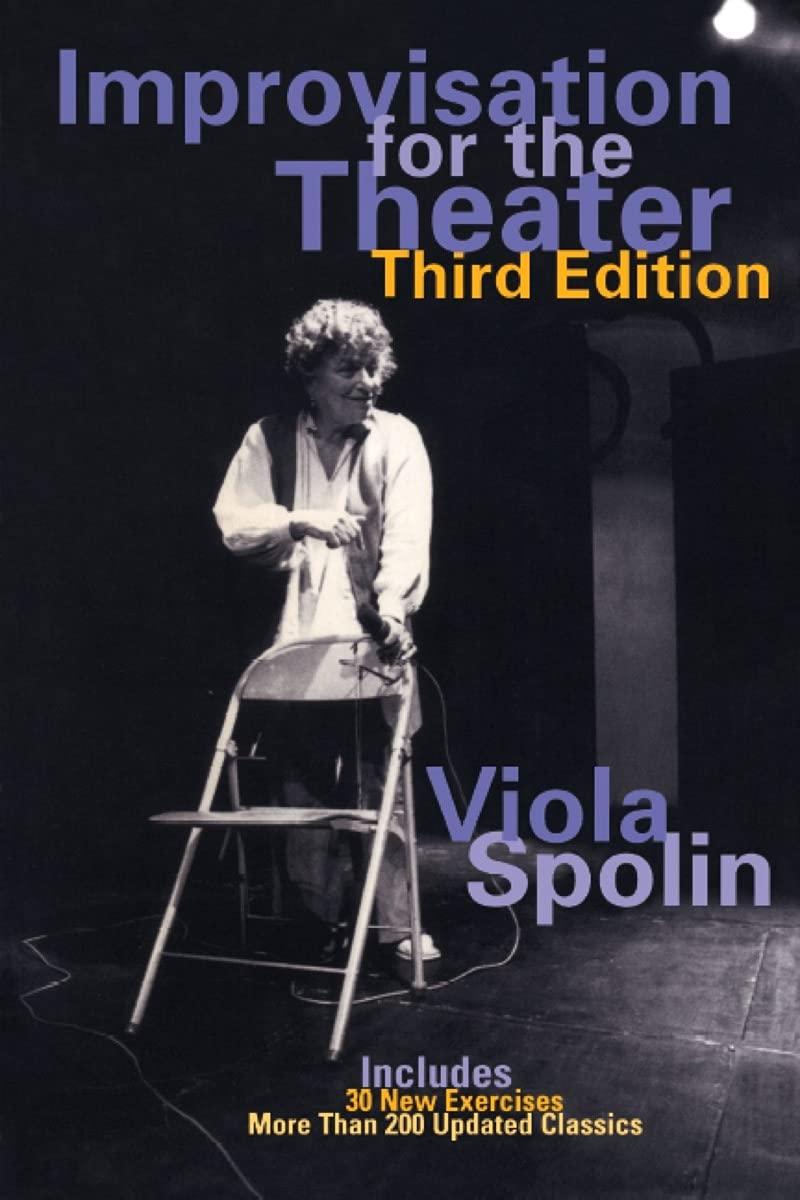
Improvisation for the Theater
A Handbook of Teaching and Directing Techniques
Viola Spolin
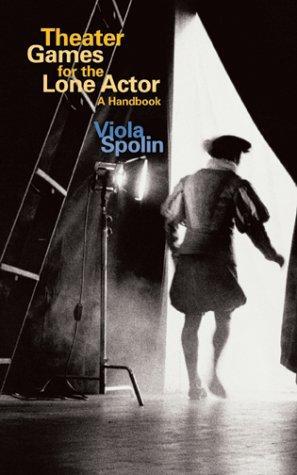
Theater Games for the Lone Actor
Viola Spolin
Related Exercises
Action Whisper
Action Whisper is a physical telephone exercise in which players stand in a line and pass a performed action from one end to the other without speaking. Each player watches only the person before them and then recreates what they saw for the next person. Distortions accumulate along the chain, showing how physical information transforms through observation alone.
Mantra
Mantra is a vocal and mental exercise in which performers select and repeat a single word or short phrase, gradually shifting its rhythm, volume, pitch, and emotional intensity. The repetition strips away self-consciousness and helps players discover how meaning transforms through delivery alone. The same word spoken softly becomes a prayer; spoken forcefully becomes a command; spoken rapidly becomes a plea. Mantra prepares performers for emotionally committed scene work by building comfort with vocal extremes and sustained focus. The exercise draws on meditation practices adapted for theatrical training.
Action and Entrance
Action and Entrance is an exercise in which a player enters the scene space performing a specific physical activity that establishes character and context before any dialogue begins. The emphasis on physical initiation teaches performers that action communicates faster than words. It reinforces the principle of entering a scene with a strong, clear choice.
Breathing
Breathing is a foundational warm-up exercise in which performers practice controlled inhalation and exhalation to release physical tension, quiet mental chatter, and center their focus before rehearsal or performance. Variations include diaphragmatic breathing, counted breath patterns, and synchronized group breathing in which an ensemble inhales and exhales together. The exercise builds awareness of the body as an instrument, training performers to recognize and release habitual tension patterns that restrict vocal production, physical freedom, and emotional availability. Breathing exercises appear across virtually every performance training tradition, from Viola Spolin's theatre games to Augusto Boal's actor preparation sequences, and remain one of the most universally practiced warm-up activities in both theatrical and applied improvisation contexts.
Chat Then Add an Activity
Chat Then Add an Activity is an exercise in which two players begin a conversation, then layer in a physical activity without letting the dialogue falter. The dual task trains the ability to maintain verbal engagement while committing to physical action. It builds the multitasking skills essential to naturalistic scene work.
Association Jump
Association Jump is a variation on word association in which players physically move or jump to a new position in the space each time they offer a new word. The physical action reinforces the mental leap between ideas and keeps energy high. The exercise connects verbal spontaneity with full-body commitment.
How to Reference This Page
The Improv Archive. (2026). Action Syllables. Retrieved September 28, 2026, from https://improvarchive.org/exercises/action-syllables
The Improv Archive. "Action Syllables." The Improv Archive, 2026. https://improvarchive.org/exercises/action-syllables.
The Improv Archive. "Action Syllables." The Improv Archive, 2026, https://improvarchive.org/exercises/action-syllables. Accessed September 28, 2026.
The Improv Archive is a systemically maintained repository. The archive itself acts as the corporate author.