King Lizard
King Lizard is a physical status and transformation exercise in which participants alternate between embodying two extreme physical archetypes -- the king, characterized by elevated posture, expanded presence, and unhurried ease, and the lizard, characterized by a low center of gravity, darting speed, and close-to-the-ground alertness. The exercise uses the contrast between these two physical states to develop performers' range of physicalized status and presence.
Structure
Setup
Participants spread throughout the space. The facilitator introduces the two physical states and demonstrates each: the king moves with slow, deliberate authority and carries maximum physical space; the lizard moves with quick, responsive energy close to the floor.
Progression
Participants explore each state separately at the facilitator's direction, moving through the space while inhabiting the physical qualities of one archetype at a time.
The facilitator then calls alternating transitions between king and lizard, progressively shortening the transition time. Participants must switch their entire physical register -- posture, pace, breath, and gaze -- on the call.
Conclusion
The exercise concludes when participants can move fluidly and fully between both states on a single word of direction, demonstrating genuine physical commitment to each extreme.
How to Teach It
Objectives
King Lizard develops physical range, specificity of status embodiment, and the ability to make rapid full-body physical transformations. It builds the muscle for holding contrasting physical states with genuine commitment rather than surface gesture.
How to Explain It
"The king doesn't hurry. The king owns the room and lets the room come to them. The lizard is the opposite -- quick, low, reactive, always scanning. When I call the switch, change everything: your height, your speed, your gaze, your breath. Not just your posture -- everything."
Scaffolding
Allow extended time in each state before calling transitions. Give participants specific physical checkpoints to anchor each archetype -- for the king, the crown of the head and the slowness of the feet; for the lizard, the low pelvis and the speed of the eyes.
Common Pitfalls
Participants often achieve the posture of one state while retaining the pace and energy of the other. A king who walks quickly or a lizard who stands tall loses the coherence of the archetype. Coach participants to make the transition a full-body reset, starting from the center of gravity and radiating outward.
Worth Reading
See all books →
Action Theater
The Improvisation of Presence
Ruth Zaporah

The Improv Illusionist
Using Object Work, Environment, and Physicality in Performance
David Raitt

Embodied Playwriting
Improv and Acting Exercises for Writing
Hillary Haft Bucs; Charissa Menefee

Improvisation On the Edge
Notes from On and Off Stage
Ruth Zaporah
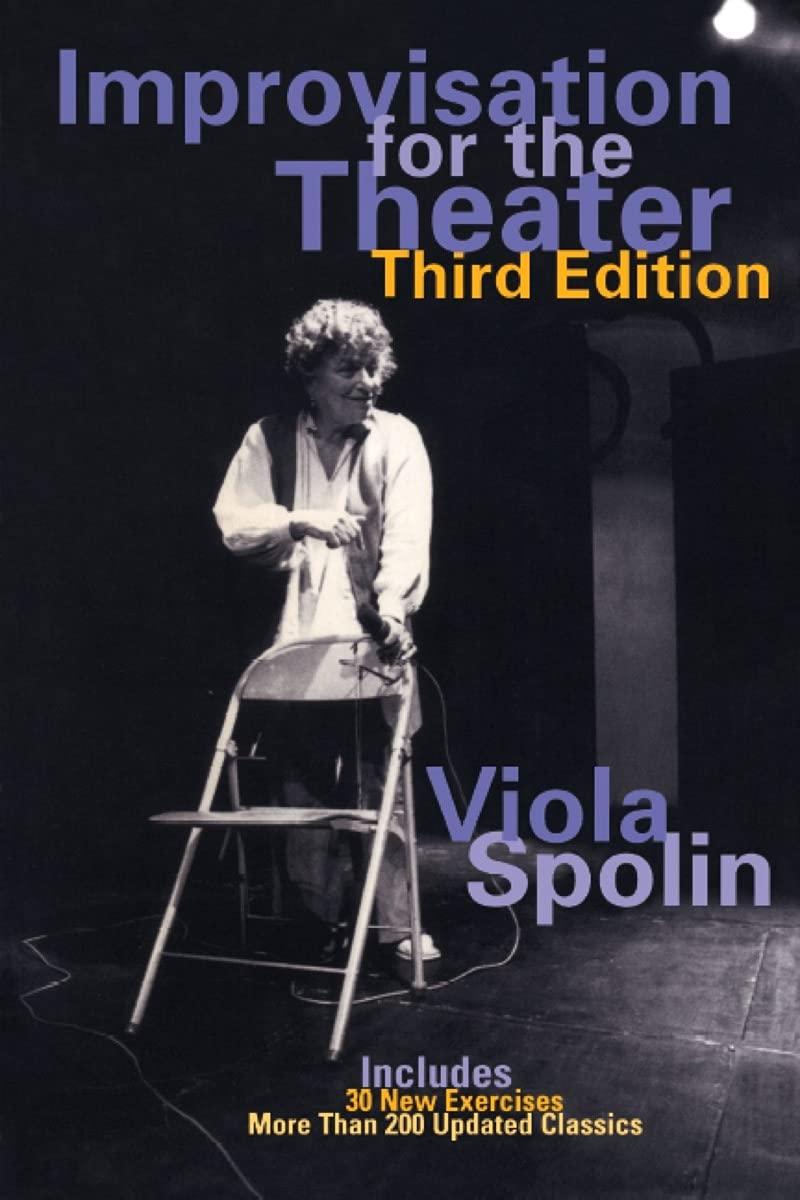
Improvisation for the Theater
A Handbook of Teaching and Directing Techniques
Viola Spolin

The 5 Elements of Improv
How to Take Your Improv to the Next Level
Andrew M. Spragge; Karen L. Eichler
Related Exercises
King and Queen
King and Queen is a status and role-play exercise in which two players adopt the roles of royalty while others serve as courtiers, guards, servants, or subjects. The exercise explores how authority affects behavior on both sides of a power dynamic. The royals must communicate through the physicality of power (posture, gesture, gaze) while the subjects must navigate the constraints of deference. The exercise builds awareness of status play and its effects on physicality, voice, spatial relationships, and interpersonal dynamics.
Honkasaurus Rex
Honkasaurus Rex is an energetic warm-up exercise in which players adopt the persona of a loud, honking dinosaur and move through the space interacting with each other through dinosaur sounds and physicality. The exercise releases inhibition through committed absurdity, builds group energy, and establishes a norm of full physical and vocal participation at the start of a session.
Status Walk
Status Walk is a physical exploration exercise in which half the group embodies high-status physicality while the other half embodies low-status physicality, then switches. Participants walk through the space experiencing how posture, eye contact, and movement patterns communicate social position.
Janus Dance
Janus Dance is a physical awareness and space exercise named for the two-faced Roman god of transitions, in which participants move through the space while maintaining simultaneous awareness of what lies in front of them and behind them. The exercise trains the expanded spatial attention that performers need when navigating a stage populated by multiple scene partners, objects, and audience sightlines.
Animals
Animals is a physical transformation exercise in which players move through the space embodying different animals called out by a facilitator or chosen by the participants. Each new animal demands a complete shift in physicality, tempo, weight, rhythm, and energy. Players explore how different creatures occupy space, move, breathe, and interact, using the animal as a gateway to expanded physical vocabulary and heightened commitment to transformation. The exercise appears across multiple performance traditions, from Augusto Boal's Games for Actors and Non-Actors to Seraphin Eldredge's mask improvisation work, and is a foundational component of both actor training and improv pedagogy. Animals develops range of physical expression, spatial awareness, and the ability to commit fully to a physical choice without self-consciousness.
Mimic
Mimic is an exercise in which one player closely copies the movements, vocal patterns, or behavior of another. The imitating player must observe precisely and reproduce physical details without exaggeration or commentary. The exercise sharpens observation skills and teaches performers how closely physical behavior communicates character.
How to Reference This Page
The Improv Archive. (2026). King Lizard. Retrieved September 28, 2026, from https://improvarchive.org/exercises/king-lizard
The Improv Archive. "King Lizard." The Improv Archive, 2026. https://improvarchive.org/exercises/king-lizard.
The Improv Archive. "King Lizard." The Improv Archive, 2026, https://improvarchive.org/exercises/king-lizard. Accessed September 28, 2026.
The Improv Archive is a systemically maintained repository. The archive itself acts as the corporate author.