Look I Have A
Look, I Have A is an applied improv object work and presentation exercise in which participants introduce an imaginary or real object to the group and build a brief scene, narrative, or explanation around it. The exercise trains the ability to commit to an invented premise, communicate enthusiasm for a specific thing, and draw a group's attention and investment through the act of genuine discovery rather than performed excitement.
Structure
Setup
Participants stand or sit in a circle. The facilitator explains that each participant will introduce an object -- imaginary or real -- to the group by picking it up, holding it, and sharing what it is and why it matters, in that moment of discovery.
Progression
Each participant picks up their object (real or mimed), holds it as if encountering it for the first time or returning to something deeply familiar, and says: "Look, I have a --" completing the sentence with the name of the object. They then spend thirty seconds to two minutes sharing what the object is, what it does, what it means, or what they are going to do with it.
The object can be mundane or unusual, real or invented. The exercise values genuine physical engagement with the object and authentic investment in the discovery over novelty or comedy.
Conclusion
After all participants have introduced their object, the facilitator debriefs the group on what created genuine connection and investment during each introduction.
How to Teach It
Objectives
Look, I Have A trains physical specificity in object work and the ability to invest an audience in a specific thing through genuine attention and discovery. It builds the improv skill of making the ordinary interesting through committed engagement.
How to Explain It
"Pick up something real or imagined and make us care about it. Not by telling us it's amazing -- by actually caring about it yourself. We care about what you genuinely care about. Find your real investment in this object, whatever it is."
Scaffolding
Begin with tangible, specific real objects before introducing fully imaginary ones. The physical act of holding something real anchors the exercise and makes it accessible to participants who find pure pantomime abstract.
Common Pitfalls
Participants often perform enthusiasm for the object rather than finding genuine curiosity or investment. The exercise loses its effect when the object becomes a vehicle for a joke or a performed routine. Coach participants to slow down and attend to the object physically before beginning to speak.
In Applied Settings
Learning Objectives
Look, I Have A trains the ability to communicate genuine investment in a specific thing and to draw an audience's attention and care through the quality of personal engagement rather than through performed enthusiasm. The exercise develops the presentational skill of making a specific item or idea matter to listeners by demonstrating that it matters to the speaker in a way that is real and observable, not declared.
Workplace Transfer
In professional settings, presentations, pitches, and product demonstrations often suffer from the same problem the exercise is designed to address: the presenter is enthusiastic in a performed, declarative way -- "this is exciting," "this is important" -- rather than in a way that allows the audience to see and feel the enthusiasm from inside the presenter's relationship to the material. Look, I Have A trains the habit of genuine engagement with specific content, which transfers directly to product demos, client presentations, team briefings, and any context where a presenter is trying to transfer investment in an idea or artifact to an audience.
Facilitation Context
The exercise is used in presentation skills training, sales training, leadership communication workshops, and creativity sessions. It works well as a low-stakes, playful warm-up before sessions that will require participants to present or pitch. Groups of any size can participate in a circle format.
Debrief Framing
After the exercise, ask: What made some introductions more engaging than others? Was it the object, or the presenter's relationship to it? Where in your professional communication do you need to transfer genuine investment in something to an audience? What would it mean to approach those moments with the quality of attention this exercise asks for?
Skills Developed
Worth Reading
See all books →
The Improv Illusionist
Using Object Work, Environment, and Physicality in Performance
David Raitt
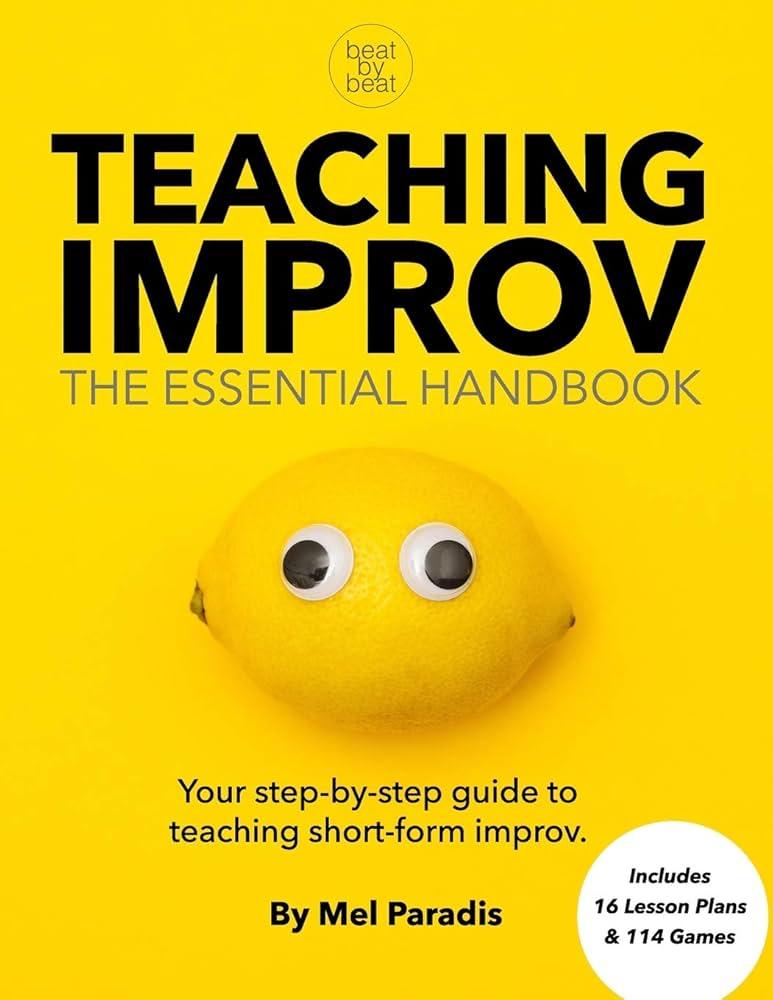
Teaching Improv
The Essential Handbook
Mel Paradis

Theatrical Improvisation, Consciousness, and Cognition
Clayton D. Drinko
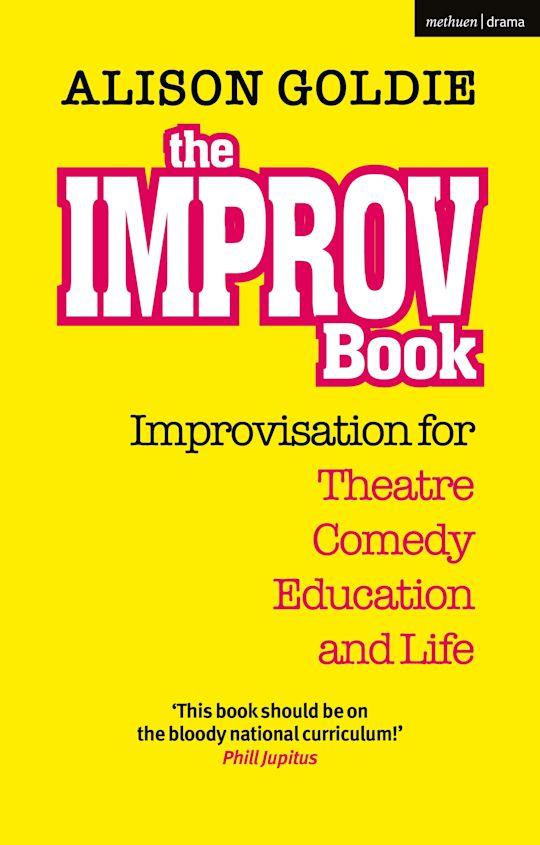
The Improv Book
Improvisation for Theatre, Comedy, Education, and Life
Alison Goldie

Improvising Now
A Practical Guide to Modern Improv
Rob Norman
Improv Show
Virginia Loh-Hagan
Related Exercises
Learn to Be Looked At
Learn to Be Looked At is an applied improv exercise in which participants practice being the subject of others' attention without deflecting, performing, or withdrawing. The exercise addresses the discomfort most people feel when held in a sustained gaze and trains the capacity to remain present, open, and grounded while being observed -- a foundational skill for anyone who presents, leads, or regularly holds attention in professional or public settings.
New Object Name and Application
New Object Name and Application is an applied improvisation exercise in which participants are given an ordinary everyday object, assign it a completely new name, and then pitch a convincing use case for it under its new identity. The exercise trains spontaneous creative reframing, confident presentation under uncertainty, and the ability to find value in unexpected contexts.
Portrait
Portrait is an applied improvisation exercise from The Applied Improvisation Mindset in which one participant poses while others describe what they observe. The exercise develops skills of attention, descriptive precision, and the ability to notice details without projecting assumptions onto another person.
Observe
Observe is an applied improvisation exercise in which participants practice deliberate, sustained observation of their environment, other people, or a group dynamic without intervening, interpreting, or acting. The exercise trains the foundational skill of seeing clearly before responding -- a capacity that underpins effective leadership, facilitation, and collaborative work.
Objects
Objects is an ensemble exercise and short-form game in which players use their bodies to form the physical shape of an audience-suggested object. Players enter one at a time, each adding themselves to the growing sculpture until the group collectively represents the object in physical space. The exercise builds spontaneous physicality, spatial awareness, and the ensemble skill of offering and accepting physical contributions without verbal negotiation.
Object Circle
Object Circle is a warm-up exercise in which participants stand in a circle and pass physical or mimed objects to each other, transforming each object through imagination as it travels. One participant sends an object with a specific size, weight, and character; the next participant receives it, uses it briefly, then transforms it into something new before passing it on. The exercise develops physical specificity, collaborative imagination, and the habit of accepting and building on what a partner offers.
The Lineage
Explore the schools and structures that influenced or evolved from Look I Have A.
Brain Disruption (Montgomery & Montgomery)
How to Reference This Page
The Improv Archive. (2026). Look I Have A. Retrieved September 28, 2026, from https://improvarchive.org/exercises/look-i-have-a
The Improv Archive. "Look I Have A." The Improv Archive, 2026. https://improvarchive.org/exercises/look-i-have-a.
The Improv Archive. "Look I Have A." The Improv Archive, 2026, https://improvarchive.org/exercises/look-i-have-a. Accessed September 28, 2026.
The Improv Archive is a systemically maintained repository. The archive itself acts as the corporate author.