Low
Low is a status exercise in which performers practice playing the lowest-status character in a scene. The exercise trains the physicality of submission, deference, and self-deprecation. It builds awareness of how low status communicates through body language and vocal patterns, complementing high-status exercises.
Structure
Setup
- One player is assigned the lowest status position in a scene.
- Other players may play neutral, high, or varied status.
- An audience suggestion or a director's assignment establishes the scene.
Low Status Physicality
- Low status manifests in physical specifics: eyes that do not hold contact for long, a chest that collapses slightly inward, feet turned inward or placed close together, a tendency to reduce physical space.
- The voice tends to rise at the end of statements, turning them into questions. Volume may drop when uncertain.
- Gestures become smaller and more self-directed.
- The low status player tends to wait for permission, explicitly or implicitly, before acting.
How It Works in a Scene
- The low status player interacts with others from a position of genuine inferiority: they make themselves smaller, defer more readily, take up less space.
- The scene reveals the social mechanics of status without being about status explicitly.
- The exercise produces specific, grounded scenes because low status behavior is very specific.
Complementary Training
- Low is almost always paired with its opposite: high status training.
- Switching between high and low status within a scene (often on a director's signal) is an advanced variation.
- Awareness of a character's status position in relation to every other character in the scene is the long-term goal.
How to Teach It
How to Explain It
"You are the lowest-status person in this room. Not evil, not stupid, not unimportant. Just lower than everyone else here. Find what that does to your body first. Then find it in how you speak. Then play the scene from there."
Common Notes
- Low status is physical before it is behavioral. Start with the body and the behavior will follow.
- Common confusions: low status is not the same as weakness, sadness, or villainy. A low-status character can be joyful, confident in limited domains, and entirely sympathetic.
- The most valuable insight from the exercise is often how much habitual high-status behavior performers import unconsciously into all their characters.
Common Pitfalls
- The low-status player becomes servile or comedically pathetic. Low status has dignity; it is not self-pity.
- The physical behavior is performed as a label (slouching because low status means slouching) rather than felt as a genuine physical state.
- The exercise is played only once, as a single position, without exploring the range within low status itself: there are many ways to be the lowest-status person in the room.
Worth Reading
See all books →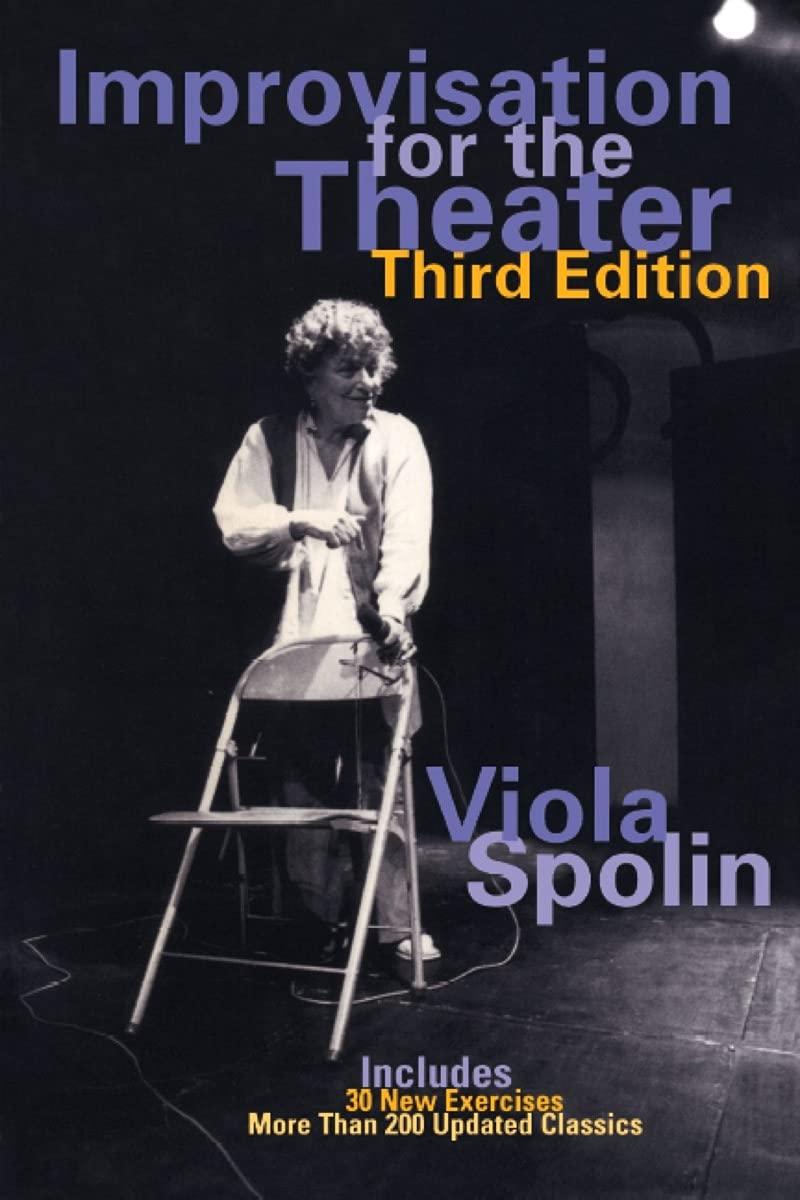
Improvisation for the Theater
A Handbook of Teaching and Directing Techniques
Viola Spolin
Theater Games for Rehearsal
Viola Spolin
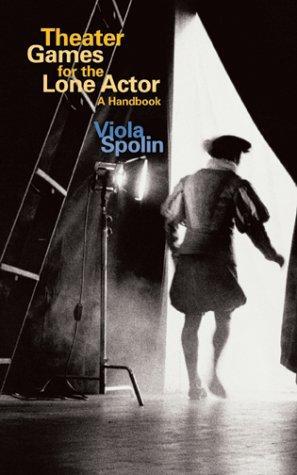
Theater Games for the Lone Actor
Viola Spolin
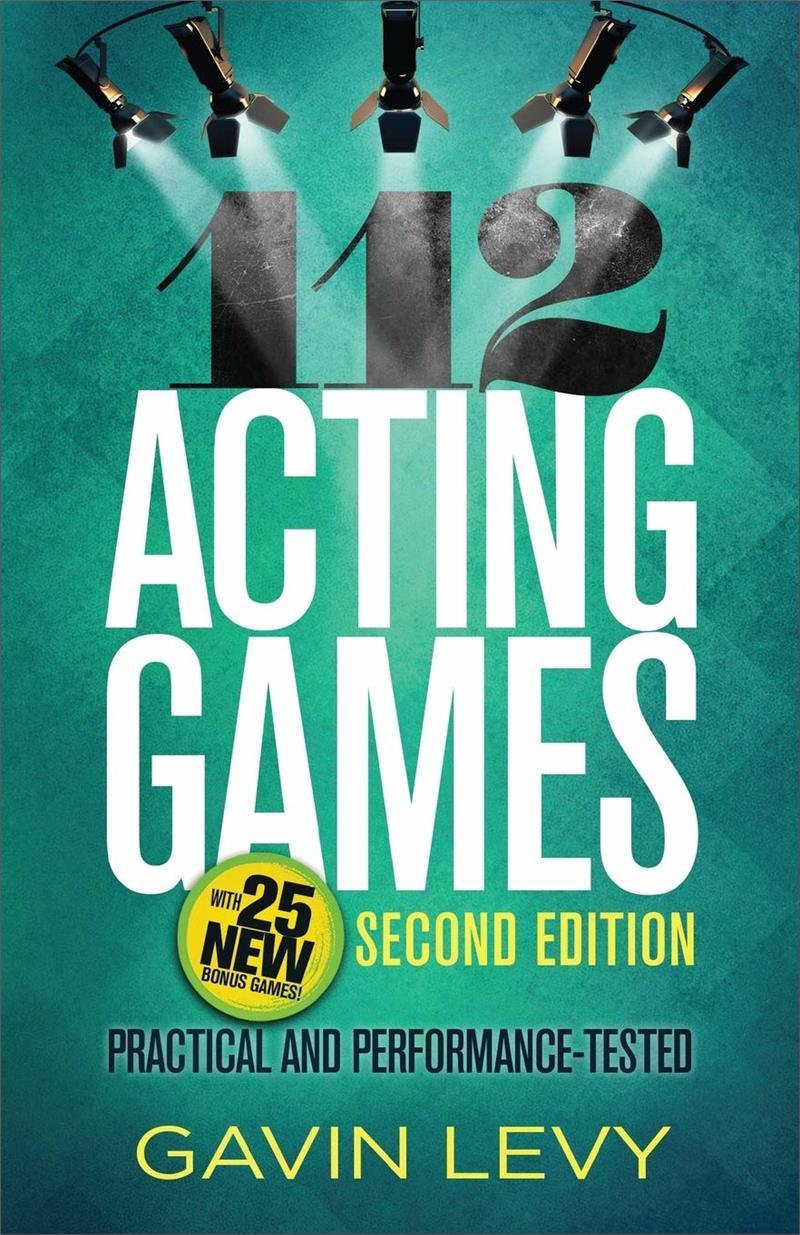
112 Acting Games
Gavin Levy

The Young Actor's Book of Improvisation
Dramatic Situations
Sandra Caruso; Susan Kosoff

Mask Improvisation for Actor Training and Performance
the compelling image
Sears A. Eldredge
Related Exercises
Social Status
Social Status is a status exercise in which players are assigned numbered ranks and must interact in a social gathering setting while communicating their relative position through body language, vocal tone, and behavior alone. Observers attempt to rank the players from highest to lowest status. The exercise reveals how status operates through subtle nonverbal signals and trains performers to distinguish social rank from behavioral status.
Status Scene With Partners
Status Scene with Partners is a two-person status exercise in which volunteers perform a scene with assigned high and low status roles, then replay the scene with their roles reversed, exploring how status reversal changes the dynamic, power balance, and emotional texture of the same situation.
Status Scene With Numbers
Status Scene with Numbers is a status exercise in which each participant draws a numbered card to determine their status level, then creates a character at that level and interacts with others, learning to embody and read status through physical and verbal behavior.
Card Status
Card Status is a status exercise inspired by Keith Johnstone's work, in which each player is assigned a playing card that determines their social rank in the scene. Players interact according to their card value without revealing it. The exercise makes visible how status differences shape behavior, posture, and communication patterns.
Status Pass
Status Pass is a circle exercise in which participants pass status levels around the group, physically and verbally shifting between high and low status with each transfer. The exercise builds awareness of how status is communicated through body language, voice, and spatial positioning.
Barney
Barney is an energy and movement warm-up exercise in which players adopt an exaggerated, lumbering physical character and interact with the group through simple, playful commands. The exercise asks participants to embody a large, slow, friendly creature (often described as a dinosaur or monster) and move through the space with maximum physical commitment and minimum self-consciousness. The inherent silliness of the character lowers inhibitions quickly, making Barney effective as an early warm-up for groups that are new to physical work or uncomfortable with large physical choices. The exercise builds comfort with exaggerated movement, vocal projection, and the willingness to look ridiculous in front of others, all foundational skills for improv performance.
The Lineage
Explore the schools and structures that influenced or evolved from Low.
Impro (Johnstone)
How to Reference This Page
The Improv Archive. (2026). Low. Retrieved September 28, 2026, from https://improvarchive.org/exercises/low
The Improv Archive. "Low." The Improv Archive, 2026. https://improvarchive.org/exercises/low.
The Improv Archive. "Low." The Improv Archive, 2026, https://improvarchive.org/exercises/low. Accessed September 28, 2026.
The Improv Archive is a systemically maintained repository. The archive itself acts as the corporate author.