Maintain Focus
Maintain Focus is an applied improv exercise that trains the ability to sustain attention on a single task, conversation, or partner over an extended period despite the presence of distractions -- internal or external -- that would normally pull attention away. The exercise develops the deliberate practice of returning attention to a chosen focus point whenever it drifts, building the cognitive discipline of sustained concentration in group and collaborative settings.
Structure
Setup
Participants work in pairs or as a full group. The facilitator introduces the exercise and names the specific focus object: a partner's eyes, a single point on the wall, a physical sensation, or the content of a partner's speech.
Progression
Participants attend to the designated focus object for a set duration. The facilitator may introduce deliberate distractions -- background noise, movement at the periphery, other participants moving through the space -- that the participant must notice and consciously set aside in favor of the designated focus.
After each timed interval, the facilitator briefly invites participants to name where their attention went when it drifted, before returning to the focus task.
Conclusion
The exercise concludes after multiple intervals, with a group debrief on the experience of distraction, the pull of various attention competitors, and the practice of returning to focus.
How to Teach It
Objectives
Maintain Focus trains deliberate attention management -- the ability to notice when focus has drifted and to return it to a chosen object without judgment or delay. It develops the concentration baseline required for extended partner listening, scene work, and any group task that requires sustained engagement over time.
How to Explain It
"Your job is simple: keep your attention on [focus object]. When it moves -- and it will -- notice that it moved and bring it back. You're not failing when your attention drifts. You're practicing when you bring it back."
Scaffolding
Begin with shorter intervals and a simple, concrete focus object before extending duration and introducing more complex or abstract focus tasks. The early rounds should make success accessible; difficulty can be introduced gradually through duration, distraction, or the complexity of the focus task.
Common Pitfalls
Participants often judge themselves harshly for attention drift rather than simply returning to the focus. The exercise is not about maintaining perfect focus but about practicing the return. Coach the group to treat each return to focus as the exercise's success condition rather than the drift as its failure condition.
In Applied Settings
Learning Objectives
Maintain Focus develops the deliberate attention management skill of sustaining concentration on a chosen focus despite the constant availability of attention competitors -- notifications, other conversations, internal planning, and environmental distraction. The exercise trains the specific capacity to notice distraction and return to focus intentionally, a skill that underlies effective meeting participation, sustained listening, and quality engagement in collaborative settings.
Workplace Transfer
Contemporary professional environments are structured around continuous partial attention -- the sustained availability of attention across multiple channels simultaneously. This pattern produces shallow engagement across many things rather than deep engagement with any one thing. Maintain Focus trains the alternative: the deliberate choice to attend fully to one person, task, or conversation, and the practice of recovering that attention when it is pulled away. The workplace applications are direct: listening in meetings without monitoring email, attending to a colleague's concern without mentally composing a response, sustaining engagement in a long conversation without checking the clock.
Facilitation Context
The exercise is used in focus and concentration training, leadership development programs, communication skills workshops, and any applied improv session where sustained attention quality is identified as a development area. It is particularly effective in organizations or roles characterized by high interruption rates, constant multi-tasking, or sustained information overload. Groups of any size can participate.
Debrief Framing
After the exercise, ask: Where did your attention go when it drifted? What pulled it? What did it feel like to bring it back? How long were you able to sustain focus before the first drift? Where in your work do you notice the same attention competitors -- and how often do you consciously choose to return to your focus rather than following the drift?
Skills Developed
Worth Reading
See all books →
Business Improv
Experiential Learning Exercises to Train Employees
Val Gee

Mask Improvisation for Actor Training and Performance
the compelling image
Sears A. Eldredge

The Applied Improvisation Mindset
Tools for Transforming Individuals, Organizations, and Communities
Theresa Robbins Dudeck; Caitlin McClure
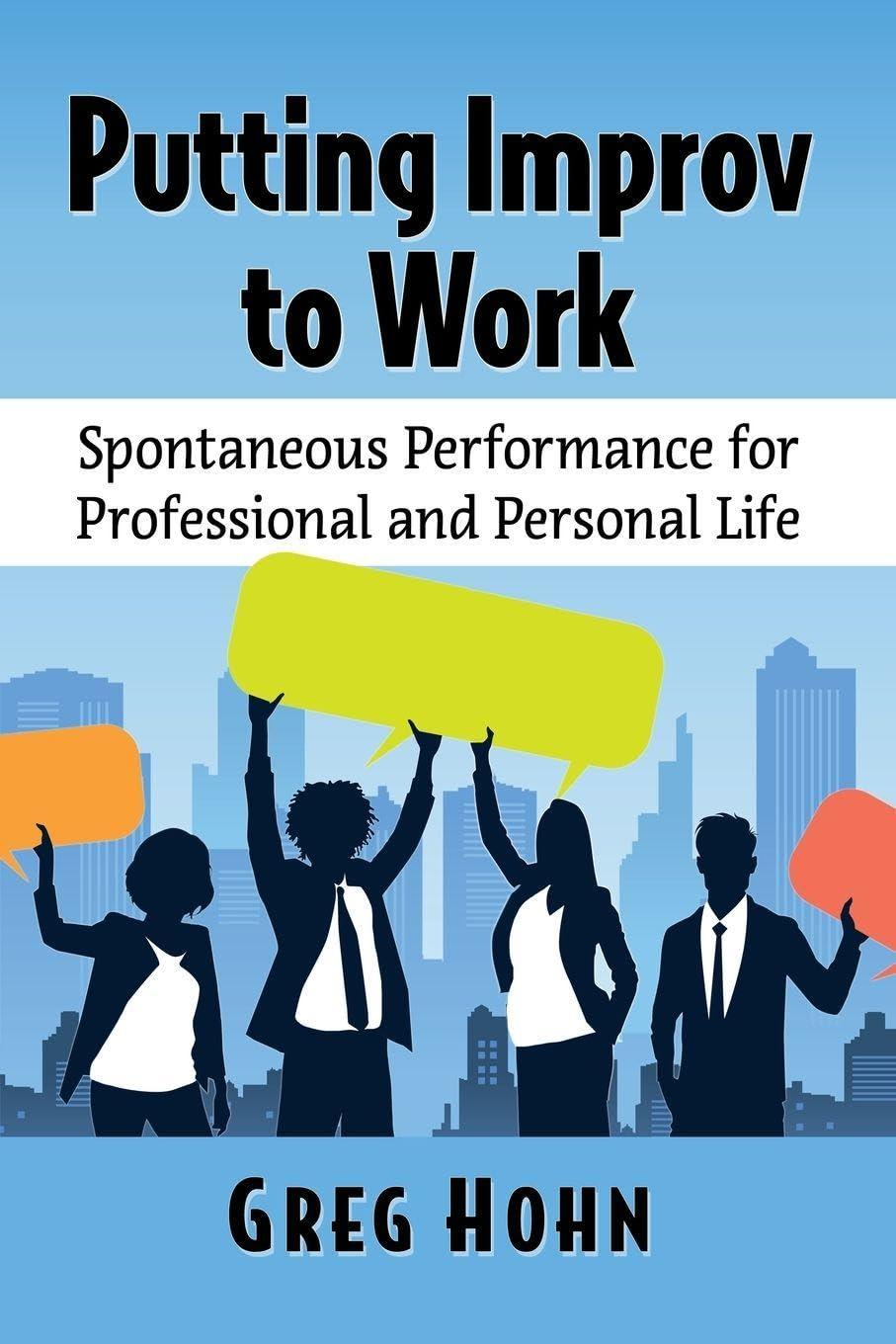
Putting Improv to Work
Spontaneous Performance for Leadership, Learning, and Life
Greg Hohn
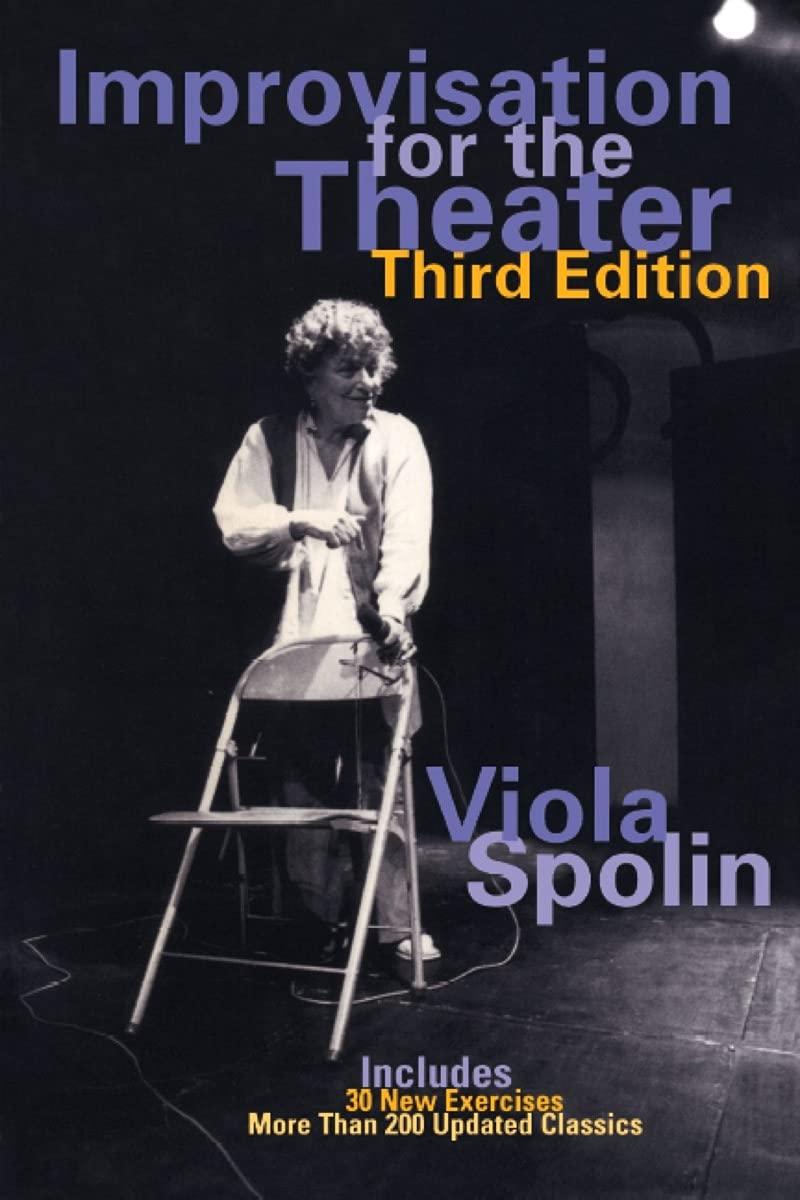
Improvisation for the Theater
A Handbook of Teaching and Directing Techniques
Viola Spolin
The Improvisation Game
Discovering the Secrets of Spontaneous Performance
Chris Johnston
Related Exercises
Concentration
Concentration is a category of focus-building exercises that challenge participants to maintain sustained attention amid distractions and competing demands. The exercises train participants to stay with a primary task while the environment introduces interruption, noise, or parallel activity. They are used in improv training to develop presence and in applied settings to explore how individuals and groups manage attention under pressure.
Maintain the Improv Culture
Maintain the Improv Culture is an applied improv exercise in which participants practice identifying and responding to moments when the core principles of improv culture -- agreement, support, mutual listening, and collaborative generosity -- are drifting in a group setting. The exercise trains organizational facilitators and team leaders to recognize when a group's collaborative norms are eroding and to intervene or remodel the desired culture through action rather than declaration.
Learn to Be Looked At
Learn to Be Looked At is an applied improv exercise in which participants practice being the subject of others' attention without deflecting, performing, or withdrawing. The exercise addresses the discomfort most people feel when held in a sustained gaze and trains the capacity to remain present, open, and grounded while being observed -- a foundational skill for anyone who presents, leads, or regularly holds attention in professional or public settings.
Listening Exercise (Eyes Closed)
Listening Exercise, Eyes Closed is an applied improv exercise in which participants close their eyes and attend to the full auditory environment -- ambient sounds, partner voices, silence -- without the organizing and filtering influence of visual input. By removing vision, the exercise isolates the auditory channel and trains a more complete, unmediated form of listening that can be difficult to access when visual processing is active.
Observe
Observe is an applied improvisation exercise in which participants practice deliberate, sustained observation of their environment, other people, or a group dynamic without intervening, interpreting, or acting. The exercise trains the foundational skill of seeing clearly before responding -- a capacity that underpins effective leadership, facilitation, and collaborative work.
Jump
Jump is a focus and commitment exercise in which one player initiates an action and the rest of the group simultaneously joins in. The exercise trains the ability to recognize and support a group choice instantly without waiting for confirmation. It builds the reflex of jumping in that drives ensemble improv.
The Lineage
Explore the schools and structures that influenced or evolved from Maintain Focus.
Business Improv (Gee & Gee)
How to Reference This Page
The Improv Archive. (2026). Maintain Focus. Retrieved September 28, 2026, from https://improvarchive.org/exercises/maintain-focus
The Improv Archive. "Maintain Focus." The Improv Archive, 2026. https://improvarchive.org/exercises/maintain-focus.
The Improv Archive. "Maintain Focus." The Improv Archive, 2026, https://improvarchive.org/exercises/maintain-focus. Accessed September 28, 2026.
The Improv Archive is a systemically maintained repository. The archive itself acts as the corporate author.