Name and Motion
Name and Motion is a name-learning exercise in which each participant says their name while simultaneously performing a physical gesture or movement of their choosing. The group then mirrors both the name and the motion back in unison. The pairing of verbal and physical information creates multiple memory anchors, making name retention significantly more reliable than verbal-only introductions.
Structure
Setup
The group stands in a circle with enough space to move freely. No materials are needed. The facilitator explains that the motion should be spontaneous and personal -- whatever comes naturally in the moment -- not a planned performance.
Progression
One person steps forward or simply speaks in place, says their name, and performs a physical gesture simultaneously. The gesture might be a wave, a spin, a clap, a jump, a head tilt, or any other movement that feels natural in the moment. The group immediately mirrors both the name and the motion back at the person together, calling the name out loud in unison and replicating the movement as a group.
The round continues until every participant has introduced their name and motion and received the group's mirrored response. The facilitator keeps a brisk pace so the exercise builds cumulative energy rather than slowing into individual performances.
Conclusion
After the full circle completes, the facilitator may run a second round in which participants call out other members' names and attempt to reproduce their motions from memory, reinforcing retention through active recall.
How to Teach It
Objectives
Name and Motion trains simultaneous verbal and physical engagement, introduces movement into a group that may still be physically reserved, and creates shared memory anchors that outlast purely verbal name exchanges.
How to Explain It
"Say your name and do a movement at the same time -- any movement at all. Don't overthink it. Whatever comes out, we will all repeat it back to you together. You give us the movement and the name, we give it back."
Scaffolding
With reserved or movement-shy groups, the facilitator goes first and demonstrates a simple, committed motion to lower the stakes. With groups who are physically expressive, the exercise can be elevated by asking each motion to reflect something about the person's current mood or energy. A third-pass variation adds sound: participants say their name, do their motion, and add a vocal sound that fits.
Common Pitfalls
Participants sometimes freeze trying to think of an interesting motion, which slows the exercise and increases self-consciousness. Coach the group that any movement is correct -- the worse the better sometimes. Group mirroring can also become sloppy if participants replicate the motion half-heartedly; the facilitator should maintain the expectation of full commitment from the group in every response.
In Applied Settings
Learning Objectives
Name and Motion develops embodied attention -- the ability to register and reproduce what another person is doing physically, not just what they are saying. In workplace and educational settings, the exercise targets presence, observational acuity, and the willingness to commit fully to shared action.
Workplace Transfer
The dual-channel demand -- listening to a name while simultaneously watching and reproducing a movement -- mirrors the multisensory attention required in high-engagement meetings, active listening, and collaborative work. The group mirroring component trains the behavior of matching and reflecting others, a foundational dynamic in facilitation, coaching, and team cohesion.
Facilitation Context
Name and Motion is used in corporate onboarding, team retreats, classroom introductions, and the opening sequence of facilitated workshops. It is particularly effective as a first-day activity for new teams or cohorts because it creates immediate shared experience and physical engagement. Recommended for groups of 8 to 30 participants; larger groups can be split into two simultaneous circles.
Debrief Framing
Ask participants: "Did having a movement help you remember the name?" and "What did it feel like to have the group repeat your name and movement back to you?" The debrief surfaces how physical engagement supports memory, and how being mirrored creates a feeling of being seen -- both of which connect to attentiveness and acknowledgment in collaborative work.
Skills Developed
Worth Reading
See all books →
Applied Improvisation
Leading, Collaborating, and Creating Beyond the Theatre
Theresa Robbins Dudeck; Caitlin McClure

The Applied Improvisation Mindset
Tools for Transforming Individuals, Organizations, and Communities
Theresa Robbins Dudeck; Caitlin McClure
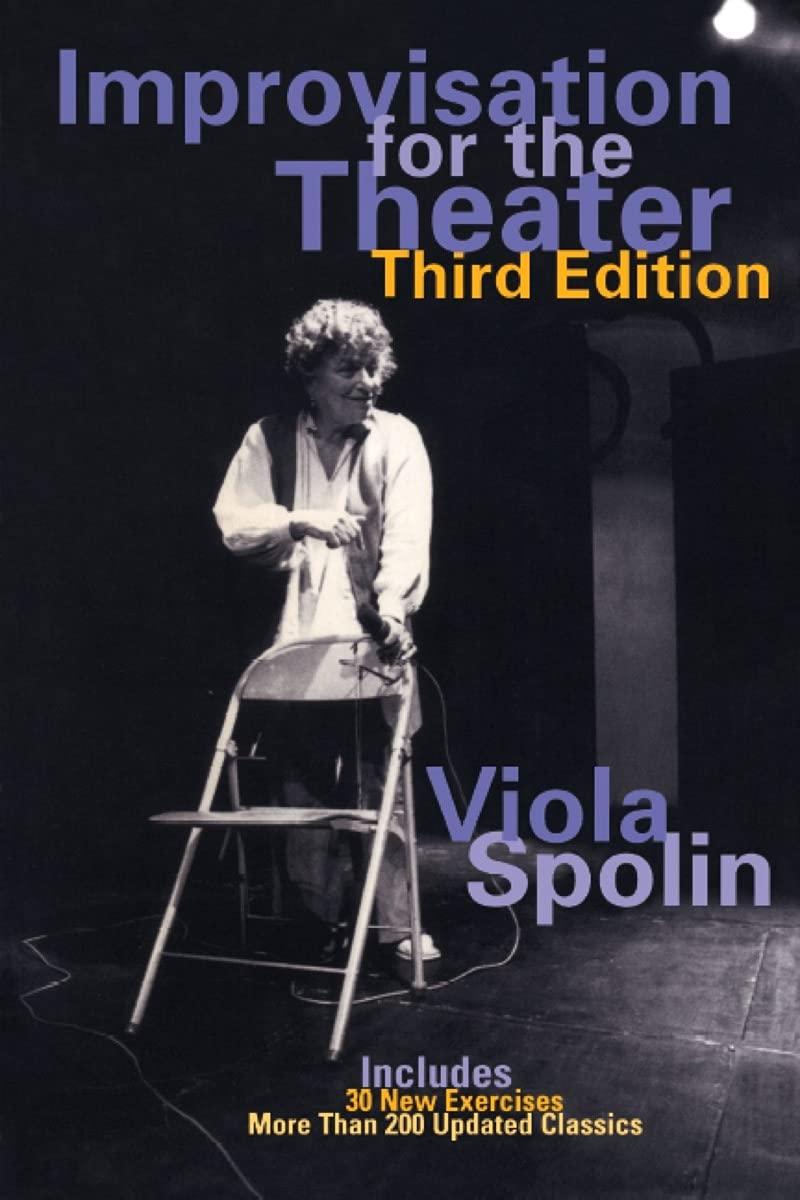
Improvisation for the Theater
A Handbook of Teaching and Directing Techniques
Viola Spolin

Embodied Playwriting
Improv and Acting Exercises for Writing
Hillary Haft Bucs; Charissa Menefee

Action Theater
The Improvisation of Presence
Ruth Zaporah

Playing Along
37 Group Learning Activities Borrowed from Improvisational Theater
Izzy Gesell
Related Exercises
Name Volley
Name Volley is a name-learning exercise in which two or more participants pass each other's names back and forth in rapid succession, maintaining a rhythm similar to a volleyball rally. The exercise develops quick name recall, sustained eye contact, and the physical and vocal commitment that comes from treating someone's name as an object in motion.
Name Game
Name Game is a warm-up exercise in which players learn and reinforce each other's names through a structured pattern of call-and-response, rhythmic chanting, or physical gestures. Each player's name is paired with a movement, an alliterative adjective, or a rhythmic pattern that makes the name memorable and the learning process active. The exercise is a staple opening activity for new groups and builds the ensemble familiarity that supports strong scene work. Knowing every player's name and having a physical memory associated with it creates the foundation for personal connection within the group.
What's in a Name?
What's in a Name is a name-learning exercise in which participants associate each group member's name with a physical gesture, sound, or story, reinforcing retention through embodied repetition and connection to personal identity rather than rote memorization.
Name 6 Circle
Name Six Circle is a name-learning exercise in which a group stands in a circle and passes names around in a structured sequence, with each pass requiring the sender to make eye contact, say the recipient's name clearly, and receive acknowledgment before the name travels on. The exercise builds name retention and attentiveness to others in the group.
Name and Applause
Name and Applause is a group introductory exercise in which each participant states their name and receives a full round of applause from the group. The exercise creates an immediate experience of being seen and celebrated, lowers self-consciousness in new groups, and establishes a culture of generous acknowledgment from the first minutes of a rehearsal or workshop.
Mexican Name Wave
Mexican Name Wave is a group name-learning and energy exercise in which participants pass their own name around the circle in a wave pattern -- each person calling their name with a specific vocal and physical gesture, with the group mirroring it back, then passing to the next person. The exercise builds name retention through repetition and physical engagement while generating group energy and the shared experience of collective attention.
The Lineage
Explore the schools and structures that influenced or evolved from Name and Motion.
Applied Improvisation (Dudeck & McClure)
How to Reference This Page
The Improv Archive. (2026). Name and Motion. Retrieved September 28, 2026, from https://improvarchive.org/exercises/name-and-motion
The Improv Archive. "Name and Motion." The Improv Archive, 2026. https://improvarchive.org/exercises/name-and-motion.
The Improv Archive. "Name and Motion." The Improv Archive, 2026, https://improvarchive.org/exercises/name-and-motion. Accessed September 28, 2026.
The Improv Archive is a systemically maintained repository. The archive itself acts as the corporate author.