No Doubles 1-10
No Doubles 1-10 is a group focus exercise in which participants attempt to count from one to ten as a collective, with only one person speaking each number at a time. If two or more people speak simultaneously, the count resets to one. The exercise trains group listening, patience, and the shared impulse awareness that underlies ensemble work.
Structure
Setup
The group stands or sits in a circle or loose cluster. No predetermined order or sequence is established -- participants may not go around the circle or take turns in any fixed pattern. The count must emerge organically from the group.
Progression
Someone begins by saying "one." Another person says "two." The count continues with each number spoken by a single voice. If at any point two or more people speak the same number simultaneously -- a "double" -- the count resets to one and the group begins again.
There is no strategy discussion, no hand signals, and no eye contact cues. The exercise demands that participants listen to the collective energy of the group and feel when it is their moment to speak versus when they should hold back. The tension between wanting to contribute and needing to wait is the core training of the exercise.
Conclusion
The exercise ends when the group successfully reaches ten without a single double, or when the facilitator calls time after a set number of attempts. Many groups find that reaching ten requires dozens of attempts, and the eventual success carries a strong sense of collective achievement.
How to Teach It
Objectives
No Doubles 1-10 develops group listening, impulse control, and the ability to sense when to act and when to hold. It reveals the balance between initiative and deference that effective ensemble work requires.
How to Explain It
"We are going to count to ten as a group. Anyone can say the next number at any time, but only one person can say each number. If two people speak at the same time, we go back to one. No turns, no signals, no system. Just listen."
Scaffolding
With new groups, start with a target of five rather than ten to make early success more achievable. Once the group reaches five consistently, extend to ten. For advanced groups, extend the target to twenty or remove the number cap entirely. A useful variation has the group close their eyes during the exercise, which eliminates visual cues and forces purely auditory group awareness. Another variation substitutes letters of the alphabet for numbers.
Common Pitfalls
Groups often develop unconscious systems -- a pattern of alternating between two or three reliable speakers -- which technically succeeds but defeats the purpose of the exercise. If the facilitator notices a pattern, they can pause and ask the group to reset with the instruction that everyone must contribute at least once. A second common pitfall is frustration after repeated resets; the facilitator should reframe failure as the exercise working correctly, since the resets are where the listening training actually happens.
Worth Reading
See all books →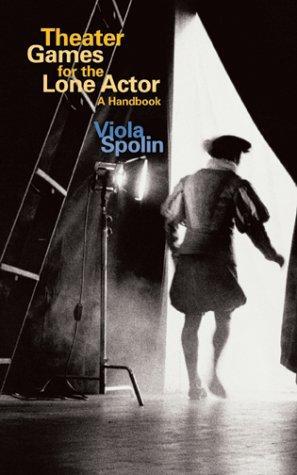
Theater Games for the Lone Actor
Viola Spolin

Group Improvisation
The Manual of Ensemble Improv Games
Peter Campbell Gwinn; Charna Halpern

Business Improv
Experiential Learning Exercises to Train Employees
Val Gee
Theater Games for Rehearsal
Viola Spolin
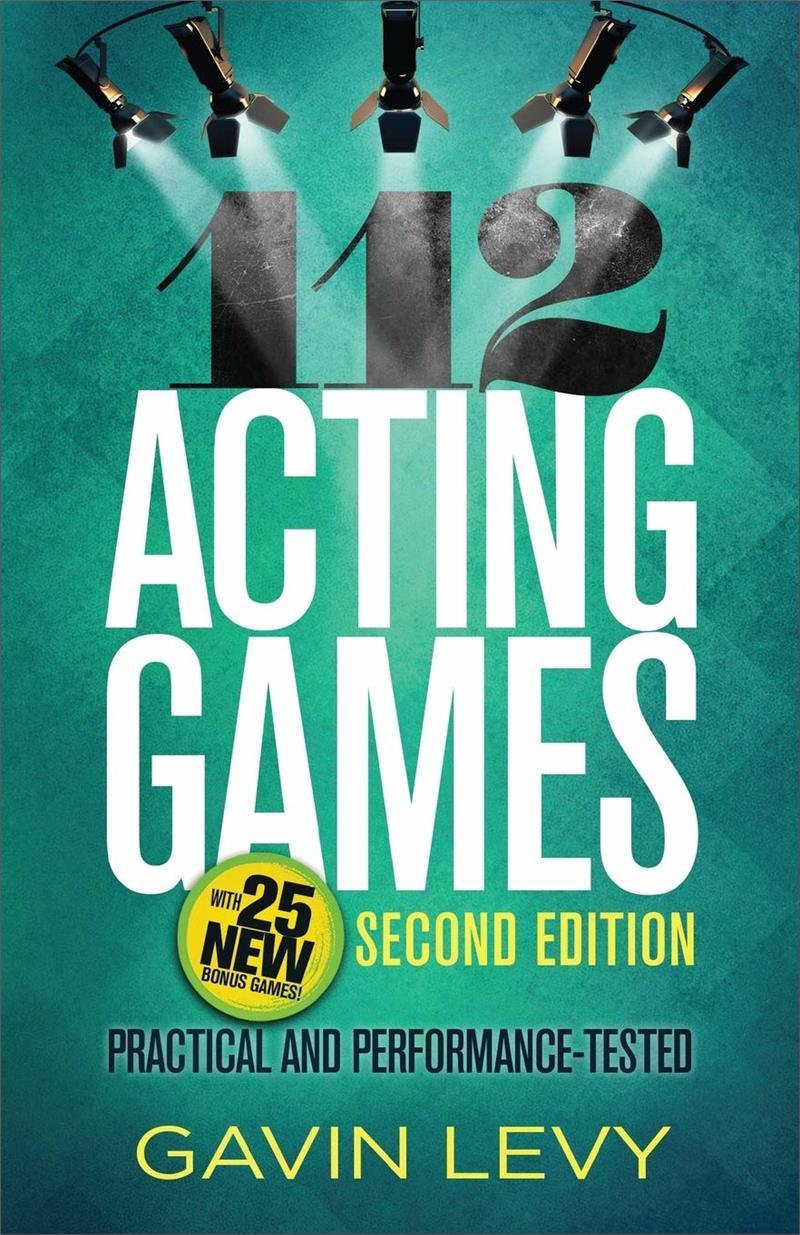
112 Acting Games
Gavin Levy
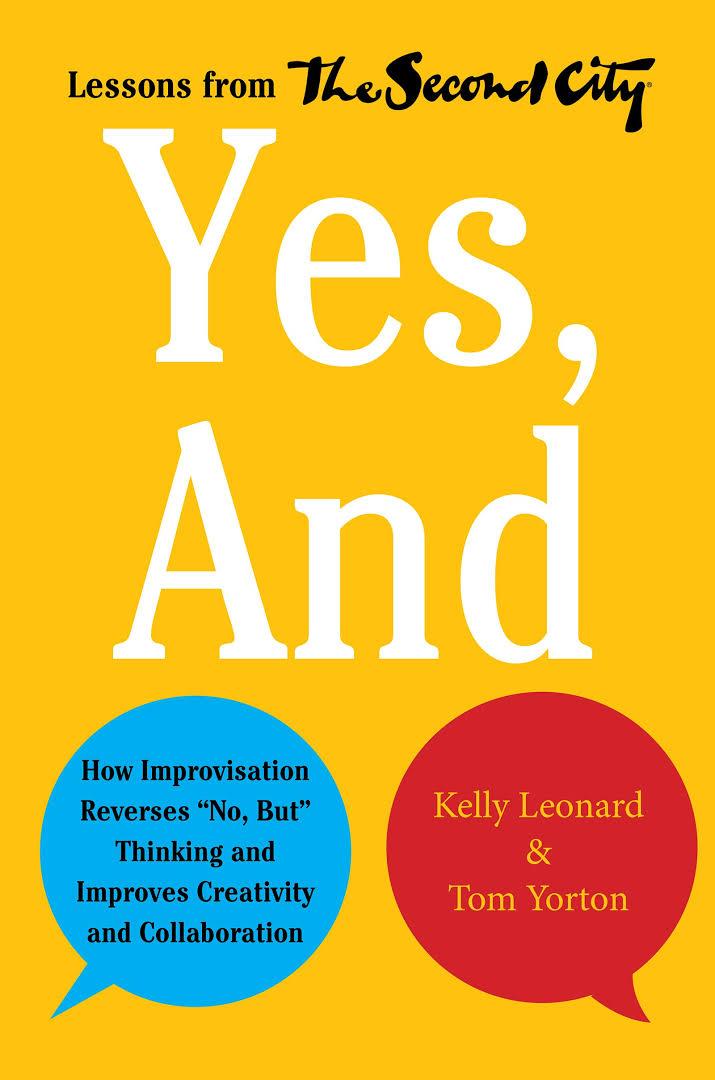
Yes, And
How Improvisation Reverses No, But Thinking and Improves Creativity and Collaboration
Kelly Leonard; Tom Yorton
Related Exercises
Count Off
Count Off is a group focus exercise in which players attempt to count to a target number, one person speaking at a time, without any predetermined order or pattern. If two or more players speak simultaneously, the count restarts from one. No gestures, signals, or eye contact are permitted to coordinate turns. The exercise trains group sensitivity, the ability to read collective impulse, and the patience to find the right moment to contribute. Count Off reveals the ensemble's current level of attunement: a group that can consistently reach high numbers has developed a shared awareness that transfers directly to scene work.
One Two Three Four
One Two Three Four is a rhythmic counting exercise in which pairs of participants count to four between them in an alternating pattern, then progressively replace numbers with physical actions. The exercise layers increasing cognitive complexity onto a simple rhythm, training split attention, physical commitment, and the ability to maintain a pattern while simultaneously transforming it.
One Duck
One Duck is a rhythmic counting exercise in which the group recites a structured chant that accumulates complexity with each round. The chant follows a fixed verbal pattern that grows longer and more demanding as the count increases, training group rhythm, sustained focus, and the ability to maintain a shared vocal pattern under increasing cognitive load.
Five Four Three Two One
Five Four Three Two One is a countdown exercise in which players perform five repetitions of one activity, then four of another, then three, two, and one -- each at a progressively different pace, size, or intensity. The structure trains rapid shifting between activities, physical awareness of the number count, and the discipline of stopping precisely on the last repetition rather than continuing past it.
Two Players -- One Voice
Two Players One Voice is an applied exercise in which two participants speak simultaneously as a single character, committing to matching word choices, rhythm, and volume in real time, training deep listening, surrender of individual agenda, and the construction of shared voice.
Synchro Clap
Synchro Clap is a group focus exercise in which players attempt to clap simultaneously without any verbal coordination or designated leader. The exercise develops ensemble awareness and the ability to read and respond to the group's collective energy.
How to Reference This Page
The Improv Archive. (2026). No Doubles 1-10. Retrieved September 28, 2026, from https://improvarchive.org/exercises/no-doubles-1-10
The Improv Archive. "No Doubles 1-10." The Improv Archive, 2026. https://improvarchive.org/exercises/no-doubles-1-10.
The Improv Archive. "No Doubles 1-10." The Improv Archive, 2026, https://improvarchive.org/exercises/no-doubles-1-10. Accessed September 28, 2026.
The Improv Archive is a systemically maintained repository. The archive itself acts as the corporate author.