One Line at a Time
One Line at a Time is an applied improvisation exercise in which a group constructs a story, plan, or document collaboratively, with each participant contributing exactly one line before passing to the next person. The strict rotation ensures equal participation, prevents any single voice from dominating, and trains the group to build coherently on each other's contributions rather than steering toward individual agendas.
Structure
Setup
Participants sit or stand in a circle or around a table. The facilitator provides a starting prompt: a story opening, a problem statement, a meeting agenda item, or a creative brief. Each participant will contribute one line -- typically one sentence -- before the contribution passes to the next person.
Progression
The first participant offers one line that begins the piece. The next participant adds one line that builds directly on what was just said. The contribution moves around the circle, with each person accepting whatever the previous person established and extending it forward.
The facilitator enforces the one-line rule strictly: no elaboration, no course correction, no second sentence. If a participant tries to steer the direction in a way that contradicts or ignores the previous contribution, the facilitator may pause and redirect.
Conclusion
The exercise ends when the piece reaches a natural conclusion, when the group has gone around the circle a set number of times, or when the facilitator calls an end. The group reviews the complete piece together.
How to Teach It
Objectives
One Line at a Time trains collaborative building, equal participation, and the discipline of accepting what has been established before adding to it. It makes visible how groups construct shared meaning and how individual control must be released for collective creation to work.
How to Explain It
"We are going to build something together, one line at a time. When it is your turn, add one line that follows naturally from what the last person said. Do not try to redirect the whole thing -- just build on what is there."
Scaffolding
Begin with a simple story prompt so the building pattern is clear before applying the exercise to work-related content. Once the group has the rhythm, use prompts closer to their professional context: a project plan, a strategy statement, a team charter. For advanced groups, remove the prompt entirely and have the group build from a single opening word.
Common Pitfalls
The most common failure is participants who use their one line to redirect the direction toward their own preferred outcome, effectively ignoring what came before. Coach them to echo or reference the previous line before extending it. A second pitfall is participants who add so little that the piece stalls -- "And then something happened" -- which shifts the creative burden to the next person.
In Applied Settings
Learning Objectives
One Line at a Time develops collaborative construction, the discipline of building on others' contributions rather than replacing them, and the practice of equal participation in group creative work. It directly addresses the workplace pattern of dominant voices and passive listeners.
Workplace Transfer
The exercise models effective brainstorming, meeting participation, and collaborative document creation. Teams that practice this exercise report improved ability to build on each other's ideas rather than competing for airtime. The strict rotation makes invisible participation patterns visible: who tends to redirect, who tends to hedge, who builds naturally on what came before.
Facilitation Context
One Line at a Time is used in team development, brainstorming workshops, strategic planning sessions, and communication training. It works with groups of 6 to 20. In workplace contexts, the exercise can be applied directly to real work products -- a one-line-at-a-time project vision statement or team charter created during the exercise can become an actual working document.
Debrief Framing
Ask participants: "Where did the piece go in a direction you did not expect?" and "What did it feel like to build on someone else's idea rather than introducing your own?" Follow with: "Where in your work do you need to build on what others have started rather than starting from scratch?" The debrief should connect the exercise mechanics to real collaborative dynamics.
Skills Developed
Worth Reading
See all books →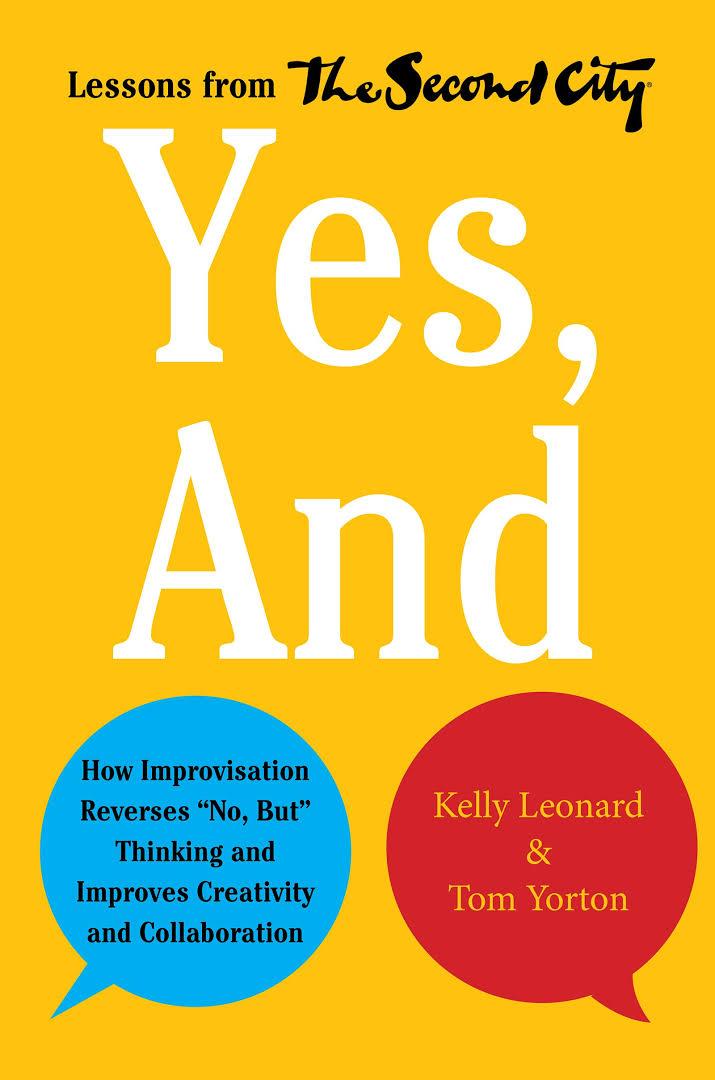
Yes, And
How Improvisation Reverses No, But Thinking and Improves Creativity and Collaboration
Kelly Leonard; Tom Yorton

Brain Disruption
Radical Innovation in Business Through Improv
Bruce Montgomery; Gail Montgomery

Something from Nothing
The Technique of Improvisation
Richard Goteri

Improv Comedy (20th Anniversary Edition)
Andy Goldberg

The Ultimate Improv Book
A Complete Guide to Comedy Improvisation
Edward J. Nevraumont; Kurt Smeaton; Nicholas P. Hanson
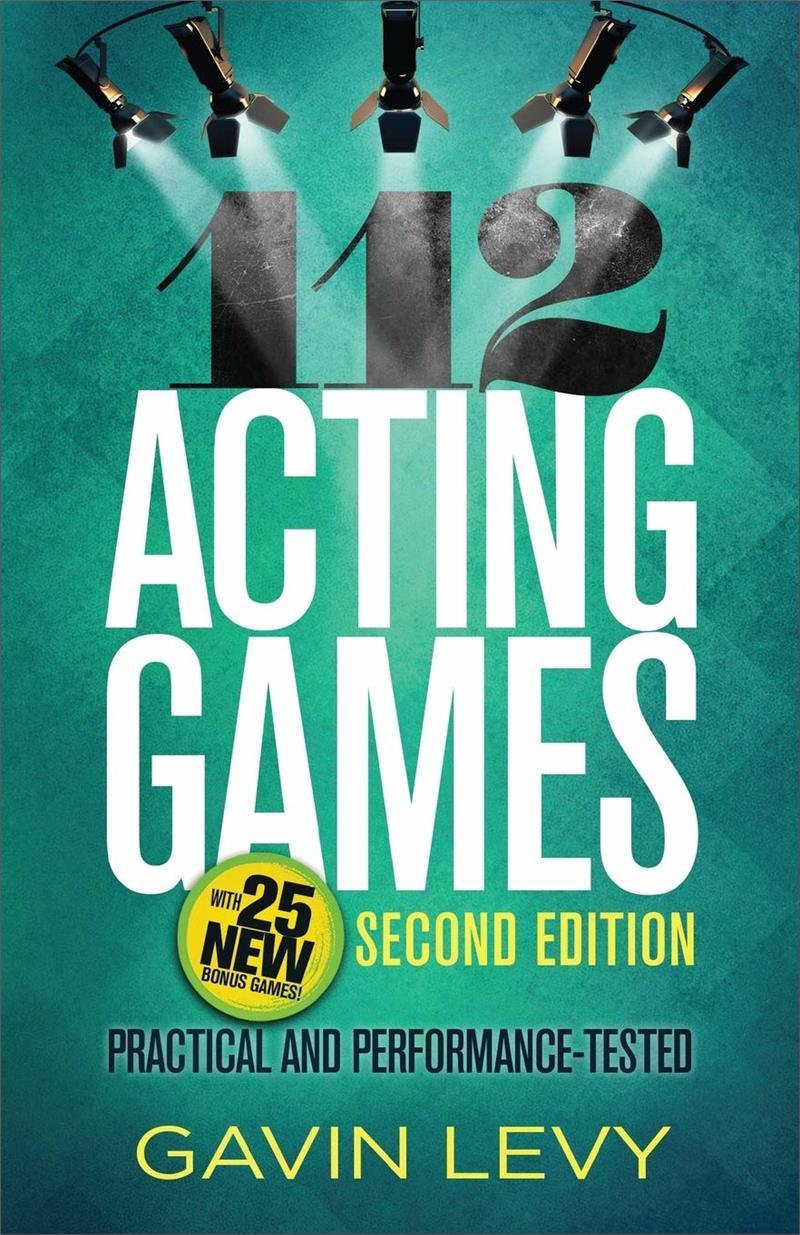
112 Acting Games
Gavin Levy
Related Exercises
One-Word Sentence
One Word Sentence is an applied improvisation exercise in which a group constructs sentences collaboratively, with each participant contributing exactly one word at a time. The exercise trains deep listening, the ability to release individual control over direction, and the practice of building shared meaning one unit at a time.
Word-at-a-Time Story
Word at a Time Story is a foundational ensemble exercise in which participants collectively build a story by each contributing one word at a time. The exercise develops group attunement, the ability to surrender individual narrative control, and trust in collective intelligence.
One Line Scene
One Line Scene is a scene-building exercise in which two or more performers create a complete scene using only one line of dialogue each. The constraint forces performers to make every word count, to communicate volumes through subtext, physicality, and relationship, and to find the essence of a scene without the luxury of extended dialogue.
One Voice Expert
One Voice Expert is an applied improvisation exercise in which two or more participants stand side by side and speak simultaneously as a single expert, answering audience questions or delivering a presentation as if they are one person with one voice. The exercise demands extreme listening, mutual agreement in real time, and the willingness to follow a partner's lead word by word.
Two Players -- One Voice
Two Players One Voice is an applied exercise in which two participants speak simultaneously as a single character, committing to matching word choices, rhythm, and volume in real time, training deep listening, surrender of individual agenda, and the construction of shared voice.
Word at a Time Letter
Word at a Time Letter is a word-at-a-time exercise and performance game in which two or more performers compose a letter to a real or fictional recipient one word at a time, navigating the constraints of epistolary form, shared authorship, and the unpredictability of collaborative sentence construction.
The Lineage
Explore the schools and structures that influenced or evolved from One Line at a Time.
Brain Disruption (Montgomery & Montgomery)
How to Reference This Page
The Improv Archive. (2026). One Line at a Time. Retrieved September 28, 2026, from https://improvarchive.org/exercises/one-line-at-a-time
The Improv Archive. "One Line at a Time." The Improv Archive, 2026. https://improvarchive.org/exercises/one-line-at-a-time.
The Improv Archive. "One Line at a Time." The Improv Archive, 2026, https://improvarchive.org/exercises/one-line-at-a-time. Accessed September 28, 2026.
The Improv Archive is a systemically maintained repository. The archive itself acts as the corporate author.