Family Portraits
Family Portraits is a physical tableau exercise in which players freeze into group images depicting families in various situations, relationships, or emotional states. The facilitator calls a scenario and players instantly arrange themselves into a frozen portrait without discussion. The exercise develops spatial awareness, physical storytelling, and the ability to read and contribute to a group image in real time.
Structure
Setup
All players stand in an open space, spread loosely. The facilitator stands apart and will call scenarios.
Progression
The facilitator calls a scenario: "Family portrait: reunion after twenty years." "Family portrait: the morning after." "Family portrait: something nobody is saying." Players immediately arrange themselves into a frozen group image -- no talking, no planning -- that captures the emotional reality of the situation.
The facilitator counts to three aloud; all players must be frozen before the count ends. The facilitator observes the image briefly, then calls a new scenario.
Variations include rotating who plays the photographer (narrating what they see) or asking one player to step out and observe while the rest form the portrait, then describe what they see.
Conclusion
The exercise runs through five to ten scenarios. It ends naturally when the group has covered sufficient physical and emotional territory, or when a specific scenario has generated material for debrief.
How to Teach It
Objectives
Family Portraits develops physical storytelling, spontaneous spatial composition, and the ability to read and respond to group images in real time. The family context provides an instantly rich emotional landscape with shared cultural resonance.
How to Explain It
"When I name the scenario, you have three seconds to find your place in the picture. No talking, no deciding -- just move and freeze. The image makes itself."
Scaffolding
Begin with concrete, positive scenarios before introducing emotionally complex or ambiguous ones. Once the group is comfortable with quick physical commitment, introduce scenarios with more tension -- unspoken conflict, awkward gathering, uncomfortable silence.
Common Pitfalls
Players often bunch toward the center, creating flat images without depth or height variation. The coaching note is to use all the space: high and low, foreground and background, center and edge. A flat row of bodies does not read as a portrait; a composition with varied levels and spatial relationships does.
Worth Reading
See all books →
The Young Actor's Book of Improvisation
Dramatic Situations
Sandra Caruso; Susan Kosoff

Group Improvisation
The Manual of Ensemble Improv Games
Peter Campbell Gwinn; Charna Halpern
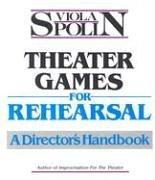
Theater Games for Rehearsal
Viola Spolin
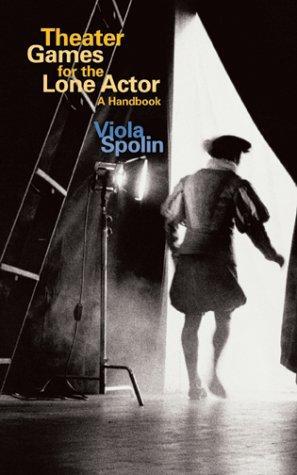
Theater Games for the Lone Actor
Viola Spolin
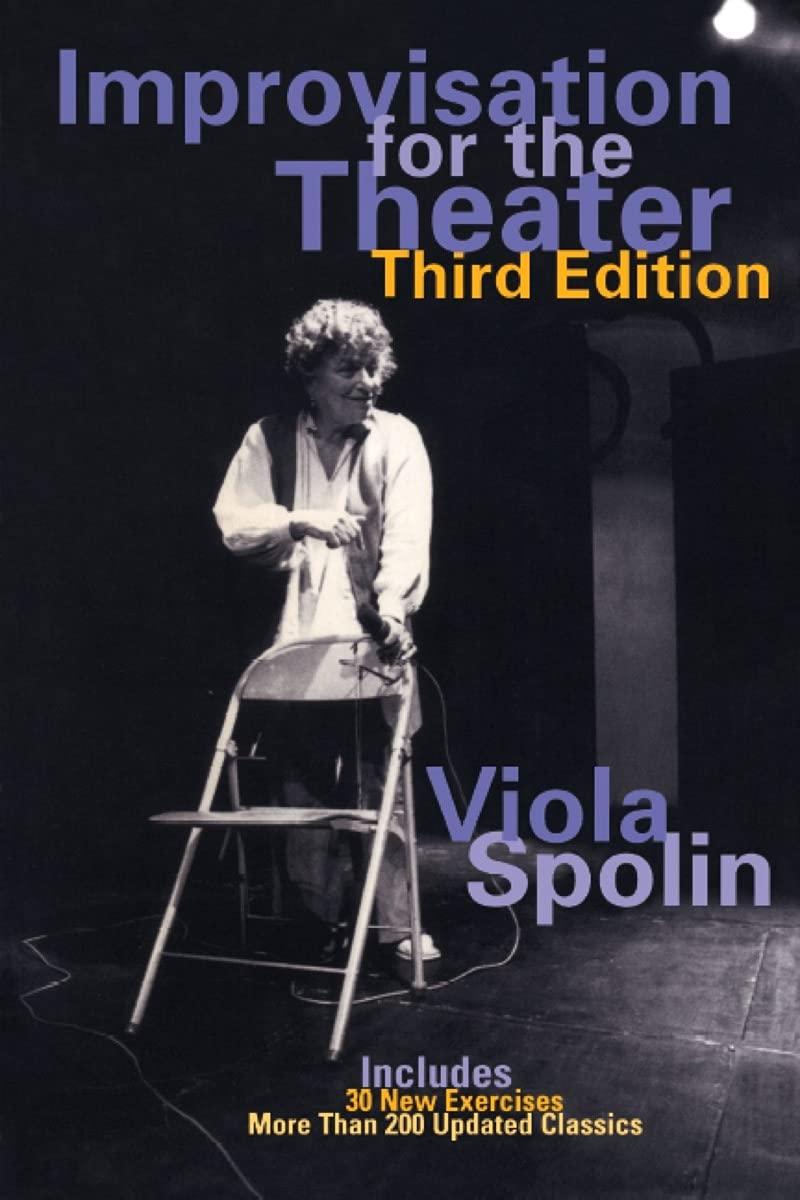
Improvisation for the Theater
A Handbook of Teaching and Directing Techniques
Viola Spolin
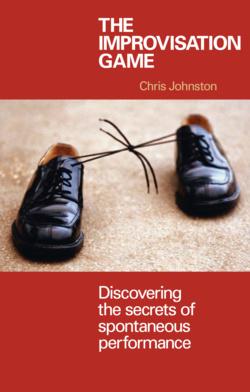
The Improvisation Game
Discovering the Secrets of Spontaneous Performance
Chris Johnston
Related Exercises
Portrait
Portrait is an applied improvisation exercise from The Applied Improvisation Mindset in which one participant poses while others describe what they observe. The exercise develops skills of attention, descriptive precision, and the ability to notice details without projecting assumptions onto another person.
Freeze Tag Round Two
Freeze Tag Round Two extends Round One by requiring the entering player to justify their physical choice with one short sentence or action immediately after entering. Rather than simply completing a frozen picture silently, the entering player establishes a brief scene -- naming the relationship, the situation, or the location -- before both players are released. The addition of verbal justification trains the integration of physical and narrative scene-building.
Picture Story
Picture Story is an applied improvisation exercise in which participants create and share stories inspired by images. Players receive a photograph, illustration, or abstract image and must construct a narrative from what they see, developing the ability to find story in unexpected places and communicate ideas through vivid description.
Moving Picture
Moving Picture is an applied improv tableau and group image exercise in which participants collaborate to create a shared physical image that then comes to life -- begins to move -- in response to a prompt or facilitator direction. The exercise trains collective physical coordination, the ability to create meaning through non-verbal group composition, and the experience of a shared imaginative reality that is built and inhabited together without verbal negotiation.
How to Reference This Page
The Improv Archive. (2026). Family Portraits. Retrieved September 28, 2026, from https://improvarchive.org/exercises/family-portraits
The Improv Archive. "Family Portraits." The Improv Archive, 2026. https://improvarchive.org/exercises/family-portraits.
The Improv Archive. "Family Portraits." The Improv Archive, 2026, https://improvarchive.org/exercises/family-portraits. Accessed September 28, 2026.
The Improv Archive is a systemically maintained repository. The archive itself acts as the corporate author.