Predator/Defender
Predator Defender is an applied improvisation exercise from Putting Improv to Work in which each player secretly chooses one person as their predator and another as their defender. On the signal to move, everyone must keep their defender between themselves and their predator at all times, creating a dynamic, self-organizing system of constant movement.
Structure
Setup
All participants stand in an open space. The facilitator asks each person to silently choose two other people in the room: one is their Predator and one is their Defender. No one reveals their choices. The facilitator confirms that everyone has chosen both roles.
Progression
On "Go," every participant must position themselves so that their Defender is always between them and their Predator. Since everyone is simultaneously adjusting, the group erupts into constant motion. The system never settles because each person's movement triggers repositioning by everyone else.
The facilitator lets the movement run for two to three minutes, then calls "Freeze." The group pauses and the facilitator asks several participants to reveal their predator and defender choices, tracing the invisible relationships that generated the movement.
A second round often follows with new choices. The facilitator may add constraints: move in slow motion, maintain a specific distance from your defender, or keep your eyes on your predator at all times.
Variations
A three-person version adds a Neutral party that each player must stay equidistant from. A reveal version has each person publicly announce their choices before the round begins, allowing the group to predict the movement patterns. A discussion version follows the physical exercise with a conversation about systems thinking and unintended consequences.
How to Teach It
Objectives
Predator Defender demonstrates how simple individual rules create complex group behavior. The exercise makes visible the dynamics of interconnected systems, where every action produces ripple effects through the entire group. It builds spatial awareness and introduces systems thinking through physical experience.
How to Explain It
"Silently choose one person as your predator and one as your defender. When I say go, your job is to keep your defender between you and your predator at all times. Do not tell anyone your choices."
Scaffolding
The exercise needs no scaffolding beyond clear instructions. The emergent behavior is immediate and unmistakable. The learning happens in the debrief, where the facilitator connects the physical experience to real-world systems, organizational dynamics, and the unpredictability of interconnected actions.
Common Pitfalls
The most common issue is participants who make their choices too obvious, staring at their predator or shadowing their defender. Coach subtlety. The exercise is richer when the invisible relationships remain hidden until the reveal.
Safety is a consideration in tight spaces. Remind participants to move with awareness of others and to avoid running or sudden direction changes.
In Applied Settings
Predator Defender is used in team-building, systems thinking workshops, and organizational development programs. The exercise provides a visceral demonstration of how individual decisions create collective patterns, a concept that transfers directly to understanding organizational behavior, market dynamics, and project management. Facilitators use the debrief to explore how small changes in individual behavior can produce large, unpredictable effects across a system.
Skills Developed
Worth Reading
See all books →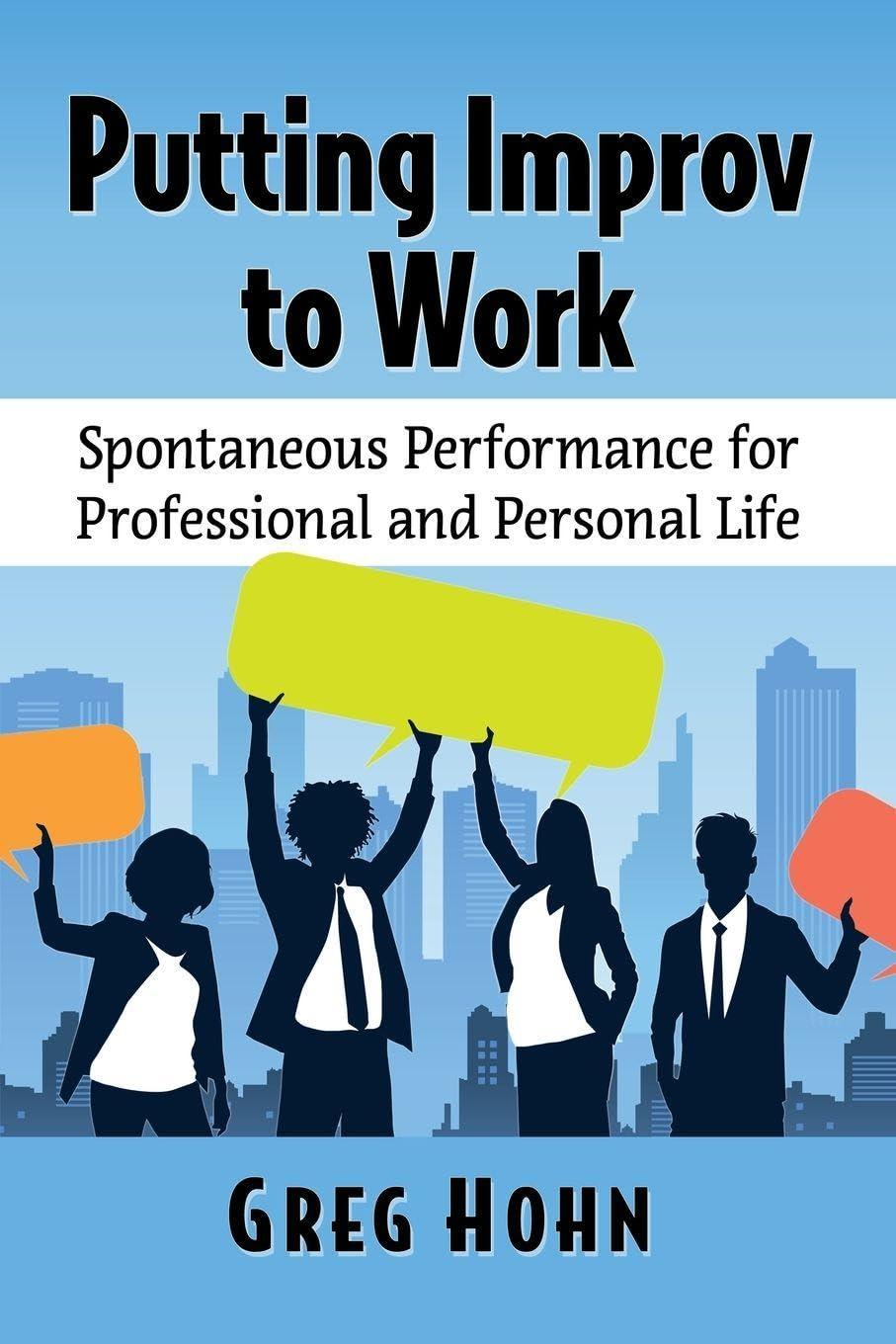
Putting Improv to Work
Spontaneous Performance for Leadership, Learning, and Life
Greg Hohn

Group Improvisation
The Manual of Ensemble Improv Games
Peter Campbell Gwinn; Charna Halpern
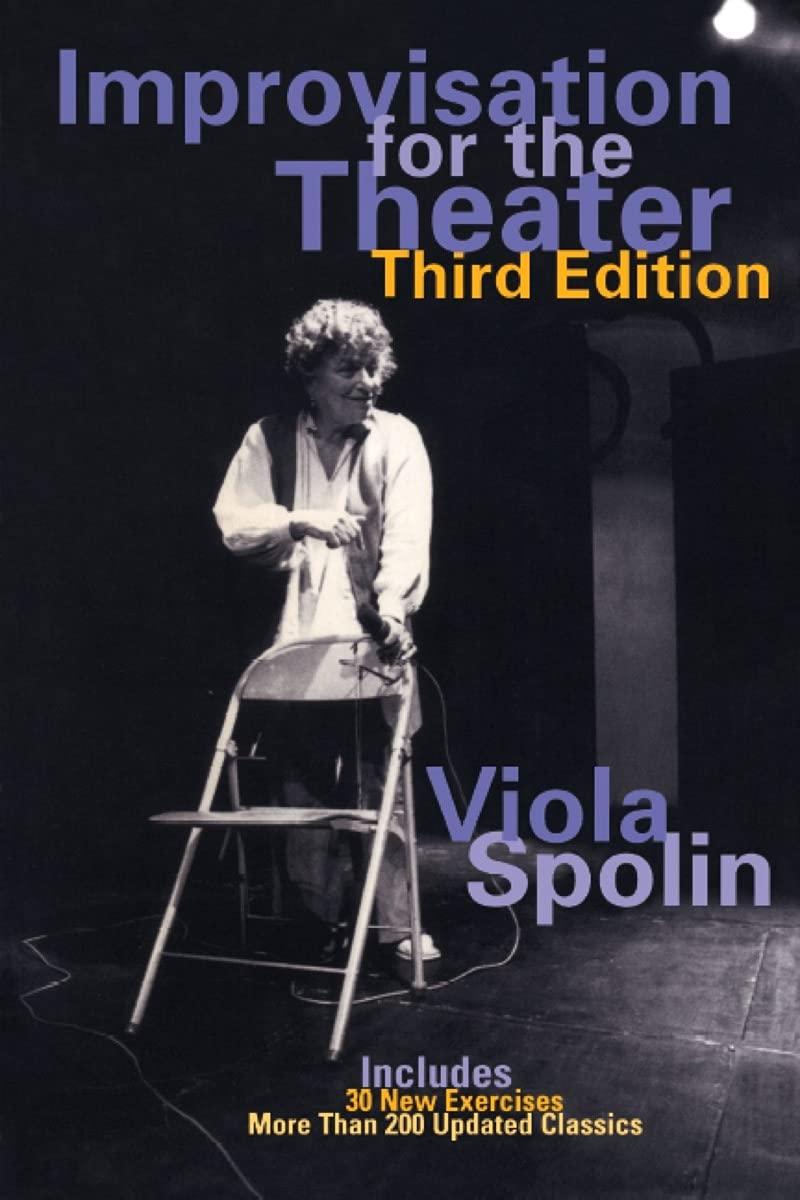
Improvisation for the Theater
A Handbook of Teaching and Directing Techniques
Viola Spolin

Business Improv
Experiential Learning Exercises to Train Employees
Val Gee

Mask Improvisation for Actor Training and Performance
the compelling image
Sears A. Eldredge
The Improvisation Game
Discovering the Secrets of Spontaneous Performance
Chris Johnston
Related Exercises
Alliances
Alliances is a spatial awareness exercise in which each player secretly selects one person in the group as their ally and another as their enemy, then moves through the space trying to keep the ally positioned between themselves and the enemy at all times. No one announces their choices, so the resulting group movement becomes complex, organic, and unpredictable as every participant simultaneously pursues their own spatial objective. The exercise produces a constantly shifting formation that resembles flocking behavior, with sudden accelerations, direction changes, and clusters forming and dissolving. Alliances develops spatial awareness, peripheral vision, and the ability to read and respond to group movement patterns without verbal communication. It also demonstrates how simple individual rules can generate complex group behavior, a principle that applies directly to ensemble scene work.
Virus
Virus is a physical ensemble exercise in which one player begins with a specific behavior, sound, or movement that spreads to others through proximity or contact, eventually infecting the whole group. The exercise demonstrates how energy and impulse propagate through an ensemble and trains players to notice and respond to the influence of their partners.
Barney
Barney is an energy and movement warm-up exercise in which players adopt an exaggerated, lumbering physical character and interact with the group through simple, playful commands. The exercise asks participants to embody a large, slow, friendly creature (often described as a dinosaur or monster) and move through the space with maximum physical commitment and minimum self-consciousness. The inherent silliness of the character lowers inhibitions quickly, making Barney effective as an early warm-up for groups that are new to physical work or uncomfortable with large physical choices. The exercise builds comfort with exaggerated movement, vocal projection, and the willingness to look ridiculous in front of others, all foundational skills for improv performance.
Play Date
Play Date is an applied improvisation exercise in which participants engage in unstructured play together, rediscovering the value of spontaneity, curiosity, and shared joy. The exercise removes the pressure of productivity and invites adults to reconnect with the generative power of purposeless play.
Ducks and Cows
Ducks and Cows is a trust and listening exercise in which blindfolded players are secretly assigned to be either a duck or a cow. Without guidance from the facilitator, they must navigate a shared space and find their group using only the sound of their assigned animal. The exercise builds listening acuity, trust in a chaotic environment, and comfort with physical vulnerability when vision is removed.
Samurai
Samurai is an energetic warm-up exercise in which players stand in a circle and pass an imaginary sword strike to each other using a sharp downward motion and a vocalized sound. The recipient and their two neighbors must react in coordinated unison before the strike is redirected to another player. The exercise builds group energy, physical focus, and responsive ensemble awareness. It exists in multiple versions ranging from circle energy-passing to competitive elimination formats.
The Lineage
Explore the schools and structures that influenced or evolved from Predator/Defender.
Putting Improv to Work (Hohn)
How to Reference This Page
The Improv Archive. (2026). Predator/Defender. Retrieved September 28, 2026, from https://improvarchive.org/exercises/predator-defender
The Improv Archive. "Predator/Defender." The Improv Archive, 2026. https://improvarchive.org/exercises/predator-defender.
The Improv Archive. "Predator/Defender." The Improv Archive, 2026, https://improvarchive.org/exercises/predator-defender. Accessed September 28, 2026.
The Improv Archive is a systemically maintained repository. The archive itself acts as the corporate author.