Opposite Side Speech
Opposite Side Speech is a communication exercise in which participants argue for the opposite of their actual position on a topic. One person states a belief or preference, then must immediately switch to advocating passionately for the contrary viewpoint. The exercise builds cognitive flexibility, empathy, and the ability to genuinely inhabit perspectives that differ from one's own.
Structure
Setup
Participants stand or sit in a circle. The facilitator prepares a list of low-stakes opinion prompts -- favorite season, best pizza topping, ideal vacation type -- or invites participants to volunteer their own. Each participant will speak twice on the same topic: once from their real position, once from the opposite.
Progression
A participant states their genuine opinion on the prompt in two to three sentences, making their case with conviction. Immediately after, the facilitator calls "opposite" and the same participant must argue the contrary position with equal or greater passion. The goal is not sarcasm or parody but genuine advocacy -- finding real reasons to support the other side. The group listens for moments where the opposite argument becomes surprisingly convincing. After each round, the next participant takes a new prompt.
Conclusion
The exercise ends after every participant has completed at least one round. The facilitator leads a brief discussion about what it felt like to argue against one's own position, and which opposite arguments were most persuasive.
How to Teach It
Objectives
Opposite Side Speech trains performers to commit fully to perspectives they do not personally hold. In scene work, this translates directly to playing characters whose worldview differs from the performer's own. In applied settings, the exercise builds empathy and reduces reflexive dismissal of opposing viewpoints.
How to Explain It
"You are going to state your real opinion on a topic, then immediately argue the opposite with just as much conviction. The challenge is not to be funny or sarcastic -- it is to actually find reasons the other side makes sense. If you can make even yourself pause, you have done it well."
Scaffolding
Begin with trivial topics where there is no emotional investment -- cats versus dogs, summer versus winter. Once the group is comfortable with the format, introduce topics with slightly more weight -- remote work versus office work, city versus country living. Avoid genuinely divisive or personal topics. The exercise works because the stakes are low enough that participants can practice flexibility without feeling threatened.
Common Pitfalls
The most common failure is performing the opposite position as a joke rather than a genuine argument. Coach participants to find at least one real reason the other side is valid. A second pitfall is choosing topics that are too emotionally charged, which makes the switch feel disrespectful rather than illuminating.
In Applied Settings
Learning Objectives
Participants practice perspective-taking under pressure, building the cognitive flexibility to understand and articulate viewpoints that differ from their own. The exercise strengthens active listening, reduces confirmation bias, and develops the ability to steelman opposing arguments.
Workplace Transfer
Opposite Side Speech directly supports negotiation preparation, stakeholder empathy, and cross-functional collaboration. Teams that practice arguing for the other side report better understanding of customer objections, more nuanced product decisions, and fewer adversarial dynamics in meetings. Sales teams use the exercise to anticipate and respect client concerns rather than dismissing them.
Facilitation Context
Best used in team-building sessions, leadership development workshops, or conflict resolution training. Works well early in a session to loosen rigid thinking patterns. Groups of six to sixteen are ideal. Keep topics work-adjacent but not work-specific to avoid triggering real organizational tensions.
Debrief Framing
Ask: "What surprised you about arguing the other side? Did you discover any genuine merit in the position you do not hold? How might this skill serve you when a colleague or client disagrees with your recommendation?" Connect the exercise to the practice of steelmanning -- presenting the strongest version of an opposing argument before responding to it.
Skills Developed
Worth Reading
See all books →
Improv Yourself
Business Spontaneity at the Speed of Thought
Joseph A. Keefe
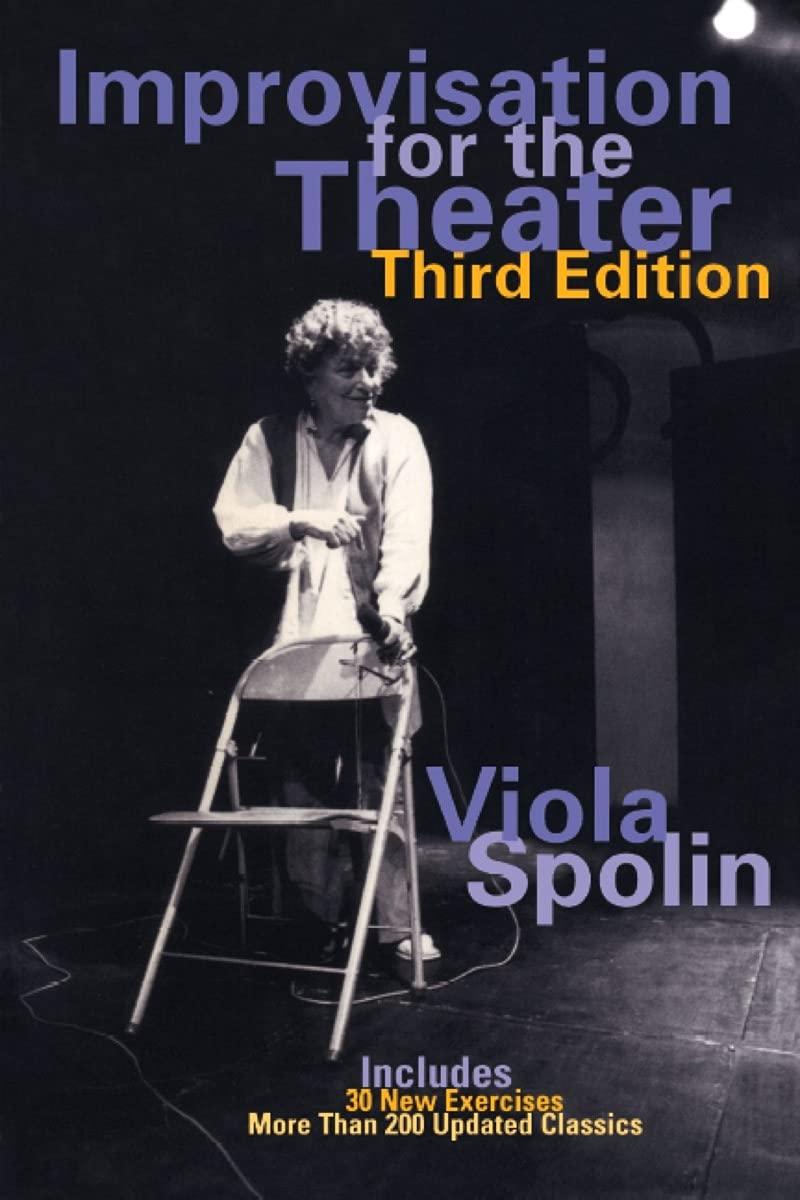
Improvisation for the Theater
A Handbook of Teaching and Directing Techniques
Viola Spolin
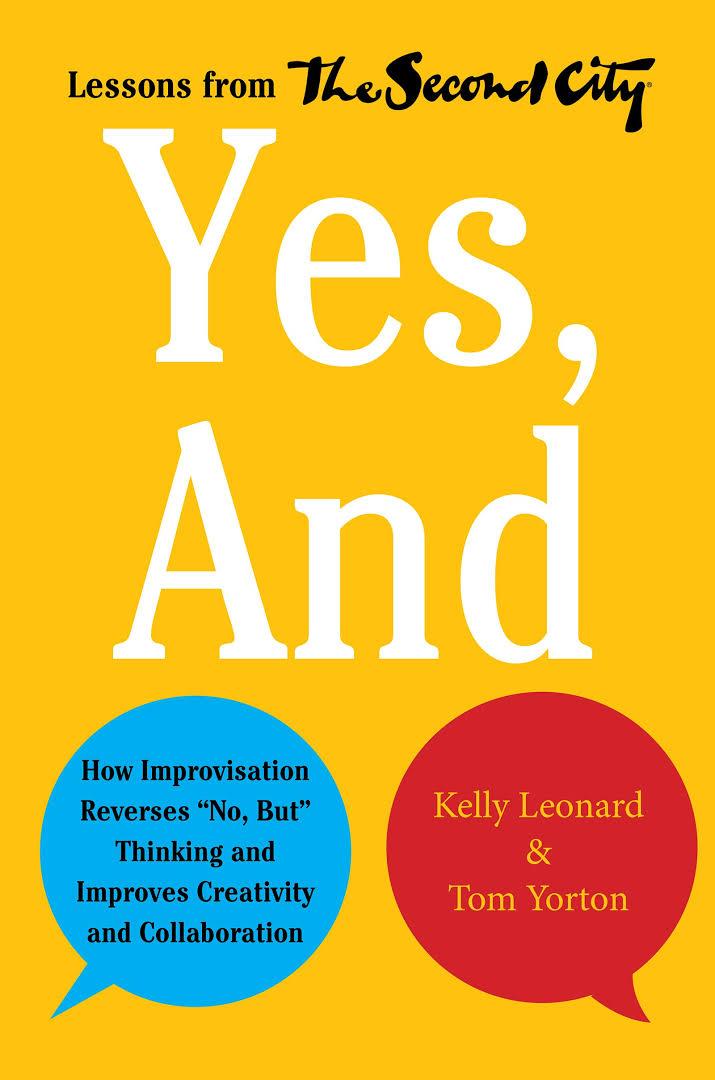
Yes, And
How Improvisation Reverses No, But Thinking and Improves Creativity and Collaboration
Kelly Leonard; Tom Yorton

When I Say This, Do You Mean That?
Enhancing Communication
Cherie Kerr; Julia Sweeney

Improvisation for Actors and Writers
A Guidebook for Improv Lessons in Comedy
Bill Lynn

Playing Along
37 Group Learning Activities Borrowed from Improvisational Theater
Izzy Gesell
Related Exercises
Opposites
Opposites is an exercise in which two performers play a scene while deliberately making contrasting choices in energy, physicality, and emotional tone. If one player is loud, the other is quiet; if one is deliberate, the other is impulsive; if one is formal, the other is casual. The exercise teaches the dramatic value of contrast and develops awareness of how opposing choices create dynamic scenes and interesting characters.
Constructive Debate
Constructive Debate is an applied improvisation exercise in which participants practice building on opposing viewpoints rather than dismissing or refuting them. Each contribution requires the speaker to first restate the previous speaker's position accurately and locate something valid in it before introducing their own perspective. The exercise develops the discipline of genuine engagement with competing views as a prerequisite to productive disagreement.
Emotional Option
Emotional Option is an applied improv exercise in which participants hold a paired conversation while a facilitator calls out different emotions at intervals. The pairs must continue their conversation in the register of the newly assigned emotion without stopping or acknowledging the transition. The exercise trains rapid emotional adaptability, the awareness that emotional state is a choice, and the practical skill of continuing a conversation under shifting emotional pressure.
Non Sequitor
Non Sequitur is a hybrid game and exercise in which performers deliberately break logical connections between lines of dialogue, forcing each new statement to have no apparent relationship to the one before it. The exercise trains performers to let go of the need to make sense, builds comfort with absurdity, and paradoxically reveals how audiences will construct meaning even from disconnected material.
Nonverbal Communication
Nonverbal Communication is an applied improvisation exercise in which participants interact, negotiate, and collaborate without spoken language, relying entirely on gesture, facial expression, body positioning, and physical presence. The exercise reveals how much information is transmitted nonverbally and trains participants to read and use body language with greater awareness and precision.
The Lawyer
The Lawyer is an applied exercise in which participants practice defending any position assigned to them regardless of their personal view, developing the skills of argument construction, flexible perspective-taking, and the separation of personal belief from effective advocacy. The exercise trains the capacity to argue persuasively without attachment to outcome.
The Lineage
Explore the schools and structures that influenced or evolved from Opposite Side Speech.
Improv Yourself (Joseph A. Keefe)
How to Reference This Page
The Improv Archive. (2026). Opposite Side Speech. Retrieved September 28, 2026, from https://improvarchive.org/exercises/opposite-side-speech
The Improv Archive. "Opposite Side Speech." The Improv Archive, 2026. https://improvarchive.org/exercises/opposite-side-speech.
The Improv Archive. "Opposite Side Speech." The Improv Archive, 2026, https://improvarchive.org/exercises/opposite-side-speech. Accessed September 28, 2026.
The Improv Archive is a systemically maintained repository. The archive itself acts as the corporate author.