Red Light Green Light
Red Light Green Light adapts the classic children's game for improv and applied settings, developing physical awareness, impulse control, and body consciousness. Players move on 'green light' and freeze completely on 'red light,' with any detected movement sending them back to the start.
Structure
Setup
One player stands at one end of the room as the caller, facing away from the group. All other players line up at the opposite end. The caller will alternate between saying "Green light" (players move forward) and "Red light" (players freeze).
Progression
When the caller says "Green light," players advance toward the caller as quickly as they can. When the caller says "Red light" and turns around, every player must freeze instantly. Any player caught still moving returns to the starting line. The first player to reach and tag the caller wins and becomes the next caller.
The caller controls the rhythm, varying the timing between calls to keep players off balance. Quick alternations test reaction speed, while longer green light stretches encourage bolder movement choices.
Variations
In an improv training context, the movement quality changes with each round. Players might be asked to move as specific characters, in slow motion, or while maintaining a particular emotional state. A "yellow light" option can be added where players must move in slow motion. Some facilitators use the exercise with sound restrictions, requiring silent movement that adds stealth to the physical challenge.
How to Teach It
Objectives
Red Light Green Light develops body awareness, impulse control, and the ability to commit fully to both action and stillness. The instant freeze requirement trains performers to hold a physical position without adjustment, a skill that transfers directly to stage freezes and tableau work.
How to Explain It
"When I say 'Green light,' move toward me. When I say 'Red light' and turn around, freeze completely. If I see you moving, you go back to the start. First person to reach me wins."
Scaffolding
Begin with the basic game to establish the rules. Once the group is comfortable, add movement quality constraints. Progress to character-based movement, where players must maintain their character's physicality even while frozen.
Common Pitfalls
The most common issue is players making small adjustments after the freeze call, shifting weight or correcting balance. These micro-movements undermine the discipline the exercise builds. Enforce strict freezes from the beginning. A second pitfall is players moving too cautiously, barely advancing during green light. Encourage boldness and full commitment to forward motion.
In Applied Settings
In corporate training, Red Light Green Light serves as an energizer that also teaches impulse control and the importance of listening to cues. The debrief explores how participants manage the tension between wanting to advance (ambition) and needing to stop cleanly (discipline). Facilitators draw parallels to workplace situations where knowing when to push forward and when to pause determines success. The exercise also demonstrates how competitive pressure affects decision-making under uncertainty.
Skills Developed
Worth Reading
See all books →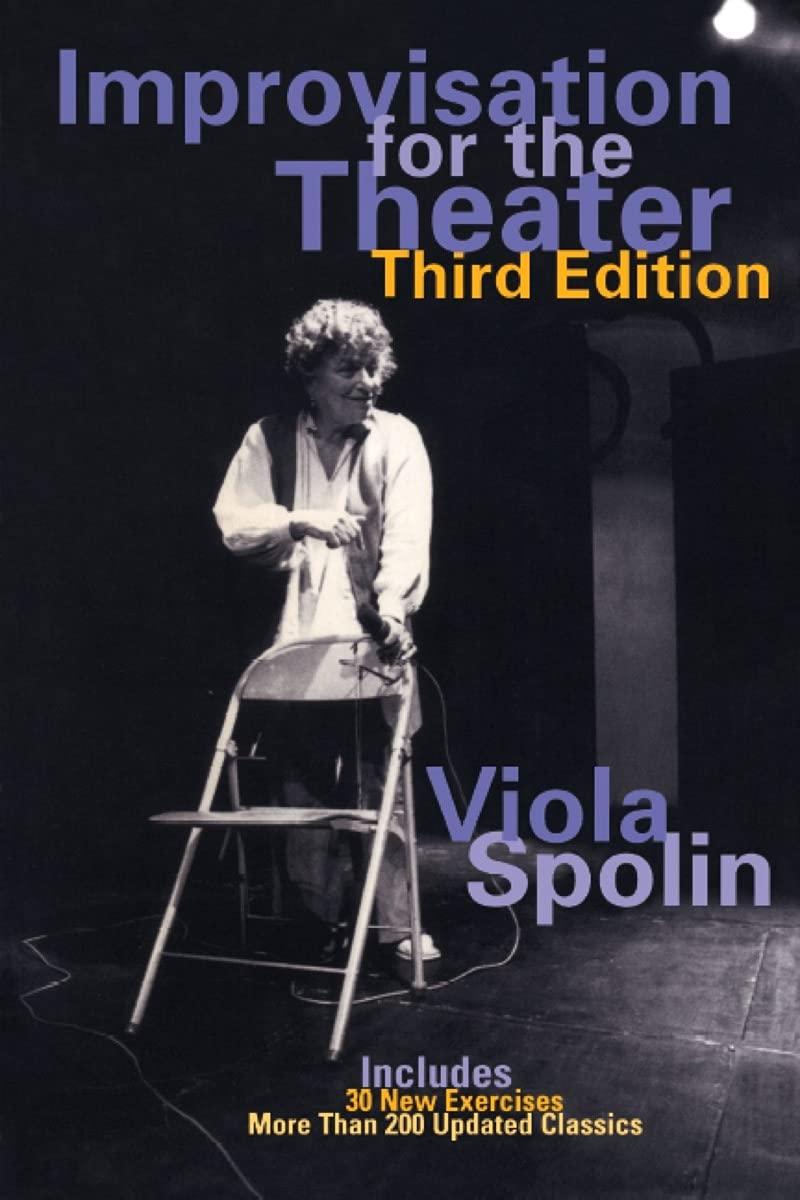
Improvisation for the Theater
A Handbook of Teaching and Directing Techniques
Viola Spolin
Theater Games for Rehearsal
Viola Spolin

The Young Actor's Book of Improvisation
Dramatic Situations
Sandra Caruso; Susan Kosoff

Group Improvisation
The Manual of Ensemble Improv Games
Peter Campbell Gwinn; Charna Halpern

Drama Games and Improvs
Games for the Classroom and Beyond
Justine Jones; Mary Ann Kelley
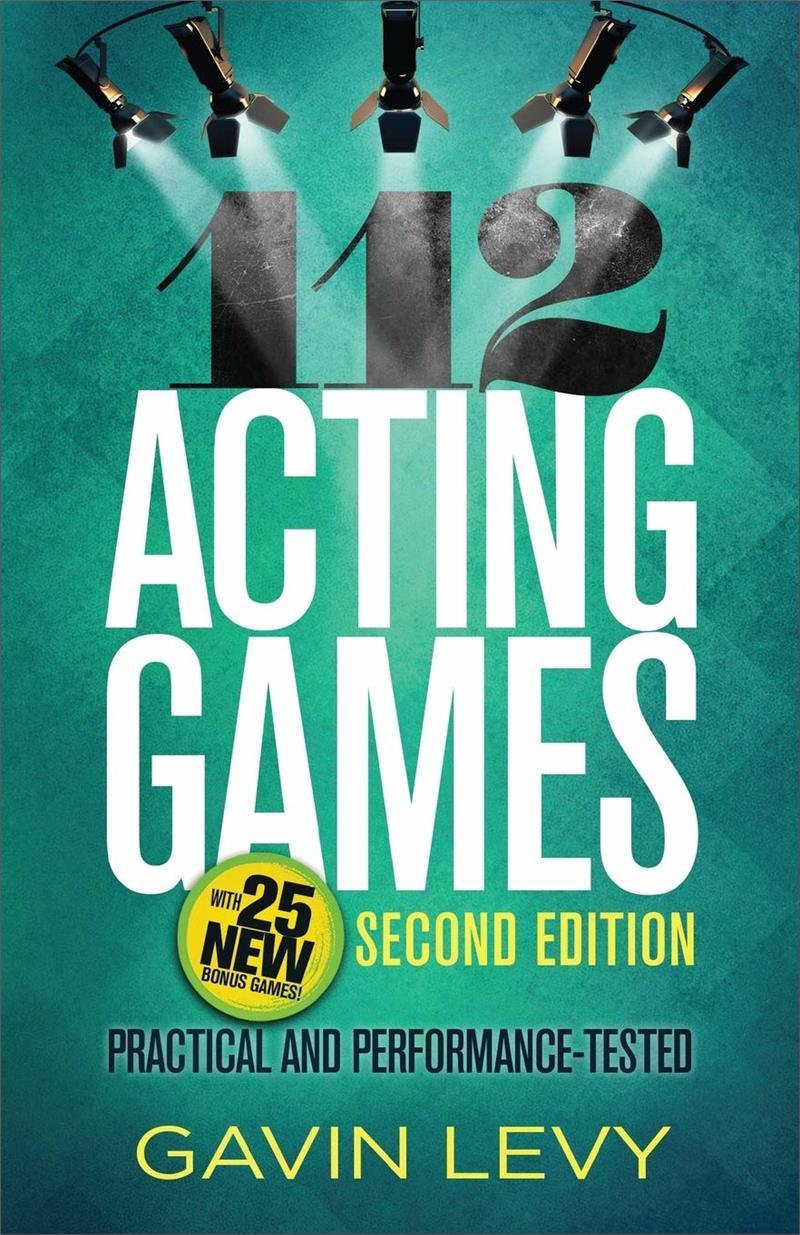
112 Acting Games
Gavin Levy
Related Exercises
Clown 12345
Clown 12345 is a clowning exercise that progresses through five numbered stages of physical and emotional exposure, developing performers' comfort with presence, visibility, and playful self-expression. Each stage increases the degree to which the performer is fully available to be seen, culminating in full clown engagement with no protective distance between the performer and the audience.
Barney
Barney is an energy and movement warm-up exercise in which players adopt an exaggerated, lumbering physical character and interact with the group through simple, playful commands. The exercise asks participants to embody a large, slow, friendly creature (often described as a dinosaur or monster) and move through the space with maximum physical commitment and minimum self-consciousness. The inherent silliness of the character lowers inhibitions quickly, making Barney effective as an early warm-up for groups that are new to physical work or uncomfortable with large physical choices. The exercise builds comfort with exaggerated movement, vocal projection, and the willingness to look ridiculous in front of others, all foundational skills for improv performance.
Duck Duck Goose
Duck Duck Goose is a classic children's circle game adapted as an improv warm-up. One player circles the group, tapping heads and calling out "duck" until choosing a "goose" who must chase them around the circle before they can claim the vacated spot. In improv contexts the game is used to raise physical energy quickly, lower inhibitions through familiar childhood play, and establish a physical permission structure early in a session.
Simon Says
Simon Says is an adaptation of the classic children's game for improv and actor training. A leader gives commands, and participants must execute only those commands preceded by the phrase "Simon says." Commands given without the phrase should be ignored; following them is an error. The exercise trains selective listening, impulse control, and the ability to distinguish qualified instructions from unqualified ones under time pressure.
Freeze Tag
Freeze Tag is one of the most widely performed short-form improv games across all traditions. Two players begin a scene; at any point, a player on the sidelines calls "Freeze" and the performers stop in their exact physical positions. The caller taps out one performer, assumes that performer's frozen pose, and initiates an entirely new scene inspired by the inherited body position. The game rewards quick associative thinking, bold physical initiations, and the ability to find new meaning in an existing tableau. Freeze Tag is a staple of short-form shows, improv classes, and workshop warm-ups worldwide.
Freeze Tag Round Two
Freeze Tag Round Two extends Round One by requiring the entering player to justify their physical choice with one short sentence or action immediately after entering. Rather than simply completing a frozen picture silently, the entering player establishes a brief scene -- naming the relationship, the situation, or the location -- before both players are released. The addition of verbal justification trains the integration of physical and narrative scene-building.
The Lineage
Explore the schools and structures that influenced or evolved from Red Light Green Light.
Putting Improv to Work (Hohn)
How to Reference This Page
The Improv Archive. (2026). Red Light Green Light. Retrieved September 28, 2026, from https://improvarchive.org/exercises/red-light-green-light
The Improv Archive. "Red Light Green Light." The Improv Archive, 2026. https://improvarchive.org/exercises/red-light-green-light.
The Improv Archive. "Red Light Green Light." The Improv Archive, 2026, https://improvarchive.org/exercises/red-light-green-light. Accessed September 28, 2026.
The Improv Archive is a systemically maintained repository. The archive itself acts as the corporate author.